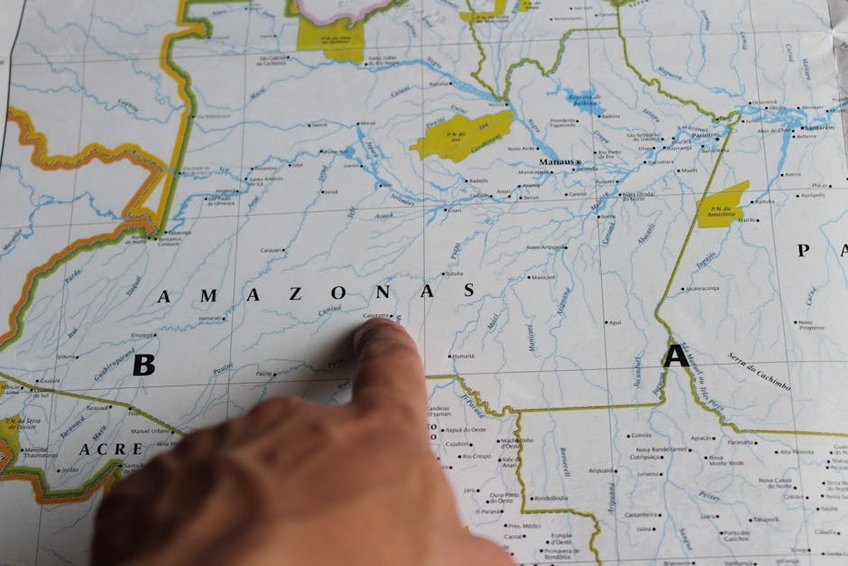
Brazil Amazon River Flood Season: Witness the Rainforest Reborn
The Brazil Amazon River flood season transforms the world’s largest rainforest into a vast, navigable aquatic landscape, offering a travel experience unlike any other on Earth. From December through May, rising water levels submerge forest floors, creating unique ecosystems and altering transportation routes throughout the region. This guide provides the essential details on timing, wildlife viewing, and practical logistics for planning your Amazonian adventure during this dynamic period.
Essential Amazon Flood Season Information
The annual inundation, known locally as the “cheia,” is a fundamental ecological event driven by seasonal rains in the Andes. Water levels can rise over 40 feet (12 meters), flooding an area roughly the size of England and creating a mirrored world where trees grow from lakes. This phenomenon supports a massive burst of biological productivity, from fish spawning in submerged forests to unique predator-prey interactions.
Scientists monitor river levels at key ports like Manaus, where the Rio Negro and Solimões meet to form the Amazon proper. The peak flood period typically occurs between late March and early May, though timing varies yearly. This cycle has sustained indigenous communities for millennia, dictating fishing, agriculture, and settlement patterns throughout the basin.
What Defines the Flood Season
Understanding the hydrological cycle is key to appreciating your visit. The season is not a single event but a prolonged process of filling and draining the rainforest’s immense catchment area.
- Rising Phase (Dec-Mar): Waters gradually invade the forest, creating channels for canoe travel under canopies. Fish follow the advancing water to feed on fruits and seeds, attracting birds and dolphins.
- Peak Phase (Mar-May): The forest is maximally flooded, with only the tallest trees and their canopies visible. This is the best time for extensive boat exploration into the igapó (flooded forest).
- Receding Phase (Jun-Nov): Waters drain, concentrating fish in lakes and rivers and revealing fresh sediment beaches. This “dry” season offers different trekking and wildlife opportunities.
- Budget (3-4 days): $400-$700 for a basic floating lodge or shared cabin on a regional boat. Excursions use simple motorized canoes, and amenities are minimal. This option works for adventurous travelers comfortable with rustic conditions.
- Mid-Range (4-5 days): $800-$1,500 for a comfortable eco-lodge with private bathrooms, expert bilingual guides, and a variety of daily activities (canoeing, night tours, village visits). This offers the best balance of comfort, guided expertise, and value.
- Luxury (5-7 days): $2,000-$5,000+ for a luxury riverboat cruise or high-end private reserve lodge. Features include air-conditioned suites, fine dining, a higher guide-to-guest ratio, and specialized excursions like photography workshops or conservation-focused tours.
- Brazilian Tourism Board (Embratur)
- Smithsonian Magazine Science & Nature
- World Wildlife Fund (WWF) – Amazon Section
Key Ecological Impacts
The floodwaters deliver nutrient-rich sediment from the Andes, fertilizing the otherwise poor rainforest soils. This annual gift fuels the growth of fruit trees and aquatic vegetation, forming the base of the food web. Fish like the tambaqui consume fallen seeds directly from the forest floor, a unique interaction only possible during high water.
Many terrestrial animals, including jaguars and tapirs, retreat to remaining high-ground patches, making them easier to locate from boats. Conversely, aquatic species like the pink river dolphin and giant river otters gain access to vast new hunting grounds. Birdlife explodes as species congregate around fruiting trees and fish-rich channels.
Historical and Cultural Significance
For indigenous groups like the Ribeirinhos, the flood calendar governs their entire year. Communities build houses on stilts, plant crops on the fertile várzea floodplains as waters recede, and time fishing expeditions to match fish migration patterns. Traditional knowledge of water levels and animal behavior is passed down through generations, representing a deep adaptation to this pulsating environment.
Modern cities like Manaus and Santarém are also shaped by the river’s rhythm, with floating ports and markets that rise and fall with the water level. The annual cycle is central to local festivals, cuisine, and the regional economy, particularly for sustainable fishing and tourism.
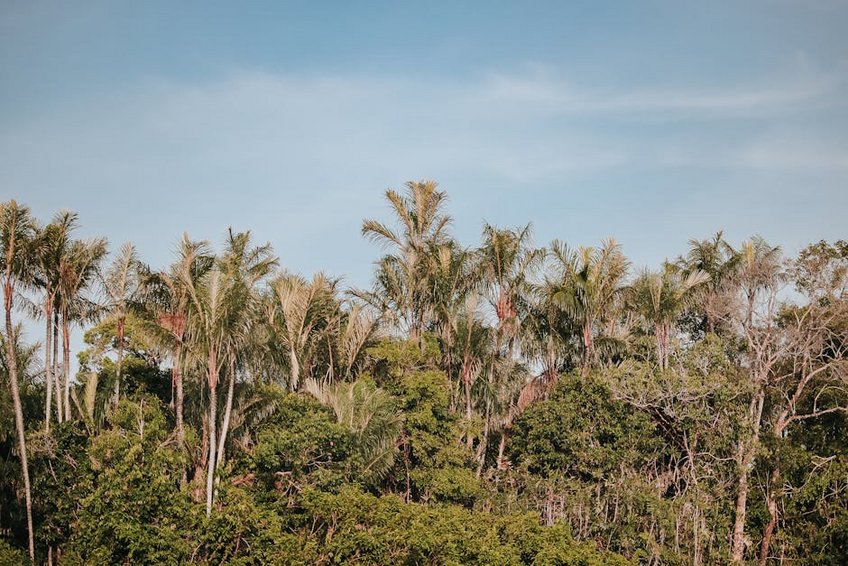
Alt: “amazon-river-flooded-forest-canoe-tour-rainy-season”
Brazil Amazon River Flood Season – Planning Your Trip
Traveling during the high-water period requires a different approach than a dry-season Amazon visit. Your itinerary will be almost entirely boat-based, accessing areas unreachable on foot for half the year. Accommodation options shift, with floating lodges and liveaboard boats becoming the primary bases for exploration deep into the flooded jungle.
You’ll need to pack for a humid, aquatic environment, with quick-dry clothing, waterproof bags, and sturdy footwear that can handle wet boat decks. Booking with an experienced, eco-certified tour operator is crucial, as navigation through submerged forests requires expert local guides who understand shifting channels and safety protocols.
Best Time to Visit the Flooded Amazon
The ideal window for the quintessential flooded forest experience is from late February through April. During these months, water levels are sufficiently high to allow small boat access deep into the igapó forests, yet rainfall begins to ease slightly compared to the peak of the rainy season. Average daytime temperatures hover around 86°F (30°C) with high humidity.
For those seeking the absolute highest water levels, aim for late April to early May, but be prepared for more frequent afternoon downpours. The shoulder months of January and early February see rapidly rising waters and more intense rain, offering a dramatic sense of the forest’s transformation. Each phase presents unique photographic and wildlife opportunities.
Budget Planning and Costs
Tour costs vary significantly based on lodge quality, group size, and tour length. Prices are typically per person and include full-board accommodation, guided excursions, and transfers from a gateway city like Manaus.
Essential Preparation Checklist
Packing correctly is non-negotiable for comfort and safety. You’ll need lightweight, long-sleeved shirts and pants for sun and insect protection, all made from quick-dry fabric. A high-quality, DEET-based insect repellent (40-50% concentration) and permethrin-treated clothing are essential for deterring mosquitoes. Waterproof bags or dry sacks are mandatory for protecting cameras, documents, and electronics.
Ensure your routine vaccinations are up-to-date and consult a travel clinic about yellow fever vaccination and malaria prophylaxis, which are strongly recommended. Purchase comprehensive travel insurance that covers emergency evacuation from remote areas. Book your tour and domestic flights to Manaus or Alta Floresta at least 3-4 months in advance, especially for travel during peak months like March and April.
Top Activities in the Flooded Rainforest
Navigating the Amazon by boat during high water unlocks serene and spectacular experiences. The silence of paddling a canoe through submerged tree trunks, with only the sounds of dripping water and distant bird calls, is profound. The reflective water creates stunning photography conditions, doubling the jungle canopy in mirror-like surfaces at dawn and dusk.
Wildlife spotting becomes a game of looking upwards into the canopy for monkeys, sloths, and birds, and downwards into the clear blackwater for caiman, turtles, and massive schools of fish. Each excursion offers a new perspective on this adaptive ecosystem, from quiet lagoon explorations to visiting stilt-house communities that live in harmony with the rising river.
Must-See Highlights
The Anavilhanas Archipelago, located on the Rio Negro near Manaus, is the world’s largest river archipelago and a UNESCO site. During the flood, its hundreds of islands become a labyrinth of navigable channels between treetops. Guided tours here focus on spotting the iconic pink river dolphin, primates, and immense diversity of birdlife, including macaws and hoatzins.
Exploring the igapó (flooded blackwater forests) of the Rio Jauaperi or Rio Cuieiras offers an intimate look at the aquatic forest. Here, you can fish for piranha, spot the elusive electric eel, and learn about medicinal plants from a local guide. The Meeting of the Waters, where the dark Rio Negro and sandy Solimões River run side-byside for miles, is even more distinct during high water flow periods.
Hidden Gems and Local Favorites
Journey to the Mamirauá Sustainable Development Reserve, a pioneering community-based conservation area flooded year-round. It offers unique overnight stays in floating lodges managed by local residents, providing income directly to the community. Activities focus on observing the endangered white uakari monkey and learning about sustainable fishing practices.
Visit a Ribeirinho family home built on stilts, where you can share a meal and learn about daily life synchronized with the river’s pulse. For a truly remote experience, consider a multi-day liveaboard boat trip on the Rio Purus or Rio Tefé, traveling far from tourist routes to see untouched flooded forests and wildlife with minimal human presence.
Wildlife Photography Tips
The soft, diffused light of the rainy season reduces harsh shadows, ideal for forest photography. A polarizing filter is invaluable for cutting through glare on the water’s surface to reveal submerged logs and fish below. For wildlife, a zoom lens (100-400mm) is essential, as many animals will be at a distance in the canopy.
Patience is key; work with your guide to position the boat quietly near fruiting trees or known animal pathways. Early morning and late afternoon provide the best light and highest animal activity. Always prioritize the animal’s welfare over getting the shot, and never ask your guide to bait or disturb wildlife.
Practical Travel Information and Logistics
Gateway cities are your starting point. Manaus (MAO) is the primary hub, with international connections from Miami and Panama City, and domestic flights from São Paulo and Brasília. From Manaus, you’ll transfer by van and boat to your lodge, a journey that can take 3-6 hours. The smaller city of Alta Floresta offers access to the southern Amazon and the Cristalino Lodge area.
Accommodations range from rustic floating huts to luxurious riverboats. The flood season means land-based lodges with extensive trail systems become limited, so your experience will revolve around your lodge’s dock and its fleet of small excursion boats. English is not widely spoken outside of tourist lodges, making a guided tour virtually essential.
| Accommodation Type | Key Features & Considerations | Price Range/Night (USD) |
|---|---|---|
| Floating Lodge | Built on rafts or stilts over water; direct forest access by canoe; basic to comfortable rooms; full-board. | $120 – $300 |
| Land-Based Eco-Lodge | Limited trail access in flood season; focus on boat excursions; often includes transfer packages. | $150 – $400 |
| Liveaboard Riverboat | Multi-day cruise; accesses remote areas; cabins with private baths; all-inclusive. | $300 – $800 |
| Community Homestay | Authentic cultural immersion; basic facilities (shared bath, no AC); supports local families directly. | $40 – $80 (including meals) |