Uruguay Montevideo Carnival Final Feast
Witnessing the grand finale of Uruguay’s Carnival in Montevideo is a cultural immersion like no other. The event, known as the Desfile de Llamadas, is a breathtaking explosion of rhythm, color, and tradition that culminates the world’s longest carnival celebration. This guide provides everything you need to plan your trip to experience the Uruguay Montevideo Carnival Final Feast, from securing tickets to understanding the rich Afro-Uruguayan heritage behind the spectacle.
Essential Carnival Information
The Montevideo Carnival is officially the longest in the world, stretching over 40 days from late January into early March. Its climax is the Desfile de Llamadas, or Parade of the Calls, held over two consecutive nights in the historic Barrio Sur and Palermo neighborhoods. This final feast is not just a party; it’s a living tribute to the city’s African roots and a vibrant display of Candombe music and dance.
Unlike the more commercialized carnival in Rio, this event is deeply community-based. The “comparsas,” or drumming troupes, are family and neighborhood groups that practice year-round. The parade follows specific routes along traditional cobblestone streets, where the rhythm of hundreds of drums creates a palpable, electrifying energy you can feel in your chest.
Key Historical and Cultural Context
Understanding the history transforms a spectator into a participant. Candombe, the driving rhythm of the carnival, originated with enslaved Africans in Montevideo in the 18th century. Their gatherings, or “llamadas,” used drums to communicate across neighborhoods. Today, the parade honors this legacy with immense pride and joy.
- The Drums (Tambores): Three primary drum types lead the rhythm: the deep piano, the mid-range repique, and the high-pitched chico. Together, their polyrhythmic beat is the heartbeat of the parade.
- The Characters: Look for the iconic Mama Vieja (matriarch), the Gramillero (herbal healer), and the Escobero (broom dancer), each performing stylized dances that tell stories of the past.
- The Flag Bearer (Porta-Estandarte): A dancer who leads each comparsa, twirling their flag with athletic grace, setting the visual tone for the group that follows.
- Budget Traveler ($80-120/day): Stay in a hostel in Centro, use public buses, eat street food and chivitos (steak sandwiches), and watch the parade from free public areas along the route. Purchase a reusable cup for drinks from kiosks.
- Mid-Range Traveler ($150-250/day): Book a hotel in Pocitos or Parque Rodó, use taxis or Uber for convenience, enjoy sit-down parrilla meals, and buy a general admission bleacher seat for the parade ($20-40). Attend a pre-carnival drumming rehearsal.
- Luxury Traveler ($350+/day): Stay at a boutique hotel in Ciudad Vieja with balcony views, hire a private guide for context, secure VIP seated tickets with the best views ($75+), and dine at top restaurants like La Fonda or Es Mercat.
- Intendencia de Montevideo (Official City Site)
- Lonely Planet Montevideo Travel Guide
What Makes the Final Feast Unique
The final weekend represents the peak of artistic competition and communal celebration. Each comparsa, comprising up to 100 drummers and dancers, gives its ultimate performance. Judges evaluate them on rhythm precision, choreography, costume authenticity, and overall energy. The atmosphere is charged with a mix of fierce competition and unifying celebration.
Meanwhile, the streets are lined with food stalls serving traditional Uruguayan street food. The air fills with the scent of grilled meats from parrillas, sweet churros, and the local favorite, medio y medio (a half-sparkling wine, half-white wine drink). It’s a true feast for all senses, combining artistic excellence with local gastronomy.
Alt: “montevideo-carnival-finale-desfile-de-llamadas-drummers-candombe”
Uruguay Montevideo Carnival Final Feast – Planning Your Trip
Attending this spectacular event requires specific planning, as the dates shift slightly each year based on the liturgical calendar. The Desfile de Llamadas typically occurs on the first Friday and Saturday of February. You must book flights and accommodations months in advance, as the city fills with domestic travelers and South American tourists. A well-planned Uruguay Montevideo Carnival Final Feast trip ensures you secure a good viewing spot and immerse yourself fully.
Your budget should account for the peak-season pricing. While Uruguay uses the Uruguayan Peso (UYU), we’ll reference costs in USD for clarity. Consider staying for at least four nights to enjoy the pre-parade rehearsals and related carnival events at the Teatro de Verano. Flexibility with your schedule is wise, as the parade can start late and go into the early morning hours.
Best Time to Visit Montevideo for Carnival
The absolute best time is early February, specifically the weekend of the Desfile de Llamadas. Daytime temperatures in Montevideo range from 70°F to 85°F (21°C to 29°C), with warm, pleasant evenings perfect for outdoor festivities. This is the peak of the Southern Hemisphere summer and the undisputed peak of Uruguay’s cultural calendar.
If you want a carnival experience with slightly fewer crowds, consider arriving the week before the finale. You can catch preliminary llamadas and tablados (open-air stage shows) in various neighborhoods. Late February sees fewer events, but the weather remains excellent for exploring the city’s other attractions, like the Rambla waterfront.
Budget Planning and Costs
A trip for the carnival finale varies widely based on your style. Flights from the U.S. East Coast typically start at $900 round-trip in this high season.
Essential Preparation Checklist
Pack for summer weather but include layers. Essentials include comfortable walking shoes (cobblestones are unforgiving), a refillable water bottle, high-protection sunscreen, a wide-brimmed hat, and earplugs—the drumming is powerfully loud and close. A small crossbody bag to keep belongings secure in crowds is a must.
Ensure your passport is valid for at least six months beyond your stay. U.S., Canadian, and EU citizens do not need a visa for tourist stays under 90 days. Purchase comprehensive travel insurance that covers event cancellation. Download offline maps of the parade route in Barrio Sur and the local bus app, “Cómo Ir.”
Top Attractions and Carnival Experiences
Beyond the main parade, the carnival season offers a wealth of cultural activities. The Teatro de Verano, an open-air amphitheater, hosts the official competition where comparsas perform on stage in the weeks leading up to the finale. These tickets are more affordable and offer a more structured viewing experience of the same incredible groups.
Explore the Carnival Museum (Museo del Carnaval) in Ciudad Vieja to understand the evolution of masks, costumes, and music. It provides excellent context before you see the real thing. Walking tours of Barrio Sur and Palermo explain the history of the neighborhoods where Candombe was born, adding profound depth to your visit.
Must-See Highlights
The Desfile de Llamadas along Calle Isla de Flores and Calle Carlos Gardel is the non-negotiable centerpiece. Arrive at least two hours early to claim a good spot along the barriers. The energy builds slowly as the first drums approach, creating an unforgettable wave of sound.
Visit the Mercado del Puerto in the old city for a pre-parade feast of grilled meats, though it will be busy. For a more local experience, find a “tasca” (tavern) in Palermo serving garrapiñada (caramelized peanuts) and cold beer. The Rambla, the city’s endless waterfront promenade, is perfect for a late-night stroll after the parade ends.
Hidden Gems and Local Favorites
For an authentic peek, find the “ensayos” or public rehearsals in the weeks before the parade. Local comparsas practice in their community halls or on closed streets; ask at your hotel for locations. These sessions are raw, energetic, and free, offering a chance to see the dedication behind the spectacle.
Seek out the “tablados populares,” smaller, neighborhood stage shows that happen throughout the carnival period. They feature humor, satire, and music, and are where you’ll find more Uruguayans than tourists. Areas like Cordón and La Teja host vibrant, local-focused events.
Exploring Montevideo’s Cultural Scene
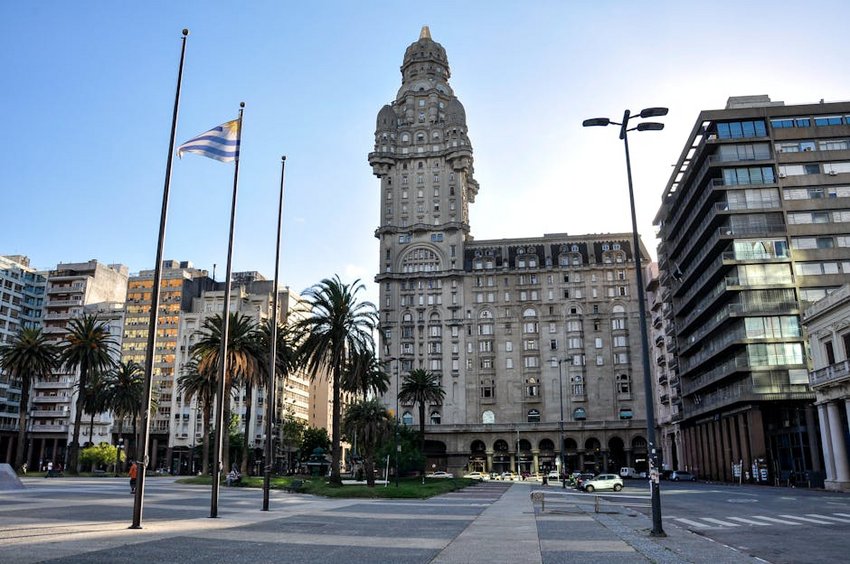
Use your daytime hours to explore Montevideo’s rich culture. The Palacio Salvo, the iconic city landmark, offers tours. The Andes Museum 1972 is a sobering but powerful tribute to resilience. For art, visit the Torres García Museum to understand Uruguay’s unique constructive universalism movement before seeing its influence in some carnival costume designs.
Practical Travel Information
Montevideo is served by Carrasco International Airport (MVD), located about 30-45 minutes from the city center. Direct flights are available from Miami, Madrid, and several South American capitals. For the carnival period, book flights at least four to six months in advance to secure reasonable fares.
Within the city, a combination of walking, taxis, and buses works best. The historic carnival neighborhoods are best explored on foot. For the parade, taxis or Uber are recommended as buses reroute. Accommodation prices double or triple during carnival, so book your hotel the moment your dates are confirmed.
| Accommodation Area | Best For & Atmosphere | Price Range (USD) Per Night* |
|---|---|---|
| Ciudad Vieja (Old City) | History, walkability to Carnival Museum, nightlife. Can be noisy. | $100 – $250 |
| Pocitos | Beach access, modern apartments, quieter vibe, good bus links. | $120 – $300 |
| Parque Rodó / Cordón | Local feel, near Universidad, close to some tablados, good value. | $80 – $180 |
| Barrio Sur / Palermo | Total cultural immersion, heart of the parade route. Books out first. | $90 – $200 (limited options) |