Argentina Bariloche Wine Harvest Experience
The Argentina Bariloche Wine Harvest is a unique celebration that combines the dramatic Patagonian landscape with the intimate, emerging wine scene of the Río Negro province. While Argentina is famous for Mendoza’s Malbec, the cool-climate harvest here, known as “Vendimia,” offers a distinct, adventurous twist focusing on Pinot Noir, Merlot, and aromatic whites. This guide covers everything from the best time to witness the crush to planning your trip around the region’s festivals, tastings, and breathtaking Andean vistas.
Essential Information on Patagonian Wine
Bariloche sits in Argentina’s Lake District, part of the Patagonia region, far south of the country’s primary wine zones. The local wine production is centered in the Upper Río Negro Valley, a cool-climate area benefiting from pure glacial water, intense sunlight, and significant day-night temperature swings. These conditions produce wines with bright acidity, delicate fruit profiles, and remarkable freshness, a stark contrast to the powerhouse reds of Mendoza.
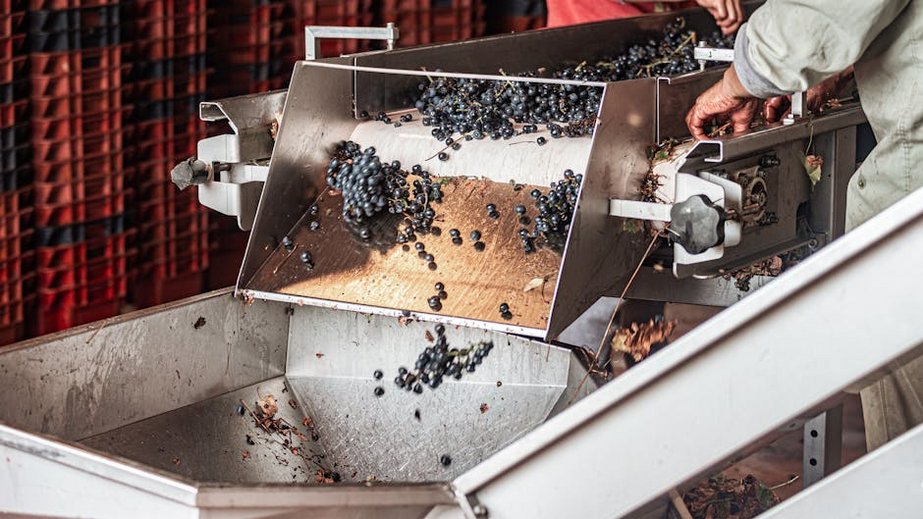
Viticulture here has a fascinating history, with significant growth over the past two decades as winemakers explore the potential of its unique terroir. The harvest season is less commercial and more communal than in larger regions, often involving family-owned bodegas and smaller vineyards. This creates an authentic, hands-on experience for visitors interested in the craft behind the bottle.
The Grapes of Northern Patagonia
Understanding the primary varietals helps you appreciate your tastings. The star grapes reflect the climate’s influence.
- Pinot Noir: Thrives in the cooler temperatures, producing elegant, earthy reds with notes of red cherry and forest floor that pair beautifully with the region’s game and trout.
- Merlot: Ripens well here, yielding medium-bodied wines with plum and herbal characteristics, often used in blends or as a robust standalone.
- White Varietals: Sauvignon Blanc and Chardonnay develop crisp, mineral-driven profiles, while Gewürztraminer and Riesling showcase intense floral and citrus aromas.
- Budget Traveler ($80-120/day): Stay in hostels or guesthouses, use public buses for limited vineyard access, join a group harvest tour ($50-70), and focus on free festival events. Meals consist of supermarket picnics and affordable parrilla lunches.
- Mid-Range Traveler ($150-250/day): Book a comfortable hotel or Airbnb, rent a compact car for self-guided winery tours ($40/day), enjoy guided tastings ($15-25 each), and dine at mid-tier restaurants. This budget allows for a balanced, comfortable experience.
- Luxury Traveler ($350+/day): Stay at a five-star lakefront lodge, hire a private driver-guide for bespoke vineyard visits, enjoy exclusive library tastings and meals at winery restaurants, and incorporate helicopter tours of the Andes and vineyards.
- Argentina National Tourism Ministry
- Wines of Argentina Official Body
Understanding the Vendimia Festival
Unlike the massive celebrations in Mendoza, Bariloche’s Vendimia is a series of smaller, more focused events. The main festivities typically occur in late March or early April, aligning with the peak of the grape harvest. The celebration is deeply tied to local culture, giving thanks for the harvest.
Events include the traditional blessing of the fruit, folk music and dance performances, grape-stomping competitions, and open-house tastings at local wineries. The atmosphere is festive yet intimate, offering a genuine connection to the winemaking community. It’s a window into rural Patagonian life beyond the postcard-perfect lakes.
Key Wine Regions Near Bariloche
While Bariloche itself is a tourism hub, the vineyards are located in the surrounding valley, requiring a short journey. The main areas are within a 1.5 to 2-hour drive from the city center, making them perfect for day trips or overnight stays in rustic countryside inns.
The most prominent zone is the Alto Valle del Río Negro, encompassing towns like General Roca and Villa Regina. Another emerging area is the Valle de El Bolsón, southwest of Bariloche, known for organic farming practices and hippie-chic vibes. Each micro-region imparts subtle differences to the wine.
Alt: “bariloche-patagonia-vineyard-andean-mountains-harvest-season”
Argentina Bariloche Wine Harvest – Planning Your Trip
Successfully experiencing the Argentina Bariloche Wine Harvest requires strategic timing and logistical planning. The harvest season is brief, and while the region is a year-round destination, aligning your visit with late March through mid-April is crucial for participating in harvest activities. You’ll need to balance winery visits with exploration of the stunning Nahuel Huapi National Park.
Book accommodations in Bariloche at least three to four months in advance if your trip coincides with the main Vendimia dates or the Easter holiday period. Renting a car is highly recommended for maximum flexibility to visit remote vineyards, though several tour operators offer specialized harvest-focused day trips from the city.
Best Time to Visit for the Harvest
The optimal window for the harvest experience is from mid-March to mid-April. This is when grapes reach perfect ripeness and wineries are bustling with picking and crushing activities. Daytime temperatures range from 50-65°F (10-18°C), while nights can drop to 40°F (5°C). The autumn foliage is spectacular.
Visiting in early March offers quieter pre-harvest vineyard tours. Late April sees the conclusion of harvest work and the beginning of the region’s colder, quieter off-season. The summer months (December-February) are peak tourist season for general travel but are too early for any harvest-related events.
Budget Planning and Costs
A trip focused on the wine harvest can be tailored to different budgets, with the largest variables being lodging and private tours.
Essential Preparation Checklist
Packing for Patagonia’s unpredictable autumn weather is key. Bring layered clothing: a moisture-wicking base, a warm fleece, a waterproof and windproof outer shell, and sturdy, comfortable shoes for vineyard walks. Sunglasses, a wide-brimmed hat, and high-SPF sunscreen are essential due to the strong southern sun.
Ensure your passport is valid for six months beyond your stay; U.S. and EU citizens receive a 90-day tourist visa on arrival. Purchase comprehensive travel insurance that covers potential activity cancellations and medical emergencies. Reserve rental cars and key winery tours online well in advance, as availability shrinks as the harvest approaches.
Top Attractions and Activities
Beyond the vineyards, the Bariloche region is an adventure paradise. The crystal-clear waters of Nahuel Huapi Lake provide a stunning backdrop for every activity. A complete trip seamlessly blends oenology with outdoor exploration, taking advantage of the crisp, sunny autumn days that define the harvest season.
You can spend your mornings touring bodegas and your afternoons hiking forest trails, cruising lakes, or sampling legendary artisan chocolate. The pace is yours to set, whether you seek relaxation with a view or adrenaline-fueled excursions in the mountains.
Must-See Highlights
Circuito Chico is a famous 60-km (37-mile) driving loop offering panoramic lake views, access to trails, and several charming spots like the Llao Llao Hotel and Cerro Campanario. Take the chairlift up Cerro Campanario for what National Geographic called one of the world’s top ten views. Entry costs about $10 USD.
Nahuel Huapi National Park encompasses the entire area, with endless hiking trails like the easy Arrayanes Forest walk or the more challenging Refugio Frey trek. A boat cruise to Victoria Island and the Arrayanes Forest is a classic half-day activity, with tours starting around $45 USD per person.
The Centro Cívico, Bariloche’s picturesque stone and wood civic center, houses museums, a tourist office, and delightful chocolate shops. It’s the perfect place to try a submarino (hot milk with a bar of chocolate) after a day of exploring.
Hidden Gems and Local Favorites
Venture to the bohemian town of El Bolsón, about a two-hour drive south. Famous for its artisan market, craft beer, and organic farms, it’s also home to small, innovative wineries focusing on natural wines. The laid-back vibe is a refreshing contrast.
Seek out the lesser-known “ruta de los viejos almacenes” (route of the old grocery stores) near General Roca. These historic buildings, some converted into tasting rooms, tell the story of the region’s agricultural past. They offer an unfiltered, authentic glimpse into local life far from the standard tourist trail.
Adventure and Outdoor Activities
Autumn is ideal for hiking, with comfortable temperatures and fewer bugs. Mountain biking along lakeside paths and white-water rafting on the Río Manso are popular. For a unique perspective, consider a fly-fishing excursion; Patagonia is a global destination for trout fishing, and many guides combine river trips with picnic lunches featuring local wine.
As evening falls, the clear skies offer exceptional stargazing. Several operators provide astronomy tours, where you can view the Southern Cross and other constellations unobscured by light pollution, glass of Patagonian Pinot in hand.
Practical Travel Information
Navigating the Bariloche region is straightforward with a little preparation. The main gateway is San Carlos de Bariloche International Airport (BRC), with direct flights from Buenos Aires and other Argentine cities. Domestic flights are the most efficient way to reach the area, though long-distance buses offer a scenic, budget-friendly alternative.
Accommodation options range from downtown hotels to remote alpine lodges. Staying in Bariloche Centro provides walkable access to restaurants and shops, while lakeside properties east of the city offer tranquility and stunning views at a higher price point.
| Accommodation Type | Features & Best For | Price Range (USD/Night) |
|---|---|---|
| Hostel / Guesthouse | Social atmosphere, basic amenities, central locations. Best for solo travelers and tight budgets. | $20 – $50 |
| Mid-Range Hotel | Comfortable rooms, often with lake views, breakfast included. Best for couples and standard tourism. | $80 – $150 |
| Luxury Lodge | Five-star service, spa facilities, gourmet dining, private guides. Best for splurges and honeymoons. | $250 – $600+ |
| Countryside Inn (Estancia) | Rustic charm on a working ranch or near vineyards, includes meals. Best for authentic harvest immersion. | $120 – $300 |