
Kyrgyzstan Bishkek Horse Games Festival
Immerse yourself in the thunder of hooves and ancient nomadic traditions at the Bishkek Horse Games Festival, Central Asia’s premier equestrian celebration. This dynamic event showcases the deep cultural connection between the Kyrgyz people and their horses through breathtaking competitions and cultural displays held on the outskirts of the capital. Understanding the festival’s schedule, key events, and cultural context transforms a simple visit into a profound travel experience rooted in Kyrgyz heritage.
Essential Festival Information
The festival typically takes place annually, with the most significant celebrations occurring in late summer, often aligning with national Independence Day on August 31st. The primary venue is the national hippodrome in Bishkek, a large, open arena designed specifically for equestrian events. Exact dates can shift slightly each year, so checking official sources several months in advance is crucial for planning your trip.
This gathering is more than just a sporting event; it’s a living museum of Kyrgyz nomadic culture. The competitions you’ll witness have been passed down for generations, serving as both entertainment and practical training for horsemanship. Attending connects you directly to the country’s history, where the horse was essential for transport, food, and survival on the Central Asian steppes.
What You Need to Know
Before you go, grasp these core facts about the equestrian celebration in Bishkek.
- The festival usually spans 2-3 days, with the most intense competitions and opening ceremonies happening on the primary weekend day, requiring a full-day commitment.
- Admission is generally very affordable for international visitors, often costing between $5 to $15 USD for a day pass, with tickets available at the gate or through local tour operators.
- Facilities at the hippodrome are basic; expect portable toilets, simple food stalls serving traditional fare like shashlik and lagman, and limited shaded seating, so come prepared.
- Budget Traveler ($35-60 USD/day): Stay in a hostel or guesthouse, use marshrutka minibuses for transport, eat at local canteans, and buy festival tickets at the gate. This approach maximizes cultural immersion while minimizing cost.
- Mid-Range Traveler ($80-150 USD/day): Book a comfortable 3-star hotel in central Bishkek, use Yandex Taxi app for convenient rides, enjoy meals at good restaurants, and hire a local guide for half a day at the hippodrome for expert commentary.
- Luxury Traveler ($200+ USD/day): Stay at a top hotel like the Hyatt, arrange private car transfers with an English-speaking driver, dine at premium establishments, and book a full-day VIP tour package that includes premium festival seating and behind-the-scenes access.
- Official Travel Portal of Kyrgyzstan
- Advantour Kyrgyzstan Festival Guide
Key Historical and Cultural Details
The games trace their origins to martial training exercises for nomadic warriors, where skills like precise archery and wrestling on horseback were vital for defense and hunting. Events like “Oodarysh” (wrestling on horseback) and “Kyz Kuumai” (catch the girl) are not merely spectacles but narratives of courtship and combat woven into the national identity. This history elevates the festival from a simple show to a meaningful cultural immersion for any traveler.
Modern iterations of the festival often coincide with the larger World Nomad Games when Kyrgyzstan hosts, drawing even more international attention and participants. However, the annual Bishkek event remains the most accessible way for tourists to experience these traditions. The atmosphere is a vibrant mix of local families, proud riders in traditional dress, and fascinated foreign visitors all sharing in the excitement.
The Festival Atmosphere and Audience
The energy is contagious, with crowds cheering passionately for their regional teams and favorite riders. You’ll hear a constant mix of the Kyrgyz language, the snorts and whinnies of horses, and the booming commentary over the loudspeakers. It’s a sensory-rich environment that fully engages visitors in the moment.
While competitive, the event is deeply communal. You’ll see multi-generational families picnicking on the grass, sharing food, and explaining the rules to children. This welcoming, community-focused vibe makes it easy for travelers to feel included. Remember to be respectful of the athletes and animals, keeping a safe distance from the competition areas unless explicitly allowed.
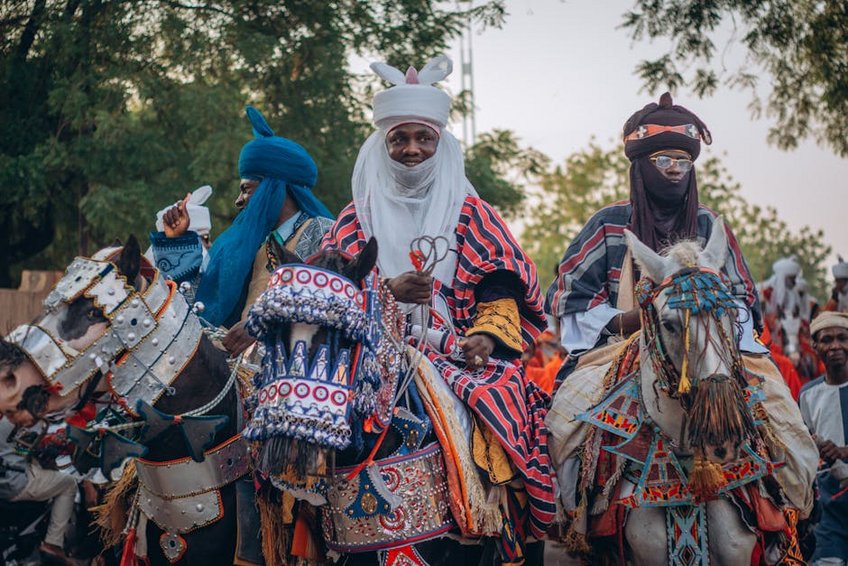
Alt: “bishkek-horse-games-festival-equestrian-competition-hippodrome”
Kyrgyzstan Bishkek Horse Games Festival – Planning Your Trip
Securing your visit to this unique equestrian spectacle requires attention to timing and logistics. The festival is typically announced 3-4 months in advance, with late July or August being the most common periods. You should begin monitoring the official Kyrgyz tourism website and local news outlets by early spring to catch the confirmed dates as soon as they are published.
Your budget should account for more than just the nominal ticket price. Factor in transportation to the hippodrome, which may require a taxi or arranged transfer from downtown Bishkek, food and water for a full day in the sun, and potentially a guide to explain the nuances of each game. Allocating $50-75 USD per person per day for the festival experience is a realistic starting point.
Booking accommodations in Bishkek early is critical, as the city’s better hotels can fill up around major events. Aim to reserve your hotel at least two to three months before your travel dates. This planning ensures you have a comfortable base and avoids the stress of last-minute searching in a crowded city.
Best Time to Visit for the Equestrian Games
The ideal window is late August, specifically targeting the festival weekend which often coincides with Independence Day. Daytime temperatures in Bishkek during this period are warm and pleasant, ranging from 75°F to 85°F (24°C to 29°C), with minimal rainfall. The weather is perfect for spending long hours outdoors at the hippodrome.
Visiting in late summer also means you experience Bishkek at its liveliest, with other cultural events and green parks in full swing. Shoulder seasons like June or early September offer milder weather but carry the risk of completely missing the festival, as dates are not fixed. Committing to the August timeframe is the safest bet for witnessing the main equestrian events.
Budget Planning and Costs
Your expenses will vary significantly based on your travel style for this Central Asian adventure.
Essential Preparation Checklist
Packing correctly is non-negotiable for a full day at the hippodrome. Essentials include high-SPF sunscreen, a wide-brimmed hat, polarized sunglasses, a reusable water bottle, and a portable power bank for your phone. Wear comfortable, closed-toe walking shoes as you’ll be on your feet on grassy or dusty terrain, and bring a light jacket for cooler evenings.
Ensure your travel insurance covers medical evacuation and check visa requirements; many nationalities can enter Kyrgyzstan visa-free for up to 60 days. Download offline maps of Bishkek and the Russian or Kyrgyz Google Translate language packs. Bookmark the official festival information page and your hotel’s contact details for easy access upon arrival.
Top Equestrian Events and Cultural Activities
The festival’s core is its breathtaking equestrian competitions, each testing different skills rooted in nomadic life. From the intense wrestling matches on horseback to the graceful displays of hunting with eagles, the variety is astounding. Each game has specific rules and scoring systems that, once understood, dramatically increase your appreciation of the athletes’ prowess.
Beyond the main arena, the festival grounds often buzz with supplementary cultural activities. You might find yurts (traditional nomadic tents) erected for demonstrations of felt-making, craft markets selling handcrafted souvenirs, and stages for traditional music and dance performances. Allocating time to explore these peripheral activities completes the cultural picture of the equestrian celebration in Kyrgyzstan.
Must-See Equestrian Games
“Kok-Boru” is the undisputed headline event, a fierce and chaotic game akin to polo played with a decapitated goat carcass. Teams of riders battle to carry the “ulak” (carcass) and score by throwing it into a large cauldron-like goal. The physicality and speed make it a mesmerizing, if intense, spectacle that defines the festival’s raw energy.
“At Chabysh” is the long-distance horse race, often covering 20-30 kilometers, showcasing the endurance of both local horse breeds and their young jockeys. “Oodarysh” features two riders wrestling on horseback, attempting to pull each other to the ground, demonstrating incredible balance and strength. Watching these events sequentially reveals the full spectrum of equestrian mastery celebrated here.
Hidden Gems and Local Interactions
Arrive early to watch the riders and trainers preparing their horses in the staging areas behind the main arena; this unscripted moments offers genuine insight into the bond between human and animal. You can often see the intricate grooming, last-minute tack adjustments, and focused pre-competition rituals that are invisible from the grandstands.
Strike up conversations with local families during breaks; many are incredibly proud to share the stories behind the games. Use a translation app or learn a few basic Kyrgyz phrases. Visiting the smaller, informal practice sessions that sometimes occur on the days before the official festival can also provide a more intimate and relaxed view of the sports.
Eagle Hunting and Falconry Displays
While not always a competitive event, demonstrations of “Berkutchi” (eagle hunting) are frequently featured. Skilled hunters in traditional dress showcase how golden eagles are trained to hunt foxes and hares from horseback, a practice with over 4,000 years of history in the region. The sight of the massive bird taking flight from its master’s arm is unforgettable.
These displays highlight a symbiotic relationship that goes beyond sport, representing a sustainable hunting tradition crucial for survival in the harsh mountain winters. The handlers often explain the training process, which begins when the eagle is just a chick and builds a lifelong partnership based on mutual trust and respect, not domestication.
Practical Travel Information for Bishkek
Navigating Bishkek and accessing the festival requires understanding the local infrastructure. The city is relatively compact and easy to explore, with a grid-like layout. The Manas International Airport (FRU) is the main gateway, located about 25 kilometers from the city center, a 30-40 minute drive depending on traffic. Most international flights connect through Istanbul, Moscow, or Dubai.
Accommodation ranges from Soviet-era hotels to modern international chains. The central districts near Ala-Too Square or along Chui Avenue offer the best access to restaurants, shops, and transportation hubs for getting to the hippodrome. While English is not widely spoken, younger people and those in the tourism industry often know basic phrases, and smartphone translation apps bridge most gaps effectively.
| Accommodation Type | Options & Features | Price Range (USD/night) |
|---|---|---|
| Hostel / Guesthouse | Dorm beds or basic private rooms, shared bathrooms, communal kitchen, social atmosphere. | $8 – $20 |
| Mid-Range Hotel | Private en-suite rooms, daily cleaning, on-site restaurant, 24-hour reception, often includes breakfast. | $40 – $80 |
| Business/Luxury Hotel | International standards (Hyatt, Plaza), spacious rooms, fitness center, multiple dining options, concierge service. | $100 – $200+ |
| Short-Term Apartment | Full apartment with kitchenette, living area, booked via Airbnb; offers more space and self-catering. | $25 – $70
Getting There and AroundFly into Manas International Airport (FRU). From there, take an official airport taxi with a fixed price meter (around 800-1000 KGS / $10-12 USD to the city center) or arrange a pickup through your hotel. Avoid unlicensed touts inside the terminal. For the festival, the hippodrome is located in the outskirts; using the Yandex Taxi app is the most reliable and affordable way to get there and back. Within Bishkek, the Yandex Taxi app is indispensable, offering fare estimates and eliminating language barriers. Marshrutkas (shared minibuses) are extremely cheap (about 15 KGS) but require knowledge of routes and numbers. For the festival day, consider hiring a taxi for a half-day or full-day rate (approx. $30-50 USD) to guarantee flexible transportation without waiting. Where to StayStay in central Bishkek near Chui Avenue or Ala-Too Square for the best access to dining, nightlife, and transportation. The Hyatt Regency Bishkek offers luxury and convenience, while the Futuro Hotel or Garden Hotel provide excellent mid-range options with good service. These locations put you within a 15-20 minute taxi ride to the festival grounds at the hippodrome. Book your hotel at least 2-3 months in advance, especially if your visit coincides with the festival or a public holiday. Check reviews on platforms like Booking.com for recent guest experiences. Consider a hotel that offers breakfast, as this simplifies your morning before a full day at the event. Confirm if your hotel can assist with arranging festival tickets or reliable taxi drivers. 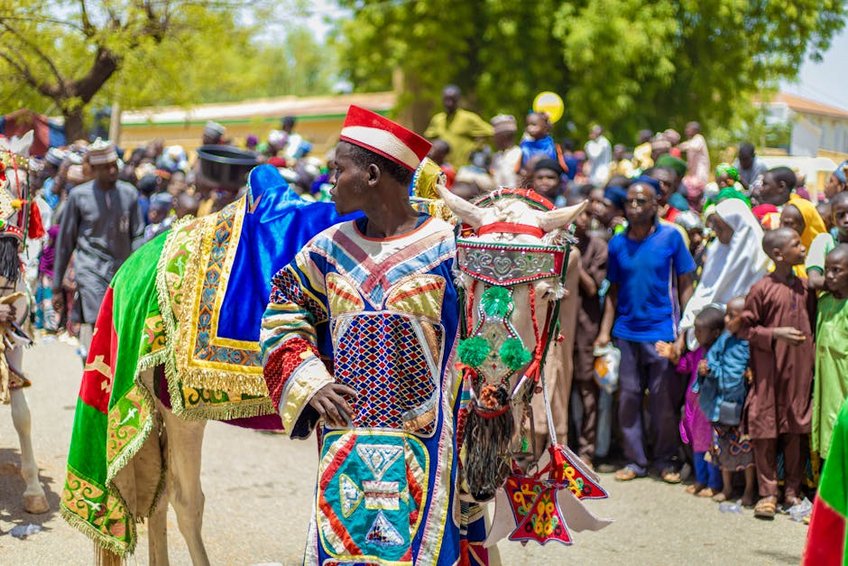 Alt: “bishkek-city-center-ala-too-square-nomadic-culture” Food, Culture, and Local ExperiencesKyrgyz cuisine is hearty and meat-centric, a reflection of its nomadic heritage. Beshbarmak, the national dish of boiled meat (usually horse or lamb) with handmade noodles and onion sauce, is a must-try. You’ll also find an abundance of plov (rice pilaf), manti (steamed dumplings), and shashlik (grilled meat skewers) at street stalls and restaurants alike. Kyrgyz culture places high value on hospitality, known as “konoktoo.” It’s common to be invited for tea or a meal, and accepting is a sign of respect. The traditional felt carpets called “shyrdaks,” with their symbolic patterns, are iconic handicrafts. Experiencing a meal inside a yurt, even a restaurant replica, completes the cultural immersion started at the horse games. Local Cuisine and Must-Try DishesStart with Beshbarmak, traditionally shared from a communal plate, symbolizing unity. For a unique festival-era experience, try “kazy,” a horse meat sausage that is considered a delicacy. Samsy, flaky pastries filled with meat and onions, are the perfect portable snack to grab on your way to the hippodrome. Pair meals with “kymyz” (fermented mare’s milk) if you’re feeling adventurous. For authentic food, visit the Osh Bazaar for a sensory overload and cheap, fresh eats. Restaurants like Faiza or Supara offer excellent traditional cuisine in a comfortable setting. A meal at a decent local restaurant typically costs between $5-15 USD per person. Vegetarians will find options limited but can seek out “lagman” (noodle soup) or “samsy” with potato filling. Cultural Tips and EtiquetteDress modestly when visiting the festival or religious sites; covering shoulders and knees is recommended. When invited into a home or yurt, remove your shoes at the entrance. Greetings are important—a handshake is common, sometimes followed by placing the right hand over the heart. Always use your right hand for giving and receiving items, including food. Tipping is not a deeply ingrained custom but is appreciated in restaurants (5-10%) and by taxi drivers (rounding up the fare). At the festival, be respectful when photographing participants; ask for permission with a gesture before taking close-up portraits. Avoid pointing the soles of your feet at people when sitting on the ground, as it’s considered rude. Exploring Beyond the FestivalExtend your trip with a visit to Ala-Archa National Park, located just 40 kilometers from Bishkek, for stunning mountain scenery and hiking. Consider a day trip to the Burana Tower, an 11th-century minaret near Tokmok, to see the ancient Balasagun site and its collection of stone “balbals.” These excursions provide context to the nomadic history celebrated at the horse games. For a deeper dive, travel to Lake Issyk-Kul, one of the world’s largest alpine lakes, where you can find smaller, more rural versions of equestrian festivals in nearby villages during the summer. This contrast between the grand national spectacle in Bishkek and the local village gatherings highlights the pervasive role of horses and traditions throughout all of Kyrgyzstan. Sources and ReferencesFrequently Asked QuestionsWhen is the best time to visit Bishkek for the Horse Games Festival?Target late August, as the festival most frequently occurs then, often around Independence Day (August 31st). Daytime temperatures are ideal, between 75-85°F (24-29°C), with minimal rain. Confirm exact dates on official tourism websites 3-4 months prior, as the schedule can shift slightly from year to year. How much does attending the Bishkek Horse Games Festival cost?The festival itself is affordable, with daily tickets costing $5-15 USD. A realistic daily budget including mid-range lodging, meals, and local transport ranges from $80-$150 per person. Luxury experiences with private guides and premium seating can cost $200+ per day. Your largest expense will be your international flight to Bishkek. How many days do you need for the Bishkek Horse Games Festival?Plan for 3-4 full days in Bishkek to properly experience the equestrian festival. Dedicate one full day to the festival at the hippodrome. Use the other days for exploring Bishkek’s culture, markets, and perhaps a day trip to Ala-Archa National Park to see the stunning Kyrgyz mountain landscapes. How do you get to the Bishkek Horse Games Festival?Fly into Manas International Airport (FRU), which has connections via Istanbul, Moscow, and Dubai. The festival takes place at the Bishkek Hippodrome. From your city hotel, use the Yandex Taxi app for a direct ride (15-20 minutes). You can also ask your hotel to arrange a fixed-price taxi for the day. Where should you stay for the Horse Games Festival in Bishkek?Stay in central Bishkek near Ala-Too Square or along Chui Avenue for the best access to restaurants and transport. This area is a convenient 15-20 minute taxi ride from the hippodrome. Book a hotel like the Garden Hotel or Hyatt Regency 2-3 months in advance, as accommodations fill quickly around the event dates. Is Bishkek safe for travelers attending the festival?Yes, Bishkek is generally safe for travelers, with a low crime rate against tourists. Practice standard precautions: be aware of your belongings in crowded places like the festival or Osh Bazaar, use official taxis, and avoid walking alone in poorly lit areas at night. The festival grounds are family-oriented and well-patrolled. Do you need special preparation for the Horse Games Festival?Yes, prepare for a full day outdoors. Essential items include strong sunscreen, a hat, sunglasses, a reusable water bottle, and comfortable walking shoes. Download offline maps and translation apps. While no special vaccinations are required, ensure your routine travel immunizations are up-to-date and consider travel insurance with medical coverage. Final Thoughts on the Equestrian CelebrationThe Bishkek Horse Games Festival delivers an authentic and thrilling window into the soul of Kyrgyz nomadic culture through its spectacular equestrian competitions and communal atmosphere. Your visit will be most rewarding with advance planning for late summer dates, securing central accommodations, and preparing for a full day at the hippodrome. Attending the Kyrgyzstan Bishkek Horse Games Festival connects you directly to a living tradition where skill, heritage, and community converge on the Central Asian steppe.  Related StoriesComments Pellentesque et felis ut nisi dapibus tempor. Curabitur tempor efficitur nisl nunc. Nunc feugiat mi tellus, a feugiat tempor consequat ac nisi dapibus tempor. Quick Access |

