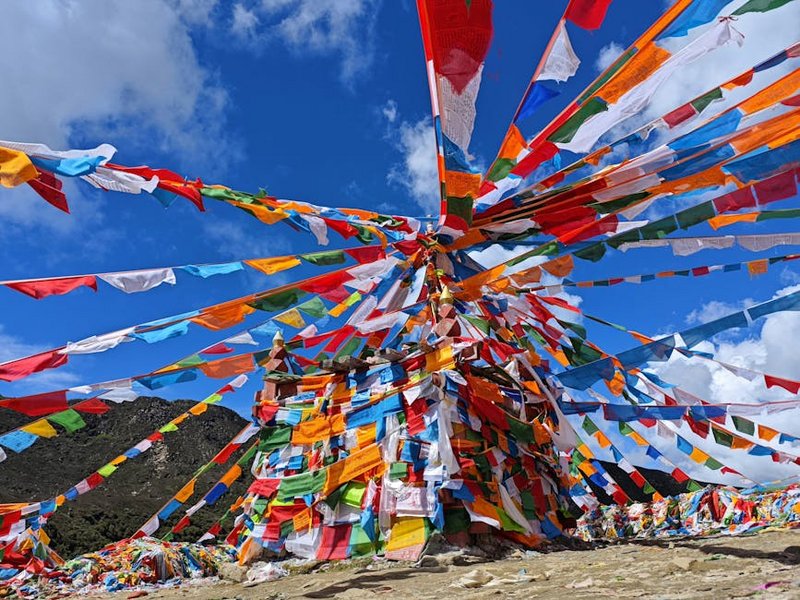
Tibet Monlam Great Prayer Festival: A Spiritual Spectacle in Lhasa
The Tibet Monlam Great Prayer Festival is the year’s most significant religious event, drawing thousands of monks and pilgrims to the capital for 15 days of profound ceremonies. Occurring after the Tibetan New Year, or Losar, it transforms Lhasa into a vibrant hub of devotion, featuring masked dances, philosophical debates, and massive butter sculpture displays. This guide provides the essential details for planning your visit, understanding the rituals, and respectfully experiencing this unparalleled cultural event.
Essential Festival Information and History
The Monlam Chemno, or Great Prayer Festival, was established in 1409 by Tsongkhapa, the founder of the Gelug school of Tibetan Buddhism. Its primary purpose is to pray for the long life of all spiritual teachers, the spread of the Buddha’s teachings, and world peace. The event commemorates the miracles Buddha Shakyamuni performed in the city of Shravasti to increase the faith of his followers.
Today, the festival is centered at the Jokhang Temple, Tibet’s most sacred shrine, and the adjacent Barkhor Square. The period is marked by intense spiritual activities, including the reading of sacred texts by thousands of monks from the three great Gelug monastic universities: Sera, Drepung, and Ganden. For pilgrims, attending Monlam is believed to generate immense spiritual merit.
Key Historical Significance
Understanding its origins enriches the experience. The festival was founded to strengthen the Buddhist community during a critical period.
- Tsongkhapa initiated the event to revitalize monastic discipline and scholarship, leading to daily teachings and debates that continue today.
- Historically, the festival included exams for the highest Geshe degree, with public debates held in the temple courtyard under the watchful eyes of senior lamas.
- The Butter Sculpture Exhibition, or Torma, originated here, symbolizing an offering to the deities with intricate, ephemeral art made from dyed butter.
- Budget Group Tour ($1,800-$2,500): Includes Tibet permits, basic lodging in Lhasa, a shared guide, and transport to major sites. Meals are often not included, and you’ll join a larger group for festival viewing. Ideal for travelers comfortable with simple accommodations.
- Mid-Range Private Tour ($3,000-$4,500): Covers permits, 3-star hotels, a private vehicle and guide with deep festival knowledge, and most meals. This offers flexibility in your daily schedule and better access to informed commentary on the rituals you witness.
- Luxury Cultural Journey ($5,500+): Features permits, 4-5 star hotels like the St. Regis Lhasa, expert scholar-guides, exclusive access to certain viewpoints, and curated cultural interactions. This tier focuses on deep immersion and comfort in the harsh winter climate.
- Tibet Travel & Tours – A Local Tibet Travel Agency
- Lonely Planet Tibet Travel Guide
Core Spiritual Activities
The daily schedule is rigorous and awe-inspiring. From dawn, the sound of chanting fills the air around the Jokhang Temple.
Monks engage in synchronized prayer sessions, reciting texts from the Kangyur and Tengyur. The philosophical debates in the afternoon are a dramatic highlight, where monks test their logic and understanding of Buddhist doctrine with forceful hand claps and stomps. For visitors, these debates offer a captivating window into Tibetan Buddhist pedagogy and intellectual rigor.
Modern Context and Attendance
While deeply traditional, the festival operates within a specific modern context. Attendance has grown significantly, with domestic pilgrims from across the Tibetan plateau joining the monastic community.
International visitors are welcome but must navigate specific travel regulations for the Tibet Autonomous Region. The presence of security is noticeable, and all events proceed on a published schedule managed by local authorities. Respectful observation is the key for any foreign guest attending these sacred ceremonies.
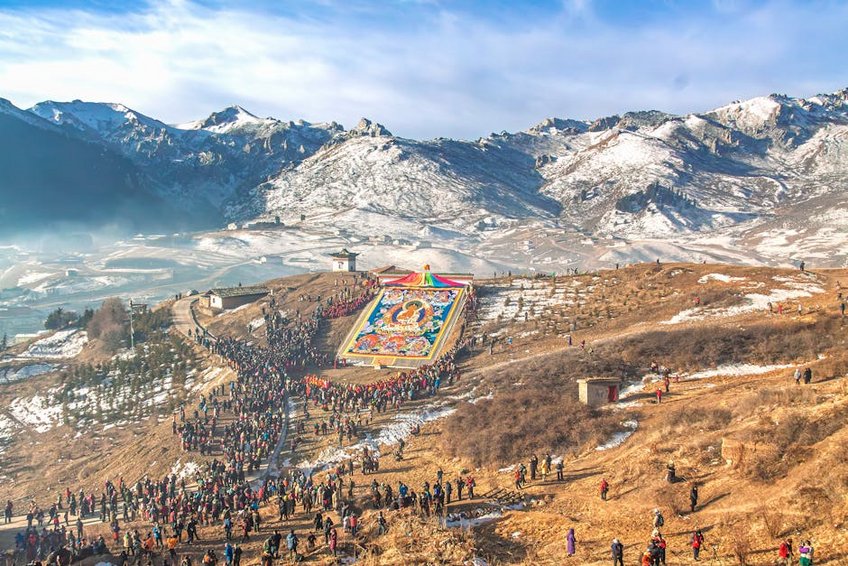
Alt: “jokhang-temple-monlam-festival-monks-chanting-barkhor-square”
Tibet Monlam Great Prayer Festival – Planning Your Trip
Attending the Monlam Great Prayer Festival requires careful planning due to its winter timing, religious significance, and regional travel restrictions. Your journey hinges on securing the necessary permits well before booking flights or hotels. The festival dates shift yearly, aligning with the first lunar month; it typically falls in February or March, so you must verify exact dates for your target year.
Budgeting should account for higher winter travel costs and potential premium pricing for Lhasa accommodations during this peak event. Prioritize booking a reputable tour operator licensed for Tibet tourism, as they handle the mandatory Tibet Travel Permit, which is impossible to obtain independently. Experiencing the Tibet Monlam Great Prayer Festival successfully depends on this logistical groundwork.
Best Time to Visit for the Festival
The festival occurs during the first Tibetan lunar month, generally corresponding to February or early March. This is deep winter in Lhasa, with daytime temperatures ranging from 46-54°F (8-12°C) but plunging to 23°F (-5°C) at night. The skies are typically crystal clear, offering brilliant sunshine, but the air is dry and cold.
While this is the coldest tourist season, it is the spiritual peak for pilgrimage. Crowds are immense, primarily consisting of Tibetan pilgrims. For comfortable viewing of outdoor events, pack for sub-freezing mornings. The upside is the avoidance of the summer tourist rush, providing a more authentic, community-focused atmosphere despite the chill.
Budget Planning and Costs
A trip to Monlam varies widely based on tour style and group size. All prices require a licensed tour operator.
Essential Preparation Checklist
Packing for a winter high-altitude festival is crucial. Bring layered clothing: thermal base layers, a fleece mid-layer, and a down jacket rated for freezing temperatures. Sturdy, insulated waterproof boots are essential for standing on cold ground for hours. Include sunglasses, a warm hat, and high-SPF sunscreen due to the intense sun.
Documentation is your first step. You need a Chinese visa and a Tibet Travel Permit, arranged by your tour operator. Book your tour at least 3-4 months in advance. Acclimatize properly in Lhasa for 2-3 days before festival events begin to avoid altitude sickness. Carry lip balm, hand cream, and moisturizer to combat the extremely dry air.
Top Rituals and Festival Attractions
The festival schedule is packed with symbolic events, each with deep meaning. The main activities unfold at the Jokhang Temple and Barkhor Square, creating a continuous flow of spiritual energy. Pilgrims circumambulate the temple constantly, turning prayer wheels and prostrating themselves along the sacred path.
Beyond the large-scale prayers, look for smaller, poignant moments like pilgrims offering butter lamps or elderly devotees murmuring mantras. The atmosphere is one of collective devotion, where the line between spectator and participant blurs amidst the chanting and the scent of juniper incense.
Must-See Highlights
The Butter Lamp Festival, held on the 15th day, is the visual climax. Monks create astonishingly detailed sculptures from colored yak butter, depicting deities, flowers, and symbols. These are displayed around the Barkhor at night, illuminated by countless butter lamps—an ephemeral art form that melts away by morning.
The Thangka Unveiling ceremony is another key event. A gigantic embroidered image of the Buddha is displayed on a special wall at Drepung Monastery. Pilgrims receive blessings at this sacred moment at dawn. The Cham dances, performed by monks in elaborate masks and costumes, are dramatic rituals meant to dispel evil forces and bring good fortune for the new year.
Hidden Gems and Local Experiences
Venture to the monastic universities on the outskirts of Lhasa. During Monlam, Sera Monastery’s debate courtyard is even more animated than usual. Observing these rigorous intellectual contests offers a profound understanding of Tibetan Buddhist scholarship.
Visit a local tea house frequented by pilgrims. Sharing a pot of sweet milk tea provides warmth and a chance for quiet cultural exchange. Explore the lesser-visited chapels within the Jokhang Temple complex early in the morning before the main crowds arrive for a moment of serene observation.
Photography and Etiquette Tips
Photography requires extreme sensitivity. Always ask for permission before photographing people, especially monks or praying pilgrims. Using a long lens to capture scenes from a distance is more respectful than intruding with a camera phone.
Flash photography is prohibited during indoor rituals and often during outdoor ceremonies. Your guide will advise on specific no-photography zones. The primary rule is to prioritize the sacred nature of the event over getting the perfect shot. Your presence should be unobtrusive.
Practical Travel Information for Lhasa
Reaching Lhasa for the festival involves specific routing. You must first enter mainland China, typically through Beijing, Shanghai, or Chengdu, and then take a flight or train to Lhasa. The Qinghai-Tibet Railway is a spectacular journey but requires booking tickets months in advance for this period.
Accommodation in Lhasa ranges from basic guesthouses to international luxury hotels. Staying within walking distance of the Barkhor Square is ideal for festival access, as roads are frequently closed to traffic. Book your hotel as soon as your tour is confirmed, as rooms fill quickly for Monlam.
| Category | Options/Features | Price Range (USD per night) |
|---|---|---|
| Budget Guesthouse | Basic room, shared bathroom, central Barkhor location, no elevator. | $25 – $50 |
| Mid-Range Hotel | 3-star, private bathroom, heating, on-site restaurant, tour booking help. | $80 – $150 |
| Boutique Tibetan Hotel | Traditional decor, courtyard, renovated building, modern amenities. | $120 – $200 |
| International Luxury | 5-star (e.g., St. Regis), oxygenated rooms, spa, multiple restaurants, shuttle service. | $250 – $400+ |