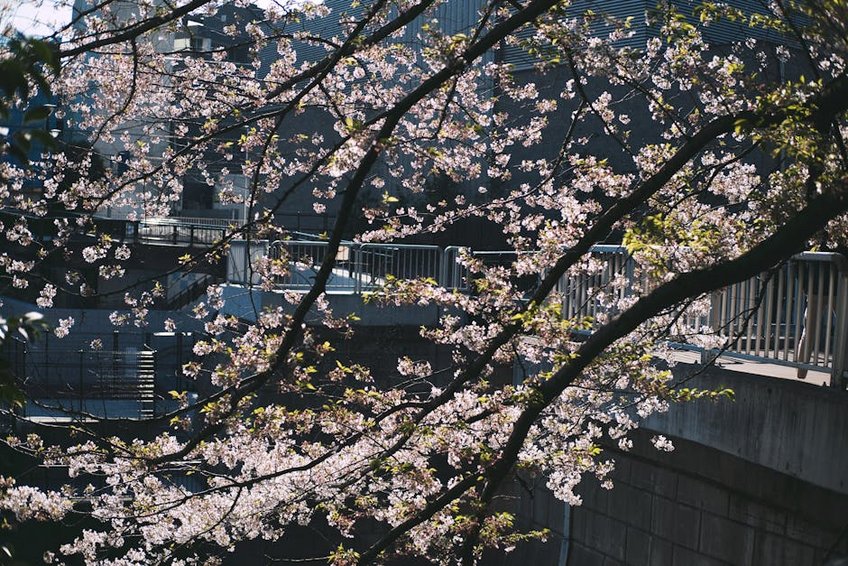
Japan Okinawa Early Cherry Blossoms: Your Guide to the First Bloom
Witnessing Japan Okinawa early cherry blossoms offers a unique travel opportunity, blooming as early as mid-January while the mainland remains in winter’s grip. This subtropical archipelago provides your first chance of the year to experience hanami, the cherished cherry blossom viewing tradition, against a backdrop of warm temperatures and vibrant culture. This guide covers the best viewing locations, timing strategies, and cultural insights to perfectly plan your floral getaway to the country’s southernmost islands.
Understanding Okinawa’s Unique Bloom
The early sakura season in Okinawa is a distinct botanical event. Unlike the Somei Yoshino variety that paints mainland Japan pink in spring, Okinawa primarily features the vibrant crimson-hued Kanhizakura tree. This subtropical cherry tree species has adapted to the region’s warmer climate, triggering its bloom cycle with cooler winter temperatures rather than spring warmth.
Historically, cherry blossom viewing in Okinawa is intertwined with the lunar new year and local agrarian traditions. The blooms signal a time for prayer and celebration for a prosperous year ahead. This cultural nuance adds a layer of meaning beyond the visual spectacle found in places like Kyoto or Tokyo.
Key Differences from Mainland Hanami
Planning for Okinawa’s blossom season requires a different approach. The experience contrasts sharply with the famous sakura spots of Honshu.
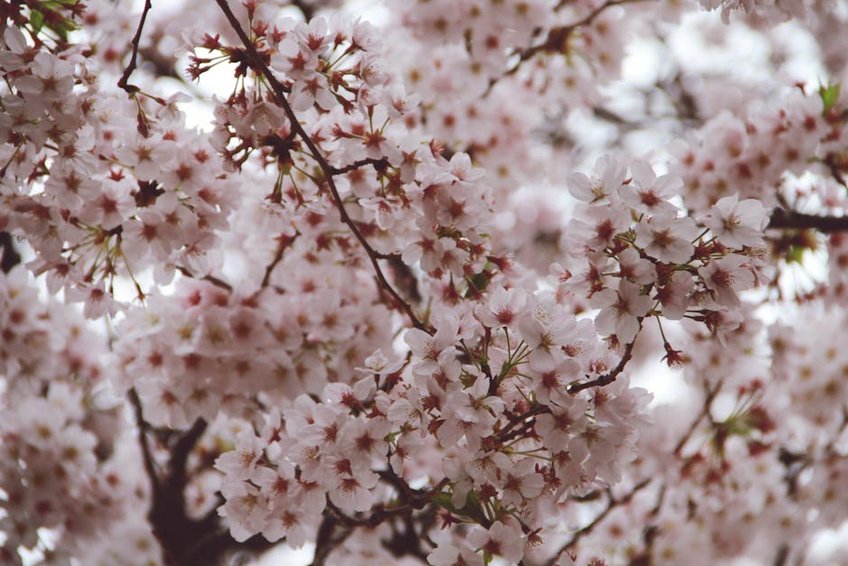
- The Kanhizakura blossoms are smaller, deeper pink, and bell-shaped compared to the pale pink, five-petal blooms seen in Tokyo. Viewing occurs in forested mountain areas and parks rather than lining city rivers.
- The season is less predictable and more susceptible to weather shifts like typhoon remnants. The atmosphere is often more locally-focused and tranquil than the massive, festive hanami parties of Ueno Park.
- You will experience warmer weather, with daytime temperatures typically ranging from 60°F to 70°F (16°C to 21°C), allowing for lighter clothing during your outdoor explorations.
- Budget travelers can aim for $1,200-$1,800 per person for a 7-day trip. This uses hostels or business hotels ($70-$100/night), local buses and shared transfers, and meals at convenience stores or local noodle shops. Focus on free viewing locations like public parks.
- Mid-range visitors should budget $2,500-$3,500. This allows for comfortable hotels or ryokan stays ($150-$250/night), a rental car for a week ($350-$500), and daily meals at sit-down restaurants. It includes entry fees to castle parks and festival experiences.
- A luxury experience costs $5,000+ per person. This features stays at premium resorts like the Ritz-Carlton or Halekulani ($400+/night), private guided tours to hidden bloom spots, and fine dining with kaiseki meals. It includes flexible flight changes to align perfectly with bloom forecasts.
- Okinawa Tourist Information
- Japan Guide: Okinawa Cherry Blossoms
Prime Viewing Locations Overview
Bloom times vary slightly across Okinawa’s islands. The northern part of the main island and the more remote Yaeyama Islands often see the first flowers. Mount Yaedake on the Motobu Peninsula is consistently the earliest spot, with blossoms frequently appearing in mid-January.
Meanwhile, Nago Central Park and Naha’s parks may bloom a week or two later. This staggered schedule allows for island-hopping itineraries focused on chasing the peak bloom across different locations over a two-week period.
The Cultural Significance of Sakura
In Okinawa, the cherry blossom holds a place in local folklore and history. The trees were traditionally planted near utaki (sacred sites) and castles, like Nakijin Castle ruins. Viewing them is considered a hopeful start to the year.
Many local festivals, like the Yaedake Cherry Blossom Festival, feature traditional Ryukyuan music and dance performances alongside food stalls. This creates a culturally immersive experience that connects the natural beauty directly to Okinawa’s unique heritage.
| Viewing Location | Peak Bloom Period | Key Features & Atmosphere | |||||||||||||||
|---|---|---|---|---|---|---|---|---|---|---|---|---|---|---|---|---|---|
| Mount Yaedake, Motobu | Mid-January to Early February | Earliest blooms, mountain road lined with trees, festival with food stalls. | |||||||||||||||
| Nago Central Park | Late January to Mid-February | Family-friendly park setting, illuminated trees at night, easy accessibility. | |||||||||||||||
| Nakijin Castle Ruins | Late January to February | Historical atmosphere, blossoms against ancient stone walls, UNESCO site. | |||||||||||||||
| Yaeyama Islands (Ishigaki) | Early to Late February | Tropical island backdrop, less crowded, combines beach and blossom viewing. |
| Accommodation Area | Best For | Average Nightly Rate (USD) |
|---|---|---|
| Nago City | Proximity to Mt. Yaedake & Nago Park, good dining. | $90 – $200 |
| Onna Village | Beach resort comforts, mid-point location for north/south exploration. | $150 – $400 |
| Naha City | Airport convenience, urban amenities, nightlife. | $70 – $180 |
| Ishigaki Island | Combining late blossoms with tropical beaches and diving. | $100 – $300 |