

Malaysia Borneo Orangutan Fruit Season
Witnessing orangutans in their natural rainforest habitat is a profound wildlife encounter. Timing your visit to coincide with the Malaysia Borneo orangutan fruit season dramatically increases your chances of remarkable sightings. This guide details the fruiting cycles, optimal travel months, and expert tips for planning your most rewarding primate adventure.
Essential Borneo Rainforest Information
Borneo, the world’s third-largest island, is shared by Malaysia, Indonesia, and Brunei. The Malaysian states of Sabah and Sarawak contain vast protected rainforests that are primary orangutan territory. These complex ecosystems are governed by ancient natural rhythms that dictate wildlife behavior.
Orangutans, meaning “person of the forest” in Malay, are highly intelligent great apes. Their survival is intricately linked to the health of the rainforest and its food sources. Understanding this connection is key to a respectful and successful observation experience.
Understanding Orangutan Ecology
Orangutans are primarily frugivorous, meaning fruit makes up over 60% of their diet.
- They are known as “gardeners of the forest” for their role in seed dispersal across vast areas.
- Their large body size requires a substantial daily calorie intake from ripe, sugary fruits.
- During low-fruit periods, they supplement with bark, leaves, and insects, becoming harder to spot.
- Budget: $1,200-$1,800 for 7 days. Includes shared dorm lodges, group tours from Sandakan, and public transport. Focus on the Sepilok Rehabilitation Centre and lower Kinabatangan river lodges.
- Mid-Range: $2,500-$3,800 for 7-10 days. Features private rooms in jungle lodges like Sukau Rainforest Lodge, private boat safaris, and guided treks in Danum Valley Field Centre. This offers the best value for dedicated wildlife viewing.
- Luxury: $5,000+ for 10 days. Includes stays at Borneo Rainforest Lodge in Danum Valley, private guide and vehicle throughout, charter flights to remote airstrips, and specialized photography guides. This provides exclusive access and maximum flexibility.
- Sabah Tourism Board Official Site
- World Wildlife Fund – Borneo
The Rainforest’s Fruiting Cycles
Dipterocarp rainforests do not fruit continuously. Instead, they experience synchronized community-wide fruiting events known as “mast fruiting.” These events are triggered by specific climatic conditions like slight dips in nighttime temperatures. The cycles create periods of incredible abundance followed by relative scarcity for all forest animals.
Fruiting can vary between regions and even individual valleys. Localized rainfall patterns significantly influence which trees produce fruit. This means fruiting seasons are somewhat predictable but never guaranteed, adding an element of natural mystery to your trip.
Key Conservation Areas
Sabah’s Danum Valley and the Kinabatangan River floodplain are world-class observation sites. Sarawak’s Batang Ai National Park and Semenggoh Wildlife Centre also support semi-wild populations. Each area offers a different experience, from pristine wilderness to managed rehabilitation zones.
Conservation is paramount, as all Bornean orangutans are critically endangered. Tourism revenue directly funds protection, research, and anti-poaching patrols. Your visit contributes to these vital efforts when you choose ethical, licensed operators.
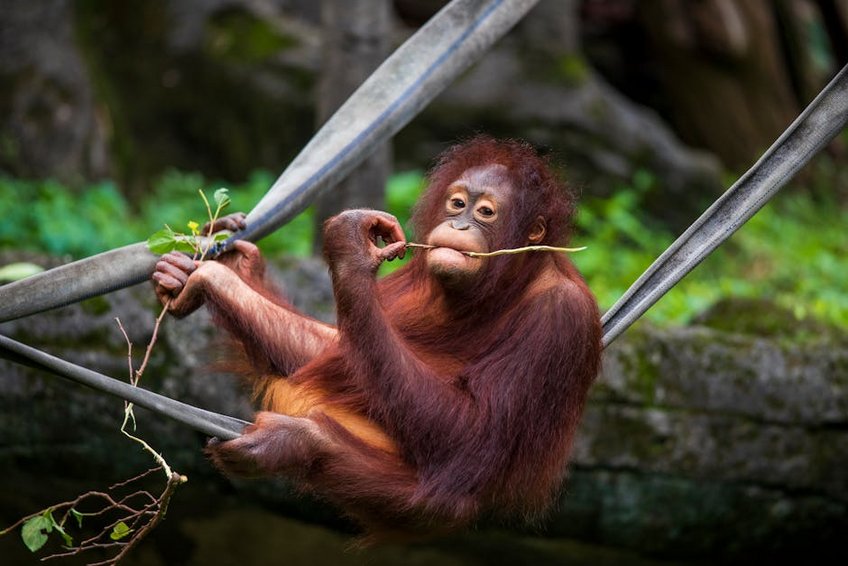
Alt: “borneo-rainforest-orangutan-feeding-on-wild-figs”
Malaysia Borneo Orangutan Fruit Season – Planning Your Trip
The peak Malaysia Borneo orangutan fruit season generally spans from June through September. This period coincides with drier weather in Sabah and Sarawak, creating ideal travel conditions. Planning around this window maximizes your opportunity to see active, feeding orangutans.
You should book guided tours and lodges at least four to six months in advance for this popular period. Demand is high among wildlife photographers and enthusiasts. Securing your spot early ensures access to the best guides and preferred accommodation.
Consider a trip duration of 7-10 days to account for travel to remote interior regions. It also allows flexibility if fruiting is slightly delayed in one area. A longer stay increases your overall chances of unforgettable encounters during this dynamic season.
Best Time to Visit for Fruit Season
The absolute peak for fruit abundance and orangutan activity is typically July and August. Daytime temperatures range from 85°F to 95°F (29°C to 35°C) with high humidity. Nighttime brings relief, cooling to around 73°F (23°C).
Shoulder months like June and September still offer excellent prospects with slightly fewer visitors. The late spring months of April and May can be unpredictable, with some early fruiting possible. The wet season from November to March sees far less fruit and more challenging trekking conditions.
Budget Planning and Costs
A trip focused on the fruiting season involves costs for permits, guides, and remote lodges.
Essential Preparation Checklist
Pack lightweight, quick-dry clothing in muted colors like green, brown, or grey. Sturdy, broken-in waterproof hiking boots are non-negotiable for muddy trails. Essential gear includes high-DEET insect repellent, a headlamp, and dry bags for electronics.
You must secure travel insurance covering emergency evacuation from remote areas. Check visa requirements, though most Western nationals receive a 90-day stamp on arrival. Visit a travel clinic for recommended vaccinations like Hepatitis A and Typhoid at least one month before departure.
Top Wildlife Experiences and Attractions
Beyond orangutans, Borneo’s rainforests teem with unique biodiversity during the fruiting season. This abundance attracts a wide array of other species to feeding trees. Your visit becomes a comprehensive wildlife safari in one of Earth’s oldest ecosystems.
Guided night walks reveal a completely different set of creatures, from slow lorises to western tarsiers. River safaris along the Kinabatangan offer perspectives impossible to see from the forest floor. Each activity complements your search for orangutans with broader ecological understanding.
Must-See Highlights
The Danum Valley Conservation Area offers the gold-standard wilderness experience. Its 130-million-year-old forest hosts one of the highest densities of wild orangutans. You need a minimum two-night stay to properly explore its trails and canopy walkways.
The Kinabatangan River Wildlife Sanctuary provides accessible wildlife viewing from small boats. Proboscis monkeys, pygmy elephants, and crocodiles are commonly seen along the riverbanks. Morning and evening cruises are the prime activity here, often combined with a lodge stay in Sukau or Bilit.
Sepilok Orangutan Rehabilitation Centre near Sandakan is a vital institution. While not wild, it allows guaranteed viewing of orangutans at scheduled feeding times. It’s an excellent educational introduction, especially if time in deeper forests is limited.
Hidden Gems and Local Favorites
Consider the Tabin Wildlife Reserve in eastern Sabah, known for its mineral salt springs (sali). Wildlife congregates at these natural licks, especially in the evenings. It’s less visited than Danum, offering a more solitary experience.
In Sarawak, the Batang Ai National Park region involves travel by longboat to Iban tribe homestays. Spotting truly wild orangutans here feels like a genuine discovery. The cultural immersion with the Iban community adds a rich, human dimension to your jungle adventure.
Photography and Observation Tips
A telephoto lens (at least 300mm) is essential for capturing clear images in the dense canopy. A monopod offers stability in boats and on trails without the bulk of a tripod. Patience is your greatest asset; guides often locate animals by sound before they are visible.
Silence and stillness increase your chances of observing natural behaviors. Loud noises cause orangutans to retreat deeper into the forest. Early mornings, just after dawn, are the most active feeding times for photography.
Practical Travel Logistics for Sabah and Sarawak
Reaching Borneo’s best orangutan habitats requires connecting through major air hubs. Kota Kinabalu (BKI) in Sabah and Kuching (KCH) in Sarawak are the primary international gateways. From there, you’ll take smaller domestic flights or long overland journeys to rainforest bases.
Accommodation ranges from basic research station hostels to world-class eco-lodges. All reputable lodges include full board (meals), guided activities, and transfers from a nearby meeting point. Electricity is often limited to evening hours, powered by generators or solar systems.
| Accommodation Type | Features and Location | Price Range Per Night (USD) |
|---|---|---|
| Eco-Lodge (Premium) | Private balcony, en-suite bathroom, expert resident guides, located within primary forest reserve. | $350 – $600 |
| Eco-Lodge (Standard) | Comfortable fan or AC room, shared guided activities, located near river or forest edge. | $150 – $300 |
| Riverside Lodge | Basic private cabin, focus on boat safaris, communal dining, simple facilities. | $80 – $140 |
| Research Centre Guesthouse | Shared bathroom, dorm or basic private room, self-guided trail access, academic atmosphere. | $25 – $60 |



