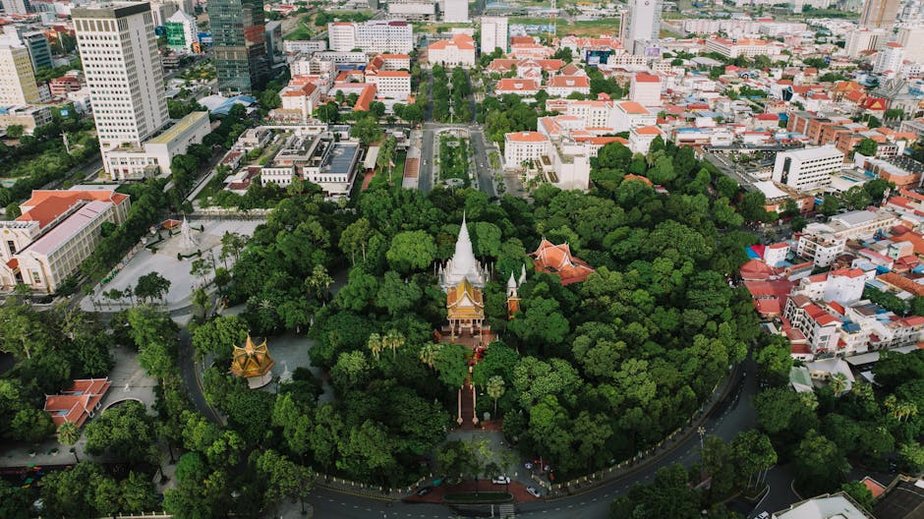
Cambodia Phnom Penh Royal Plowing Ceremony: Witness Ancient Agricultural Rituals
The Royal Plowing Ceremony in Phnom Penh is a spectacular public holiday marking the start of the rice-growing season. This centuries-old royal ritual, presided over by the King or his appointed representative, features sacred oxen predicting the year’s agricultural fortune. Your visit offers a profound glimpse into Cambodia’s deep cultural heritage, intertwining monarchy, mythology, and farming life in a vibrant display.
Essential Historical and Cultural Information
The Royal Plowing Ceremony, known locally as Preah Reach Pithi Chrot Preah Neanng Korl, dates back to the Angkorian era. It was revived in its modern form by King Norodom Sihamoni to reinforce national identity and agricultural traditions. This event symbolizes the monarchy’s connection to the land and its people, serving as a national prayer for bountiful harvests.
Held annually at the park in front of the National Museum, the ceremony draws thousands of spectators, from farmers to diplomats. It occurs on a varying date in May, determined by astrologers based on the lunar calendar. The ritual’s outcome is taken seriously, influencing government agricultural policy and farmer confidence nationwide.
The Ceremony’s Symbolic Components
Three sacred elements define this ancient ritual’s visual and symbolic power.
- Sacred Oxen: A pair of royal oxen are guided to plow a sacred furrow, then presented with seven trays of food and drink. Their selections foretell the coming harvest’s success, water availability, and potential for livestock disease.
- Royal Plow: Gilded and decorated, this ceremonial tool is used to trace three symbolic furrows. This act represents the King sowing the first seeds of the season, blessing the nation’s farmland.
- Seed Sowing: The “Lord of the Harvest” (His Majesty the King or a high official) scatters rice seeds from the previous year’s bounty into the freshly plowed earth, completing the cycle of growth and renewal.
- Budget Traveler ($35-$60/day): Stay in a hostel dorm or basic guesthouse, use remork-motos (tuk-tuks) for transport, and eat at local markets. Allocate $5 for a ceremony-day tuk-tuk and packed water/snacks.
- Mid-Range Traveler ($80-$150/day): Book a comfortable boutique hotel with air conditioning, enjoy restaurant meals, and hire a remork for half-day tours. Budget $20-$30 for a dedicated driver to navigate ceremony-day road closures.
- Luxury Traveler ($200+/day): Opt for 5-star riverside hotels with concierge services, fine dining, and private car transfers. Your hotel can provide expert guidance on the best private viewing areas and cultural context for the day’s events.
- Ministry of Tourism, Cambodia
- BBC News: Royal Plowing Ceremony Coverage
Modern Significance and National Impact
Beyond its spiritual roots, the festival has tangible economic and social impacts. The Ministry of Agriculture issues official guidance based on the oxen’s predictions. Cambodian media broadcasts the ceremony nationwide, making it a unifying cultural touchstone.
For international visitors, it represents a rare, unfiltered view of living Khmer tradition. The event underscores how ancient beliefs seamlessly coexist with modern governance. Your understanding of Cambodian society deepens by witnessing this unique interplay.
Location and Venue Details
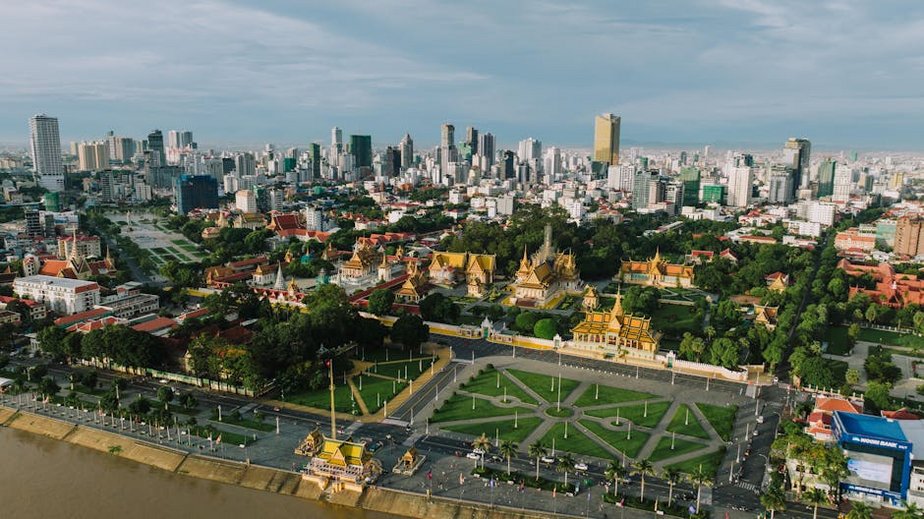
The ceremony unfolds at the ceremonial grounds between the National Museum and the Royal Palace. This open park area, known as Meru Field, allows for large public gatherings with clear views. Arriving at least 90 minutes before the announced start time is crucial for securing a good vantage point.
Security is prominent but unobtrusive, with clear pathways for the royal procession. Portable facilities are available, but amenities are basic. The urban setting means you can easily find refreshments nearby before or after the main event concludes.
Alt: “phnom-penh-royal-plowing-ceremony-oxen-sacred-ritual-field”
Cambodia Phnom Penh Royal Plowing Ceremony – Planning Your Trip
Attending this unique event requires precise timing and logistical awareness. The date is announced just weeks in advance by the Royal Palace, typically falling in early to mid-May. You must monitor official tourism sources and local news in late April to confirm the exact day and start time, usually in the morning.
Plan to spend three to four days in Phnom Penh to ensure you catch the ceremony and explore the capital. Accommodation near the riverside or in the Daun Penh district places you within walking distance of the venue. Booking your hotel two to three months ahead is advisable, as this period coincides with the start of the rainy season and can be popular.
Best Time to Visit Phnom Penh for the Ceremony
The ceremony occurs during the hot, wet month of May, offering a unique but challenging climate. Daytime temperatures range from 86°F to 95°F (30°C to 35°C) with high humidity. Morning thunderstorms are common, so carrying a compact rain poncho is essential.
Visiting in May allows you to witness this peak cultural event but expect warm, humid conditions. The shoulder months of November to February offer cooler, drier weather (77°F-86°F / 25°C-30°C) for general sightseeing but you will miss the royal ritual. Your priority determines the best travel window.
Budget Planning and Costs
Your expenses will focus on Phnom Penh accommodation and local transport, as the ceremony itself is free to attend.
Essential Preparation Checklist
Pack for hot, humid weather with sudden rain. Light, breathable cotton or linen clothing in respectful colors (covering shoulders and knees) is mandatory. Essential items include a wide-brimmed hat, sunscreen (SPF 50+), a reusable water bottle, and a small portable fan.
Ensure your passport has at least six months’ validity. Most Western nationals receive a 30-day tourist visa on arrival ($30 USD). Purchase travel insurance covering medical evacuation. Download local ride-hailing apps like Grab and a reliable offline map of central Phnom Penh for navigation.
Top Attractions and Ritual Highlights
While the plowing ritual is the centerpiece, the entire morning is filled with symbolic pageantry. The ceremony begins with a colorful royal procession featuring traditional musicians, palace guards in ceremonial attire, and Buddhist monks offering blessings. The atmosphere is one of solemn reverence mixed with public excitement, a truly captivating blend.
Following the oxen’s divination, attendees often rush forward to collect handfuls of the blessed rice seeds scattered on the field. Locals believe these seeds bring good luck and agricultural prosperity to their own homes. This lively participation transforms the event from a passive spectacle into an interactive cultural experience.
Must-See Ceremonial Highlights
The most anticipated moment is the oxen’s prophecy. The seven trays contain rice, corn, beans, grass, water, wine, and sesame. The choices made by the oxen are interpreted by royal Brahmins to predict the coming year’s harvest, rainfall, and stability.
The precision of the royal plowing itself is mesmerizing. The sacred oxen trace three perfect furrows in the sacred ground, a direct link to Angkorian traditions. The accompanying music from the pinpeat orchestra, using gongs and reed instruments, creates an unforgettable auditory backdrop steeped in history.
Hidden Gems and Local Favorites
After the ceremony, follow locals to nearby Wat Botum Park. Here, you’ll find smaller, informal gatherings where families discuss the predictions. Street vendors sell special snacks, like num ansom chek (sticky rice cake with banana), traditionally eaten during planting season.
For deeper insight, visit the Institute for Khmer Traditional Textiles a few days before. They often display replica ceremonial costumes. Engaging with staff provides context about the intricate silk and gold-thread robes worn during the procession, enhancing your appreciation on the main day.
Photography Etiquette and Tips
Photography is generally permitted, but respectful discretion is paramount. Avoid using flash during the solemn rituals, especially when the King or Brahmins are performing blessings. A zoom lens (70-200mm) is ideal for capturing details from a respectful distance without intruding on the sacred space.
Focus on capturing the details: the oxen’s ornate harnesses, the expressions of elderly farmers watching the prophecy, the vibrant colors of the royal umbrellas. Be mindful of your surroundings and avoid blocking the view of local attendees, for whom this event holds deep spiritual significance.
Practical Travel Information for Phnom Penh
Navigating Phnom Penh during this public holiday requires patience and planning. Many central roads around the Royal Palace are closed from early morning until the ceremony concludes. Your accommodation choice greatly impacts your mobility; staying within a 1.5 km radius allows for a manageable walk.
Local transportation like tuk-tuks (remorks) will still operate but may charge higher rates due to road detours. Agree on a price before departing. Ride-hailing apps like Grab often provide more reliable pricing and pickup locations during crowded events. Have your hotel’s name and address written in Khmer to show drivers.
| Accommodation Area | Pros and Features | Price Range/Night (USD) |
|---|---|---|
| Riverside (Sisowath Quay) | Walking distance to ceremony, best dining/view, tourist-friendly | $25 – $150+ |
| Daun Penh District | Central location, near markets & National Museum, authentic vibe | $15 – $80 |
| BKK1 (Boeung Keng Kang 1) | Upscale cafes, embassies, quieter streets, short tuk-tuk ride | $40 – $200+ |
| Toul Tom Poung (Russian Market) | Budget-friendly, fantastic local market, requires transport | $10 – $50 |