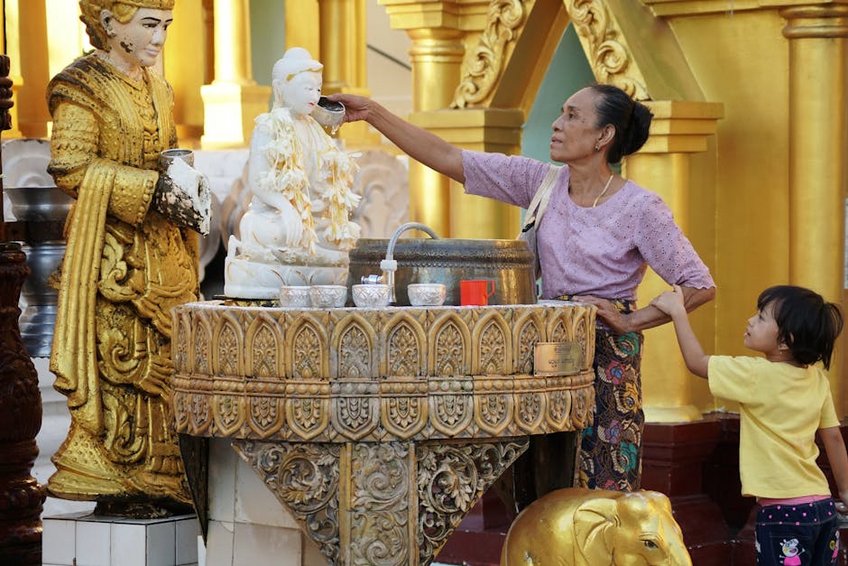
Myanmar Thingyan Water Festival
The Myanmar Thingyan Water Festival marks the traditional Burmese New Year with a nationwide, multi-day celebration of water throwing, music, and community. This vibrant event transforms the entire country into a joyful, soaking-wet street party where locals and visitors alike participate in washing away the previous year’s misfortunes. This guide details the festival’s cultural roots, provides essential travel planning strategies, and offers practical tips for experiencing this unique celebration safely and respectfully.
Essential Festival Information and Origins
Thingyan is the most significant holiday in the Burmese calendar, celebrated over four to five days in mid-April. The festival’s dates are determined by the ancient lunisolar calendar, typically falling on April 13th-16th, though the main public holiday period can extend slightly. The celebration welcomes the traditional Burmese New Year and coincides with the hot, dry season’s peak, making the water-throwing both symbolic and refreshing.
The festival’s core purpose is to cleanse and purify, symbolically washing away sins and bad luck from the old year. This ritual is deeply intertwined with Buddhist beliefs, where water is poured gently over elders and Buddha images as a sign of respect. The modern, exuberant street celebrations evolved from these more solemn religious rituals, creating a unique blend of spiritual reverence and unrestrained public fun.
Understanding the Festival Timeline
The celebration follows a structured multi-day format, each with its own significance. Knowing this schedule helps you plan your participation and expectations for each phase of the event.
- A-Kyo Nei (Day 0 – The Eve): This is the final day of the old year, often marked by more subdued preparations. People clean their homes, visit pagodas for prayer, and prepare food offerings. Public water play is minimal, creating a calm before the storm.
- A-Kya Nei (Day 1): The official New Year’s Day, when spirits are believed to descend to earth. Major water-throwing stages, called “pandals,” officially open. Activities start mid-morning and build in intensity throughout the day, with music and dancing.
- A-Kyat Nei (Day 2 & 3): The peak of the festivities. These two days are non-stop, all-day water fights. Streets are closed to regular traffic, replaced by procession floats, music trucks, and crowds of revelers armed with water guns, hoses, and buckets.
- A-Tet Nei (Day 4 – New Year’s Day): The spirits return to the heavens, and the water-throwing officially ceases. The day is reserved for quiet reflection, merit-making at pagodas, and visiting elders to pay respects, often involving the gentle pouring of scented water.
- Budget Traveler ($60-90/day): This covers a basic guesthouse bed booked far in advance ($25-40/night), local meals at open tea shops ($10-15/day), public bus transport between cities ($15-20 per journey), and minimal spending on a water gun and waterproof bag. Expect shared bathrooms and fan-only rooms.
- Mid-Range Traveler ($120-180/day): Allows for a private room in a mid-range hotel with air conditioning ($60-90/night), meals at a mix of local and tourist restaurants ($25-35/day), pre-booked taxi transport to festival zones ($10-15 per trip), and a better-quality waterproof camera case.
- Luxury Traveler ($250+/day): Includes stays at top international hotels like the Sule Shangri-La in Yangon ($150+/night), private car with driver for flexible festival access ($80-100/day), dining at high-end restaurants, and perhaps a guided cultural tour explaining the festival’s nuances.
- Myanmar Ministry of Hotels and Tourism
- Lonely Planet Myanmar Travel Guide
Key Cultural and Religious Roots
Thingyan’s origins are found in Hindu mythology, adapted into Burmese Buddhist culture centuries ago. According to legend, the King of the Brahmas lost a wager to the King of the Devas, resulting in his decapitation. His extraordinarily powerful head, if dropped on land, would cause it to burn; if dropped in the ocean, the seas would dry.
To prevent disaster, it was carried by a procession of celestial princesses (the “Thingyan Nat”) for a year at a time. The Burmese New Year marks the handover between princesses. The water-throwing symbolizes the washing away of the old princess’s presence and the welcoming of the new. This myth underpins the festival’s theme of transition, cleansing, and renewal, connecting ancient lore to modern celebration.
Regional Variations Across Myanmar
While the core celebration is nationwide, styles differ. Yangon’s festivities are the largest and most chaotic, centered around massive pandals on main thoroughfares like Kandawgyi Road and Inya Road. Mandalay offers a slightly more traditional atmosphere with grand processions. Inle Lake hosts celebrations on the water, with boats participating in the splashing.
Smaller towns like Bagan or Pyin Oo Lwin provide a more community-focused, less overwhelming experience. Understanding these differences is crucial for choosing your base. Yangon delivers non-stop urban energy, while regional centers offer a more intimate, culturally immersive version of the Burmese New Year.
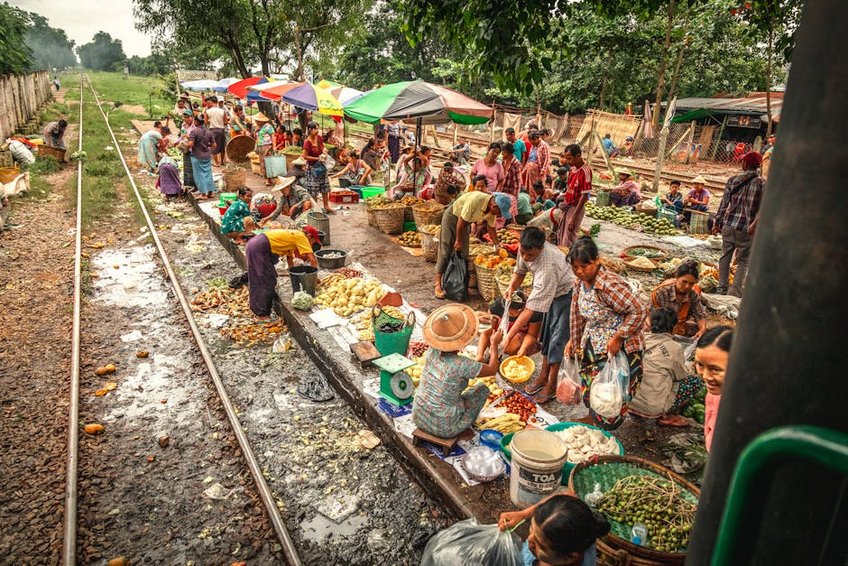
Alt: “yangon-thingyan-festival-water-throwing-street-crowd-celebration”
Myanmar Thingyan Water Festival – Planning Your Trip
Attending the Myanmar Thingyan Water Festival requires specific planning due to immense local travel demand and widespread business closures. This is Myanmar’s biggest holiday, so domestic transportation books solid months in advance, and many restaurants and shops shut for several days. You must secure international flights and domestic travel arrangements at least three to four months ahead of the April dates to avoid exorbitant prices and sold-out routes.
Your budget must account for premium pricing during this peak period. While the festival itself is free to enjoy, accommodation costs can double, and last-minute options vanish. A successful visit hinges on embracing the organized chaos—plan your logistics meticulously but be prepared to surrender to the unpredictable, joyous flow of the celebration once you’re there.
Best Time to Visit for the Festival
The festival is held annually in mid-April. The exact dates shift slightly each year based on the traditional calendar, but they consistently fall around April 13th-16th. This period marks the peak of the hot, dry season, with average daily highs of 95-100°F (35-38°C) and intense humidity. The water provides essential relief from the heat.
Arrive at least one day before A-Kyo Nei to settle in and witness the calm before the storm. The absolute peak for water fights is A-Kyat Nei (the middle two days). If you prefer to avoid the most intense crowds, consider basing yourself in a secondary city. Be aware that travel in the days immediately following Thingyan can still be challenging as people return to their hometowns.
Budget Planning and Costs
Costs surge during this peak holiday. Here’s a realistic budget breakdown for a 5-day trip centered on the festival.
Essential Preparation Checklist
Packing correctly is non-negotiable. You will get drenched continuously for multiple days. Essential items include quick-dry clothing (lightweight long sleeves protect from sun and water), waterproof sandals with grip, and multiple plastic bags for protecting phones, wallets, and passports inside your day bag. A high-quality waterproof phone case or dry bag is a critical investment.
Secure your Burmese visa well in advance—apply for an e-Visa online at least one month prior. Book all domestic flights (e.g., Yangon to Mandalay) immediately after booking your international tickets, as these routes sell out. Purchase comprehensive travel insurance that covers festival activities. Finally, get necessary vaccinations (Hepatitis A, Typhoid) and bring a basic first-aid kit and sunscreen with high SPF.
Top Experiences and Festival Activities
Beyond the ubiquitous water fights, Thingyan offers rich cultural performances and community events. Major cities erect elaborate temporary stages, or “pandals,” along main roads. These are sponsored by businesses or communities and feature live bands, traditional Burmese orchestras, and dance troupes performing non-stop. They are also the primary source of the powerful water hoses and showers that drench the crowds below.
Another key spectacle is the procession of decorative floats and music trucks, which parade slowly through the streets. These are often themed and carry local beauty queens, celebrities, and musicians. The atmosphere around these processions is electric, combining a parade, concert, and massive water fight into one immersive experience. Engaging respectfully with these activities forms the core of your Burmese New Year adventure.
Must-See Highlights and Pandals
In Yangon, the pandals on Kandawgyi Road and near Inya Lake are legendary for their size and energy. The area around Sule Pagoda and Maha Bandula Park becomes a central, pedestrian-only hub of celebration. In Mandalay, the processions along 80th and 35th Streets are magnificent, featuring ornate floats that reflect Mandalay’s royal heritage.
Watching the sunrise over the temples of Bagan on the morning of A-Tet Nei (New Year’s Day) is a profoundly serene contrast to the preceding chaos. Visiting Shwedagon Pagoda in Yangon during the festival period is also special, as you’ll see locals performing merit-making and the gentle *yay chan* (water-pouring) ritual on Buddha images, showcasing the festival’s spiritual heart.
Hidden Gems and Local Favorites
Venture into residential neighborhoods to see how local communities celebrate in a more familial, less touristy setting. You might be invited to share homemade festive snacks or participate in a gentle water blessing. Smaller towns like Pathein or Mawlamyine offer a chance to experience the festival without the overwhelming intensity of Yangon’s mega-pandals.
Seek out traditional *zat pwe* (open-air theater) performances that occur during the festival nights. These mix comedy, drama, and dance and are a beloved local entertainment. Visiting a local monastery on A-Tet Nei to offer food to monks is a meaningful way to participate in the New Year’s merit-making, providing a quiet cultural counterpoint to the public revelry.
Participating in the Water Throwing
Joining the water fight is expected and welcomed. You can purchase a large water gun or bucket from street vendors. Remember, the water is meant for fun and cleansing, not aggression. It’s customary to smile and playfully engage. Avoid soaking monks, police officers, people on motorcycles (for safety), or anyone who clearly does not want to participate.
Use clean water from the designated tanks at pandals. Throwing dirty or iced water is considered rude. The best approach is to wander the closed-off streets, embrace the spontaneity, and let the crowd’s energy guide you. You’ll find that locals are exceptionally friendly and often delighted to include respectful foreign visitors in their most important celebration.
Practical Travel and Logistics Guide
Travel logistics during Thingyan are the most challenging aspect. All forms of domestic transport—buses, trains, and especially flights—are packed with Burmese citizens traveling to their hometowns. Book every leg of your internal journey as early as possible. Many hotels have minimum stay requirements (e.g., 4-5 nights) during the festival period, and cancellation policies are strict.
Expect most businesses, including banks, museums, and many restaurants, to be closed for the core four days of the festival. Stock up on cash (ATMs may run out) and essential items beforehand. Plan your accommodation location strategically: staying within walking distance of major festival zones means you avoid the impossible task of finding transport during the celebrations.
| Accommodation Type | Best For & Features | Price Range (USD/Night) |
|---|---|---|
| Hostel/Guesthouse | Budget solo travelers; basic fan room, shared bath, social atmosphere. | $25 – $45 |
| Mid-Range Hotel | Couples/small groups; private AC room, ensuite bathroom, central location. | $65 – $110 |
| Business Hotel | Comfort-focused travelers; reliable amenities, swimming pool, on-site restaurant. | $120 – $180 |
| Luxury International | Premium service seekers; prime location, top facilities, concierge help. | $200+ |