Bhutan Punakha Spring Festival: Witness the Masked Dance Spectacle
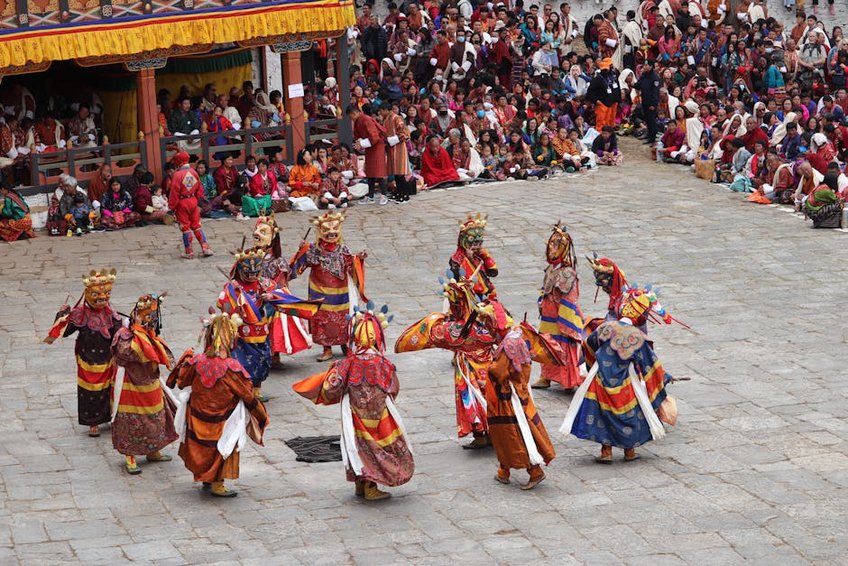
Each spring, the ancient Punakha Dzong comes alive with the vibrant and spiritual Punakha Festival, known locally as the Punakha Drubchen and Tshechu. This Bhutanese festival is a profound cultural spectacle, featuring intricate masked dances performed by monks and laymen that depict Buddhist teachings and celebrate the victory of good over evil. Visiting during this time offers a rare, unfiltered look into the living heritage of the Dragon Kingdom, set against the dramatic backdrop of the dzong at the confluence of two rivers. This guide details everything from securing permits to understanding the dances, ensuring your visit is both respectful and unforgettable.
Essential Festival and Cultural Background
The Punakha Spring Festival commemorates Bhutan’s 17th-century victory over Tibetan invaders, blending religious devotion with historical remembrance. It is held in the Punakha Dzong, the second oldest and largest dzong in Bhutan, which served as the capital until the 1950s. The fortress-monastery’s stunning architecture, with its whitewashed walls and golden spires, provides a majestic stage for the sacred performances, enhancing their spiritual significance for local attendees.
For travelers, the event is more than a performance; it’s an active religious ceremony where blessings are believed to be imparted to all who witness it. The atmosphere is one of devout celebration, with families dressed in their finest traditional attire, creating a vivid tapestry of color. Understanding this context transforms the experience from mere observation to one of cultural appreciation and connection.
What You Need to Know Before You Go
Attending this festival requires more planning than a typical Bhutan trip due to its popularity and spiritual nature.
- All travel to Bhutan must be arranged through a licensed tour operator, who will secure your visa, festival permits, and Sustainable Development Fee (SDF) payment, which is $100 per person per night.
- The festival dates change annually based on the lunar calendar, typically falling in February or March. Your operator will have the exact dates and will need to apply for your festival permit well in advance.
- Dress respectfully; while formal traditional dress (gho for men, kira for women) is not required for tourists, modest clothing that covers shoulders and knees is mandatory, especially within the dzong courtyard.
- Budget Option ($250-350 per night): This covers the mandated minimum, including 3-star accommodations, all meals, a licensed guide, private transport, and the SDF. During the festival, you’ll likely stay in simpler lodges in Punakha or nearby Wangdue. This option provides full cultural access with basic comfort.
- Mid-Range Option ($450-700 per night): This tier offers stays in higher-end 4-star hotels or boutique lodges in the valley, such as Dhumra Farm Resort or Zhingkham Resort. It often includes more experienced guides, better vehicles, and perhaps special cultural interactions, like a private archery demonstration. This is the best value for comfort and service during the busy festival period.
- Luxury Option ($1,000+ per night): For a premium experience, operators can book stays at properties like the famous COMO Uma Punakha, featuring luxurious villas with valley views. This package includes highly specialized guides, bespoke itineraries with private festival viewings from reserved areas, gourmet dining, and spa treatments, offering a serene retreat after bustling festival days.
- Bhutan Tourism Monitor
- Lonely Planet – Punakha Dzong Guide
Key Components of the Festival
The celebration is actually two events held consecutively. The Punakha Drubchen precedes the Tshechu and is unique for its dramatic re-enactment of the 17th-century battle, with local men playing the roles of ancient warriors. This is followed by the more common Tshechu, a series of religious masked dances. Each cham (masked dance) has a specific meaning, from subjugating evil spirits to illustrating moral parables.
The highlight for many is the unfurling of the thongdrol, a gigantic sacred tapestry, at dawn. It is displayed for only a few hours, and devotees believe that merely viewing it cleanses them of sin. Photographers should note that while photography is generally allowed in the courtyard, it is strictly forbidden during certain sacred dances and inside the temple where the thongdrol is stored.
The Spiritual Significance of the Dances
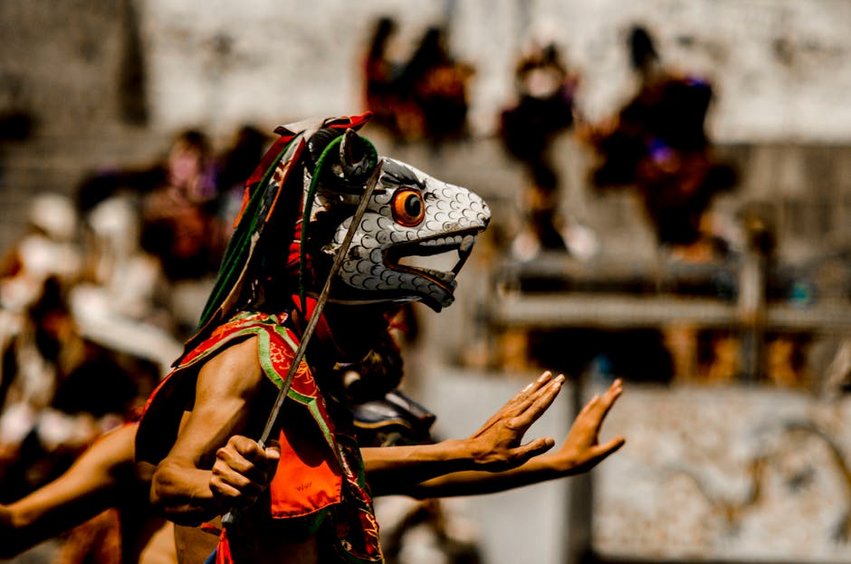
Every movement and costume in the cham dances holds symbolic importance. The dancers, often monks who have trained for months, enter a meditative state to channel deities. The terrifying masks of the wrathful deities are meant to ward off evil, while the graceful Atsara clowns provide comic relief and keep order among the crowd. Watching the rhythmic, almost trance-like dancing to the music of drums, cymbals, and long horns is a mesmerizing experience that connects you to centuries of uninterrupted tradition.
Alt: “punakha-dzong-courtyard-masked-dancers-spring-festival-bhutan”
Bhutan Punakha Spring Festival – Planning Your Trip
Successful attendance at this event hinges on meticulous preparation due to Bhutan’s regulated tourism model and the festival’s limited logistics. Booking with a licensed Bhutanese tour operator at least six to nine months in advance is crucial, especially for securing quality accommodations in Punakha, which are limited. Your operator will handle the visa, permits, SDF, guides, transport, and lodging, creating a seamless, all-inclusive package tailored to your interests.
The festival draws large crowds of both Bhutanese and international visitors. While this creates an energetic atmosphere, it means you should expect some congestion. Opting for a tour operator with experienced local guides is invaluable, as they can navigate the crowds, explain the rituals in real-time, and position you for the best views of key performances. They also ensure your presence is respectful and unobtrusive to the religious proceedings.
Plan for a minimum of three nights in Punakha to fully immerse yourself in the festivities without feeling rushed. This allows time to attend multiple dance sessions, witness the thongdrol ceremony at dawn, and also explore the stunning Punakha Valley separately. A well-planned Bhutan Punakha Spring Festival itinerary balances structured festival viewing with relaxed exploration of the surrounding countryside and temples.
Best Time to Visit for the Festival
The exact dates for the Punakha Drubchen and Tshechu shift each year according to the Bhutanese lunar calendar, but they consistently occur in late winter or early spring, typically in February or March. This period offers pleasant daytime temperatures ranging from 50°F to 68°F (10°C to 20°C), though mornings and evenings near the river can be chilly, dropping to around 41°F (5°C). The skies are generally clear, providing excellent conditions for photography and stunning views of the dzong.
Visiting during this window also means you’ll experience Bhutan at a beautiful time of year, with blooming spring flowers in the lower valleys. The crowds are substantial but manageable compared to the larger Thimphu Tshechu in autumn. Booking your entire trip through a tour operator a year in advance is advisable to guarantee flights into Paro and accommodation in Punakha.
Budget Planning and Costs
Bhutan operates a Minimum Daily Package rate, which includes almost all trip costs. Festival time does not change this baseline but can affect availability and choice.
Essential Preparation Checklist
Packing for Bhutan requires consideration for variable spring weather and cultural norms. Essential items include layered clothing—thermal base layers, fleece jackets, and a waterproof outer shell. Sturdy, comfortable walking shoes are a must for the dzong’s stone courtyards and valley hikes. For the festival itself, pack modest attire: long pants or skirts and shirts that fully cover shoulders. A small daypack for water, sunscreen, and a hat is useful.
Beyond gear, ensure your travel documents are in order. Your tour operator will secure your visa, but you need a passport valid for at least six months beyond your travel dates. Travel insurance with medical evacuation coverage is highly recommended. Inform your operator of any dietary requirements in advance. Finally, prepare for limited internet access in some areas and bring a power adapter for Bhutan’s Type D, F, and G outlets (230V).
Top Festival Experiences and Valley Attractions
While the masked dances are the centerpiece, the Punakha Valley itself is a major highlight of any Bhutan trip. The dzong is arguably the kingdom’s most beautiful, and the surrounding countryside offers serene hikes and important temples. Integrating these sights with your festival schedule creates a perfectly balanced journey. Your guide will help time your visits to avoid the peak festival crowds at popular spots like the famous suspension bridge.
Beyond watching the dances, engage with the local experience. Try the festival food from temporary stalls, where you might sample dishes like ema datshi (chili cheese stew) or momo dumplings. Interact respectfully with Bhutanese families who are picnicking; a smile and a polite “Kuzuzangpo” (hello) go a long way. Remember, you are a guest at a religious event, so maintain a quiet, observant demeanor during the most sacred parts of the performances.
Must-See Festival Highlights
The “Dance of the Black Hats” (Shana) is a powerful opening act, where dancers in elaborate black hats and robes perform rituals to subjugate evil forces. The “Dance of the Lords of the Cremation Grounds” (Raksha Mangcham) is a dramatic performance with skeletons and animal masks representing the impermanence of life. For many, the most poignant moment is the pre-dawn procession to see the thongdrol, where monks carry the giant appliqué thangka to its display point as devotees receive blessings.
Another key spectacle is the final day’s “Dance of the Eight Manifestations of Guru Rinpoche,” which honors the saint who brought Buddhism to Bhutan. Each manifestation has a distinct costume and mask, telling the story of his life and deeds. Arrive early with your guide to secure a good spot for these major dances, as the dzong’s main courtyard fills up quickly with locals who travel from across the region for this spiritual occasion.
Hidden Gems and Local Favorites
Venture slightly off the main festival grounds to discover quieter moments. Cross the longest suspension bridge in Bhutan, a 525-foot (160-meter) span over the Pho Chhu river, for breathtaking views of the dzong from the opposite bank. Visit the small Khamsum Yulley Namgyal Chorten, a beautiful temple perched on a hilltop ridge, reached by a one-hour hike through rice paddies and pine forests. The peace here contrasts beautifully with the festival energy.
For a truly local experience, ask your guide about visiting a farmhouse in the nearby village of Limbukha, known as the “village of the god of wealth.” You might be invited for a cup of suja (butter tea) and a chance to see traditional Bhutanese home life. The valley also has several smaller, less-visited temples like Sangchhen Dorji Lhuendrup nunnery, which offers panoramic views and a glimpse into the life of Buddhist nuns.
Punakha Valley Nature and Hikes
The valley’s mild spring climate is ideal for hiking. A gentle, scenic walk leads from the dzong to the Divine Madman’s Temple (Chimi Lhakhang), dedicated to the eccentric saint Drukpa Kunley. The trail winds through rice fields and past traditional homes adorned with painted phalluses, symbols of blessing. Another rewarding half-day hike is the trail to the Talo Monastery, passing through fragrant orange groves and offering serene views far from the festival crowds.
Practical Travel Information and Logistics
Reaching Punakha involves flying into Paro International Airport (PBH), the only international gateway to Bhutan. Flights are available from a handful of hubs like Bangkok, Kathmandu, Delhi, Singapore, and Dhaka. From Paro, it’s a 3 to 4-hour scenic drive to Punakha, crossing the Dochula Pass (10,200 ft/3,100 m). Your tour operator will provide a private vehicle and driver for this entire journey, which is part of your mandatory package.
Accommodation in Punakha ranges from basic guesthouses to ultra-luxury resorts. During the festival, options book up a year in advance, and your tour operator will secure your stay based on your chosen package level. Most properties offer a blend of traditional Bhutanese design and modern amenities. Expect hearty Bhutanese meals as part of your package, often served buffet-style at your hotel, with Indian and Chinese influences alongside local staples like red rice and cheese dishes.
| Accommodation Category | Features & Typical Options | Nightly Rate (USD) |
|---|---|---|
| Standard 3-Star | Clean, basic hotels like Hotel Vara or Damchen Resort; private bathroom, wifi in lobby, included meals. | $250-350* |
| Boutique 4-Star | Properties like Dhumra Farm Resort or RKPO Green Resort; stylish rooms, valley views, gardens, better dining. | $450-700* |
| Luxury 5-Star | World-class lodges like COMO Uma Punakha; villa accommodations, private pools, spa, gourmet cuisine, exceptional service. | $1,000+* |
| Farmhouse Stay | Authentic rural experience; simple rooms in a family home, home-cooked meals, deep cultural immersion. | $200-300* |