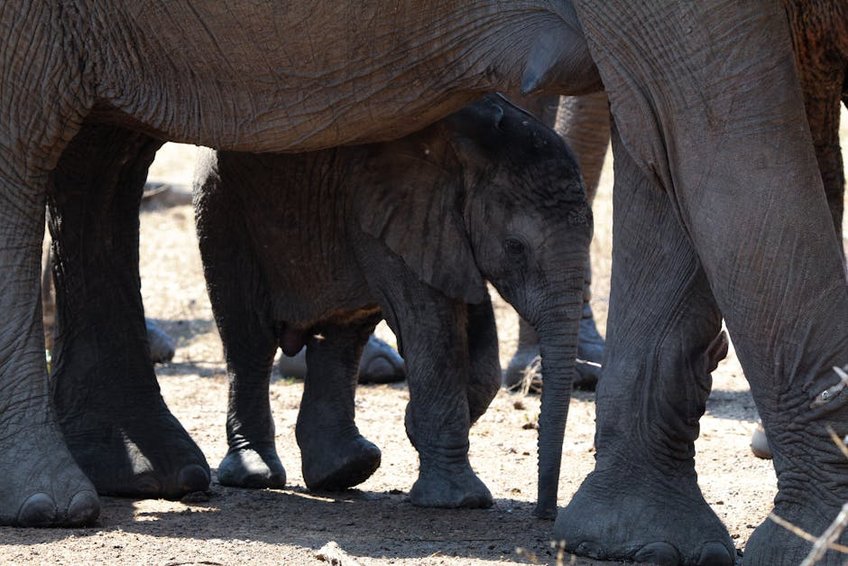
Sri Lanka Yala Elephant Gathering
Witnessing the Sri Lanka Yala Elephant Gathering is a profound wildlife spectacle that ranks among the world’s most remarkable natural events. Each year, during the dry season, large herds of Asian elephants converge on the watering holes and grasslands of Yala National Park, driven by ancient migratory patterns and the search for water. This guide provides the essential planning details, seasonal timing, and viewing strategies you need to experience this unique congregation successfully.
Understanding the Elephant Gathering Phenomenon
The gathering in Yala is not a random occurrence but a deeply ingrained ecological response to seasonal drought. As water sources diminish across the region, elephants trek long distances to the reliable reservoirs within the park’s Block I. This creates a temporary but dense population of pachyderms in a concentrated area, offering unparalleled observation opportunities.
Unlike the more famous Great Migration in Africa, this event centers on a single species congregating at specific water points. The social dynamics on display are fascinating, with herds interacting, calves playing under watchful eyes, and bulls assessing each other. It represents a critical survival strategy for these intelligent animals, showcasing their complex social structures and navigational intelligence.
The Ecological Drivers Behind the Gathering
Understanding the environmental triggers helps in planning your visit. The primary factor is the seasonal drought in the surrounding jungles and scrublands.
- Water Scarcity: From July through October, the dry monsoon (Yala monsoon) parches the region, drying up small tanks and streams outside the park’s protected reservoirs.
- Food Availability: While grass becomes scarce elsewhere, the park’s managed grasslands and scrub offer remaining forage, drawing herbivores.
- Historical Migration Routes: Elephants follow ancestral paths etched into generational memory, leading them to known reliable water sources like the Thanamalwila tank and other lakes within Yala.
- Budget Option ($800-$1200 per person for 3-day focus): Includes basic guesthouse lodging in Tissamaharama, shared jeep safaris, standard park fees, and self-arranged transport by bus. This requires more planning effort and flexibility with safari timing.
- Mid-Range Option ($1,500-$2,500 per person): Features comfortable boutique hotels or eco-lodges near the park, private jeep safaris with a dedicated tracker/guide, all park entry permits, and private car transfers from airports. This offers the best balance of comfort, access, and value.
- Luxury Option ($3,000+ per person): Includes stays at top-tier safari camps or luxury villas with expert naturalists on staff, exclusive early-access or extended safari drives, premium guiding services, and helicopter transfers from Colombo. Focuses on immersive, minimally invasive wildlife experiences.
- Sri Lanka Tourism Development Authority
- Department of Wildlife Conservation Sri Lanka
Yala National Park’s Unique Role
Yala National Park, particularly Block I, serves as the epicenter for this event due to its specific geography and conservation management. The park features a series of ancient water reservoirs, or “tanks,” built by old kingdoms, which retain water long into the dry season. This artificial yet naturalized feature creates a vital oasis.
Furthermore, the park’s mixed ecosystem of open grasslands, dense forest, and scrub jungle provides both food and cover. Its protected status ensures minimal human disturbance during this sensitive period, allowing the elephants to behave naturally. The park authorities manage vehicle access carefully to prevent overcrowding and stress on the animals.
Conservation Significance and Ethical Viewing
The gathering highlights both the success and ongoing challenges of elephant conservation in Sri Lanka. It demonstrates a healthy population utilizing a protected habitat, but also underscores human-wildlife conflict issues outside park boundaries. Your visit contributes economically to conservation efforts through park fees and guide employment.
Ethical viewing is paramount. Always maintain a respectful distance, use quiet, experienced drivers and guides, and avoid any action that alters animal behavior. Choose safari operators committed to responsible tourism practices who prioritize animal welfare over getting the closest photo.
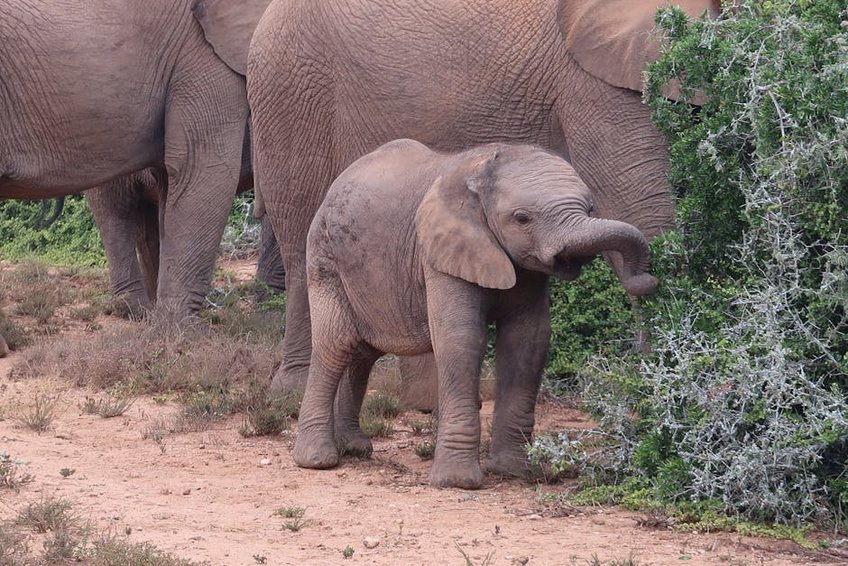
Alt: “yala-national-park-elephant-herds-at-watering-hole-dry-season”
Sri Lanka Yala Elephant Gathering – Planning Your Trip
Successfully experiencing this wildlife event hinges on meticulous planning centered on timing and logistics. Your entire itinerary should be built around the narrow seasonal window when elephant numbers peak. Booking safaris and accommodation many months in advance is non-negotiable, as reputable lodges and skilled guides are in high demand.
Budget for both park entry fees, which fund conservation, and the cost of multiple safari game drives to maximize your chances of witnessing dramatic herd interactions. Allocate funds for a knowledgeable naturalist guide; their expertise in tracking and interpreting behavior dramatically enhances the experience beyond just sightseeing.
Best Time to Visit for the Gathering
The peak period for the Sri Lanka Yala Elephant Gathering is from July through September, with August and early September typically offering the most reliable and impressive congregations. During these months, the dry season is at its height, water sources are most limited, and elephant densities around main tanks are greatest. Daytime temperatures range from 86°F to 95°F (30°C to 35°C).
While the gathering builds in June and can extend into October, these shoulder months see more variable numbers. The park reopens after the annual closure in early February, and while elephants are present year-round, the concentrated “gathering” effect dissipates with the arrival of the northeast monsoon rains in November and December.
Budget Planning and Costs
A trip focused on the gathering involves several key cost components beyond standard Sri Lanka travel expenses.
Essential Preparation Checklist
Packing correctly is crucial for comfort and effective wildlife viewing. Essential items include neutral-colored, breathable cotton clothing (khaki, green, beige), a wide-brimmed hat, high-SPF sunscreen, and quality binoculars. A camera with a zoom lens (at least 300mm) is recommended, along with extra batteries and memory cards, as power can be limited.
Required documentation includes your passport, Sri Lankan Electronic Travel Authorization (ETA) obtained online pre-travel, and comprehensive travel insurance covering medical evacuation. Book all park safaris and accommodations at least four to six months in advance. Consult a travel doctor about recommended vaccinations and carry a basic medical kit including anti-diarrheal medication and rehydration salts.
Top Safari Experiences and Wildlife Viewing
While the elephants are the star attraction, Yala National Park boasts incredible biodiversity, making every safari drive an adventure. The park has one of the highest leopard densities in the world, and sightings of these elusive cats, while never guaranteed, are a thrilling possibility. Other common sightings include spotted deer, sambar, wild boar, mugger crocodiles, and over 200 bird species.
Game drives typically occur in two sessions: the early morning drive (starting around 5:30 AM) and the afternoon drive (starting around 2:30 PM). The morning session offers the best light for photography and active animal behavior, while the afternoon often leads to the gathering’s peak activity at waterholes as temperatures cool.
Must-See Highlights Within Yala
Focus your safari time around key areas known for elephant activity. The waterholes near Buttuwa Tank and Patanangala are legendary gathering points where large herds congregate daily. The picturesque Patanangala Beach, where the jungle meets the Indian Ocean, offers a stunning backdrop and sometimes even elephant sightings on the sand.
Sithulpawwa, an ancient rock temple within the park, provides not only cultural history but also panoramic views over the park’s plains, excellent for spotting distant herds. Always discuss your specific interest in the gathering with your guide at the start of the drive so they can tailor the route to current animal movements reported by the park ranger network.
Hidden Gems and Local Favorites
For a less crowded experience, inquire about access to Yala Block V (Lunugamvehera National Park), which is connected to Yala and sees similar migratory patterns but with far fewer tourist vehicles. The adjacent Bundala National Park, a Ramsar wetland site, offers fantastic birdwatching and a different landscape, with elephants often present in its marshes.
In the nearby town of Tissamaharama, visit the Tissa Wewa tank at sunset to see wild elephants that sometimes come to the lake’s edge outside the park boundary. This provides a more serene viewing opportunity away from the safari jeep traffic, though always observe from a safe and respectful distance.
Photography Tips for the Gathering
Capturing the gathering requires both technical preparation and patience. Use a telephoto lens to respect animal space while filling your frame. A shutter speed of at least 1/500th of a second is necessary to freeze motion, especially with playful calves. Shoot in the golden hours of early morning and late afternoon for soft, warm light that avoids harsh midday shadows.
Compositionally, look for moments that tell a story: a matriarch leading her herd, interactions between different family groups, or reflections in the water. Be prepared for dust; carry lens cleaning equipment and consider using a protective filter. Most importantly, put the camera down at times to simply absorb the majesty of the scene with your own eyes.
Practical Travel and Safari Logistics
Navigating the logistics of a trip to Yala requires understanding your transportation and accommodation options. The park is located in Sri Lanka’s southeast, and most visitors base themselves in the gateway town of Tissamaharama (often called “Tissa”) or in safari lodges on the park’s periphery. The area is remote, so planning your route and booking ground transport in advance is essential.
Accommodation ranges from basic guesthouses in Tissa to ultra-luxurious tented camps bordering the park. Your choice will affect your daily travel time to the park gates. Staying closer allows for earlier entry on morning drives, which can be a significant advantage for wildlife viewing and photography.
| Accommodation Type | Key Features & Location | Price Range Per Night (USD) |
|---|---|---|
| Safari Lodge/Camp | Located on park border, expert guides on-site, included safari packages, immersive experience. | $250 – $800+ |
| Boutique Eco-Hotel | Near Tissa, sustainable design, pool, arranged safari jeeps, comfortable amenities. | $120 – $350 |
| Guesthouse in Tissa | Basic rooms, family-run, central for arranging independent jeeps, budget-friendly. | $25 – $70 |
| Luxury Tented Villa | Full-service glamping, private decks, gourmet dining, personalized safari planning. | $500 – $1,500+ |