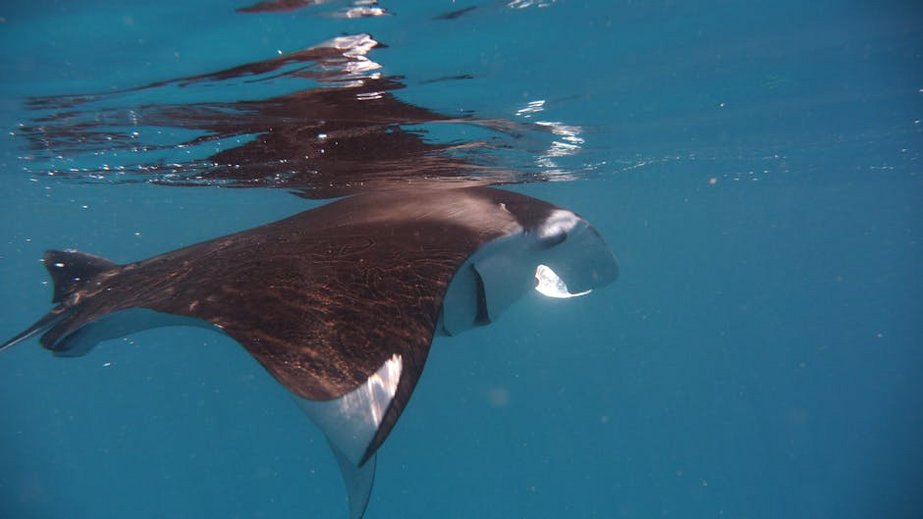
Maldives Manta Ray Season: Your Guide to the Best Time for Encounters
The Maldives manta ray season offers a spectacular window to witness these gentle ocean giants gliding through crystal-clear atolls. Between May and November, plankton blooms create a feeding bonanza, drawing large aggregations of both reef and oceanic manta rays to specific atolls. This guide provides detailed month-by-month planning, top dive site locations, and practical tips to maximize your chances for an unforgettable marine encounter.
Understanding Manta Rays in the Maldives
The Maldives archipelago hosts two distinct species of manta ray: the smaller reef manta (Mobula alfredi) and the massive oceanic manta (Mobula birostris). Reef mantas, with wingspans up to 11 feet, reside in the atolls year-round, while their oceanic cousins, which can exceed 20 feet, are more seasonal visitors. The nation’s unique geography of 26 atolls creates channels where currents funnel plankton, the manta’s primary food source, setting the stage for predictable seasonal gatherings.
Conservation efforts, including the Maldivian Manta Ray Project, have helped identify and protect key habitats. This long-term research means your sightings contribute to valuable scientific data. Understanding their behavior, from feeding to cleaning rituals, significantly enhances your appreciation during a snorkel or dive excursion.
Species and Their Behaviors
Recognizing the differences between the two species enriches your experience.
- Reef Manta Rays (Mobula alfredi): Commonly seen at cleaning stations on reef tops, these rays have a dark dorsal side with lighter shoulder patches. They perform graceful somersaults to feed in surface currents.
- Oceanic Manta Rays (Mobula birostris): Larger and less frequent, they are identified by a mostly black dorsal surface and white shoulder patches that form a ‘T’ shape. They often cruise through deeper channels.
- Feeding Frenzies: During the peak season, you may witness “cyclone feeding,” where mantas form a rotating chain to efficiently consume dense patches of plankton, a breathtaking natural spectacle.
- Budget Option ($1,500-$3,000 per person): Focus on guesthouses on local islands like Dhigurah in South Ari. Day trips to nearby manta sites cost $80-$120. Flights and meals are extra, but this allows for a longer stay on a tighter budget.
- Mid-Range Option ($3,500-$7,000 per person): A 7-night liveaboard cruise specifically routing through Baa and Ari Atolls during peak season. This price typically includes all dives, meals, and transfers, offering the best value for serious enthusiasts.
- Luxury Option ($8,000-$20,000+ per person): A stay at a high-end resort in Baa Atoll with a dedicated marine biologist and private boat access to Hanifaru Bay. Includes premium villa accommodation, gourmet dining, and guaranteed expedition slots during restricted visiting hours.
- The Manta Trust – Maldives Project
- Visit Maldives Official Tourism Website
Conservation and Responsible Tourism
Manta rays are a vulnerable species, making responsible interaction paramount. Always maintain a respectful distance of at least 10 feet and avoid touching or chasing the animals. Your choice of tour operator matters; select companies that follow the Manta Trust’s guidelines for sustainable encounters.
Many resorts and liveaboards support local conservation projects through guest donations. Your visit can have a positive impact. Adhering to buoyancy control protocols protects both the mantas and the delicate coral reefs they depend on for cleaning.
The Role of Monsoon Seasons
The Southwest Monsoon, from May to November, dictates the manta ray season. This period brings nutrient-rich currents from the deep ocean into the western atolls, particularly Baa and Ari. These nutrients fuel massive plankton blooms, which are the foundation of the marine food web that attracts the mantas.
The Northeast Monsoon (December to April) offers clearer water and calmer seas, but with fewer plankton concentrations. During this dry season, manta sightings are less predictable and often occur at specific cleaning stations rather than in large feeding aggregations.
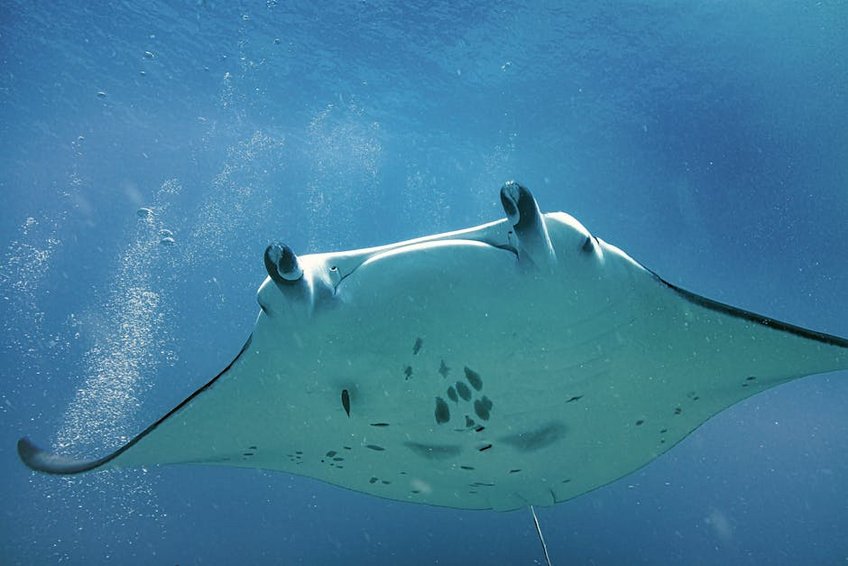
Alt: “manta-rays-feeding-baa-atoll-maldives-monsoon-current”
Maldives Manta Ray Season – Planning Your Trip
The core Maldives manta ray season runs from May through November, with regional variations across different atolls. For the famous Hanifaru Bay feeding aggregations in Baa Atoll, the absolute peak is between August and October. Planning requires balancing your desire for high manta activity with other factors like weather, tourist crowds, and resort availability.
Your budget directly influences your experience. A stay at a resort near a key site like Hanifaru Bay allows for quick boat access, but comes at a premium. A dedicated liveaboard cruise targeting manta hotspots across multiple atolls offers the highest probability of diverse encounters. Land-based tours from local islands provide a more affordable, though sometimes less flexible, alternative.
Best Time to Visit for Manta Rays
The absolute peak for manta ray sightings occurs from August to October, especially in Baa Atoll’s UNESCO Biosphere Reserve. During these months, you have the highest chance of witnessing large feeding frenzies, with water temperatures averaging 84-86°F (29-30°C). Booking manta-focused excursions 6-9 months in advance is crucial for this popular window.
For good sightings with fewer visitors, consider the shoulder months of May-July or November. While aggregations may be smaller, you’ll enjoy more availability and potentially lower prices. The dry season (Dec-Apr) is not ideal for feeding spectacles, but reef mantas can still be found at established cleaning stations in South Ari Atoll.
Budget Planning and Costs
Costs vary dramatically based on accommodation and tour style.
Essential Preparation Checklist
Packing correctly ensures comfort and safety. Bring a reef-safe sunscreen, a rash guard or full wetsuit (even in warm water, extended snorkeling can cause chills), and a quality underwater camera or GoPro. If diving, your certification card and logbook are mandatory. Consider a seasickness remedy if you’re prone to discomfort on small boats in swell.
Secure comprehensive travel insurance that covers scuba diving and emergency evacuation. For US and EU passport holders, a free 30-day tourist visa is issued on arrival. Book domestic transfers (seaplane or domestic flight) well in advance, as they have limited capacity and can sell out.
Top Atolls and Dive Sites for Encounters
While mantas can appear throughout the Maldives, several atolls are renowned for reliable seasonal action. Baa Atoll is the crown jewel, specifically Hanifaru Bay, a marine protected area where dozens, sometimes hundreds, of mantas gather. South Ari Atoll is another major hub, with year-round reef manta populations at cleaning stations like Maamigili Beyru.
Other productive areas include North Male Atoll for channel dives and Laamu Atoll for more remote, less crowded experiences. Each site offers a different dynamic, from shallow lagoon feeding to deeper channel cleaning stations. A multi-atoll itinerary maximizes your opportunities.
Must-See Manta Hotspots
Hanifaru Bay in Baa Atoll is a globally unique site. During a full or new moon with an incoming tide, plankton gets trapped in this shallow, crescent-shaped bay, creating a predictable feeding event. Snorkeling is the only activity allowed here, with strict time slots managed by rangers. Access often requires a special permit arranged through your resort or liveaboard.
In South Ari Atoll, Maamigili Beyru (also known as Manta Point) is a famous cleaning station. Here, reef mantas hover over coral heads while wrasse and cleaner fish remove parasites. Dives here are typically deeper (50-80 feet) and require good buoyancy control to avoid disturbing the cleaning process.
Hidden Gems and Lesser-Known Sites
For a more secluded experience, consider the channels of Fuvahmulah Atoll, a single island in the deep south. This area is known for pelagic action and can attract oceanic mantas, though sightings are less predictable. The atoll also offers exceptional shark diving, making it a fantastic two-for-one destination for advanced divers.
Raa Atoll, north of Baa, sees similar monsoon-driven currents but receives far fewer visitors. Liveaboards that include Raa in their itinerary often report fantastic manta encounters without the crowds. The logistics are more complex, reinforcing the value of a charter boat for accessing these remote zones.
Snorkeling vs. Diving for Manta Encounters
Both snorkeling and diving offer incredible manta experiences, but in different contexts. The massive surface feeding aggregations at Hanifaru Bay are best observed while snorkeling, as the action occurs in water less than 30 feet deep. Snorkeling is also less physically demanding and requires no certification.
Diving allows you to witness cleaning station behavior at deeper reef sites and observe the animals for longer periods as you remain stationary on the seabed. A qualified guide can lead you to the optimal viewing area. For nervous swimmers, some resorts offer “manta pool” sessions where a submerged platform allows you to sit and watch.
Practical Travel and Logistics
International travelers fly into Velana International Airport (MLE) near the capital, Male. From there, you must take a secondary transfer to your final atoll. This is typically via a scheduled seaplane (for resorts) or a domestic flight followed by a speedboat (for local islands and some liveaboards). Seaplane transfers only operate during daylight hours, so plan international flight arrivals accordingly.
Accommodation falls into three categories: private island resorts, liveaboard safari boats, and local island guesthouses. Resorts offer luxury and convenience but limit your exploration to their immediate house reef. Liveaboards provide mobility to chase the best manta action across different atolls. Guesthouses offer cultural immersion and lower costs.
| Accommodation Type | Key Features & Best For | Price Range Per Night (USD) |
|---|---|---|
| Local Island Guesthouse | Budget travel, cultural exchange, scheduled day trips | $80 – $250 |
| Mid-Range Resort | Good house reefs, all-inclusive packages, family-friendly | $400 – $800 |
| Luxury Private Island Resort | Overwater villas, private boat access, marine biologists on staff | $1,000 – $3,000+ |
| Liveaboard Safari Boat | Maximum dive/snorkel sites, mobility, all-inclusive diving | $250 – $700 per person, per night (all-inclusive) |