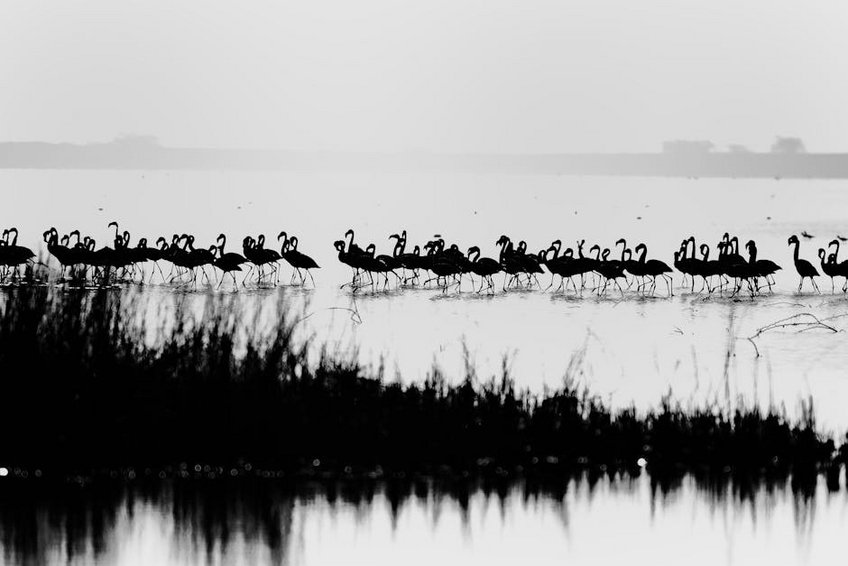
Kenya Nairobi Flamingo Migration: Witness Nature’s Pink Spectacle
Each year, a breathtaking natural event paints the wetlands near Kenya’s capital a vibrant pink. The Kenya Nairobi flamingo migration sees thousands of lesser flamingos descend upon alkaline lakes within a short drive from the city center, creating a rare wildlife spectacle accessible from an urban hub. This guide provides the essential details on timing, viewing locations, and travel logistics to successfully witness this stunning phenomenon, offering a unique combination of easy access and profound natural wonder.
Essential Flamingo and Nairobi Information
Nairobi serves as the unexpected gateway to one of Africa’s most accessible mass wildlife gatherings. The city’s proximity to the Great Rift Valley’s soda lakes, particularly Lake Nakuru and Lake Naivasha, creates a crucial feeding ground for East Africa’s flamingo populations. These birds travel hundreds of kilometers, following algal blooms triggered by specific climatic conditions.
The primary species is the lesser flamingo, identifiable by its deep pink plumage and black-tipped bill. Their migration is less about a fixed calendar date and more a dynamic response to food availability and water levels in the alkaline lakes. While historically massive flocks congregated at Lake Nakuru, changing water levels have shifted patterns, making multi-lake viewing the most reliable strategy.
Understanding Flamingo Behavior
To appreciate the spectacle, knowing what drives these birds helps.
- Flamingos feed on microscopic blue-green algae and diatoms, which thrive in warm, alkaline waters; their pink color comes from carotenoid pigments in this food source.
- They are highly social and nervous birds, often taking flight en masse in swirling pink clouds, which is a key photographic moment but requires patience and quiet observation.
- Migration is nomadic rather than seasonal; flocks move between Rift Valley lakes in Kenya and Tanzania based on algal blooms, making sighting predictions about water chemistry and rainfall.
- Budget: A self-drive day trip from Nairobi costs $80-120 for a rental car and fuel. Park entry fees are $60 per adult for 24 hours at Lake Nakuru National Park. Basic lakeside camping or hostel accommodation starts at $20-30 per night.
- Mid-Range: A guided day tour from Nairobi, including transport, park fees, lunch, and a guide, ranges from $150-250 per person. Staying at a comfortable lodge inside Lake Nakuru National Park costs $200-350 per night for full board and game drives.
- Luxury: Multi-day private safaris combining Lake Nakuru with the Maasai Mara or other reserves cost $400-700 per person per day. This includes premium lodges, exclusive guided drives, charter flight transfers, and guaranteed photography-focused itineraries.
- Kenya Wildlife Service (KWS)
- Lake Nakuru National Park Information
Nairobi’s Unique Position
Few global capitals offer such immediate access to raw wildlife phenomena. Nairobi National Park, just 7 km from the central business district, can sometimes host flamingos in its dams during peak migration periods, though larger concentrations are found further afield. The city itself is the transport and accommodation hub for expeditions to the primary lakes.
This urban-wildlife interface defines the experience. You can watch flamingos in the morning and enjoy a cosmopolitan lunch in the city’s restaurants the same day. The contrast is striking and logistically convenient for travelers with limited time who wish to experience a major African wildlife event without a lengthy safari schedule.
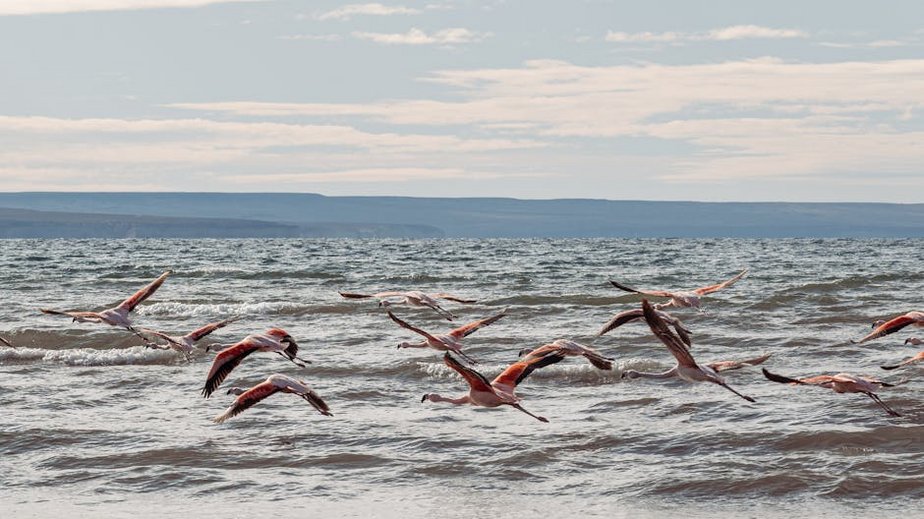
Alt: “lesser-flamingos-lake-nakuru-kenya-rift-valley”
Kenya Nairobi Flamingo Migration – Planning Your Trip
Successfully witnessing the pink flocks hinges on strategic planning centered on fluid environmental factors. Your Kenya Nairobi flamingo migration itinerary should be flexible, with backup viewing locations, as bird concentrations change weekly. Focus on the broader Rift Valley region rather than a single lake to maximize your chances of an encounter with the large, photogenic groups.
Budget considerations range from independent day trips using ride-share apps to guided multi-day tours combining flamingo viewing with other classic safari experiences. The lakes are generally a 2-3 hour drive from Nairobi, so day trips are entirely feasible. However, overnight stays near the lakes allow for early morning and late afternoon viewing when light is best and bird activity peaks.
Best Time to See the Flamingo Migration
The most reliable months to see large flamingo gatherings near Nairobi are from July to October and January to March. These periods often coincide with drier conditions in the Rift Valley, which concentrate algae and make the birds easier to spot against the receding shoreline. Temperatures range from 60-80°F (16-27°C) during the day.
However, this is a year-round possibility. The migration is rainfall-dependent, so checking recent reports from tour operators or park lodges just before your trip is crucial. The “shoulder” months of April-June and November can offer fewer crowds and lush landscapes, though bird numbers may be more dispersed across multiple lakes.
Budget Planning and Costs
Costs vary widely based on travel style and group size.
Essential Preparation Checklist
Pack binoculars (8×42 or 10×42 are ideal), a camera with a zoom lens (at least 300mm for good shots), and neutral-colored clothing for blending into landscape viewpoints. Sturdy, closed-toe shoes are necessary for short walks to lake viewing points, which can be muddy or rocky. Sun protection is non-negotiable due to high-altitude UV exposure.
Ensure your passport has at least six months validity and two blank pages. Most visitors obtain a visa online through Kenya’s eVisa portal before travel, costing $51 for a single-entry tourist visa. Travel insurance covering medical evacuation is strongly recommended. Book your park entry tickets online in advance when possible to streamline gate processes.
Top Viewing Locations and Activities
The Rift Valley lakes northwest of Nairobi host the main flamingo congregations. Lake Nakuru National Park remains the most famous venue, a UNESCO World Heritage Site and rhino sanctuary where flamingos form a living pink ribbon along the shoreline. Lake Naivasha, a freshwater lake, often hosts flocks, especially at the Crescent Island sanctuary, where you can walk among wildlife.
Further north, Lake Bogoria and Lake Elementaita are critical alternatives, especially when water levels at Nakuru are high. Lake Bogoria is known for its geysers and hot springs, with flamingos often feeding in the warmer waters. Each lake offers a different backdrop, from acacia woodlands to steep escarpments, diversifying your photography portfolio.
Must-See Highlights
Inside Lake Nakuru National Park, drive along the southern and eastern shorelines for the best flamingo vistas. The Baboon Cliff lookout provides a panoramic view of the pink-edged lake. The park is also a premier location for seeing both black and white rhinoceros, along with Rothschild’s giraffe and large troops of baboons.
At Lake Naivasha, take a guided boat safari from locations like Fisherman’s Camp. This allows you to glide quietly close to feeding flamingos without disturbing them. Crescent Island offers a unique walking safari where you can see giraffe, zebra, and antelope with the lake and flamingos in the background. Boat trips cost $25-40 per person for an hour.
Hidden Gems and Local Favorites
For a less-visited experience, consider the southern shores of Lake Elementaita, accessible via the small town of Gilgil. The lake is part of the Kenya Lake System UNESCO site and often has substantial flamingo flocks with virtually no tourist traffic. Local guides can be hired on-site for a small fee to show you the best viewing spots.
Near Lake Naivasha, the Oserengoni Wildlife Sanctuary offers private conservancy access. While not always guaranteed, flamingos sometimes frequent its waterways. Visiting here supports direct community conservation and offers a more exclusive experience than the public parks. Advance booking with a local tour operator is required.
Photography and Observation Tips
Early morning (6:30-10 AM) and late afternoon (4-6:30 PM) provide the softest light and most active bird behavior. Use a polarizing filter to cut glare from the water and enhance colors. For flight shots, use a fast shutter speed (1/2000 sec or faster) and continuous autofocus mode. Patience is key—wait quietly at a productive shoreline, and the birds will often return.
Maintain a respectful distance. Use your vehicle as a blind when possible, as flamingos are less alarmed by stationary cars than by people on foot. Never attempt to chase or flush birds to get a flight shot; this causes them stress and depletes their energy. The most ethical and rewarding photographs come from observing natural behavior.
Practical Travel Information
Nairobi’s Jomo Kenyatta International Airport (NBO) is the primary international gateway, well-connected to Europe, the Middle East, and other African hubs. Wilson Airport (WIL), a short drive away, is the hub for domestic and regional charter flights to parks and airstrips near the lakes. Consider flying to Lake Nakuru’s airstrip if your budget allows, saving a 3-hour drive.
Accommodation ranges from city hotels in Nairobi to rustic campsites and luxurious lodges within the national parks. Staying inside Lake Nakuru National Park grants you early morning and evening access when day-trippers have left, significantly enhancing your wildlife viewing experience. Book park accommodation several months in advance for peak season.
| Accommodation Type | Location & Features | Price Range (USD per night) |
|---|---|---|
| City Hotel | Nairobi (Westlands or Karen areas): Convenient for day trips, international amenities, swimming pool. | $80 – $200 |
| Mid-Range Lodge | Outside Park Gate (Naivasha/Nakuru towns): En-suite rooms, restaurant, pool, easy park access. | $120 – $250 |
| Premium Lodge | Inside Lake Nakuru Park: Full-board, game drives included, stunning lake views, waterhole. | $300 – $500 |
| Luxury Tented Camp | Private Conservancy (Near Naivasha): All-inclusive, private guides, exclusive activities, high service. | $450 – $700+ |