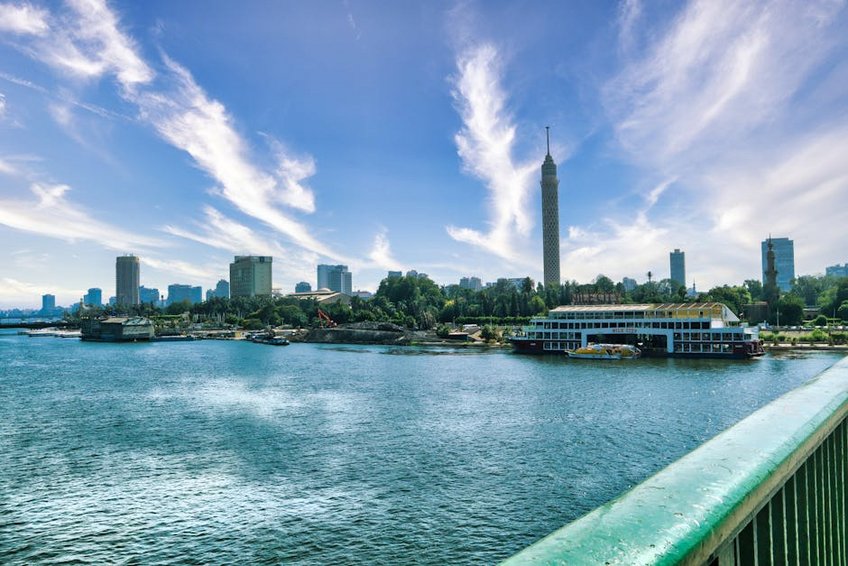
Egypt Cairo Spring Sandstorm Season Travel Guide
Visiting Cairo during the spring sandstorm season presents a unique set of challenges and surprising opportunities for the savvy traveler. The period from March through May often sees the Khamsin winds sweep across the desert, dramatically reducing visibility and altering daily life in the ancient city. With careful planning that respects the weather, you can explore iconic sites with fewer crowds and capture atmospheric photographs, turning a potential travel hurdle into a memorable part of your Egyptian adventure.
Understanding Cairo’s Spring Weather Patterns
The climate in Cairo transitions sharply from mild winter to intense summer, with spring acting as the volatile intermediary. This season is characterized by a significant rise in temperature and a notable drop in humidity compared to winter months. The defining meteorological event is the Khamsin, a hot, dry wind originating from the Sahara Desert to the west and south.
These winds can carry enormous quantities of sand and dust, sometimes reducing visibility to mere meters and coating the entire city in a fine orange layer. Historically, these storms have influenced battles and daily life for millennia, and they remain a powerful force today. While modern infrastructure mitigates some impacts, the sandstorms fundamentally shape the spring travel experience.
What is the Khamsin Wind?
The Khamsin is not a single storm but a weather pattern that can occur repeatedly throughout the season.
- The name “Khamsin” derives from the Arabic word for fifty, referencing the approximate number of days the wind season can last, though individual storms typically last two to three days.
- These winds are driven by low-pressure systems moving eastward across the Mediterranean Sea, pulling hot, dry air from the desert hinterlands over the Nile Valley and Delta.
- Peak intensity usually happens during the afternoon, with winds often calming at night, providing a daily rhythm for planning outdoor activities.
- Budget travelers can find hostel beds for $15-25 per night and rely on inexpensive street food ($2-5 per meal). Entrance fees to sites like the Egyptian Museum are fixed, but fewer crowds mean you spend less time in line. Prioritize spending on a high-quality respirator mask (N95/KN95) and sealed sunglasses.
- Mid-range visitors should budget $80-150 per night for a 4-star hotel with confirmed air filtration and sealed windows. Factor in private, air-conditioned car hires for day trips ($40-60/day) to avoid exposed transit during dusty periods. Meals at good local restaurants cost $10-20 per person.
- A luxury experience ($250+ per night) includes 5-star hotels with advanced air purification systems, private guided tours that can pivot schedules instantly based on weather, and airport transfers in high-end vehicles. Fine dining costs start at $50 per person, excluding drinks.
- Egyptian Tourism Authority
- World Health Organization – Egypt
Typical Spring Climate Metrics
Daily temperatures in Cairo during spring show a steady climb. March begins with pleasant averages around 72°F (22°C), which is quite comfortable for exploration. By late May, daytime highs frequently reach 95°F (35°C) or more, signaling the impending summer heat.
Rain is exceptionally rare during this period, with nearly zero precipitation from April onward. The relative humidity plummets as the season progresses, often dropping below 20%, which can lead to dehydration and skin irritation much faster than travelers might expect in a coastal environment.
Historical and Cultural Context
Sandstorms are deeply woven into Egypt’s history and cultural consciousness. Ancient texts and art depict these events, and they have played roles in military campaigns. For modern Cairenes, the spring sandstorm season is a normal, if inconvenient, part of the annual cycle. Locals have adapted their schedules, and many view the dust with a sense of resigned familiarity, continuing daily life with practical adjustments like closing windows and wearing scarves.
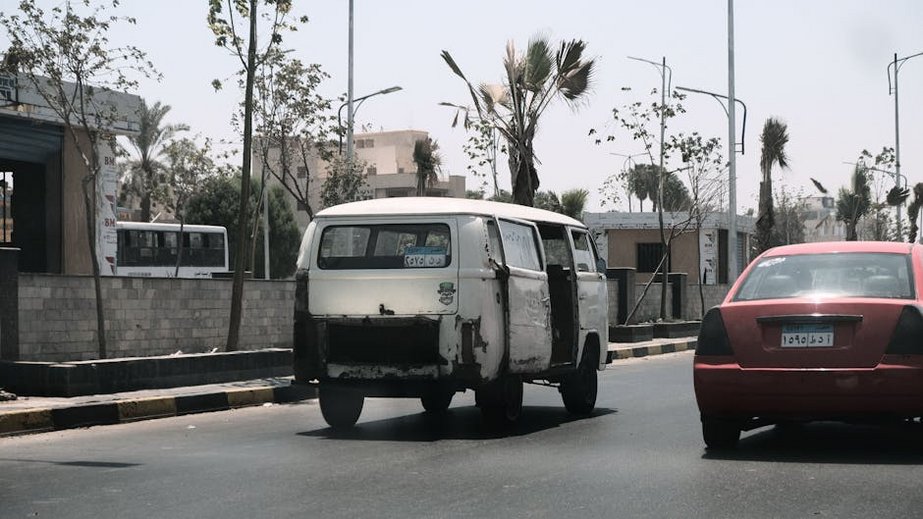
Alt: “cairo-pyramids-giza-sandstorm-hazy-weather-spring”
Egypt Cairo Spring Sandstorm Season – Planning Your Trip
Successfully navigating Cairo during the dusty months hinges on strategic preparation and flexible scheduling. Your itinerary must account for potential disruptions while leveraging the season’s advantages, such as significantly thinner tourist crowds at major sites. Booking accommodations with good air filtration and researching indoor alternatives are non-negotiable steps for a comfortable journey. Allocate extra buffer days in your schedule specifically for weather-related delays to major outdoor attractions.
Best Time to Visit Within Spring
The very early part of spring, specifically the first half of March, offers the most stable weather before the Khamsin pattern becomes frequent. Daytime temperatures are a pleasant 70-75°F (21-24°C), and dust events are less common. By late April and May, the likelihood of encountering a multi-day storm increases dramatically, alongside temperatures soaring above 90°F (32°C).
If your schedule is flexible, targeting the first two weeks of March provides a good balance of manageable weather and the benefit of the pre-peak-season calm. The last week of May is often the most challenging, serving as a direct gateway to Cairo’s intensely hot and dusty summer.
Budget Planning and Costs
Spring can offer relative value, especially compared to the crowded winter high season.
Essential Preparation Checklist
Packing for this season requires a focus on protection and comfort. Essential items include several N95 or KN95 respirator masks (cloth is insufficient), sealed wraparound sunglasses or goggles, a wide-brimmed hat, and lightweight, long-sleeved clothing made from breathable fabrics. A microfiber cloth to wipe dust off cameras and phones is invaluable.
Ensure your travel insurance explicitly covers trip interruptions due to natural events like sandstorms. Book major tours and hotels with clear, flexible cancellation policies. Consult your doctor about managing allergies or asthma in extreme dusty conditions, and pack a well-stocked supply of any regular medications.
Experiencing Cairo Amidst the Dust
Exploring the city during this time demands a shift in perspective. The dust-laden air creates soft, diffused light that can be magical for photography, casting the pyramids and Islamic architecture in an ethereal glow. Many outdoor sites remain accessible during mild haze, offering a profoundly different, more solitary atmosphere compared to the usual bustling scenes. The key is monitoring weather reports and being ready to switch between outdoor and indoor plans at a moment’s notice.
Must-See Highlights with Sandstorm Strategies
The Giza Plateau is visitable during light haze, but confirm with your guide if the interior of the Great Pyramid is open, as it may close during high winds. Visit early in the morning when winds are typically calmer. The Egyptian Museum in Tahrir or the new National Museum of Egyptian Civilization (NMEC) are perfect, air-conditioned havens during a full storm, housing countless irreplaceable artifacts.
Islamic Cairo, with its covered markets and mosques like Al-Azhar and Sultan Hassan, provides sheltered exploration routes. The Khan el-Khalili bazaar’s narrow, covered lanes offer a vibrant cultural experience protected from the elements. Always check the local air quality index (AQI) app before departing your hotel for the day.
Hidden Gems and Indoor Sanctuaries
Seek out Cairo’s lesser-known museums for a quiet, dust-free experience. The Museum of Islamic Art boasts a stunning collection in a peaceful environment. The Coptic Museum in Old Cairo offers a deep dive into Egypt’s Christian heritage within a protected complex.
For a unique experience, visit one of Cairo’s historic *ahwas* (traditional coffee houses). These indoor social hubs, like El Fishawy in Khan el-Khalili, allow you to absorb local culture while sheltered. A sunset dinner cruise on the Nile provides scenic views from the comfort of a sealed boat, often with live entertainment.
Photography Tips for Unique Conditions
The sandstorm season creates exceptional, moody lighting for photographers. The dust acts as a giant diffuser, eliminating harsh shadows and creating a soft, monochromatic palette perfect for minimalist compositions. Protect your gear at all times with airtight bags and only change lenses in a completely sealed environment, like a vehicle or bathroom.
Practical Travel and Safety Information
Navigating logistics requires an emphasis on health and adaptable transportation. During a severe dust event, public transportation and flight schedules can be disrupted. Having a backup plan and local contacts is crucial. Prioritize accommodations based on their air quality management systems rather than just location or price.
| Category | Recommendations & Features | Price Range (USD) |
|---|---|---|
| Health & Safety Gear | N95/KN95 Masks (pack 10+), Sealed Goggles, Hand Sanitizer, Portable Air Quality Monitor | $30 – $100 |
| Daily Transportation | Careem/Uber (app-based, air-conditioned), Private Driver (pre-booked), Metro (avoid during peak dust) | $5 – $60 per day |
| Accommodation Priority | Central Air Filtration, Sealed Windows, 24/7 Generator, On-site Doctor/Clinic | $80 – $300+ per night |
| Communication Essentials | Local SIM (Vodafone/Orange), Offline Maps App, Translation App, Hotel Contact Saved | $10 – $20 for SIM/data |