Turkey Ankara Almond Blossom Route: A Springtime Road Trip
The Ankara Almond Blossom Route is a spectacular spring driving trail through central Turkey, where millions of almond trees erupt in soft pink and white blooms against a rugged Anatolian backdrop. This seasonal spectacle transforms the countryside around Turkey’s capital each March, creating a photographer’s paradise and a serene escape into pastoral beauty. This guide covers the route’s best sections, optimal timing for peak bloom, and practical tips for navigating this floral highway.
Discovering Turkey’s Floral Heartland
Central Anatolia, where Ankara sits, features a high plateau with a continental climate perfect for almond cultivation. The Ankara Almond Blossom Trail isn’t a single marked road but a series of interconnected rural routes through districts like Güdül, Beypazarı, and Nallıhan. These areas have cultivated almonds for centuries, with the blooming season symbolizing renewal and the coming harvest.
Historically, almond farming in this region dates back to ancient times, with the trees thriving in the well-drained, rocky soil. The modern blossom route has gained popularity as domestic tourism has grown, offering city dwellers a breathtaking natural event just a short drive from the capital. The experience combines scenic drives, village visits, and cultural immersion.
What Defines the Blossom Route
The route’s charm lies in its combination of natural beauty and authentic rural life.
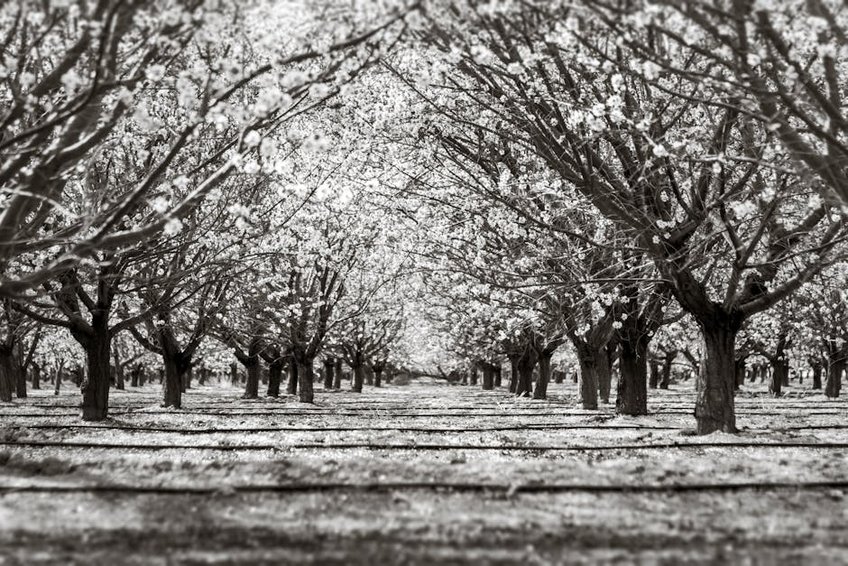
- The core experience is driving through endless orchards where almond canopies create floral tunnels, with the best concentrations found in the villages around Lake Mogan and the İncek region.
- Beyond the blossoms, you encounter traditional Ottoman-era houses in towns like Beypazarı, famous for its mineral water and silverwork, adding a cultural layer to the journey.
- The landscape itself shifts from blooming valleys to dramatic vistas of the Kızılcahamam forest and the rocky formations near Nallıhan Bird Paradise, a key wetland sanctuary.
- Budget travelers can manage on $40-$60 per day by staying in village guesthouses (pansiyons), eating at local lokantas, and focusing on free scenic drives. A rental economy car split between two people keeps transport costs around $25 per person daily.
- Mid-range visitors spending $80-$120 per day can stay in comfortable Ankara hotels or boutique inns in Beypazarı, enjoy meals at recommended restaurants, and join a guided half-day photography tour for about $35 per person.
- A luxury experience at $150+ per day includes stays at high-end Ankara hotels like the Ramada or Sheraton, a premium SUV rental, private guided tours of the route, and fine dining experiences in the capital upon return.
- Republic of Turkey Ministry of Culture and Tourism Portal
- Lonely Planet Ankara Travel Guide
Seasonal Timing and Natural Cycles
The almond bloom is entirely dependent on late winter and early spring temperatures. A mild February encourages early budding, while a cold snap can delay the spectacle. The flowering period is relatively short, with peak conditions typically lasting just 10-14 days. This makes precise timing the most critical factor for a successful trip.
Local microclimates cause variations; blossoms often appear first in sheltered valleys and later on higher, cooler slopes. Following the bloom progression can extend your viewing window if you plan your drive from lower to higher elevations. The period immediately after peak bloom is also beautiful, as petals begin to fall like pink snow.
Cultural Significance of the Almond
In Turkish culture, the almond tree (badem ağacı) is a powerful symbol of hope and awakening. Its early bloom, often while frost is still possible, represents resilience and the promise of spring’s abundance. Many local festivals incorporate almond motifs, celebrating the impending harvest of nuts used in sweets, oils, and traditional cuisine.
Visiting during the bloom allows you to see the agricultural foundation of local communities. You might observe farmers tending to orchards, a practice passed down through generations. This connection between land, tradition, and seasonal rhythm is a profound aspect of the journey beyond the visual spectacle.
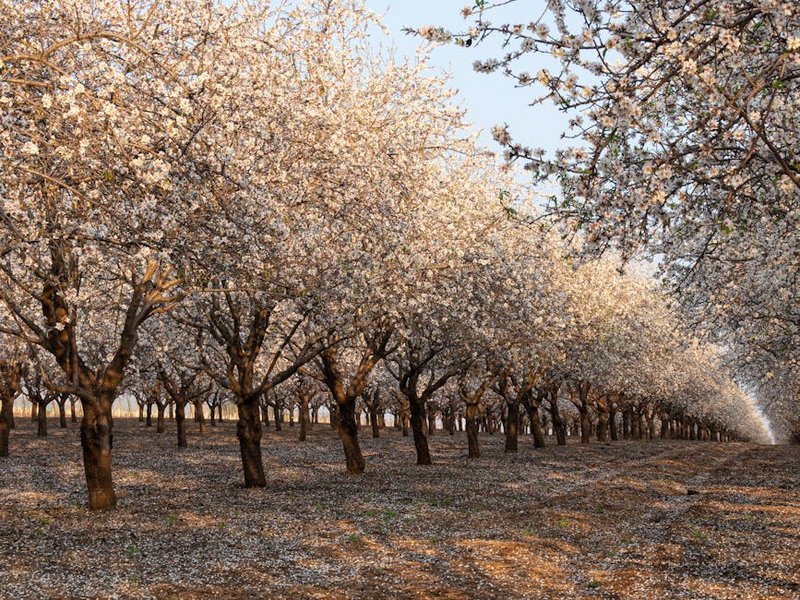
Alt: “ankara-almond-blossom-route-pink-flowers-countryside-road”
Ankara Almond Blossom Route – Planning Your Trip
Successfully navigating the Ankara Almond Blossom Route requires strategic planning around a narrow seasonal window. Your primary goal is to hit peak bloom, which usually falls in the second or third week of March but can shift by a week depending on that year’s weather. Start monitoring local Turkish agricultural reports and social media groups from Ankara in late February for real-time bloom updates.
You will need a rental car for full flexibility, as public transport does not service the orchard roads where the best views are found. Reserve your vehicle well in advance, as demand increases during this popular spring period. Plan for 2-3 full days to drive the main circuit at a leisurely pace, with stops for photos and village exploration.
Accommodation options range from basic guesthouses in rural villages to comfortable hotels back in Ankara city. Booking your stays early is advisable, especially if your visit coincides with a weekend during the peak blossom period. Having a base in Ankara and doing day trips is a completely viable strategy, putting you close to urban amenities each evening.
Best Time to Visit for Peak Blooms
Visit the Ankara Almond Blossom Route between March 10th and March 25th for the highest probability of peak floral displays. Daytime temperatures typically range from 50°F to 60°F (10°C to 16°C), while nights can drop to 35°F (2°C). The weather is unpredictable, with potential for sunny days, rain, or even late snow flurries on higher ground.
The shoulder weeks of early March and early April offer chances to see early or late blooms with significantly fewer visitors. Crowds are most concentrated on Saturdays and Sundays, so planning your core driving days for weekdays will provide a much more peaceful experience. Always pack layers, including a warm jacket and waterproof gear.
Budget Planning and Costs
A trip for this seasonal drive can be tailored to different spending levels, with the largest variable being accommodation.
Essential Preparation Checklist
Pack for variable spring conditions: sturdy walking shoes, a warm fleece, a waterproof and windproof outer layer, sunglasses, and a hat. For photography, bring a DSLR or mirrorless camera with a zoom lens (24-70mm or 70-200mm ideal), a polarizing filter to enhance skies, and extra batteries. A tripod is useful for early morning or low-light shots in the orchards.
Ensure your international driver’s license is valid if required and have printed or offline maps (Google Maps area downloaded) as mobile service can be spotty in rural valleys. Book your rental car with full insurance coverage, as some roads are narrow and unpaved. Travel insurance that covers rental car excess is highly recommended for peace of mind.
Top Sights and Scenic Drives
The blossom trail offers more than just flowers, weaving through areas of significant natural and historical interest. The drive from Ankara towards Güdül sets the stage, with blossoms appearing increasingly frequently as you leave the urban sprawl. From there, routing through the Ayaş and Beypazarı districts presents the most concentrated and scenic orchard landscapes.
Each valley and village offers a slightly different perspective. Some roads wind directly through working farms, while others provide elevated viewpoints over seas of pink and white. Allocating time for unplanned stops is key, as some of the most magical views appear suddenly around a bend in the road, not at a marked attraction.
Must-See Highlights
Lake Mogan and Eymir Lake, south of Ankara, are excellent starting points where early blooms often frame the water’s edge, creating stunning reflections. The Güdül district, about 80 km northwest of the capital, is the heart of almond country, with its villages of Yeşilöz and Kavaköz surrounded by vast, photogenic orchards.
Beypazarı, a historic town en route, is worth a half-day stop for its well-preserved Ottoman architecture, bustling Tuesday market, and local carrot delicacies (Beypazarı kurusu). The Nallıhan Bird Sanctuary, a short detour, offers a dramatic contrast where the pink blossoms meet the unique, rainbow-colored striations of the Duatepe hills, a fantastic photo opportunity.
Hidden Gems and Local Favorites
Venture to the smaller village of Çeltikçi in the Beypazarı region, where lesser-visited orchards offer solitude and authentic encounters with farmers. The road from Beypazarı to Nallıhan (the D140) has several unmarked pull-offs that reveal breathtaking panoramic views of entire valleys blanketed in bloom, far from the common tourist stops.
For a unique experience, visit a local “badem şekeri” (almond candy) workshop in Beypazarı to see how the region’s almonds are transformed into traditional sweets. Inquire at local tea houses (çay bahçesi) about any small, village-based “badem çiçeği” (almond blossom) festivals, which are often informal gatherings celebrating the season with music and food.
Photography Tips for the Route
Golden hour—shortly after sunrise and before sunset—provides the softest, most dramatic light for photographing the blossoms, casting long shadows and enriching colors. Overcast days are actually ideal for close-up floral photography, as the diffuse light eliminates harsh shadows and reveals subtle details in the petals.
Compose your shots to include elements of the Anatolian landscape, such as a lone tree on a hill, a traditional stone house, or a winding dirt path to add depth and context to the floral foreground. Using a shallow depth of field (wide aperture like f/2.8 or f/4) will make your main blossom subject pop against a softly blurred background of other trees.
Practical Travel Information
Navigating the logistics of this trip is straightforward with the right information. Ankara Esenboğa Airport (ESB) is your international gateway, with direct flights from many European hubs and connections from Istanbul. The city itself is a modern capital with excellent infrastructure, serving as the perfect launchpad for your daily drives into the countryside.
While the core blossom viewing is free, costs accumulate from car rental, fuel, accommodation, and meals. The following table breaks down the key expense categories to help you budget effectively for your spring road trip adventure.
| Category | Options/Features | Price Range (USD) |
|---|---|---|
| Economy Car Rental (per day) | Manual transmission, basic insurance, unlimited km | $25-$40 |
| Mid-Range Hotel (per night) | Double room in Ankara, breakfast included, central location | $60-$90 |
| Fuel (for 3-day route) | Unleaded petrol (benzin) for approximately 400 km of driving | $45-$60 |
| Daily Meals (per person) | Local restaurants, village breakfast, street food, drinks | $15-$25 |