Romania Mărțișor Spring Tradition
March 1st in Romania isn’t just a date on a calendar; it’s a vibrant cultural event celebrating the end of winter and the rebirth of spring. This ancient custom revolves around the exchange of Mărțișor ornaments, small tokens of red and white thread worn for health and prosperity. The Romania Mărțișor spring tradition offers a uniquely local experience, blending folklore, community spirit, and seasonal joy that welcomes travelers into the heart of Romanian culture.
The Essence of Mărțișor
The Mărțișor symbolizes the eternal battle between winter and spring, personified by the mythical figures of Baba Dochia and March. Baba Dochia, an old woman embodying winter, throws off her coats as the days get warmer, only to be defeated by the arrival of March’s son. This legend explains the unpredictable March weather and sets the stage for a celebration of hope.
Traditionally, these amulets were crafted from gold or silver coins tied with red and white woolen threads. The red thread represents vitality, love, and summer, while the white thread signifies purity, wisdom, and the last snow of winter. People originally wore them on their wrists or attached to clothing for the entire month to harness their protective power and ensure a fruitful year.
Symbolism and Historical Roots
Understanding the symbols deepens your appreciation for this national celebration.
- The intertwined red and white strings are among Europe’s oldest talismans, with archaeological evidence dating back over 8,000 years to the Dacian civilization.
- Wearing the Mărțișor on the left side, near the heart, was believed to attract positive energies and ward off evil spirits throughout the spring season.
- Modern designs still incorporate traditional motifs like flowers, ladybugs, horseshoes, and four-leaf clovers, each carrying specific wishes for luck, health, and love.
- Budget travelers can manage on $45-65 per day. This covers hostel dorms, market street food like mici (grilled sausages), public transport, and purchasing a few simple Mărțișoare ($2-5 each). Free activities include wandering the festive markets and watching public performances.
- Mid-range visitors should budget $90-140 daily. This allows for private hotel rooms, dining in traditional restaurants, joining guided cultural walking tours ($25-40), and buying several artisan-made talismans ($10-25 each) from certified craftspeople.
- A luxury experience costs $200+ per day. This includes boutique hotel stays, private guided tours of workshops, fine dining, and commissioning custom, jewelry-grade Mărțișoare from master artisans, which can cost $50-150 per piece.
- Romania Tourism
- Romanian Friend – Traditions Guide
Modern Celebrations and Customs
While the core symbolism remains, contemporary practices have evolved. Today, the tradition is primarily one of gifting. Men give Mărțișoare to the important women in their lives—mothers, wives, daughters, teachers, and colleagues—as a token of respect and affection. The recipient wears the token pinned to their coat or blouse throughout March.
On the last day of the month, they tie it to the branch of a fruit tree. This final act is believed to transfer the amulet’s accumulated luck and strength to the tree, encouraging a bountiful bloom and harvest. In cities like Bucharest and Cluj-Napoca, you’ll see entire markets dedicated to selling thousands of unique, handmade designs starting in mid-February.
Where to Experience Authentic Traditions
For the most immersive experience, head to ethnographic museums and rural villages. The “Dimitrie Gusti” National Village Museum in Bucharest hosts special workshops and folklore performances in early March. In Maramureș or Bucovina, villages maintain the most traditional customs, with community gatherings and local artisans demonstrating ancient crafting techniques.
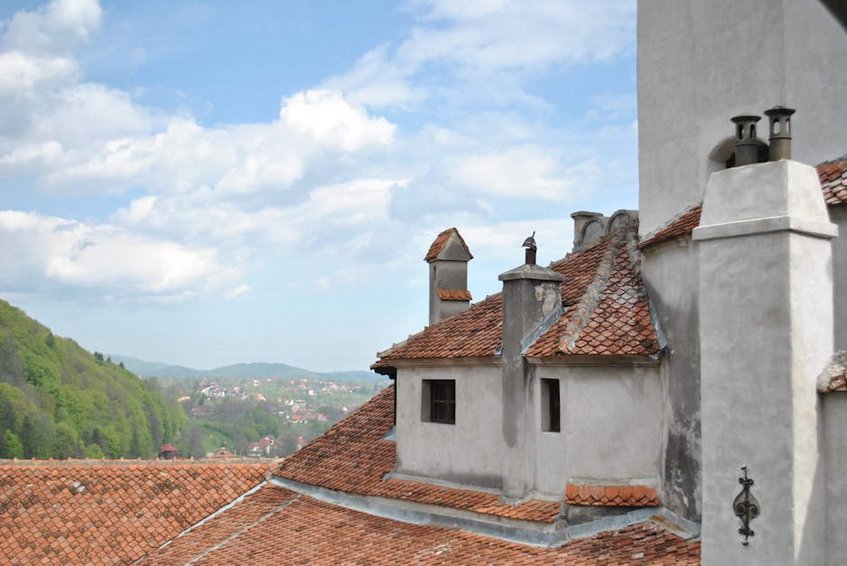
Alt: “traditional-romanian-martisor-talismans-red-white-thread-market”
Romania Mărțișor Spring Tradition – Planning Your Trip
Timing your visit to coincide with this event requires precision, as the main celebrations are concentrated around a single day. The focal point is unquestionably March 1st, with preparations and markets beginning in the last two weeks of February. Your entire Romania Mărțișor spring tradition experience hinges on arriving in late February to catch the building excitement and secure the best handcrafted ornaments before they sell out.
Book accommodations at least two months in advance, especially in major cultural hubs like Bucharest, Sibiu, or Brașov. Flight prices from the US or UK begin to rise in January for early March travel. A week-long trip from February 25th to March 4th allows you to explore markets, attend festivals, and participate in the full cycle of the tradition, including the tree-tying ritual at month’s end.
Best Time to Visit for the Mărțișor
The absolute peak period is from February 20th through March 1st. During this window, daytime temperatures range from 40-55°F (4-13°C), but nights can still drop to freezing, so pack layers. The week leading up to March 1st sees the most vibrant market activity and cultural events. If you miss the main day, visiting in early March still lets you see the ornaments being worn everywhere and catch smaller, local events in towns and villages.
Shoulder season in late March or April offers milder weather, between 50-65°F (10-18°C), and fewer tourists, but you’ll miss the peak festive atmosphere. The tradition itself is confined to March, so planning for any other month means you won’t witness the actual customs, though museums display historical Mărțișoare year-round.
Budget Planning and Costs
Your budget depends on accommodation style and participation level.
Essential Preparation Checklist
Pack for changeable early spring weather. Essentials include a warm, waterproof coat, comfortable walking shoes for cobblestone streets, and layers like sweaters and scarves. Bring a small bag to carry purchased ornaments safely. Having some Romanian Lei (RON) in cash is crucial for market vendors, though cards are accepted in shops and hotels.
Ensure your passport is valid for three months beyond your departure date. US and EU citizens do not need a visa for stays under 90 days. Book airport transfers from Bucharest’s Henri Coandă International Airport (OTP) in advance, especially if arriving in the evening. Learn a few basic Romanian phrases like “Mulțumesc” (Thank you) to enhance your interactions with local artisans.
Top Cultural Activities and Events
Beyond simply buying a token, engaging with the tradition through events creates lasting memories. Major cities host “Mărțișor Fairs” in their central squares, like Piata Revolutiei in Bucharest or Piata Mare in Sibiu. These are bustling open-air markets where hundreds of artisans sell their creations, from simple strings to elaborate beaded designs, often accompanied by live folk music and dance performances.
For a hands-on experience, seek out workshops offered by cultural centers or museums. These sessions, usually lasting 1-2 hours, teach you the symbolism behind the knots and colors while guiding you in making your own Mărțișor to take home. It’s a perfect activity for families or solo travelers wanting a deeper connection to the craft.
Must-See Festivals and Markets
Bucharest’s “Mărțișorul” Festival at the Village Museum is a top highlight. Running for several days around March 1st, it features craft demonstrations, folk ensembles from across Romania, and a massive selection of authentic talismans. Entry costs about $5, and it’s easily reachable by taxi or public bus from the city center.
In Transylvania, the ASTRA Museum in Sibiu hosts a similar, highly atmospheric event amid its collection of historic village buildings. Cluj-Napoca’s central park also transforms with market stalls and seasonal decorations. These events typically operate from 10 AM to 6 PM, with weekends being the busiest but most festive times to visit.
Exploring Beyond the Cities
To see the tradition in its most authentic form, venture into the countryside. Villages in regions like Maramureș hold community gatherings where the giving and receiving of Mărțișoare is a solemn, heartfelt ritual followed by shared meals. Local guesthouses often organize these experiences for visitors, providing translation and context.
Contact a local tour operator to arrange a day trip from Brașov to a nearby Saxon village. Here, you might witness how the tradition blends with other local spring customs. The cost for a private guide and transport for such a trip ranges from $80-120 per person, offering an unparalleled glimpse into rural Romanian life.
Museum Collections and Historical Insights
Several museums house impressive collections of historical Mărțișoare. The National History Museum of Romania in Bucharest displays ancient Roman and Dacian precursors to the modern talisman. The Romanian Peasant Museum has a dedicated exhibit explaining the ethnography and regional variations of the tradition, with artifacts dating back centuries.
Visiting these museums before you hit the markets provides valuable context, helping you distinguish mass-produced items from truly traditional crafts. Museum entry fees are generally affordable, between $3-8 per person, and they offer a warm, educational activity if the March weather turns chilly or rainy.
Practical Travel Information for Your Visit
Navigating Romania during this popular period is straightforward with some planning. The country has a well-connected rail network (CFR) and reliable bus services between major cities. For maximum flexibility, especially for visiting rural areas, consider renting a car. Advance bookings for all transport and lodging are strongly recommended for early March travel.
Romania is a safe destination for travelers, with typical precautions for crowded markets advised. English is widely spoken in tourist areas, hotels, and by younger generations, but learning a few polite phrases in Romanian will be appreciated in smaller towns and workshops. The local currency is the Romanian Leu (RON), and ATMs are widely available.
| Accommodation Type | Best For / Features | Price Range/Night (USD) |
|---|---|---|
| Hostel / Guesthouse | Budget travelers & solo explorers; shared facilities, social atmosphere, often in city centers. | $15 – $35 |
| Mid-Range Hotel / Apartment | Couples & families; private rooms, breakfast included, good locations near old towns. | $50 – $90 |
| Boutique Hotel | Luxury & design seekers; historic buildings, high-end amenities, personalized service. | $100 – $180 |
| Rural Pension | Authentic cultural immersion; family-run, home-cooked meals, deep local connection. | $40 – $75 |