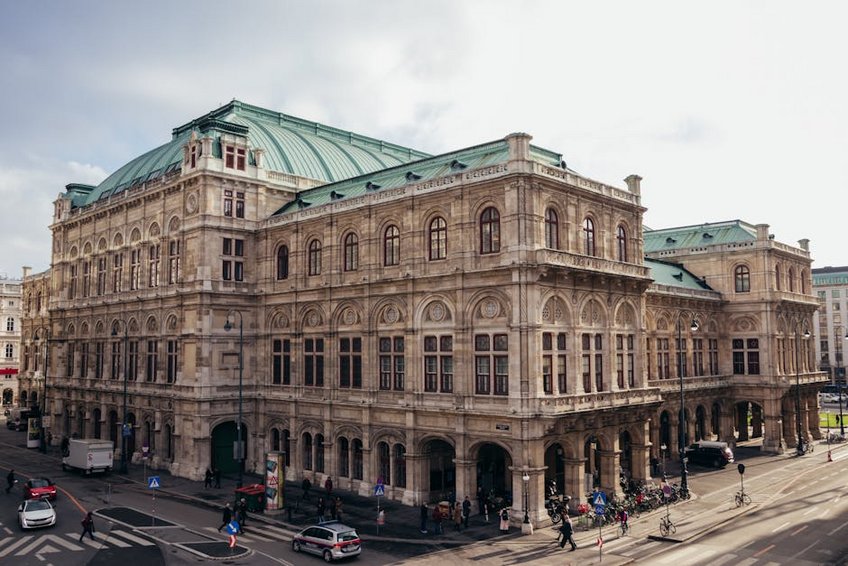
Austria Vienna Easter Concerts: A Springtime Classical Tradition
Vienna’s Easter concerts represent a pinnacle of classical music during the spring season, transforming the city’s historic venues into stages for orchestral brilliance. These performances, often featuring works by Mozart, Beethoven, and Strauss, provide a culturally rich alternative to standard European city breaks. This guide details the essential venues, ticket strategies, and seasonal customs that define Austria Vienna Easter concerts, ensuring you experience the event’s full splendor.
Essential Information for Your Musical Journey
Vienna’s spring music scene centers on several prestigious institutions and churches that schedule special programming around the Easter holiday. The season typically spans from Palm Sunday through Easter Monday, with peak performances concentrated on the Thursday before Easter through Easter Sunday itself. This period sees the Vienna Philharmonic and other renowned ensembles present iconic works, often with a focus on sacred or celebratory compositions fitting the season.
Securing tickets requires early planning, as these are among the most sought-after classical events in Europe. International visitors should note that venues range from the gilded Musikverein to the historic St. Stephen’s Cathedral, each offering a distinct acoustic and atmospheric experience. Understanding the program and location nuances significantly enhances your visit.
What Makes Vienna’s Easter Concerts Special
This musical tradition blends high artistic achievement with deep cultural and historical resonance. The concerts are not merely performances but are integral to Vienna’s identity as a world capital of classical music. They offer a unique opportunity to hear masterworks in the very city where many were composed and first performed.
- The programming often includes requiems, oratorios, and symphonies with thematic connections to renewal and celebration, such as Haydn’s “Creation” or Bach’s “St. Matthew Passion”.
- Venues themselves are historical landmarks, with the Musikverein’s Golden Hall providing an acoustically perfect and visually stunning setting that is emblematic of the city’s musical heritage.
- Many concerts feature world-class soloists and conductors who are closely associated with the Vienna musical tradition, offering an authenticity that is difficult to find elsewhere.
- Budget travelers can target $1,800-$2,500 by booking hostels or private rooms in outer districts like Ottakring, purchasing standing-room or rear-balcony tickets (€30-€80), and using public transport with a weekly pass (€17.10). Meals from Würstelstands and bakeries keep food costs manageable.
- Mid-range visitors spending $3,000-$4,500 will find comfortable hotels in districts like Mariahilf or Landstraße, secure mid-tier seating at major concerts (€100-€250 per ticket), and enjoy traditional meals at Gasthäuser. This tier allows for a guided walking tour and visits to other museums.
- A luxury experience from $5,500+ includes five-star hotels like the Sacher or Hotel Bristol, premium parquet seating at the Musikverein (€300+), fine dining at restaurants like Steirereck, and private car transfers. This also permits last-minute flexibility and exclusive backstage tour opportunities.
- Vienna Tourist Board Official Site
- Musikverein Vienna Concert Schedule
- Vienna Philharmonic Orchestra Official Site
Historical Context and Tradition
Vienna’s relationship with Easter music stretches back centuries, intertwined with the Habsburg court and the city’s many churches. The modern concert series, however, solidified in the latter half of the 20th century as a way to attract cultural tourism during the spring. Institutions like the Vienna State Opera and the Konzerthaus developed dedicated Easter programs that now rival their famous New Year’s offerings.
This evolution created a springtime counterpart to the legendary Silvesterkonzerte. Today, the Easter concerts are a firmly established season, drawing patrons who appreciate the slightly milder weather and the focused, often more contemplative, programming compared to the winter festivities. The tradition underscores Vienna’s year-round commitment to preserving and performing its unparalleled musical legacy.
Key Details at a Glance
The primary season runs for approximately ten days, culminating on Easter Monday. Ticket sales for major philharmonic events often open six to nine months in advance, with prices reflecting the demand for premium seats. Secondary markets exist but come with substantial risk and price inflation, making official channels the recommended route.
Most performances maintain a formal dress code, with many locals and regular attendees opting for elegant attire. While not strictly enforced as opera premieres, smart attire is a sign of respect for the venue, musicians, and the occasion itself. Checking the specific dress expectations for your chosen venue is a wise preparatory step.
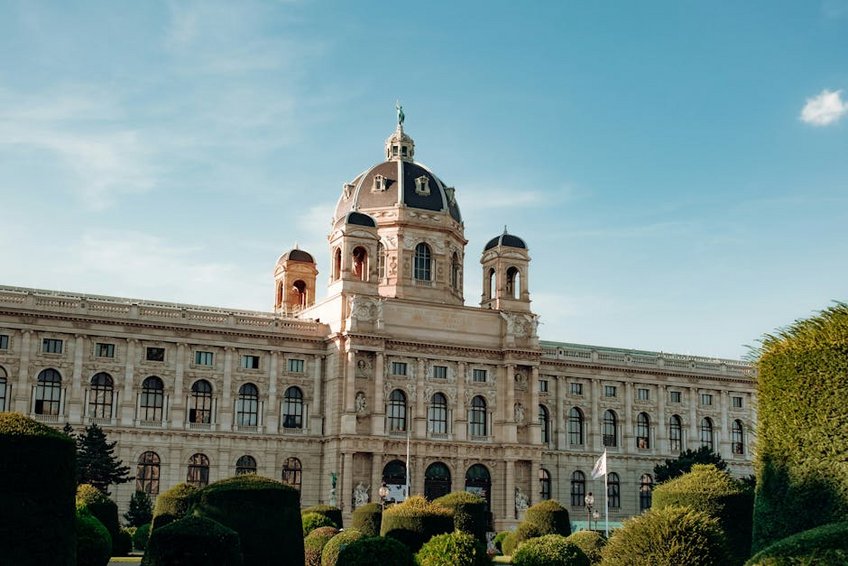
Alt: “vienna-musikverein-golden-hall-easter-concert-audience”
Austria Vienna Easter Concerts: Planning Your Trip
Organizing a visit for Austria Vienna Easter concerts involves synchronizing flight bookings, hotel reservations, and most critically, ticket acquisition. The city’s tourism infrastructure is well-prepared for the influx, but key services book quickly. A successful trip hinges on a timeline that prioritizes securing concert seats first, then building your itinerary around those fixed dates.
Budget considerations should account for premium pricing during this peak cultural period. Accommodation costs in the Innere Stadt (First District) and surrounding central neighborhoods can be 30-50% higher than in late winter. However, the investment grants easy walking access to major venues and the atmospheric Easter markets that spring up in church squares.
Logistically, plan to arrive at least a full day before your first concert to overcome jet lag and familiarize yourself with the city’s efficient public transport. The U-Bahn (subway) and tram network make reaching any venue straightforward. Purchasing a multi-day transit pass upon arrival is both economical and convenient.
Best Time to Visit for Easter Performances
Visit Vienna from late March through mid-April to coincide with the Easter concert season. The precise dates shift yearly with the movable Easter holiday. For 2024, Easter Sunday falls on March 31, placing the core concert week from March 28 to April 1. This period offers the highest concentration of special performances.
Temperatures during this spring window range from 40°F to 60°F (4°C to 16°C), with a mix of sunny days and possible spring showers. Crowds are significant but manageable, especially compared to summer peaks. For a balance of good weather and slightly lower demand, consider the week immediately after Easter, when some concert series continue and tourist numbers begin to taper.
Budget Planning and Costs
Your budget depends heavily on ticket tier and accommodation choice. A baseline mid-range trip for two typically costs between $2,500 and $4,000 for a 5-day visit.
Essential Preparation Checklist
Begin preparations at least six months prior for the best selection. Your first task is researching the official concert schedules, which are typically released in September or October for the following spring. Set reminders for on-sale dates from the Wiener Philharmoniker, Konzerthaus, and Musikverein websites, as tickets for their headline events sell in minutes.
Pack formal concert attire—a suit or dressy separates is appropriate—along with comfortable walking shoes for city exploration. A compact umbrella and a light, packable layer are essential for variable spring weather. Ensure your travel documents are valid for the Schengen Area, and consider purchasing travel insurance that covers trip interruption, crucial for an event-dependent itinerary.
Top Attractions and Musical Experiences
Beyond the headline orchestral concerts, Vienna’s Easter season offers a rich tapestry of musical and cultural events. Smaller chamber ensembles perform in historic palaces, and churches host sacred music services that are open to the public. The city’s atmosphere is uniquely festive, with Easter markets offering handcrafted decorations and seasonal treats that complement the artistic programming.
Integrating these experiences creates a fuller understanding of Viennese Easter traditions. Allocate time to visit the Schönbrunn Palace, where afternoon concerts often feature Mozart and Strauss in ornate historical settings. The Vienna State Opera also presents a special program, though its schedule is separate from the dedicated Easter concert series.
Must-See Concert Highlights
The Wiener Philharmoniker Easter Concert is the season’s undisputed centerpiece, held at the Musikverein. Under the baton of a legendary conductor, this performance sells out immediately. If you miss the primary event, the orchestra often presents additional concerts at the Konzerthaus or a Sunday morning matinee with a slightly more accessible ticket process.
St. Stephen’s Cathedral hosts monumental performances of classical requiems and passions in its awe-inspiring Gothic nave. The acoustics and setting here are profoundly moving, offering a different but equally valid pinnacle of the Easter music experience. Tickets for these are generally more available but should still be secured weeks in advance.
Hidden Gems and Local Favorites
Seek out performances at the Gesellschaft der Musikfreunde or the Mozarthaus Vienna. These smaller venues offer exceptional chamber music and lieder recitals that provide an intimate counterpoint to the grand orchestral events. Programming here is often cleverly thematic, focusing on composers’ Easter-related works or spring-themed pieces.
Local patrons frequently attend the midday concerts offered at many of the city’s historic churches, such as the Karlskirche or the Peterskirche. These are sometimes free or offered for a small donation, presenting a chance to hear talented choirs and organists in an authentic, less tourist-focused setting. Arrive at least 30 minutes early to secure a seat.
Exploring Vienna’s Musical History
Enhance your concert attendance with visits to key musical history sites. The Haus der Musik interactive museum provides excellent context, while the graves of Beethoven, Schubert, and Brahms in the Zentralfriedhof Central Cemetery offer a poignant pilgrimage. Many tour companies offer specialized “Musical Vienna” walking tours during the Easter period that connect these sites with anecdotes about the composers whose work you’ll hear performed.
Practical Travel Information
Vienna is exceptionally well-connected and tourist-friendly. Vienna International Airport (VIE) serves as the primary gateway, with efficient train (CAT) and taxi links to the city center. The public transportation system (Wiener Linien) is comprehensive, reliable, and clean, making it the best way to navigate between venues, hotels, and attractions.
Accommodation ranges from grand historic hotels to modern design apartments. Staying within the Gürtel (the city’s inner ring road) ensures convenient access to all major concert halls and the city’s core attractions. Districts 1 (Innere Stadt), 4 (Wieden), 6 (Mariahilf), and 7 (Neubau) offer the best balance of location, charm, and dining options.
| Category | Options/Features | Price Range (USD per night) |
|---|---|---|
| Luxury Historic Hotel | Hotel Sacher, Hotel Bristol, Palais Coburg. Central location, opulent decor, concierge ticket services. | $450 – $900+ |
| Boutique Design Hotel | The Guesthouse Vienna, 25hours Hotel. Stylish rooms, excellent restaurants, in trendy districts. | $250 – $450 |
| Mid-Range Business Hotel | Motel One, Ibis Styles. Reliable comfort, good locations near transit hubs, modern amenities. | $150 – $250 |
| Budget Hostel/Apartment | Wombat’s City Hostel, private Airbnb. Basic facilities, self-catering options, social atmosphere. | $70 – $150 |