Germany Cologne Carnival Final Days: Your Ultimate Survival Guide
Experiencing the Germany Cologne Carnival final days is a vibrant, chaotic, and utterly unforgettable immersion into one of Europe’s largest street festivals. The climax, from Weiberfastnacht to Ash Wednesday, transforms the entire city into a costumed, singing, and dancing spectacle centered on traditional parades and local “Kölsch” culture. This guide delivers the essential strategies, schedules, and local tips you need to navigate the celebrations like a pro, ensuring you catch every key moment from the Rose Monday parade to the final “Nubbel” burning.
Carnival in Cologne: Essential Background
The Cologne Carnival, or “Kölner Karneval,” is a deeply rooted tradition with a history stretching back to the Middle Ages. Its modern form solidified in the 19th century, serving as a period of merrymaking and social satire before the solemn Lenten season. The festival’s official period, the “Fifth Season,” unofficially begins each year on November 11 at 11:11 AM, but the city truly erupts during the six final crazy days.
Understanding this cultural context is key to appreciating the event’s significance beyond the party. Locals, known as “Kölner,” spend months planning costumes, composing humorous songs, and organizing committee events. The final stretch represents the pinnacle of this community effort, where historic customs and modern revelry collide on a massive scale.
The Structure of the “Crazy Days”
Knowing the official timeline helps you prioritize events and manage your energy during the intense finale. The schedule follows a strict traditional order, each day with its own unique character and highlights.
- Weiberfastnacht (Women’s Carnival): The official start on the Thursday before Ash Wednesday at 11:11 AM. Women traditionally cut off men’s ties, and the city’s female mayor takes symbolic control, kicking off non-stop street parties.
- Friday & Saturday (Schmutziger Donnerstag & Karnevalssamstag): Slightly quieter but filled with official balls, costume parties in large halls, and local neighborhood celebrations perfect for experiencing authentic “Sitzungen” (seated sessions).
- Sunday (Tulpensonntag): Features the “Schull- un Veedelszöch,” a parade of local school and district groups, offering a more familial and community-focused atmosphere than the massive Monday parade.
- Budget Traveler ($50-100/day): Focus on free street parties and parade viewing. Stay in hostels in outer districts, use public transport, eat at imbiss stands (currywurst, fries), and bring a reusable cup for beer from kiosks. Your main cost will be accommodation, even at budget rates.
- Mid-Range Explorer ($150-250/day): Book a hotel in neighborhoods like Ehrenfeld or Belgisches Viertel months ahead. Enjoy sit-down meals at traditional breweries, purchase a grandstand ticket for the Rose Monday parade (approx. $50-80), and attend one official Carnival ball or hall event.
- Luxury Experience ($350+/day): Secure a central hotel like the Excelsior Hotel Ernst or Hyatt Regency with parade views. Enjoy premium grandstand seats with catering, attend exclusive committee galas, and hire a local guide for behind-the-scenes access to traditions and the best party spots.
- Official Cologne Tourism Carnival Portal
- Festkomitee Kölner Karneval e.V.
Key Traditions and Terminology
Familiarizing yourself with a few key phrases and customs will significantly enhance your experience and help you blend in. The local dialect and specific traditions define the Carnival spirit.
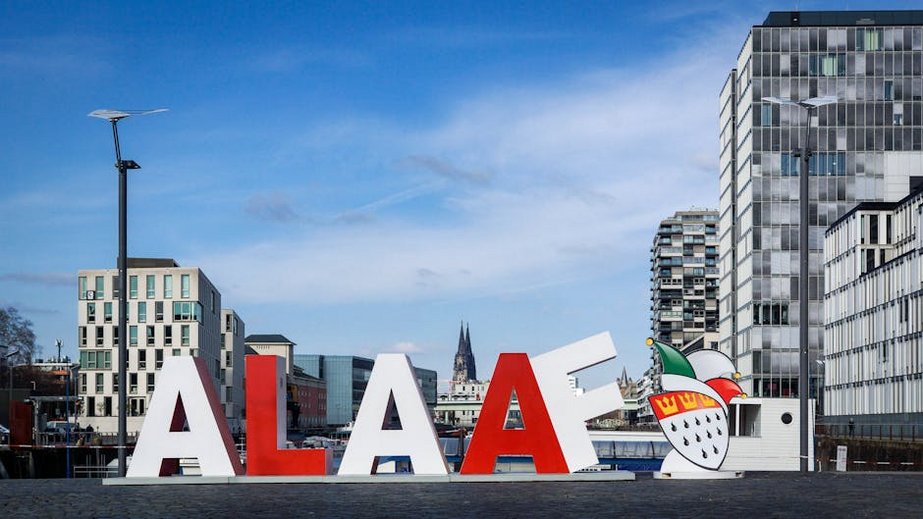
Always greet people with the Carnival cry “Kölle Alaaf!” which translates roughly to “Cologne above all!” The correct response is simply to repeat it. The festival anthem, “Viva Colonia,” will be played incessantly; learning the chorus is highly recommended. Meanwhile, “Kamelle” are the sweets thrown from parade floats, and “Strüssjer” are the small bouquets traditionally given to spectators.
The Role of the Carnival Committees
The elaborate festivities are orchestrated by dedicated Carnival committees, most notably the “Festkomitee Kölner Karneval.” These groups organize the major parades, coronate the festival’s triumvirate—the Prince, Farmer, and Maiden—and uphold centuries-old traditions. Attending one of their official seated sessions offers a glimpse into the organized, often satirical, heart of the celebrations.
Alt: “cologne-carnival-rose-monday-parade-costumed-revelers-street”
Germany Cologne Carnival Final Days – Planning Your Trip
Successfully navigating the Germany Cologne Carnival final days requires strategic planning, as the city operates at absolute capacity. Accommodations within the city center sell out months in advance, and navigating the packed streets demands a clear itinerary. Your budget should account for premium prices for hotels, food, and of course, plenty of Kölsch beer.
Booking your stay at least six months ahead is non-negotiable for securing a reasonable rate and location. Focus on districts like Deutz, on the right bank of the Rhine, which offer good transit links and slightly better availability. Remember, the final days are a marathon, not a sprint; pace yourself by mixing major parade viewing with smaller, local events.
Best Time to Visit for the Carnival Climax
The exact dates for the Germany Cologne Carnival final days change annually, as they are based on the movable date of Easter. The climax always occurs in the week leading up to Ash Wednesday, typically falling in February or early March. The core “Crazy Days” begin on the Thursday prior to Ash Wednesday and end at midnight on Tuesday.
For 2025, Weiberfastnacht is on February 27, with Rose Monday on March 3. Expect cold weather, with average temperatures between 34°F and 43°F (1°C to 6°C). Dressing in warm, layered costumes is essential. While the entire season is lively, the energy and crowd size peak dramatically from Weiberfastnacht through Rose Monday.
Budget Planning and Costs
Costs vary widely based on your participation level, from free street festivities to ticketed balls. Here’s a tiered breakdown to help you plan.
Essential Preparation Checklist
Packing correctly is half the battle for comfort and fun during the cold, crowded festivities. A creative costume is not optional—it’s your ticket to participation. Think warm layers: thermal underwear under your outfit, waterproof boots, gloves, and a hat that works with your costume.
Beyond clothing, essentials include a small backpack for collected “Kamelle” (candy), a sealed water bottle, portable phone charger, and cash (many small vendors don’t accept cards). Download the KVB (Cologne public transport) app, and mentally prepare for large crowds, limited mobile service, and very loud, continuous celebrations.
Top Attractions and Can’t-Miss Events
The final days offer a relentless schedule of events, but several key spectacles define the experience. Prioritizing these ensures you witness the cultural heart of the Carnival. From the symbolic opening to the dramatic closing, each event has its own unique flavor and tradition.
While the massive parades are the main draw, integrating smaller “Veedelszöch” (district parades) and visiting a traditional brewery for a “Sitzung” provide a more nuanced understanding of local Carnival culture. Balancing these large and small experiences will create a richer, more memorable visit.
Must-See Highlights
The Rose Monday Parade is the undisputed pinnacle. Starting at 10:30 AM on Rose Monday, this 7km procession features over 10,000 participants, elaborate floats with political satire, and tons of thrown sweets and flowers. Secure a spot along the route in Severinsviertel or Neumarkt by 8:00 AM.
Weiberfastnacht morning at Alter Markt is pure, chaotic energy. At 11:11 AM, the festival is declared open, marking the start of street parties. The “Nubbel” Burning on Carnival Tuesday night is a poignant, symbolic end. A straw doll, blamed for all sins of Carnival, is burned in front of pubs, signaling the party’s imminent conclusion at midnight.
Hidden Gems and Local Favorites
Venture beyond the Altstadt to discover neighborhood celebrations with a more authentic, less touristy vibe. The “Schull- un Veedelszöch” on Carnival Sunday in the southern districts like Rodenkirchen is cherished by families and offers fantastic photo opportunities with local groups.
For a unique evening, find a “Kneipenkarneval” (pub Carnival) in areas like Ehrenfeld or Sülz. These are informal, music-filled parties in local bars. Alternatively, attending a “Sitzung” (a ticketed show with skits and music) in a community hall provides warmth, seating, and a deep dive into the local humor and songs.
Experiencing the Kölsch Brewery Culture
Carnival and Kölsch beer are inseparable. Visiting a traditional brewery like Früh am Dom, Päffgen, or Mühlen is a must for warming up and soaking in the atmosphere. Waiters, known as “Köbes,” serve beer in small 0.2-liter glasses continuously until you place your coaster on top of your glass.
These breweries often have special Carnival menus and become hubs of singing and socializing. They are ideal for a late lunch or dinner break from the cold streets. Expect shared tables, hearty Rhineland cuisine like “Himmel un Ääd” (black pudding with apples and potatoes), and a truly communal spirit.
Practical Travel Information and Logistics
Navigating Cologne during the Carnival finale requires a clear logistical plan. The city center becomes a pedestrian zone, public transport is packed but efficient, and services adapt to the festival rhythm. Preparing for these conditions will save you time and stress, letting you focus on the celebration.
Accommodation strategy is critical. Prices skyrocket and availability vanishes closer to the dates. Consider your priorities: being in the heart of the action or having a slightly quieter retreat with easy transit access. Booking everything from hotels to parade grandstand seats well in advance is the single most important tip.
| Accommodation Type | Best Locations & Features | Price Range per Night (USD) |
|---|---|---|
| Hostel / Budget Hotel | Deutz, Ehrenfeld; basic amenities, shared facilities, good transit links | $120 – $220 |
| Mid-Range Hotel | Belgisches Viertel, Südstadt; private bath, breakfast included, walking distance to some events | $250 – $400 |
| Luxury / Central Hotel | Altstadt-Nord, near Cathedral; premium amenities, possible parade views, on-site restaurants | $450 – $800+ |
| Apartment Rental | Neighborhoods like Nippes or Bayenthal; kitchenette, more space, longer stay minimums | $200 – $350 |