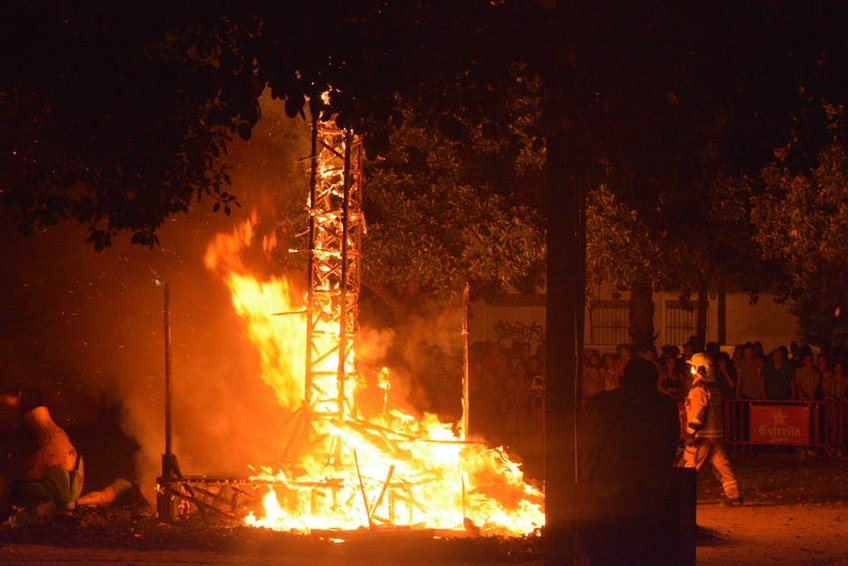
Spain Valencia Fallas Fire Festival Guide
Experiencing the Spain Valencia Fallas Fire Festival is a powerful immersion into a uniquely Valencian tradition of art, fire, and community. The event transforms the city each March with hundreds of elaborate, satirical monuments that are dramatically burned in a cathartic finale. This guide provides the essential planning details, cultural context, and practical tips you need to navigate the crowds, understand the rituals, and fully embrace this unforgettable spectacle.
Essential Festival Information
The Fallas de Valencia is an annual celebration held in honor of Saint Joseph, the patron saint of carpenters, culminating every March 19th. Its origins trace back to medieval carpenters burning wood scraps at winter’s end, which evolved into the elaborate satirical art form seen today. The festival is officially recognized by UNESCO as an Intangible Cultural Heritage of Humanity, highlighting its profound cultural significance.
At its heart, the festival is a city-wide competition among neighborhood groups, called *fallas* committees, who commission massive monuments, or *ninots*, from skilled artists. These sculptures, often costing hundreds of thousands of euros, are works of art packed with political and social satire. The entire city buzzes with daily mascletà firecracker displays, parades, and floral offerings for five days, building toward the climactic *Cremà*, or burning.
Key Festival Dates and Structure
The main events are concentrated from March 15 to 19, known as *Las Fallas* week.
- March 15: The *Plantà* concludes at 8:00 AM, marking the official completion of all fallas monuments. Judges begin their rounds to select winners.
- March 16-17: Daily events include the 2:00 PM *mascletà* in Plaza del Ayuntamiento, an explosive daytime pyrotechnic concert, and evening fireworks shows over the Turia riverbed.
- March 17-18: The *Ofrenda de Flores* sees thousands of falleras in traditional dress parade to the Plaza de la Virgen to create a massive floral tapestry for the Virgin Mary.
- March 19: *La Cremà* begins at 10:00 PM with the burning of the children’s fallas, followed by the main monuments at midnight, culminating with the city hall falla at 1:00 AM.
- Budget Traveler ($70-$120/day): Stay in hostels in Benimaclet or shared apartments booked a year ahead. Eat *bocadillos* from markets, enjoy free street events, and view monuments on foot. Allocate $50 for a reserved seat at a *mascletà* for one day.
- Mid-Range Traveler ($150-$300/day): Book a central hotel 6+ months prior. Dine at traditional *menú del día* lunch spots and occasional nicer restaurants. Budget for paid viewpoints at the *Ofrenda* or a guided tour to understand the history.
- Luxury Traveler ($400+/day): Secure a premium hotel with a balcony overlooking a main plaza for private viewing. Hire a private guide for behind-the-scenes access to *casals* and artist workshops. Enjoy gourmet dining with reservations made months in advance.
- Official Valencia Tourism – The Fallas
- Las Provincias – Fallas News and Guide (Spanish)
Cultural Significance and Symbols
Beyond the explosions and fire, Fallas is a deep-rooted community tradition. Each neighborhood’s identity is tied to its local *casal faller*, the social club that organizes events year-round. The festival is a display of Valencian pride, language, and customs, with traditional music from brass bands filling every street. The elaborate, hand-stitched silk costumes worn by the *falleras* are family heirlooms representing significant financial and cultural investment.
The central irony of the celebration—spending immense effort and money on artworks only to burn them—reflects themes of renewal, satire, and the ephemeral nature of life. It is a collective catharsis, a way for the community to publicly critique the year’s events through art before cleansing the slate with fire. Understanding this context transforms the spectacle from mere party to meaningful ritual.
What to Expect as a Visitor
The atmosphere is overwhelmingly vibrant, loud, and crowded. The constant *mascletà* and fireworks mean the city is never quiet. Streets in the center are packed, especially around major monuments and plaza events. The smell of gunpowder, frying *churros*, and smoke becomes the city’s signature scent. While thrilling, it can be sensory overload; planning quiet retreats to a park or your hotel is wise.
Alt: “valencia-fallas-festival-massive-monument-night-lights”
Spain Valencia Fallas Fire Festival – Planning Your Trip
Planning is absolutely critical for a successful Fallas experience, as the city’s population swells dramatically. Accommodations sell out months in advance, and prices can triple. You’ll need to balance a detailed schedule of must-see events with flexibility for spontaneous discoveries in different neighborhoods. Your visit requires a blend of advance bookings and a willingness to navigate the unpredictable, vibrant chaos of the festival itself.
Securing a hotel or apartment in the city center should be your first priority. Aim for locations near the Turia Gardens or within the districts of Ruzafa, El Carmen, or near the City Hall for optimal access. Booking six months ahead is not excessive. Prepare for a dynamic schedule where the official program dictates your movements, but leave time to wander and discover smaller, local fallas monuments away from the main tourist drags.
Best Time to Visit Valencia for Fallas
The festival’s main events run from March 15 to 19, with preliminary activities starting March 1. Visiting during the core *Fallas week* (March 15-19) offers the full, frenetic experience but requires the most planning and tolerance for crowds. For a slightly less intense introduction, consider arriving around March 12-14 to see the monuments being constructed and enjoy the early *mascletàs*. Early March temperatures range from 50°F to 65°F (10°C to 18°C), with occasional rain.
The shoulder seasons of late March or April miss the festival but offer pleasant city exploration. If your sole goal is the Spain Valencia Fallas Fire Festival, commit to the March dates. Be aware that the festival occurs regardless of weather; rain might dampen crowds but rarely cancels events, though a wet *Cremà* can be less dramatic. Pack layers for cool mornings and evenings.
Budget Planning and Costs
Costs vary significantly based on accommodation timing and dining choices.
Essential Preparation Checklist
Packing correctly is crucial for comfort and safety. Sturdy, comfortable walking shoes are non-negotiable—you will walk miles daily on cobblestones. Ear protection is mandatory, especially for children and sensitive adults; the *mascletà* reaches over 120 decibels. Pack a small backpack with water, snacks, a portable phone charger, and a light rain jacket or sweater for evening chills.
Ensure your travel insurance explicitly covers festival activities. Book all major accommodations and long-distance train tickets to Valencia at least four to six months in advance. Learn a few basic Spanish phrases, particularly for directions and ordering food, as English is not widely spoken in crowded local areas during the event. Download the official Fallas app for real-time maps and schedule updates.
Top Attractions and Festival Activities
While the monumental sculptures are the stars, the festival offers a rich tapestry of daily rituals. The rhythm of each day is punctuated by the earth-shaking *mascletà* at 2:00 PM in the City Hall Square, a daytime pyrotechnic display experienced as much through sound and vibration as sight. Evenings bring the *Nit del Foc* (Night of Fire), a breathtaking fireworks display launched from the old riverbed.
Beyond the pyrotechnics, exploring the different neighborhood fallas is a full-day activity. Each district has its own character, from the grandiose, prize-winning monuments in the city center to the more traditional, community-focused creations in outer neighborhoods. The contrast between the intricate children’s fallas and the towering adult versions offers insight into the artistic scope of the event.
Must-See Highlights
The *Ofrenda de Flores* (Offering of Flowers) on March 17-18 is a profoundly beautiful and emotional procession. Thousands of *falleras* in traditional dress walk for hours to deposit bouquets at the Plaza de la Virgen, constructing a 45-foot-tall floral cloak for the Virgin Mary’s statue. Viewing is free from barriers, but arrive early for a good spot. The final mosaic is a stunning work of ephemeral art.
Experiencing a *mascletà* from within the rope-offered square is essential. You feel the concussive waves in your chest as the rhythmic blasts build to a deafening finale. For the best view of the *Cremà* (the burning), scout locations early on the 19th. The children’s fallas burn at 10 PM, offering a practice run before the main events at midnight. The Falla in Plaza del Ayuntamiento, always the last to burn around 1 AM, is the dramatic culmination.
Hidden Gems and Local Favorites
Venture beyond the center to neighborhoods like Benimaclet or Patraix to see fallas created with strong community spirit, often with less crowded viewing. Visit the *Museo Fallero* to see the *ninot indultat*—the one figurine saved from the flames each year by popular vote—providing a historical archive of the festival’s artistry. It’s a quiet, insightful respite from the street chaos.
For a unique culinary experience, seek out *bunyols de carabassa*, fried pumpkin fritters sold at street stalls run by local fallas committees. They are a traditional festival food. Also, follow the brass bands (*bandas de música*) that roam the streets; they often stop spontaneously, creating impromptu parties that capture the local, festive spirit better than any scheduled event.
Experiencing the Mascletà Like a Local
To truly appreciate the *mascletà*, understand it’s not for visuals but for the visceral, rhythmic experience. Locals judge the quality by the cadence and the final *terremoto* (earthquake) crescendo. Position yourself in the square if possible, or find a side street where you can feel the vibrations. Watch the faces of seasoned Valencians; their nods of approval are the real review. Afterwards, join the crowd for a leisurely lunch, as the city settles into a post-mascletà lull before evening activities begin.
Practical Travel Information
Valencia is well-connected but becomes exceptionally busy during Fallas. The city’s airport (VLC) receives direct flights from major European hubs. High-speed trains (AVE) from Madrid and Barcelona arrive at Valencia Joaquín Sorolla Station, a short taxi ride from the center. Once in the city, be prepared for extensive road closures and diverted bus routes throughout the festival zone.
Public transport, particularly the metro, is your best bet for moving between districts, though stations near major events will be extremely crowded. Taxis are scarce and expensive during peak hours. Many visitors find that a strategically located accommodation allows them to explore the core festival areas entirely on foot, which is the most immersive and practical mode of transport during the busiest days.
| Accommodation Type | Best Locations & Features | Price Range (USD) Per Night* |
|---|---|---|
| Hostel / Budget Guesthouse | Benimaclet area; dorm beds or basic private rooms, shared kitchen, social atmosphere. | $70 – $150 |
| Mid-Range Hotel | Ruzafa or near Norte Station; private bathroom, WiFi, potentially included breakfast. | $200 – $400 |
| Apartment Rental | El Carmen or Old Town; kitchenette, more space, ability to cook meals. | $250 – $500 |
| Luxury / Boutique Hotel | Plaza del Ayuntamiento or Gran Vía; concierge, premium amenities, prime viewing balconies. | $450 – $1000+ |