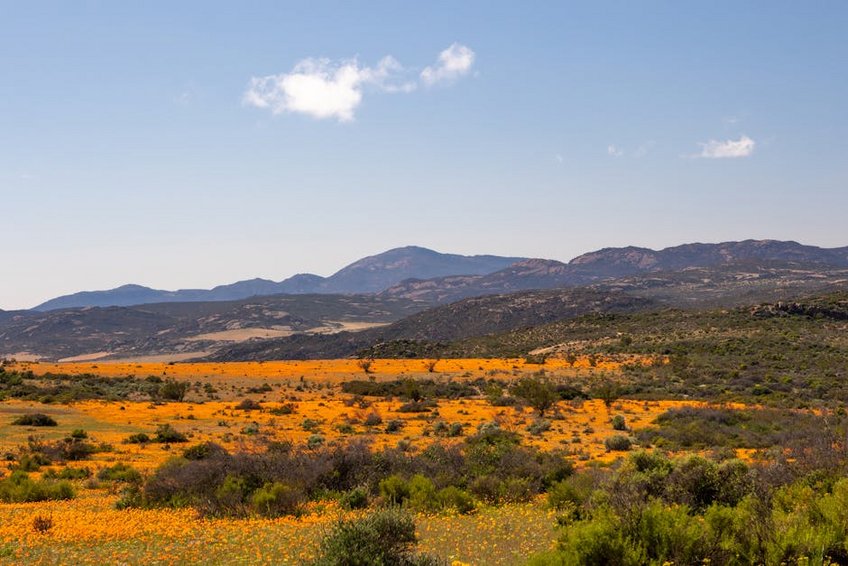
South Africa Namaqualand Flower Season: Witness a Floral Explosion
The South Africa Namaqualand Flower Season transforms an arid desert into a breathtaking sea of color for a few fleeting weeks each year. This natural phenomenon attracts global travelers with its scale and vibrancy, where millions of daisies, lilies, and succulents paint the landscape. Planning your visit requires precise timing and knowledge of this unique ecosystem’s patterns.
Essential Information on the Floral Spectacle
The Namaqualand region stretches across South Africa’s Northern Cape province into southern Namibia. This semi-desert receives minimal rainfall, making the annual bloom a survival mechanism for indigenous flora. Seeds lie dormant for months, waiting for perfect conditions.
Flowers typically blanket the region from late July through September. Exact timing depends on winter rains, with peak viewing often in August or early September. The spectacle occurs across a vast area, not a single park.
Local communities celebrate this period with flower festivals. These events showcase the region’s natural beauty and cultural heritage. They offer guided tours and photography workshops.
The Science Behind the Bloom
Understanding the biology enhances appreciation for this event. The phenomenon relies on a delicate ecological balance.
- Winter rains between May and July provide essential moisture, triggering germination in seeds that have waited sometimes for years.
- Specific temperature ranges between 50°F (10°C) and 77°F (25°C) must follow the rains to support growth without scorching the delicate seedlings.
- The dominant flower species include Namaqualand daisies (Dimorphotheca sinuata), vygies (mesembs), and aloes, each adapted to the harsh climate with unique survival strategies.
- Budget: $700-$900. Includes rental car sharing, self-catering hostel stays, park entrance fees (~$10/day), and supermarket groceries. Focus on free scenic drives and public land.
- Mid-Range: $1,200-$1,800. Covers a solo compact rental car, comfortable guesthouse lodgings with breakfast, dinners at local pubs, and a guided wildflower tour or two for expert insight.
- Luxury: $2,500+. Features a 4×4 rental, premium lodge accommodation with flower-field views, private guided botanical tours, and fine dining experiences with regional wines.
- South African National Parks – Namaqua National Park
- Namaqualand Regional Tourism Information
Cultural and Historical Context
The Nama people, the region’s original inhabitants, have a deep connection to this land. Their knowledge of seasonal patterns is integral to local heritage. European settlement introduced farming, altering some landscapes.
Conservation efforts now protect critical areas like the Namaqua National Park. These initiatives ensure the wildflower spectacle continues for future generations. They balance tourism with ecological preservation.
Regions and Key Viewing Areas
Flowers bloom across Namaqualand, but certain areas offer exceptional displays. The Namaqua National Park is the flagship reserve. Skilpad section is famous for its orange and white daisy carpets.
The Goegap Nature Reserve near Springbok features diverse succulents and flowers. West Coast destinations like the West Coast National Park also feature spring blooms. Each area has slightly different peak times.
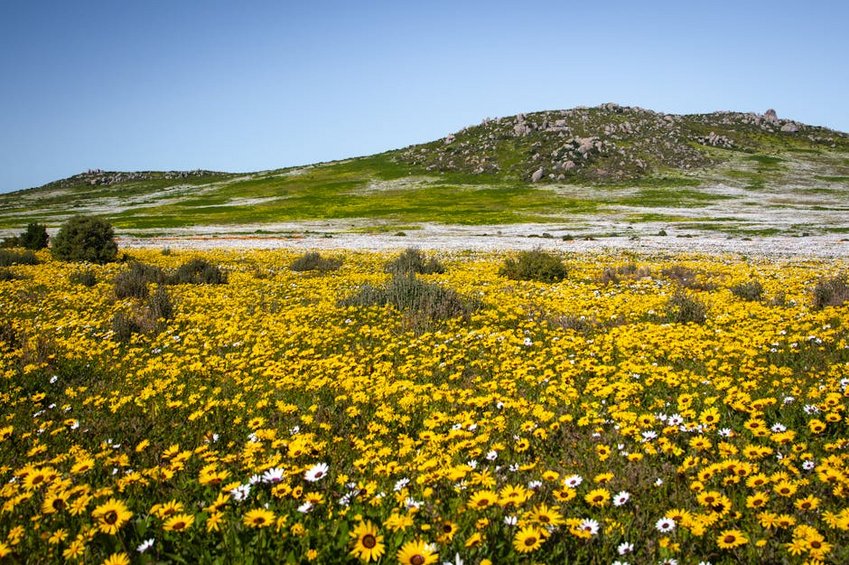
Alt: “namaqualand-flower-carpet-orange-daisies-desert-landscape”
South Africa Namaqualand Flower Season – Planning Your Trip
Successfully experiencing the South Africa Namaqualand Flower Season hinges on flexible planning and realistic expectations. The bloom is a natural event, not a guaranteed attraction. Weather patterns from the preceding winter dictate its intensity and timing.
Book flights and accommodations several months in advance, especially for August. Lodges in small towns like Springbok or Kamieskroon fill quickly. Have a contingency plan for exploring different areas if flowers are late in one location.
Renting a car is non-negotiable for exploring the vast region at your own pace. A standard sedan can access main roads, but some gravel routes to remote farms may require higher clearance. Always confirm road conditions locally.
Best Time to Visit for Peak Blooms
The optimal viewing window typically falls between August 10th and September 10th, but this shifts yearly. For the highest probability of dense flowers, plan for the last two weeks of August. Daytime temperatures range from 60°F to 75°F (16°C to 24°C).
Early mornings after 10 AM are best, as flowers open fully with the sun. They often close on overcast or windy days. Visiting during the week avoids weekend crowds from Cape Town.
Budget Planning and Costs
Costs vary based on travel style and booking lead time. The following estimates are per person for a five-day trip.
Essential Preparation Checklist
Pack layers for variable desert conditions: warm jackets for chilly dawn, hats and sunscreen for strong sun, and a windbreaker. Sturdy walking shoes are essential for exploring off-road paths. Include a reusable water bottle to stay hydrated.
Bring camera gear with macro and wide-angle lenses, extra batteries, and lens cloths. A polarizing filter helps manage glare. Download offline maps like Maps.me, as cellular service is patchy. Ensure your rental car has a spare tire and jack.
Top Attractions and Flower Viewing Activities
This floral journey is about the scenic drives as much as the destinations. The N7 highway north from Cape Town offers the first glimpses of color. Turn onto smaller rural roads like the R355 for more intimate encounters with the bloom.
Photography enthusiasts should scout locations in the afternoon for next morning’s shoot. Light is most dramatic during golden hour. Respect the environment by staying on designated paths and never picking flowers.
Beyond flowers, the region boasts unique quiver tree forests and ancient rock art. These sites provide cultural depth to your visit. Combine them with flower viewing for a full day.
Must-See Highlights and Reserves
Namaqua National Park requires a full day. Drive the 45-mile (72km) circular flower route, stopping at viewpoints like Skilpad. The park’s visitor center provides bloom updates and botanical guides. Entry costs about $10 per adult.
Goegap Nature Reserve features a stunning granite landscape dotted with vibrant vygies and rare succulents. Its 40-mile self-drive loop is excellent for geology buffs. Book the 4×4 trail in advance for access to remote areas.
The Wild Flower Route from Nieuwoudtville to Loeriesfontein showcases incredible diversity. Stop at the Hantam National Botanical Garden for curated displays. This area is known for its bulb varieties.
Hidden Gems and Local Farms
Many private farms open their lands to visitors for a small fee. These often-less-crowded spots offer phenomenal photo opportunities. Look for signs along the R355 near Garies or Kamieskroon.
Visit the tiny town of Leliefontein for a cultural experience alongside flowers. The community-run tourism project shares Nama heritage. Arrangements are best made in person or via local tour operators.
Photography and Guided Tour Tips
Join a specialized botanical tour for the first day. Guides know current bloom locations and plant identification. Operators like Namaqua Adventures offer small-group day trips from Springbok.
For photography, a lightweight reflector can help brighten shaded petals. Shoot from a low angle to capture the flower carpet’s scale. Overcast days provide beautifully diffused light for macro photography.
Practical Travel Information and Logistics
International travelers typically fly into Cape Town International Airport (CPT). From there, it’s a 5-7 hour drive north to the heart of Namaqualand. Consider breaking the journey in the Cederberg region.
Accommodation ranges from basic campsites to luxury lodges. Booking directly with establishments sometimes yields better rates than online portals. Many require a minimum stay during peak season.
Fuel stations are scarce outside main towns. Refuel in Springbok, Kamieskroon, or Garies whenever your tank is half full. Always carry some South African Rand in cash for small farms and rural vendors.
| Accommodation Type | Location & Features | Price Range (USD per night) |
|---|---|---|
| Guesthouse/B&B | Springbok town center; private bathroom, breakfast included, flower advice | $70 – $120 |
| Self-Catering Cottage | On a working farm near Kamieskroon; kitchenette, secluded, direct field access | $90 – $150 |
| Mid-Range Lodge | Namaqua National Park vicinity; swimming pool, restaurant, guided walk access | $150 – $250 |
| Luxury Safari Tent | Private reserve near Garies; all-inclusive, private guide, star-gazing deck | $300+ |