Chile Atacama Desert Bloom: Witness the Driest Place on Earth Come Alive
Experiencing the Chile Atacama Desert Bloom transforms the planet’s most arid landscape into a vibrant, living tapestry of color. This rare natural phenomenon, known locally as “desierto florido,” sees over 200 species of flowers erupt across valleys and plains normally devoid of visible life. Your visit during this fleeting event combines stark lunar geology with delicate floral beauty, offering photographers and nature lovers a truly singular adventure in one of South America’s most dramatic settings.
Essential Desert Bloom Information
The flowering desert phenomenon is a remarkable ecological event unique to this region of northern Chile. It occurs when specific climatic conditions align, primarily involving increased rainfall during the Southern Hemisphere’s winter months. The seeds of these endemic flowers, known as “bulbos,” can lie dormant in the hyper-arid soil for decades, waiting for the perfect conditions to germinate and bloom en masse.
This event is not an annual guarantee. Significant precipitation must fall in the Atacama region between June and August for the bloom to manifest in spring. The intensity and spread of the flowering desert varies dramatically from year to year. Some years produce only sparse patches, while extraordinary years like 2015 saw a superbloom visible from space.
Key Facts About the Phenomenon
Before planning your trip, understanding these core facts will enhance your appreciation.
- The bloom typically occurs between late August and early November, with the peak display usually in September, depending on winter rainfall patterns and subsequent temperatures.
- More than 200 flower species can appear, with dominant varieties including the iconic red “añañucas,” yellow “coronilla del fraile,” and the delicate white “suspiro de campo” or “pata de guanaco.”
- The primary viewing areas are south of the town of Copiapó in the Atacama Region, particularly in Parque Nacional Llanos de Challe and the coastal plains near Huasco.
- Budget: $1,200-$1,800 for 7 days. Includes hostel stays, local bus travel from Copiapó, self-guided visits to free areas, and grocery meals. Fly into Santiago (SCL) and take a budget airline to Copiapó (CPO).
- Mid-Range: $2,500-$3,500 for 7 days. Covers comfortable hotels in Copiapó, guided 4×4 day tours to the best bloom sites ($80-$120 per tour), rental car for flexibility, and meals at local restaurants.
- Luxury: $5,000+ for 7 days. Features all-inclusive stays at remote lodges near the parks, private guides and drivers, customized photography-focused itineraries, and gourmet dining with local ingredients.
- CONAF – Llanos de Challe National Park
- Chile Travel Official Tourism Board
Historical and Ecological Significance
This cyclical event holds deep cultural significance for local indigenous communities. For centuries, the sudden appearance of life in the desert has been seen as a powerful symbol of renewal and abundance. Ecologically, it triggers a brief but intense biological boom, providing critical sustenance for insects, birds like the Chilean tinamou, and small mammals.
The conservation of this event is a national priority. Chile’s National Forestry Corporation (CONAF) actively manages the protected areas where the bloom occurs. Visitors must stay on marked trails to avoid crushing dormant seeds and fragile seedlings. Your respect for these guidelines helps ensure the phenomenon continues for future generations.
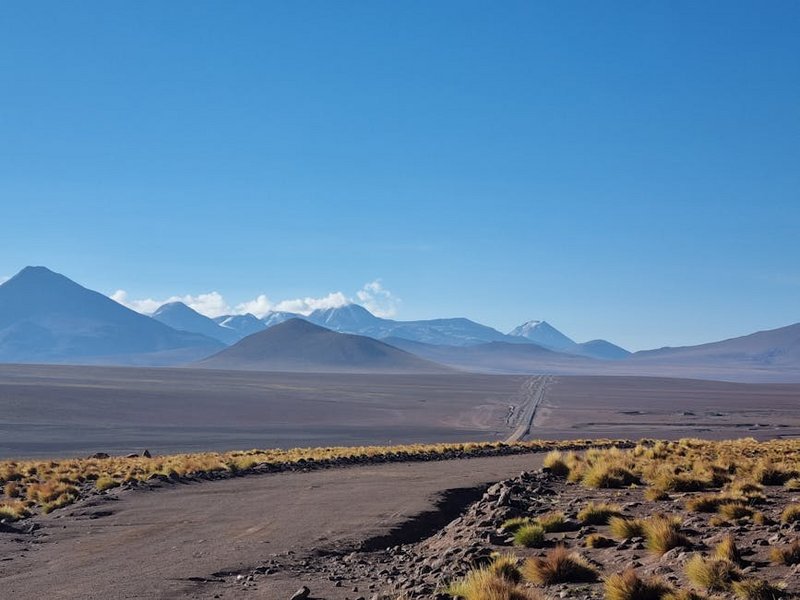
Alt: “atacama-desert-bloom-red-flowers-valley-landscape”
Chile Atacama Desert Bloom – Planning Your Trip
Successfully experiencing the Chile Atacama Desert Bloom requires precise timing and flexible planning. Since the event’s exact timing and intensity are dictated by nature, you’ll need a strategy that accounts for unpredictability. This isn’t a fixed-date festival but a natural spectacle, so building flexibility into your itinerary and bookings is the single most important factor for a rewarding visit.
Focus your travel planning on the broader “window of possibility” rather than specific dates. This approach increases your chances of witnessing the floral display. Monitor regional weather reports from the previous Chilean winter and stay in touch with local tour operators in Copiapó or Vallenar for ground-level updates on flower progress as your travel dates approach.
Best Time to Visit for the Desert Bloom
The optimal viewing period typically falls between September 15 and October 20, but this shifts yearly. Peak bloom usually lasts just 7-10 days once it begins. Daytime temperatures during this season are pleasant, ranging from 65-80°F (18-27°C), while nights can drop to 45-50°F (7-10°C). Crowds are moderate, with most visitors being Chilean nationals on holiday weekends.
If you miss the absolute peak, visiting in late October or early November often still offers beautiful, if slightly diminished, displays with fewer visitors. Early season visits in late August are risky, as the bloom may not have started, while late November visits risk finding only dried, spent flowers under the intensifying sun.
Budget Planning and Costs
A trip focused on the flowering desert involves several cost categories.
Essential Preparation Checklist
Packing correctly is crucial for comfort and safety in the desert environment. You’ll need sun protection above all: high-SPF sunscreen, a wide-brimmed hat, UV-blocking sunglasses, and lightweight, long-sleeved shirts. Sturdy, closed-toe hiking shoes are mandatory for walking on rocky, uneven terrain and protecting your feet from spines.
Bring all necessary documentation, including your passport. US and EU citizens do not need a visa for tourist stays under 90 days. Secure comprehensive travel insurance that covers medical evacuation. Book your accommodations and domestic flights well in advance, especially if your trip coincides with Chile’s Fiestas Patrias in mid-September.
Top Attractions and Viewing Areas
The flowering desert manifests across a specific corridor south of Copiapó. Parque Nacional Llanos de Challe stands as the crown jewel for witnessing this event. This national park, located near the coastal town of Huasco, protects a significant portion of the bloom habitat. Its accessible trails wind through valleys that become carpets of color, with interpretive signs explaining the flora.
The coastal sector between Huasco and Carrizal Bajo offers another spectacular viewing zone. Here, the marine fog, or “camanchaca,” provides additional moisture, supporting unique floral communities. Inland, the plains and foothills near the town of Vallenar and along Route 5 can also erupt in color. The display is never uniform, so exploring multiple areas increases your visual reward.
Must-See Locations for the Bloom
Llanos de Challe National Park requires an entry fee of approximately $8 USD for foreigners. Arrive early in the morning to avoid the midday heat and for the best light for photography. The park has limited facilities, so bring all your water and food. The “Sendero Los Corrales” trail is particularly rewarding for flower diversity.
The Desierto Florido Viewpoint along Route 5, between Copiapó and Vallenar, offers easy roadside access to impressive displays. This is ideal for those with limited mobility or time. Further south, the area around the town of Caldera provides a different landscape where the desert meets the Pacific Ocean, creating dramatic floral backdrops against blue sea views.
Hidden Gems and Local Favorites
Venture to lesser-known Quebrada Las Animas, a valley accessible via a rough dirt road that often sees fewer visitors than the main parks. Locals know the exact spots where rare species like the blue “azulillo” tend to appear. Hiring a local guide from Copiapó is the best way to find these secret gardens, as they have current knowledge of which valleys are flourishing.
For a cultural twist, visit during the “Fiesta de la Flor” in the town of Huasco, a local celebration of the bloom with artisan fairs and traditional music. Exploring the fossil-rich areas near the coast can combine paleontology with botany, as you see flowers blooming around ancient whale skeletons exposed in the sediment.
Photography Tips for the Event
Capture the vast scale by using a wide-angle lens to show flower fields against the expansive desert backdrop. A macro lens is equally essential for intimate portraits of individual blossoms and their intricate details. Shoot during the golden hours—shortly after sunrise and before sunset—when the low angle of light illuminates the flowers and creates long, dramatic shadows.
Protect your gear from the omnipresent fine dust with airtight bags or protective covers. Use a polarizing filter to manage the intense glare and enhance color saturation. Focus on telling a story with your images: the contrast between delicate life and harsh environment, the patterns formed by different species, and the human element of discovery within the landscape.
Practical Travel Information
Reaching the Atacama Desert Bloom region involves a multi-step journey. Most international travelers will fly into Santiago’s Comodoro Arturo Merino Benítez International Airport (SCL). From Santiago, you’ll need to take a domestic flight north to Copiapó’s Desierto de Atacama Airport (CPO), which is served by LATAM and Sky Airline. The flight takes about 1.5 hours.
Copiapó serves as the most practical base for exploring the primary bloom areas. The city offers a full range of services, including car rentals, tour agencies, hotels, and supermarkets. An alternative base is the coastal city of Huasco, which is closer to Llanos de Challe National Park but has fewer tourist services. Having your own rental vehicle provides the greatest flexibility to chase the best blooms.
| Transportation Method | Best For / Details | Approx. Daily Cost (USD) |
|---|---|---|
| Rental Car (4×4 SUV) | Maximum flexibility to explore remote dirt roads; book months in advance during bloom season. | $70 – $120 |
| Guided Day Tours | Expert local knowledge, no driving stress, includes park fees and sometimes lunch. | $80 – $150 per person |
| Local Buses & Colectivos | Budget travel between towns (Copiapó-Vallenar-Huasco); requires taxis to reach specific sites. | $5 – $20 |
| Private Driver/Guide | Customized multi-day itineraries, ideal for photographers and small groups. | $200 – $350 per day |