Arizona Cactus Bloom Season: Your Guide to the Desert’s Colorful Show
The Arizona cactus bloom season transforms the arid Sonoran Desert into a vibrant canvas of color, typically peaking from late March through early May. This annual floral spectacle features iconic saguaros crowned with waxy white flowers, barrel cacti bursting with brilliant yellow and red blooms, and prickly pears adorned with magenta petals. This guide details the best viewing locations, timing predictions based on winter rainfall, and essential tips for planning your desert wildflower adventure successfully.
Understanding the Desert Bloom Phenomenon
Contrary to popular belief, the desert spring floral display is not a guaranteed annual event. Its intensity depends almost entirely on winter precipitation patterns. A wetter-than-average winter, particularly from December through February, provides the crucial soil moisture needed for wildflower seeds to germinate and for cacti to store enough energy to produce prolific blooms.
The bloom follows a predictable sequence, starting with wildflowers like Mexican goldpoppies and lupines in February and March. Cacti then take center stage, with hedgehog and prickly pear varieties flowering in April, followed by the majestic saguaro cactus blooms in May. This staggered schedule means you can witness different stages of the spectacle throughout the spring months.
Key Factors That Influence the Bloom
Several environmental conditions must align for a truly spectacular display. These factors help predict the season’s quality each year.
- Winter Rainfall: The single most important factor; the Tucson area needs 4-6 inches of rain between November and March for a “superbloom,” with consistent, gentle rains being more beneficial than single downpours.
- Temperature Fluctuations: A period of winter chill is necessary for some native wildflower seeds to break dormancy, followed by steadily warming spring temperatures to trigger flowering.
- Elevation Variance: Bloom timing shifts with altitude. Lower desert areas near Phoenix (1,000 feet) may peak in late March, while higher elevations near Tucson (2,400 feet) and Organ Pipe Cactus National Monument (1,500-3,000 feet) often peak in mid-to-late April.
- Budget Option ($75-$125/day): Camp at state parks ($15-$35/night), prepare your own meals, focus on free Bureau of Land Management (BLM) areas and scenic drives. Purchase an America the Beautiful annual pass ($80) for national park access.
- Mid-Range Option ($200-$350/day): Stay in chain hotels or vacation rentals near park entrances, enjoy a mix of casual and mid-tier restaurant meals, join a guided wildflower walk ($25-$50 per person), and rent a standard SUV for dirt road access.
- Luxury Option ($450+/day): Book a resort with guided botanical tours in Scottsdale or Tucson, dine at award-winning Southwestern cuisine restaurants, hire a private naturalist guide for a full day ($400-$600), and use a high-clearance 4×4 vehicle for remote desert track exploration.
- Arizona-Sonora Desert Museum
- National Park Service – Saguaro National Park
The Star Species of the Show
While hundreds of species flower, a few iconic cacti define the season. The saguaro, Arizona’s state flower, produces stunning white blossoms that open at night and close by mid-afternoon. Each flower only lasts about 24 hours, but a mature saguaro can produce hundreds over several weeks.
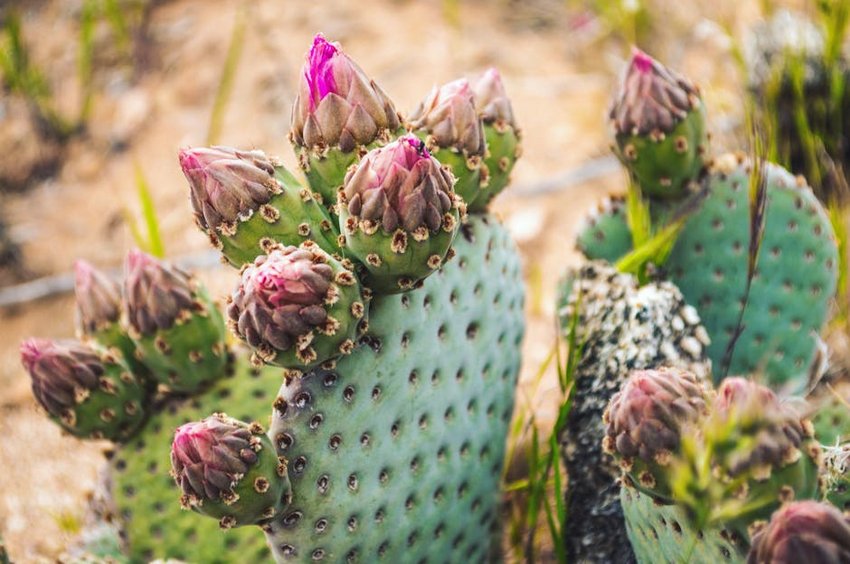
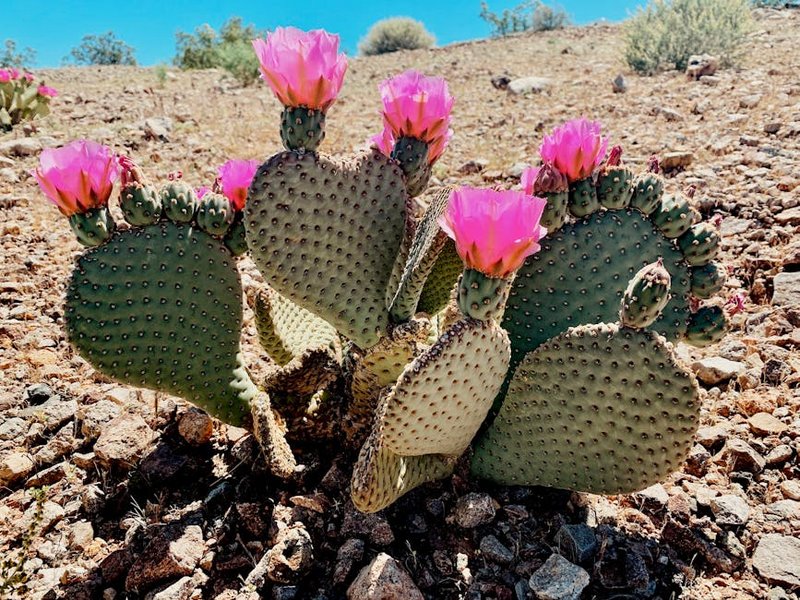
Barrel cacti add vivid rings of yellow, orange, or red to the landscape, often flowering in a crown at the top of the plant. Prickly pear cacti offer some of the most dramatic colors, with pads edged in brilliant fuchsia, yellow, or red blooms that later develop into edible tunas (fruit).
Conservation and Ethical Viewing
The fragile desert ecosystem requires respectful visitation. Stay on established trails to avoid crushing delicate wildflowers and cryptobiotic soil crusts, which can take decades to recover. Never pick flowers or damage cacti; it’s illegal in state parks and national monuments and robs others of the experience.
Photographers should use zoom lenses instead of trampling vegetation for a closer shot. Always pack out all trash, as even biodegradable items like apple cores can introduce non-native species and disrupt the delicate desert balance.
Alt: “saguaro-cactus-white-blooms-sonoran-desert-spring-arizona”
Arizona Cactus Bloom Season – Planning Your Trip
Successful viewing of the spring floral display requires strategic planning around variable desert conditions. First, monitor bloom reports from reliable sources like the Desert Botanical Garden or Arizona State Parks in February to gauge the season’s potential. Flexibility is your greatest asset, as peak bloom can shift by 1-2 weeks based on final spring warm-up patterns.
Your budget should account for higher accommodation rates in peak spring months. Expect to spend between $150-$250 per night for mid-range hotels near major parks. Booking lodging 60-90 days in advance is essential for popular gateways like Tucson, Phoenix, and Sedona during prime wildflower weekends.
Physical preparation is just as important. Daytime temperatures can range from a pleasant 75°F (24°C) in March to over 95°F (35°C) in May, while nights can still drop into the 50s°F (10-15°C). Plan to start your viewing hikes early in the morning to avoid the heat and catch flowers in full morning light.
Best Time to Visit for Peak Blooms
The optimal window typically falls between late March and late April across most of central and southern Arizona. For saguaro blooms specifically, target the first three weeks of May. Early March often showcases the best wildflower carpets if winter rains were ample, while late May transitions into hotter, drier conditions where fewer flowers remain.
Shoulder seasons offer different advantages. A late February trip might catch early bloomers with smaller crowds, while early June visits to higher elevations like the Chiricahua Mountains can extend the season. Summer monsoons (July-August) trigger a separate, lesser-known bloom cycle for some cactus species.
Budget Planning and Costs
A trip focused on the desert bloom can be tailored to various budgets, with the largest variables being lodging and park entrance fees.
Essential Preparation Checklist
Packing correctly ensures comfort and safety in the desert environment. Footwear is critical—sturdy, closed-toe hiking shoes with good traction are mandatory for rocky, uneven trails. Your daypack must include at least one gallon (4 liters) of water per person per day, high-SPF sunscreen, a wide-brimmed hat, and sunglasses.
Documentation should include printed maps or offline maps on your phone, as cell service is unreliable in remote bloom areas. Secure travel insurance that covers emergency evacuation, and always inform someone of your hiking itinerary. A basic first-aid kit with tweezers for cactus spines is highly recommended.
Top Locations for Spectacular Wildflower and Cactus Viewing
Central and southern Arizona host numerous renowned sites for witnessing the floral transformation. The Sonoran Desert regions surrounding Tucson and Phoenix provide the most consistent and accessible displays, particularly in protected national monuments and state parks. Elevation changes from the low desert to sky island mountain ranges create microclimates with varied bloom times, extending the viewing season.
For the quintessential saguaro forest experience, the Tucson Mountain District of Saguaro National Park is unparalleled. Meanwhile, the higher deserts near Superior and Globe showcase stunning combinations of orange globe mallow and purple lupine beneath iconic rock formations. Each area offers a unique perspective on the desert’s spring renewal.
Must-See Parks and Preserves
Saguaro National Park, split into east and west districts near Tucson, is the crown jewel for saguaro blooms. The west district’s Bajada Loop Drive offers excellent roadside viewing in May, while the east district’s Cactus Forest Drive has interpretive pull-outs. Park entry costs $25 per vehicle for a 7-day pass, with peak morning viewing hours between 6-10 AM before flowers close.
Lost Dutchman State Park, near Apache Junction, features breathtaking wildflower fields with the Superstition Mountains as a backdrop from March to April. Day use fees are $10 per vehicle. Picacho Peak State Park, between Tucson and Phoenix, is famous for its hillsides blanketed in goldpoppies, best visited in March with a $7 vehicle entry fee.
Organ Pipe Cactus National Monument, a UNESCO Biosphere Reserve, showcases a different array of columnar cacti and is less crowded. The 21-mile Ajo Mountain Drive is a self-guided tour through stunning bloom landscapes, best in April. The $25 vehicle fee is valid for seven days.
Hidden Gems and Scenic Drives
Beyond the major parks, several less-crowded locales offer intimate bloom experiences. The Boyce Thompson Arboretum in Superior combines cultivated gardens with native desert trails, providing expert-labeled flora for easy identification. The Apache Trail (State Route 88) from Apache Junction to Roosevelt Lake is a breathtaking, partially unpaved scenic drive through epic wildflower country in spring.
For a truly remote adventure, the Cienega Creek Natural Preserve or the lands surrounding the small town of Ajo offer vast, untouched displays. Always check road conditions for these areas, as some require high-clearance vehicles after rain. Visiting mid-week at these spots almost guarantees solitude among the flowers.
Botanical Gardens for Guaranteed Displays
For those with limited mobility or time, or during years with poor wildflower blooms, botanical gardens provide a curated, guaranteed showcase. The Desert Botanical Garden in Phoenix has an extensive collection of cacti and succulents that flower predictably. Their annual “Spring Bloom” event includes guided tours and photography workshops.
Tucson’s Tohono Chul Park blends gardens with natural desert, offering serene pathways through blooming native plants. These institutions also serve as excellent information hubs, with staff providing current bloom reports for the surrounding region, helping you plan your subsequent off-site explorations.
Practical Travel and Logistics Information
Navigating Arizona’s bloom regions requires understanding the state’s spread-out geography. Most international travelers fly into Phoenix Sky Harbor International Airport (PHX) or Tucson International Airport (TUS). Phoenix serves as a better hub for northern and western sites like Lost Dutchman and the Harquahala Mountains, while Tucson is ideal for southern destinations like Saguaro National Park and Organ Pipe.
Accommodation options range from rustic campgrounds within state parks to luxury desert resorts. Booking early is non-negotiable for the spring season. Consider splitting your stay between two bases—like Tucson and the Phoenix/Scottsdale area—to minimize long daily drives and maximize your time on trails during the cooler morning hours.
| Location Type | Recommended Areas & Features | Average Nightly Rate (USD) – Spring |
|---|---|---|
| Urban Base (Phoenix) | Scottsdale or Downtown Phoenix; easy access to Desert Botanical Garden, Camelback Mountain trails, and freeway routes north. | $180 – $300 |
| Desert Gateway (Tucson) | Foothills area or near Saguaro National Park East; proximity to mountain canyon trails and best saguaro groves. | $140 – $250 |
| Small Town Charm | Bisbee, Tubac, or Patagonia; artistic communities surrounded by rolling hills with wildflowers, fewer crowds. | $120 – $200 |
| In-Park Camping | Saguaro NP, Lost Dutchman SP, Picacho Peak SP; wake up to blooms, reserve sites 6 months in advance on Recreation.gov. | $15 – $35 |