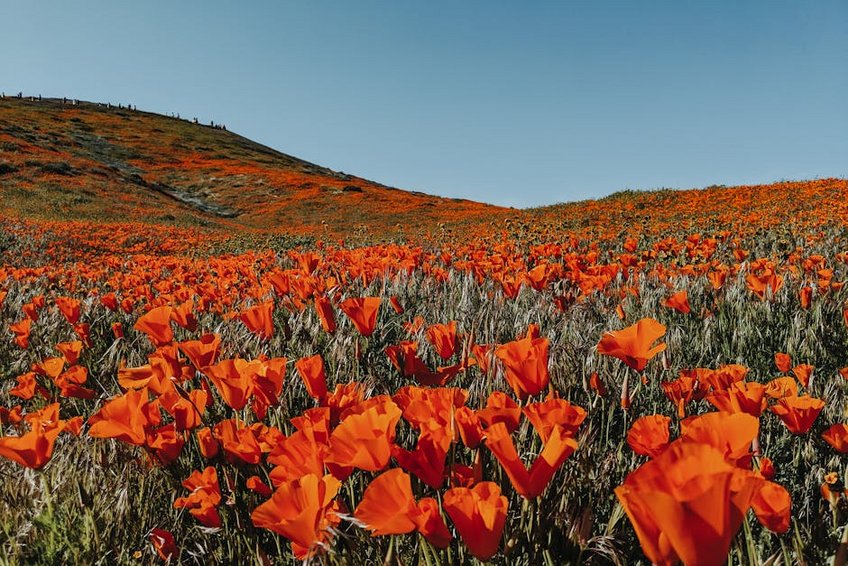
California Poppy Super Bloom: Your Ultimate Guide to Witnessing Nature’s Orange Spectacle
The California poppy super bloom is a breathtaking natural event where vast landscapes transform into seas of vibrant orange. This phenomenon occurs when winter rains are followed by perfect spring conditions, triggering a synchronized explosion of the state’s official flower. Understanding the timing, locations, and responsible viewing practices is essential for planning a successful trip to see this fleeting spectacle.
Essential Information About the Wildflower Bloom
The super bloom is an irregular, non-annual event dependent on specific environmental conditions. It typically follows a wet winter with consistent, gentle rainfall, allowing wildflower seeds to germinate and thrive. The bloom period is short, often lasting just a few weeks in peak intensity before the desert heat arrives.
Notable blooms have occurred in 2017, 2019, and 2023, showcasing the event’s unpredictability. The most famous location is the Antelope Valley California Poppy Reserve, but blooms can appear across many state parks. The intensity varies yearly, with some seasons offering modest displays and others creating historic carpets of color.
What Triggers the Floral Explosion?
Several factors must align perfectly for a super bloom to occur. Understanding these helps set realistic expectations for your visit.
- Adequate Rainfall: The desert requires 5-7 inches of rain spread over fall and winter to hydrate the dormant seed bank in the soil sufficiently.
- Ideal Temperatures: Consistent, mild spring weather without late frosts or early heatwaves allows the delicate poppies to flourish and bloom simultaneously.
- Minimal Wind: Strong winds can damage flower petals and dry out the soil prematurely, shortening the bloom window significantly.
- Budget Trip ($150-$300): Day trip from Los Angeles with packed food, using a state parks pass for entry ($10). Save by carpooling, avoiding weekend visits, and using free viewing areas outside main reserves.
- Mid-Range Weekend ($500-$800): One-night stay in Lancaster or Palmdale motels, dining at local restaurants, and reserving guided tour slots if desired. This offers balance between comfort and cost.
- Premium Experience ($1,200+): Multi-day stay at boutique lodges near Carrizo Plain, private photography tours at golden hour, and fine dining. Includes flexibility to chase blooms across multiple locations.
- California State Parks – Antelope Valley Poppy Reserve
- DesertUSA Wildflower Reports
- Theodore Payne Foundation Wildflower Hotline
Key Locations for Poppy Viewing
While the Antelope Valley reserve is iconic, several other regions offer spectacular displays. Walker Canyon near Lake Elsinore gained fame in 2019 for its hillside blankets of orange. Carrizo Plain National Monument provides a more remote, pristine viewing experience for those willing to travel farther.
Other reliable spots include the Chino Hills State Park and certain areas along Interstate 5 near the Grapevine. Local park websites and wildflower hotlines provide weekly updates on which areas are peaking. Always check official resources before embarking on your journey.
Understanding the Ecosystem
The poppy fields are part of a fragile desert ecosystem. The flowers provide critical nectar for pollinators like bees and butterflies. Their brief lifecycle is adapted to the harsh environment, completing reproduction before summer’s arid conditions return.
Visitors must stay on designated trails to protect the plant roots and seed beds for future seasons. The surrounding habitat supports other wildlife, including lizards, birds, and rodents, all dependent on the annual floral cycle. Responsible viewing ensures this phenomenon continues for generations.

Alt: “antelope-valley-poppy-reserve-orange-blanket-wildflower-field”
California Poppy Super Bloom – Planning Your Trip
Your super bloom adventure requires precise timing and flexible planning due to the event’s unpredictable nature. Monitor rainfall reports from the previous winter and follow official state park social media accounts for bloom status updates. Peak bloom typically occurs from mid-March through early April, but this window shifts yearly.
Budget for variable costs, as last-minute travel during peak weekends carries premium prices. Consider visiting on a weekday to avoid the largest crowds and secure better accommodation rates. Your preparation should include backup dates and alternative locations in case your primary destination hasn’t peaked yet.
Bookmark the Theodore Payne Foundation’s wildflower hotline for the most accurate, weekly reports. This nonprofit provides expert, unbiased updates on bloom locations and intensity across Southern California. Their information is more reliable than social media trends, which often feature older photos.
Best Time to Visit for Peak Blooms
Visit the poppy fields between late March and mid-April for the highest probability of peak color. This period follows the warming spring days that encourage the flowers to open fully. Daytime temperatures typically range from 65-75°F (18-24°C), with cool mornings around 50°F (10°C).
Shoulder seasons in early March or late April may still offer beautiful displays, especially at higher elevations. Bloom progression moves from lower deserts to higher valleys. Off-season visits outside this window risk missing the flowers entirely, as the plants quickly go to seed once temperatures consistently exceed 80°F (27°C).
Budget Planning and Costs
Costs vary dramatically based on spontaneity and travel style. Planning months in advance yields the best value.
Essential Preparation Checklist
Pack for variable desert conditions with layered clothing, including a warm jacket for mornings and a hat for afternoon sun. Essential gear includes sunscreen, sunglasses, sturdy closed-toe shoes for rocky trails, and a refillable water bottle—plan for at least one gallon per person per day.
Bring necessary documentation like your state parks pass or cash for entry fees. Book accommodations with free cancellation policies due to bloom unpredictability. Prepare for limited cell service in remote areas by downloading offline maps and bloom location coordinates before you depart.
Top Viewing Spots and Photography Tips
Antelope Valley California Poppy Reserve offers eight miles of trails through protected fields, with panoramic views from its modest hills. Arrive at opening time (usually 5 AM) for parking and soft morning light. The reserve provides poppy-protecting boardwalks in high-traffic areas for ideal photography angles.
Walker Canyon features steep hillsides densely covered in poppies, creating a dramatic amphitheater of color. Access here is often regulated during peak bloom, requiring shuttles from designated parking lots. Check Riverside County Parks for current access protocols before visiting this location.
Carrizo Plain National Monument delivers a vast, untouched landscape with fewer visitors but requires more driving. The remote location offers incredible night sky photography opportunities above the flowers. A high-clearance vehicle is recommended for some dirt road access points within the monument.
Must-See Highlights and Trails
The Antelope Valley Reserve’s “Poppy Trail Loop” is a 1.5-mile moderate hike offering the most iconic vistas. For a longer walk, the “Antelope Loop Trail” extends to 7 miles with varying elevation. Both trails provide interpretive signs explaining the local ecology and poppy lifecycle.
At Walker Canyon, the main trail follows an old roadbed for approximately 2 miles round trip with steady elevation gain. The higher you climb, the more impressive the view of the orange blanket below. Remember that drone use is prohibited in all state parks and most wildflower areas without special permits.
In Carrizo Plain, the “Soda Lake Boardwalk” offers an easy, accessible path with potential for poppies mixed with other wildflowers like purple phacelia. The “Caliente Ridge Road” provides sweeping overviews for panoramic photography, best visited in late afternoon light.
Hidden Gems and Local Favorites
Local enthusiasts often visit the less-publicized “Poppy Fields” near Gorman, accessible from the 5 Freeway. These areas on the Tejon Ranch can be spectacular with fewer crowds but require checking access permissions as they are on private land. The Wind Wolves Preserve also hosts beautiful displays later in the season.
For a different perspective, the California Citrus State Historic Park in Riverside sometimes has poppy displays among its groves. The Point Mugu State Park in the Santa Monica Mountains offers coastal canyon views with poppies on hillsides overlooking the Pacific Ocean, typically blooming slightly later than inland deserts.
Photography Techniques for Golden Hour
Capture the poppies during golden hour—the first hour after sunrise or before sunset—when the low-angle light intensifies their orange glow. Use a polarizing filter to reduce glare from the petals and enhance sky contrast. A tripod is essential for sharp images in the low light of early morning.
Experiment with depth of field by using a wide aperture (f/2.8-f/5.6) to isolate individual flowers against a soft background. For landscape scenes, use a narrower aperture (f/8-f/16) to keep the entire field in focus. Include elements like Joshua trees, rock formations, or winding trails to add scale and context to your floral images.
Practical Travel Information and Logistics
Transportation to bloom areas primarily requires a personal vehicle, as public options are extremely limited. Traffic congestion on peak weekend days can turn a two-hour drive from Los Angeles into four hours. Consider arriving at your destination by 7:00 AM to secure parking and enjoy the fields before the midday heat closes the flowers.
Accommodation options near major reserves fill months in advance during anticipated super bloom years. Lancaster and Palmdale offer standard hotel chains, while smaller towns like Mojave have limited motels. For Carrizo Plain, the nearest substantial lodging is in Santa Margarita or Atascadero, requiring longer daily drives to the fields.
| Accommodation Type | Location & Features | Price Range/Night (USD) |
|---|---|---|
| Budget Motel | Lancaster/Palmdale: Basic amenities, free parking, often includes breakfast | $90-$140 |
| Mid-Range Hotel | Antelope Valley: Pool, fitness center, better dining options nearby | $150-$220 |
| Vacation Rental | Near Carrizo Plain: Full kitchen, multiple bedrooms, scenic views | $200-$350 |
| Boutique Inn | Santa Margarita: Historic charm, personalized service, evening wine reception | $250-$400 |