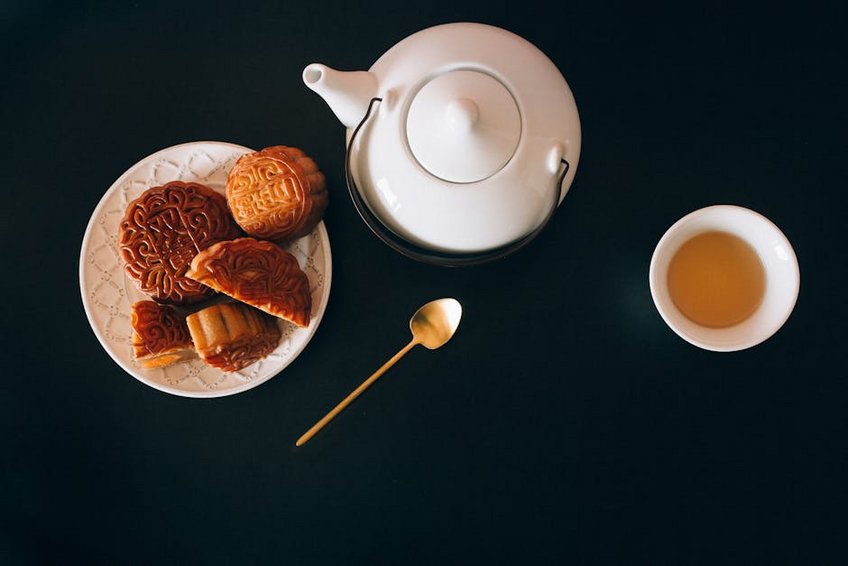
Luoyang Peony Festival: China’s Spring Bloom Spectacle
The annual Luoyang Peony Festival transforms this ancient capital into a vibrant sea of color each spring. As China’s national flower, the peony takes center stage across the city’s imperial gardens, public parks, and historical sites. This guide details the festival’s schedule, top viewing spots, and essential cultural insights to plan your visit effectively.
Essential Festival Information and History
The Luoyang Peony Festival celebrates a flower deeply woven into Chinese art and culture for over 1,500 years. Its origins trace to the Sui Dynasty, with formal garden displays beginning in the Tang Dynasty when Luoyang was the empire’s eastern capital. The modern festival, established in 1983, honors this legacy while attracting millions of domestic and international visitors.
Timing aligns perfectly with the peony’s natural blooming cycle in the region’s temperate climate. The event showcases over 1,200 cultivated varieties, from classic single-petal blooms to rare multi-layered hybrids. Each cultivar carries symbolic meaning, with colors representing prosperity, romance, and nobility in traditional Chinese symbolism.
Key Festival Dates and Locations
The festival operates across multiple venues, each offering a distinct viewing experience.
- Official Dates: The festival typically runs from April 1 to May 5, with peak bloom occurring between April 10-25. Exact dates shift slightly yearly based on spring temperatures.
- Primary Venue: The National Peony Garden is the festival’s heart, displaying the most extensive collection. Secondary sites include Wangcheng Park, Luopu Park, and the China National Flower Garden.
- Night Viewings: Several gardens extend hours for illuminated peony displays, creating a magical atmosphere after sunset with specialized landscape lighting.
- Budget Traveler ($60-80 USD/day): Stay in hostels or budget hotels ($25), eat at local noodle shops ($15), use public buses ($2), and visit 1-2 gardens daily ($20). Focus on free activities like walking along the Luo River banks.
- Mid-Range Traveler ($120-180 USD/day): Book comfortable business hotels ($70), enjoy restaurant meals ($30), use taxis between venues ($15), and purchase multi-garden passes ($25). Include one guided historical tour.
- Luxury Traveler ($250+ USD/day): Reserve five-star hotels like the Hilton ($120), dine at upscale restaurants ($50), hire a private car with driver ($80), and book exclusive early-access garden tours ($40). Add a private calligraphy or tea ceremony experience.
- Luoyang Municipal People’s Government
- China Highlights Travel Information
Understanding Peony Symbolism
In Chinese culture, the peony symbolizes wealth, honor, and peace. Known as the “King of Flowers,” it frequently appears in classical paintings, poetry, and embroidery. During the festival, you’ll notice specific color meanings guiding displays and gift-giving traditions.
Red peonies represent wealth and passion, making them popular for celebratory occasions. White blossoms symbolize purity and elegance, often used in more refined artistic settings. Rare purple and black varieties denote uniqueness and are highly prized by horticultural enthusiasts visiting the event.
Ticketing and Entry Details
Each garden maintains separate admission, with combo passes available for major venues. The National Peony Garden charges approximately $15 USD (¥100 RMB) for peak season entry. Prices drop to around $9 USD (¥60 RMB) during early and late blooming periods.
Purchase tickets online through platforms like Ctrip or Meituan to avoid long queues. Most sites offer discounted rates for seniors over 60 and children under 1.2 meters tall. Keep your ticket for re-entry on the same day, as exploring large gardens often requires breaks.
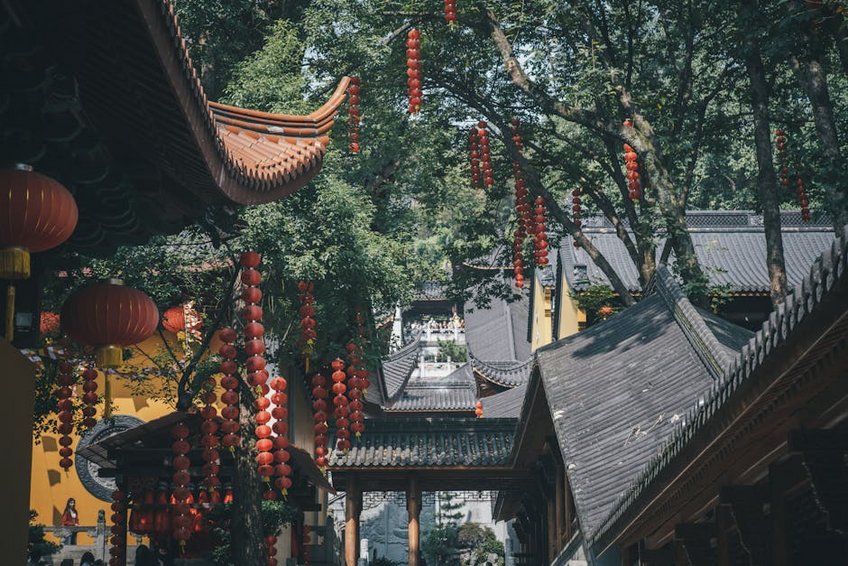
Alt: “luoyang-national-peony-garden-spring-bloom-display”
Luoyang Peony Festival – Planning Your Trip
Successful festival visits require strategic timing and advance reservations. Early April offers fewer crowds, while mid-April guarantees the fullest blooms but larger audiences. Your Luoyang Peony Festival experience benefits from flexible scheduling to accommodate variable weather and bloom cycles.
Book accommodations at least two months ahead, especially for weekends during peak bloom. Consider staying in the Jianxi District for proximity to major gardens or near the city center for better dining options. Allocate three to four full days to experience multiple gardens and Luoyang’s historical sites comfortably.
Pack layered clothing for April’s fluctuating temperatures, along with comfortable walking shoes for extensive garden exploration. Bring a quality camera with macro capabilities for detailed flower photography, and consider a portable rain poncho as spring showers are common.
Best Time to Visit for Optimal Blooms
Visit between April 15-22 for the absolute peak of floral display across all major gardens. Daily temperatures during this period typically range from 55°F to 75°F (13°C to 24°C). Morning hours between 8-11 AM provide the best light for photography and slightly smaller crowds before tour groups arrive.
The shoulder periods of April 5-14 and April 23-May 1 still offer spectacular viewing with 20-30% fewer visitors. Early bloom varieties dominate the first week, while late-season cultivars shine in the final days. Check the festival’s official social media for weekly bloom maps before finalizing your daily itinerary.
Budget Planning and Costs
Avoid budget surprises with this cost breakdown for different travel styles.
Essential Preparation Checklist
Secure your Chinese tourist visa (L-visa) 1-2 months before departure through a visa service center. Arrange comprehensive travel insurance covering medical evacuation. Download essential mobile apps: Alipay or WeChat Pay for cashless payments, Baidu Maps for navigation, and Pleco for translation assistance.
Pack a universal power adapter (China uses 220V/50Hz with Type A, C, or I outlets). Bring any prescription medications in original containers with doctor’s notes. Print copies of your passport, visa, and hotel confirmations as backup to digital versions on your phone.
Top Gardens and Cultural Attractions
Beyond peonies, Luoyang serves as a gateway to magnificent historical sites spanning China’s earliest dynasties. The city proper contains UNESCO World Heritage Sites alongside its floral celebrations. This combination creates a rich itinerary blending natural beauty with profound cultural exploration.
Allocate time for both garden viewing and historical exploration. The Longmen Grottoes require half a day minimum, while the Luoyang Museum offers excellent context in 2-3 hours. Balance outdoor floral activities with these indoor cultural options, especially if visiting during unexpected rainy weather.
Must-See Garden Highlights
The National Peony Garden deserves at least four hours for its themed sections and rare cultivar collections. Don’t miss the “Peony King” area featuring century-old plants, or the greenhouse showcasing forced blooms that flower outside natural seasons. Arrive at opening time to photograph specimens without crowds.
Wangcheng Park combines peony displays with reconstructed Tang Dynasty architecture and regular cultural performances. Check schedules for morning peony-themed dance shows or classical music recitals among the blooms. The park’s lakeside peony island provides particularly photogenic reflections of blossoms in water.
Historical Sites Near Festival Gardens
The Longmen Grottoes, located 12 kilometers south, present breathtaking Buddhist cave art carved between the 5th and 8th centuries. Over 100,000 statues populate the limestone cliffs alongside the Yi River. Visit in the afternoon when sunlight illuminates the main caves, complementing a morning of garden exploration.
White Horse Temple, China’s first Buddhist temple founded in 68 AD, offers serene courtyards and ancient architecture. Its garden features peony varieties mentioned in classical religious texts. Combine with a visit to the nearby Han Dynasty transport hub ruins for a complete historical perspective.
Evening Cultural Performances
The “Peony Legend” outdoor musical spectacle runs nightly during the festival at the Luoyang Sports Center. This large-scale show combines dance, acrobatics, and projected imagery celebrating the flower’s cultural history. Purchase tickets 3-4 days in advance through your hotel concierge or local ticketing websites.
Smaller traditional performances occur in temple courtyards and some garden tea houses. Look for notices about Guzheng (zither) concerts or Peking opera excerpts performed among evening-lit peonies. These intimate experiences often cost less than $10 USD and don’t require advance booking.
Practical Travel Information and Logistics
Luoyang’s infrastructure handles festival crowds efficiently with multiple transportation options. The city operates a clean, affordable metro system connecting major districts, though most gardens require short taxi rides from the nearest stations. Ride-hailing apps like Didi function reliably with in-app translation features.
Accommodation quality varies significantly between international chains and local guesthouses. International brands offer Western-style amenities and English-speaking staff, while local hotels provide authentic atmosphere but limited English assistance. Choose based on your comfort with navigating language barriers independently.
| Accommodation Type | Key Features & Locations | Price Range/Night (USD) |
|---|---|---|
| International Luxury | Hilton, Sheraton; city center locations with English concierge, swimming pools, multiple restaurants | $120-220 |
| Local Business Hotels | Jinjiang Inn, 7 Days Inn; near metro stations, basic English, reliable cleanliness standards | $40-80 |
| Traditional Guesthouses | Converted courtyard homes near old town; authentic experience, limited amenities, minimal English | $25-50 |
| Hostels | Social atmosphere, dorm beds or private rooms, tourist information assistance, bike rentals | $8-20 |