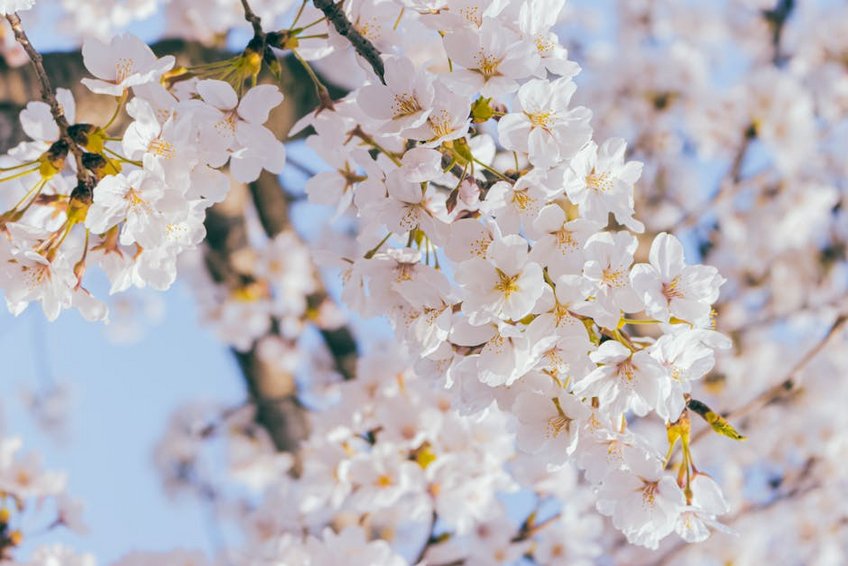
South Korea Jinhae Cherry Blossom Festival: Your Guide to the Pink Canopy
The South Korea Jinhae Cherry Blossom Festival transforms a naval port city into a world-renowned spring spectacle. Over 360,000 cherry trees burst into a sea of pink and white blossoms, creating ethereal tunnels and breathtaking vistas across the coastal landscape. This guide details everything from peak bloom timing and iconic photo spots to navigating the vibrant festival atmosphere and local culinary delights.
Essential Festival Information and History
The Jinhae Gunhangje Festival, commonly called the cherry blossom festival, is one of Korea’s largest spring events. It originated in 1952 as a memorial for Admiral Yi Sun-sin, a revered national hero. The event has since evolved into a massive cultural celebration attracting over two million visitors annually.
Jinhae is a district of Changwon City in South Gyeongsang Province, on the southern coast. The city’s unique microclimate, sheltered by mountains and sea, fosters the ideal conditions for the extensive Yoshino cherry tree groves. These trees were planted extensively during the Japanese colonial period, though the festival itself is a distinctly Korean celebration of spring and resilience.
Visiting requires understanding its dual nature as both a solemn commemoration and a joyous spring party. The main events are centered around the historic Jungwon Rotary, Yeojwacheon Stream, and the naval academy grounds. You will find military parades, cultural performances, and vibrant night illuminations all set against the iconic pink blossoms.
Key Festival Facts and Figures
Before you visit, knowing these core details will help with planning.
- The festival typically runs for 10 days, from late March through early April, with dates precisely set by the annual bloom forecast announced in early March.
- Jinhae boasts over 360,000 cherry trees, with the most famous being the 800-meter tunnel along Yeojwacheon Stream and the romantic path near Gyeonghwa Station.
- Admission to the festival grounds and most photo spots is completely free, though some special exhibitions or designated seating areas may charge a small fee.
- Budget travelers can manage on $70-$100 USD per day by staying in a hostel in nearby Changwon or Busan, using intercity buses, and eating primarily from street food stalls. Focus on free attractions like the stream and rotary.
- Mid-range visitors spending $120-$200 USD daily can book a hotel in Changwon, use the KTX train from Seoul or Busan, enjoy sit-down Korean meals, and join a guided day tour for efficient logistics and historical context.
- A luxury experience at $250-$400+ USD per day includes a premium hotel in Busan with early booking, private car transfers to Jinhae, reserved seating at festival events, and fine dining featuring spring-themed delicacies like cherry blossom rice wine.
- Jinhae District Official Tourism Website
- Korea Tourism Organization Festival Guide
Understanding the Cultural Significance
The festival is more than just pretty flowers. It is deeply intertwined with Korean history and contemporary culture. Admiral Yi Sun-sin’s legacy is honored through reenactments and ceremonies, adding a layer of patriotic sentiment to the festivities.
For Koreans, spring flower viewing, or “hwajeon,” is a traditional pastime symbolizing renewal and fleeting beauty. The blossoms’ short lifespan, often just one week at peak, is a poetic reminder of “han,” a Korean concept of poignant transient beauty. The modern festival perfectly marries this ancient appreciation with K-pop concerts, food truck alleys, and vibrant street performances.
Primary Festival Zones and Layout
The event is spread across several key areas, each with a distinct vibe. Jungwon Rotary is the bustling central hub, famous for its massive flower-bedecked rotary intersection. Yeojwacheon Stream offers the classic photo op with blossoms arching over a gently flowing waterway, beautifully lit at night.
Gyeonghwa Station features a picturesque railroad track lined with trees, where petals rain down as trains pass. The Jinhae Naval Academy grounds provide a more serene, spacious setting with historical monuments. Planning to visit all zones requires a full day, at minimum.
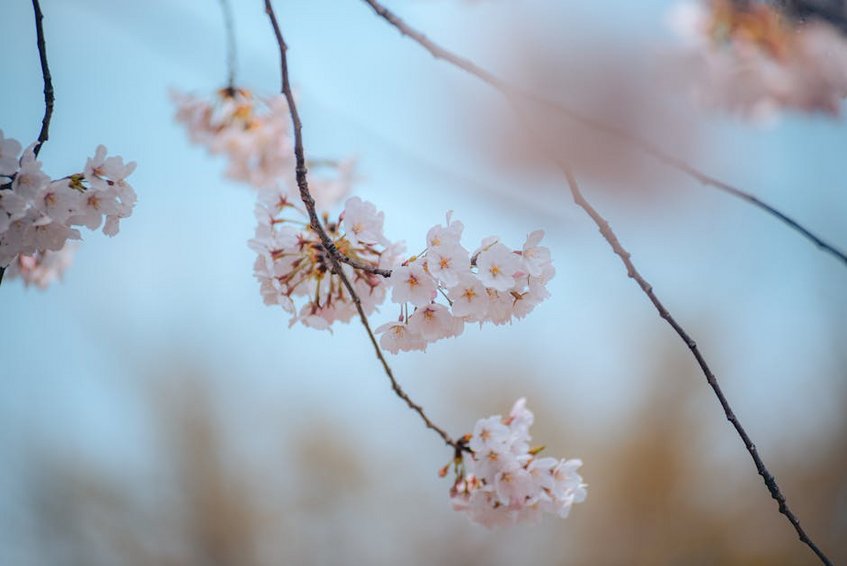
Alt: “yeojwacheon-stream-cherry-blossom-tunnel-spring-festival-jinhae”
South Korea Jinhae Cherry Blossom Festival – Planning Your Trip
Successfully experiencing the South Korea Jinhae Cherry Blossom Festival hinges on precise timing and strategic planning. The peak bloom period is incredibly short, often just five to seven days, and coincides with the country’s most popular travel weekend. Accommodations in Changwon and nearby cities sell out months in advance, and train tickets are snapped up quickly.
Your budget should account for higher seasonal prices for lodging. While the festival itself is free, costs include transportation, food, and possibly paid entrance to less crowded viewing areas. A mid-range daily budget for two people typically ranges from $150 to $250 USD, covering local transit, meals, and a comfortable hotel.
Flexibility is your greatest asset. Have a backup plan for accommodation in Busan, a one-hour train ride away, if Jinhae is fully booked. Monitor the official Korea Meteorological Administration bloom forecast starting in early March, as it provides the most accurate prediction for peak flowers.
Best Time to Visit for Peak Blooms
The optimal viewing window is usually the last week of March through the first week of April. Peak bloom occurs when 70-80% of the blossoms are open, which typically lasts 4-7 days depending on weather. Daytime temperatures range from 50°F to 65°F (10°C to 18°C), while nights can drop to 40°F (4°C).
The festival dates are officially set to encompass this period, but the exact peak can shift. A warm early spring accelerates the timeline, while a cold snap can delay it. Weekdays are significantly less crowded than weekends. Aim for a Tuesday or Wednesday visit during the festival period for the best balance of full blooms and manageable crowds.
Budget Planning and Costs
Your major expenses will be accommodation and transport. Here’s a typical breakdown for different travel styles.
Essential Preparation Checklist
Packing requires layers for changeable spring weather. Bring a lightweight waterproof jacket, comfortable walking shoes, a portable power bank for all-day photos, and a small backpack. Consider a compact tripod for night shots of the illuminated blossoms, but be mindful of crowds.
Secure your accommodation at least three months in advance, especially if visiting on a weekend. Book KTX or intercity bus tickets online as soon as schedules are released, typically one month prior. Ensure you have a data SIM or portable WiFi to use navigation apps like Naver Maps, which is more accurate than Google Maps in Korea.
Top Attractions and Festival Activities
Beyond the famous blossom spots, the festival pulses with energy and cultural events. The opening ceremony features a grand parade with military bands and traditional performers. Throughout the day, various stages host K-pop concerts, folk music, and dance performances that are free to watch.
Night viewing, or “yeon-gwang,” is a magical experience. Yeojwacheon Stream and key areas are illuminated from sunset until around 11 PM, creating a completely different, romantic atmosphere. The reflection of pink lights on the water under the flower canopy is unforgettable.
For a unique perspective, consider a themed tour. Some operators offer photography walks with local pros or history tours focusing on Admiral Yi’s legacy. Renting a hanbok, the traditional Korean dress, is popular for photos amidst the blossoms, with rental shops conveniently located near festival entrances.
Must-See Highlights and Photo Spots
Yeojwacheon Stream is the iconic must-visit. Arrive before 8 AM to capture the 800-meter tunnel without the crowds. The morning light filtering through the blossoms is exceptional. The streamside is lined with food vendors, making it easy to spend hours here.
Gyeonghwa Station’s railroad track offers the classic “petal shower” shot. Check the schedule for the slow-moving tourist train that passes through periodically, stirring up clouds of blossoms. Jungwon Rotary provides the grand scale, with streets radiating from a central island utterly submerged in pink.
The Jinhae Naval Academy (Jinhaedaegyo) area offers panoramic views of the harbor framed by blossoms. It’s less crowded and features historical monuments. For the most famous overhead shot, head to the hillside observatory near the rotary, accessible by a short hike or shuttle bus.
Hidden Gems and Local Favorites
Escape the main crowds by exploring Jehwangsan Park. A cable car or a 30-minute hike leads to Jehwangsan Castle and an observatory with breathtaking, elevated views over the entire city blanketed in pink. It offers a spectacular perspective few tourists seek out.
For a tranquil experience, visit the cherry tree-lined path behind the Jinhae Dream Road. Locals favor this area for evening walks. Another local spot is the neighborhood surrounding Yonghwa Mountain, where residential streets are quietly lined with mature, beautiful trees away from the festival frenzy.
Family-Friendly Activities and Events
The festival is very family-oriented. Children enjoy the street performances, balloon artists, and designated play areas. The Naval Academy grounds often host interactive exhibits and family photo zones with props.
Look for the “Children’s Folk Game Zone” where kids can try traditional Korean games like jegi chagi (hacky sack) and tuho (arrow throwing). Many food stalls offer kid-friendly options like tornado potatoes, hotteok (sweet pancakes), and colorful bingsu (shaved ice desserts). Stroller navigation is challenging in the densest areas, so a baby carrier is recommended.
Practical Travel Information and Logistics
Navigating the festival requires a solid logistics plan. Jinhae is accessible via public transportation, but services are overwhelmed during peak days. The closest major airports are in Busan (Gimhae International Airport, PUS) and Seoul (Incheon International Airport, ICN). Most international visitors fly into Seoul and take the high-speed KTX train south.
During the festival, private cars are banned from the core downtown areas. Extensive park-and-ride shuttle bus systems are implemented from large parking lots on the city’s outskirts. These free or low-cost shuttles are the most efficient way to move between major festival zones once you arrive in Jinhae.
| Category | Options/Features | Price Range (USD) |
|---|---|---|
| Accommodation (Per Night) | Budget hostel, shared bath; Mid-range hotel in Changwon; Luxury hotel in Busan | $40 – $80; $100 – $180; $220+ |
| Transport from Seoul | KTX Train (2.5 hrs); Express Bus (4 hrs); Rental Car (w/ tolls & parking) | $50 – $70; $25 – $35; $80 – $120+ |
| Daily Food & Drink | Street food & convenience store; Casual Korean restaurants; Fine dining | $15 – $25; $30 – $50; $75+ |
| Festival Activities | Free walking & photos; Paid guided tour; Hanbok rental (2-4 hours) | $0; $50 – $100; $15 – $30 |