Nepal Holi Festival Kathmandu: A Guide to Celebrating the Festival of Colors
Celebrating the Nepal Holi Festival Kathmandu immerses you in a vibrant explosion of joy where centuries-old tradition meets spontaneous street celebration. The festival, marking the victory of good over evil and the arrival of spring, transforms the ancient city into a living canvas of colored powder, water, and music. This guide provides practical advice on navigating the lively chaos, understanding cultural significance, and planning your visit for a memorable and respectful experience during Nepal’s most colorful holiday.
Essential Holi Festival Information
Holi, known locally as Fagu Purnima, is a national festival in Nepal with deep roots in Hindu mythology, primarily celebrating the story of Prahlad and Holika. While observed across the country, Kathmandu Valley offers a uniquely intense and communal experience, particularly in the old city squares and local neighborhoods. The celebration officially lasts for two days, with the main public revelry concentrated on the second day.
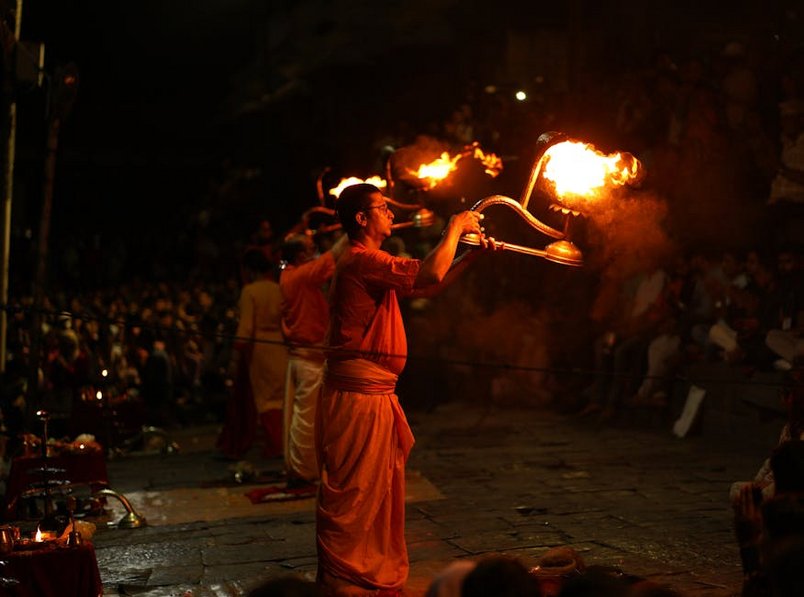
Preparations begin weeks in advance as markets fill with vendors selling vibrant ‘gulal’ (colored powder) and ‘pichkaris’ (water guns). The first day, known as Chhoti Holi or Holika Dahan, involves lighting ceremonial bonfires at dusk, symbolizing the burning of the demoness Holika. The following morning erupts into the famous color fight, where social norms relax and the entire city participates in playful anarchy.
Historical and Religious Significance
Understanding the stories behind the festival deepens your appreciation beyond the visual spectacle. The central legend involves the devout prince Prahlad and his demonic father, King Hiranyakashipu, who was ultimately defeated by Lord Vishnu in his Narasimha avatar. The bonfire ritual re-enacts the burning of the evil Holika, who tried to kill Prahlad but was destroyed by her own magic due to his devotion.
- Mythological Roots: The primary legend celebrates Vishnu’s protection of his devotee Prahlad, symbolizing faith’s triumph over arrogance. Regional variations also link the festival to the divine love of Radha and Krishna, celebrated with particular fervor in the ancient city of Patan.
- Cultural Evolution: While religious at its core, modern Holi in Kathmandu has evolved into a broader cultural and social event. It serves as a community equalizer, momentarily dissolving barriers of age, status, and ethnicity in a shared, joyful experience.
- Agricultural Celebration: Coinciding with the spring harvest, Holi also gives thanks for the season’s bounty. The use of natural colors historically derived from turmeric, neem, and marigold flowers connected the festival to health and renewal.
- Budget Traveler ($35-$50 per day): Stay in hostels in Thamel, eat at local ‘bhojanalayas,’ use public transport, and buy colors from local markets. This covers basic lodging, meals, and participation but involves navigating crowds independently.
- Mid-Range Traveler ($80-$120 per day): Book a comfortable 3-star hotel in Patan or central Kathmandu, join an organized Holi tour for guided participation, enjoy meals at good restaurants, and use taxis for transport. This offers balance and convenience.
- Luxury Traveler ($200+ per day): Opt for a high-end heritage hotel with a curated Holi experience, private guided tours to the best celebrations, and fine dining. This provides comfort, exclusive access, and a managed, high-quality cultural immersion.
- Nepal Tourism Board
- Lonely Planet Nepal Travel Guide
Key Dates and Festival Timeline
The festival date shifts annually based on the lunar calendar, falling on the full moon day (Purnima) in the Hindu month of Phalguna, which typically aligns with March. In 2025, Holi will be celebrated on March 14th, with Holika Dahan on the evening of March 13th. The main color play runs from late morning until early afternoon on the 14th.
Activities follow a specific rhythm. The night before is solemn, focused on family gatherings and religious rituals around community bonfires. The next morning starts quietly, with many applying ‘tika’ (a forehead mark) at home. By 10 AM, the streets begin to fill, and the color battle reaches its peak between 11 AM and 2 PM, gradually winding down by late afternoon as people return home to clean up and share festive meals.
What Makes Kathmandu’s Celebration Unique
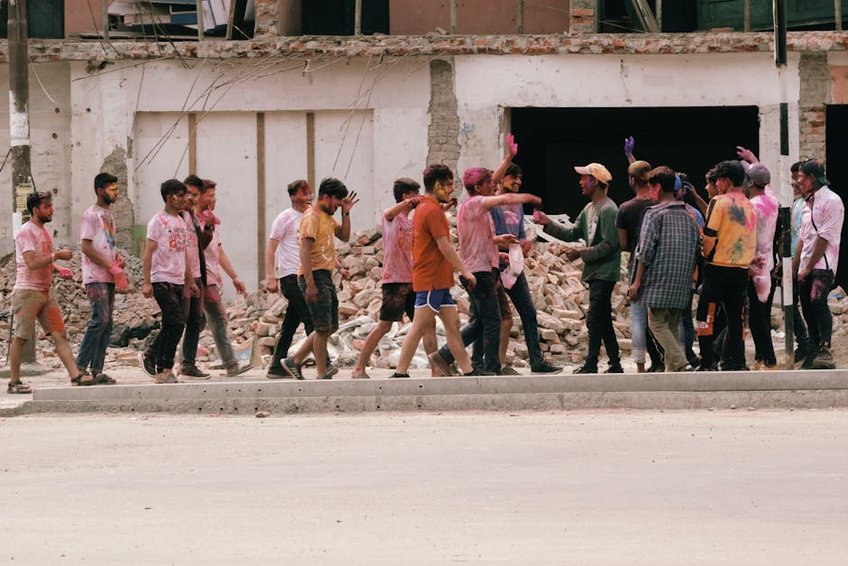
Kathmandu’s version stands out for its intense, city-wide participation and the backdrop of UNESCO World Heritage Sites. Unlike more privatized celebrations elsewhere, here the festivities spill directly into public squares like Basantapur Durbar Square and the narrow alleyways of Thamel and Ason. The energy is raw, communal, and unfiltered, offering a truly immersive cultural plunge.
Alt: “kathmandu-durbar-square-holi-festival-colors-crowd-celebration”
Nepal Holi Festival Kathmandu – Planning Your Trip
Your Nepal Holi Festival Kathmandu experience requires specific logistical planning due to the city’s transformation during the event. Book flights and accommodations at least three to four months in advance, as this is a peak domestic travel period. Focus your stay in central areas like Thamel, Patan (Lalitpur), or near Kathmandu Durbar Square for easy access to the main action while allowing a quick retreat.
Prepare for all businesses, banks, and tourist offices to be closed on the main Holi day. Stock up on water, snacks, and cash the day before. While the festival is generally safe, the massive crowds and exuberant behavior necessitate heightened awareness of your belongings and personal space. Plan your movement between locations before the color play begins, as navigating streets becomes challenging once the celebration peaks.
Best Time to Visit for Holi
Visit Kathmandu in mid-March for the Holi festival, when daytime temperatures range from a pleasant 68°F to 77°F (20°C to 25°C). The weather is dry and sunny, perfect for outdoor festivities. This period falls at the tail end of the peak tourist season, so you’ll find good conditions for exploring other sites before or after the festival day itself.
The shoulder seasons of late February to early March or late March to early April also offer comfortable weather with fewer tourists, but you’ll miss the festival. The monsoon season from June to September should be avoided for festival travel, as heavy rains can disrupt events and sightseeing. For a combined experience, time your visit to also witness other festivals like Shivaratri in February/March.
Budget Planning and Costs
Your budget varies significantly based on travel style and how you engage with the festival.
Essential Preparation Checklist
Pack old, dark-colored, long-sleeved cotton clothing you don’t mind discarding, as synthetic colors can stain permanently. Apply a thick layer of coconut or mustard oil on all exposed skin and hair before heading out; this makes removing the powder much easier. Wear secure, closed-toe shoes that can get wet and dirty, as streets become slippery with colored water and mud.
Secure a Nepali visa on arrival or an e-visa beforehand. Purchase comprehensive travel insurance that covers festival activities. Book all airport transfers in advance, as demand spikes. Download offline maps of Kathmandu and save emergency contacts, including your country’s embassy and local tourist police (1144).
Top Attractions and Festival Activities
Kathmandu offers diverse ways to experience Holi, from massive public gatherings to intimate community events. The epicenter is Basantapur Durbar Square, where thousands gather amidst ancient palaces for an unforgettable color battle. The energy here is electric, with spontaneous drum circles, dancing, and a sea of revelers. Arrive early to secure a good spot and witness the transformation of the historic square.
For a more traditional and family-oriented atmosphere, explore the older neighborhoods like Ason Tole or Indra Chowk. Here, celebrations feel more communal and rooted in local custom. The city of Patan, across the Bagmati River, is renowned for its enthusiastic and culturally rich observance, particularly around Patan Durbar Square, where the celebration has a strong artistic and Newari cultural flavor.
Must-See Highlights
Basantapur Durbar Square is the undeniable main event. The open plaza fronting the old royal palace becomes a swirling mass of color, music, and people. It’s photogenic, overwhelming, and the definitive Holi experience. Be prepared for intense crowding and good-natured chaos from every direction.
The Holika Dahan bonfire ceremony the night before is a powerful, solemn counterpoint. Communities build pyres in neighborhoods and squares, performing rituals before lighting them at dusk. Attending one, such as in Tundikhel or a local temple courtyard, provides crucial cultural context. The festival also features live musical performances, often free concerts of traditional folk or modern Nepali pop, held in venues across the city in the days surrounding Holi.
Hidden Gems and Local Favorites
Venture into the courtyard of a local ‘bahal’ or ‘bahi’ (Buddhist monastic courtyards) in Patan or Kathmandu. These hidden squares often host private but welcoming celebrations for the immediate community, offering a more authentic and less chaotic glimpse of the festival. The atmosphere is joyous but contained, with families and children playing together.
Follow the sound of ‘dhol’ drums down narrow alleyways in the old city to find impromptu neighborhood parties. These localized celebrations are where you’ll see the most genuine interactions and traditional songs. Many guesthouses and hotels also organize private Holi parties for their guests, which can be a fantastic way to celebrate in a controlled, safe environment with music, food, and organized color play.
Photography and Cultural Documentation
Protect your camera with a waterproof housing or plastic bag, as powder and water are omnipresent. Use a zoom lens to capture candid moments from a slight distance. Always ask for verbal permission before taking close-up portraits of individuals, especially women and children, and be prepared to share the photo or a smile in return.
Practical Travel Information for Holi
Transportation grinds to a near-halt on Holi afternoon. Public buses stop running, and taxis become scarce and expensive. Your best strategy is to walk between locations in your immediate area. If you must travel longer distances, pre-book a taxi for a fixed price the day before and confirm the pickup time and location clearly.
Accommodation choices define your experience. Staying in the thick of Thamel means immediate access to the frenzy but constant noise. Opting for a quieter area like Boudha provides respite but requires planning to reach celebration hubs. Most mid-range and upscale hotels organize their own Holi events for guests, which can be a perfect compromise.
| Category | Options/Features | Price Range (USD) |
|---|---|---|
| Budget Hostels | Dorm beds in Thamel, basic amenities, social atmosphere, often organize group outings for the festival. | $8-$15 per night |
| Mid-Range Hotels | Private rooms with AC/heat, attached bath, located in Patan or central Kathmandu, may host a private color event. | $40-$80 per night |
| Boutique/Guesthouses | Charming heritage properties in Patan or Bhaktapur, curated cultural experiences, garden spaces for celebration. | $70-$120 per night |
| Luxury Hotels | 5-star international chains in Lazimpat or near the Royal Palace, high-end Holi parties with safety and luxury. | $150-$300+ per night |