Philippines Moriones Festival Marinduque
Experiencing the Philippines Moriones Festival Marinduque offers a profound dive into a living, breathing cultural tradition unique to this heart-shaped island. For one intense week during Lent, towns across the province transform into stages for penitential pageantry, where hundreds of masked Roman soldiers, or “Morions,” roam the streets in a vibrant reenactment of the Passion of Christ. This guide details the festival’s origins, provides precise travel planning, and shares essential tips for respectfully witnessing this powerful spectacle.
Essential Festival History and Context
The Moriones tradition traces its roots directly to Marinduque in the 1880s, initiated by a Spanish priest to help teach the biblical story of Longinus. This Roman centurion, who pierced the side of Christ, is the festival’s central character whose journey from blindness to faith is dramatized. Over a century, the local communities have deeply personalized the tradition, blending formal Catholic doctrine with indigenous theatrical flair and family heritage.
What began as a simple parish play has evolved into the Philippines’ most famous Lenten observance, drawing international attention. The festival is not a single event but a week-long series of street theater, solemn processions, and scripted plays called “sinakulo” performed in different towns each day. Its endurance is a testament to the deep religiosity and communal spirit of the Marinduqueños, who prepare year-round for this sacred performance.
Understanding the Morions and Longinus
The masked participants are the festival’s soul. Knowing their role is key to appreciation.
- The Morions: Volunteers, often men fulfilling a panata (vow), wear elaborate Roman soldier costumes and hand-carved wooden masks or “morions.” They maintain silent, solemn personas while patrolling, creating an immersive ancient atmosphere.
- The Story of Longinus: The narrative climax follows the blind centurion Longinus. After his miraculous healing, he proclaims his faith and is subsequently pursued and beheaded by his former legion, a dramatic hunt reenacted throughout the week.
- Community Participation: Nearly every family is involved, from crafting the iconic masks and costumes to acting in the sinakulo. The festival is a true community endeavor, not a commercial tourist show.
- Budget Traveler ($350-500 USD): Includes dorm-style lodging or basic homestays ($15-25/night), local jeepney and tricycle transport between towns, and meals at carinderias (local eateries). Book ferries and lodging 4-6 months ahead to secure these rates.
- Mid-Range Traveler ($700-1000 USD): Covers comfortable Airbnbs or boutique hotels in Boac ($40-70/night), occasional rented van transport for convenience, and meals at mid-range restaurants. Allows for more comfort during the hectic festival days.
- Luxury Traveler ($1500+ USD): Encompasses premium beach resort stays ($100+/night) with private transfers, guided festival tours for prime viewing, and dining at the best available restaurants. Maximizes convenience and access during the crowded period.
- Philippine Department of Tourism – Moriones Festival
- Provincial Government of Marinduque Official Website
Key Cultural Significance
The event is far more than a performance; it is a profound expression of faith and identity. For locals, it is a form of penitence and thanksgiving, with many participants fulfilling religious vows made during times of need.
This fusion of sacred devotion and folk theater creates a uniquely Filipino expression of Holy Week. It represents a successful cultural preservation effort where tradition is actively lived and renewed by each generation, making it an invaluable intangible cultural heritage.
Festival Dates and Structure
The Philippines Moriones Festival Marinduque is a movable feast, scheduled according to the Catholic liturgical calendar. It begins on Holy Monday and reaches its dramatic conclusion on Easter Sunday. Each major town—Boac, Gasan, Mogpog, Buenavista, and Santa Cruz—hosts events on different days.
The schedule ensures you can witness multiple acts by island-hopping. Holy Wednesday often features the poignant “Via Crucis” (Way of the Cross), while the thrilling search for Longinus typically peaks on Good Friday, culminating in his symbolic beheading.
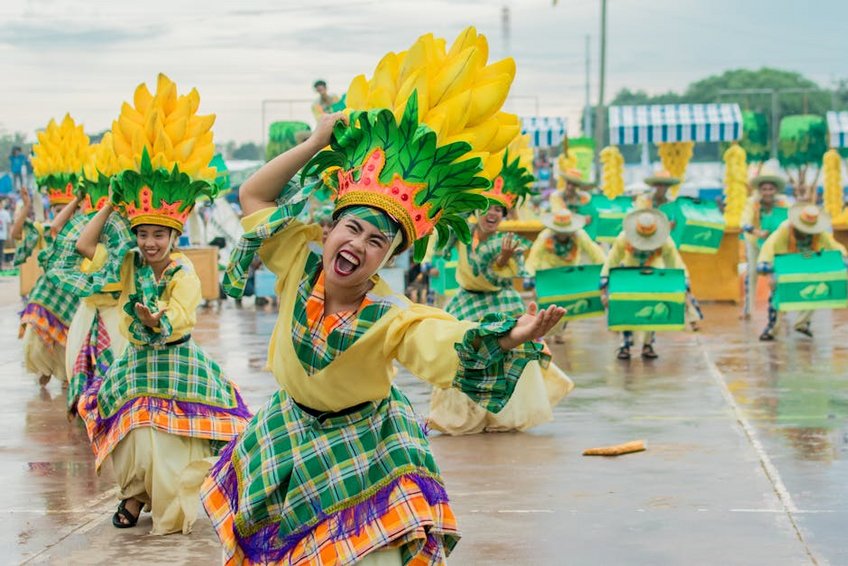
Alt: “moriones-festival-marinduque-masked-roman-soldiers-street-procession”
Philippines Moriones Festival Marinduque – Planning Your Trip
Attending this event requires careful planning due to its religious timing and the island’s logistics. Your success hinges on booking accommodations months in advance and crafting a flexible itinerary that follows the action across different towns. The atmosphere is intense and deeply spiritual, demanding a respectful and observant approach from visitors.
Budget accordingly for higher domestic flight and ferry costs during this peak season. While the festival events themselves are free public spectacles, the influx of domestic tourists drives up prices for lodging and transport. Prioritize booking a base in Boac or Gasan for the best access to the major processions and plays.
Best Time to Visit for the Festival
The only time to experience the Moriones is during Holy Week, typically in late March or April. The exact dates change yearly; for 2024, it was March 24-31. Peak intensity occurs from Holy Wednesday through Good Friday, when the main Longinus narrative unfolds.
Temperatures are hot and humid, averaging 86-95°F (30-35°C), with a high chance of afternoon rain. Shoulder season travel right after Easter offers cheaper rates and calmer island exploration, but you will completely miss the festival. The event is the sole reason for a visit during this specific week.
Budget Planning and Costs
Costs vary widely based on comfort and booking lead time. Here’s a realistic breakdown for a 5-day trip.
Essential Preparation Checklist
Pack for extreme heat, humidity, and long hours standing outdoors. Essential items include a high-SPF sunscreen, a wide-brimmed hat, a portable umbrella or rain poncho, a reusable water bottle, and very comfortable walking shoes. Bring power banks for your phone, as you’ll be out all day.
Documentation is straightforward for US/EU passport holders, who receive a 30-day visa-free entry. Book flights to Manila (MNL) first, then confirm your onward ferry or flight to Marinduque immediately. Secure domestic travel at least three months before Holy Week, as these services sell out completely.
Top Festival Experiences and Attractions
Beyond the main processions, Marinduque offers related cultural sites and natural beauty. The festival energy permeates the entire island, with smaller, intimate events occurring in barangay (village) chapels. Allocate time to explore the provincial museum in Boac for historical context on the Moriones tradition.
Respect is paramount. While photography is generally welcome, always ask before taking close-ups of participants, especially during solemn moments. Maintain a quiet demeanor during religious portions of the sinakulo and processions, following the lead of the local audience.
Must-See Festival Highlights
The “Pugutan” or beheading ceremony is the dramatic climax, reenacted in different towns. The Gasan version on Good Friday morning is particularly famous for its elaborate staging and passionate local acting. Arrive at the town plaza by 7 AM to secure a vantage point.
The nightly “Sinakulo” in Boac is a multi-hour street play performed with remarkable dedication. The “Via Crucis” procession on Holy Wednesday, where Morions accompany a statue of Christ, is a moving and photogenic event. These activities are deeply emotional community undertakings, not mere performances.
Hidden Gems and Local Favorites
Visit local mask-makers’ workshops in the months or weeks before the festival. In Mogpog, artisans like Tatay Fred are known for their intricate, hand-carved morion masks. This offers a behind-the-scenes look at the craft and supports local artists directly.
For a serene escape, the Poctoy White Beach in Torrijos offers a calm contrast to the festival frenzy. The Bathala Cave System is another fascinating natural site, though spelunking tours may be limited during Holy Week itself. These spots are best visited on Palm Sunday or Easter Monday.
Island Exploration Beyond the Festival
If extending your stay, consider a trip to the Tres Reyes Islands for snorkeling or a hike up Mount Malindig, the island’s dormant volcano. The Marinduque Wildlife Sanctuary also offers birdwatching opportunities. Note that many regular tour operators pause services during Holy Week, so independent exploration is key.
Practical Travel Information for Marinduque
Getting to Marinduque requires a connection from Manila. You have two main options: a 1-hour flight to Gasan Airport (MRQ) or a 3-4 hour ferry ride from various ports near Manila to Balanacan or Buyabod Port. During Holy Week, both options become extremely congested.
Accommodation ranges from basic homestays to a few resort-style properties. Boac, as the capital, has the widest selection of inns and hotels, making it the most practical base for following the festival’s rotating schedule across different municipalities.
| Accommodation Type | Best For / Location | Price Range (USD/night) |
|---|---|---|
| Budget Homestay | Cultural immersion, Boac or Gasan center | $15 – $25 |
| Mid-Range Hotel | Comfort & convenience, Boac seafront | $40 – $70 |
| Beach Resort | Relaxation, Poctoy or Tres Reyes area | $80 – $150+ |
| Vacation Rental | Families/groups, various towns | $50 – $120 |