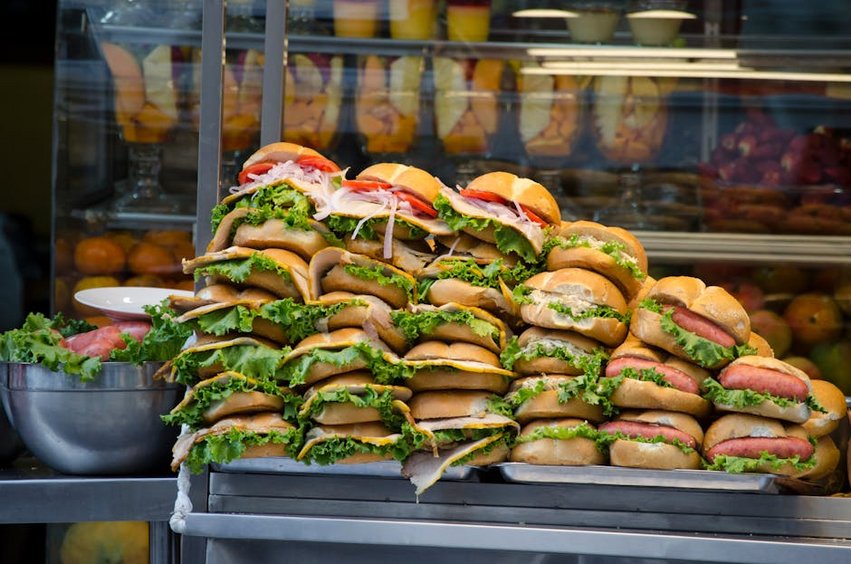
Peru Lima Gastronomy Festival: A Culinary Tour of the Andes and Amazon
Each October, the heart of Peru’s capital transforms into a vibrant epicenter of taste during the Peru Lima Gastronomy Festival. This world-class event, known locally as Mistura in its original form and now officially “Mesa Perú”, gathers the nation’s top chefs, farmers, and food artisans for a nine-day celebration. Your visit offers unparalleled access to regional dishes from the coast, Andes, and Amazon, turning a trip into a delicious deep dive into the country’s soul. We’ll guide you through securing tickets, tasting the must-eat plates, and planning the perfect culinary itinerary around this unmissable event.
Essential Information About Lima’s Food Festival
Originally founded as “Mistura” in 2008 by the Peruvian Society of Gastronomy, this festival aimed to unite the country’s diverse culinary traditions on one stage. It quickly grew into Latin America’s largest food festival, drawing over half a million visitors in peak years. The event’s core mission remains celebrating Peru’s biocultural diversity, from high-altitude quinoa to tropical jungle fruits.
Following a reorganization, the festival now operates under the “Mesa Perú” banner, maintaining its scale and significance on the global food calendar. It typically occupies a large venue like the Costa Verde or Parque de la Exposición in Lima’s central districts. The dates are strategically set for October, aligning with Peru’s spring and the tail end of the harvest season for many key ingredients.
What Makes This Festival Unique
Unlike many food fairs, this event’s structure emphasizes education and heritage as much as tasting.
- Grand Market (Mercado): A massive section dedicated to raw, high-quality ingredients from across Peru’s 30 microclimates, where you can meet farmers and learn about native potatoes, chilies, and grains.
- Picanterías and Cevicherías: Designated areas featuring signature dishes from Peru’s most famous regional restaurants, allowing you to sample specialties from Arequipa, Trujillo, or Iquitos without leaving Lima.
- Chef Demonstrations and Talks: Live stages host world-renowned Peruvian chefs like Gastón Acurio and Virgilio Martínez, who discuss culinary philosophy and technique, often with audience participation.
- Budget Traveler ($80-$120/day): Stay in hostels in Barranco, use public transit, and focus on street food and market meals outside the festival. Budget $30-50 for a single day at the festival itself, sampling 5-7 smaller dishes from regional vendors.
- Mid-Range Explorer ($150-$250/day): Book a boutique hotel in Miraflores, use Uber for transport, and enjoy both festival days and top-rated cevicherías. Allocate $75-$100 per festival day for a generous tasting journey, including a pisco sour or craft beer pairing.
- Luxury Culinary Tour ($350+/day): Stay at a five-star hotel like the Belmond Miraflores Park, arrange private transfers, and book exclusive festival experiences like chef-led tastings or kitchen tours. This budget allows for unreserved sampling of premium offerings and pairing dinners.
- PromPerú – Official Peru Tourism Board
- Lonely Planet Lima Travel Guide
Understanding the Festival Format
The festival grounds are divided into thematic pavilions, each requiring a separate tasting ticket or “boleto”. You purchase tickets for specific tasting portions at vendor stands, not a flat entrance fee for all-you-can-eat. This system lets you curate your experience, focusing on Nikkei cuisine, Amazonian flavors, or classic criollo dishes.
Planning your route is crucial due to the event’s size. Most visitors focus on two or three pavilions per day. Weekdays are significantly less crowded than weekends, offering a more relaxed tasting experience. Arriving early, right at opening time, ensures the shortest lines for the most popular chef-led booths and the freshest daily offerings.
Key Cultural Pillars of Peruvian Food
Peruvian gastronomy stands on a “tri-cultural” foundation: indigenous Inca ingredients, Spanish colonial techniques, and influences from African, Chinese (Chifa), and Japanese (Nikkei) immigrants. The festival showcases this fusion vividly. Dishes like Lomo Saltado (beef stir-fry) exemplify the Chinese wok meeting Peruvian aji pepper.
This history makes every bite a story. Understanding this context deepens your appreciation beyond mere taste. It transforms your palate into a map of migration, trade, and agricultural ingenuity spanning millennia.
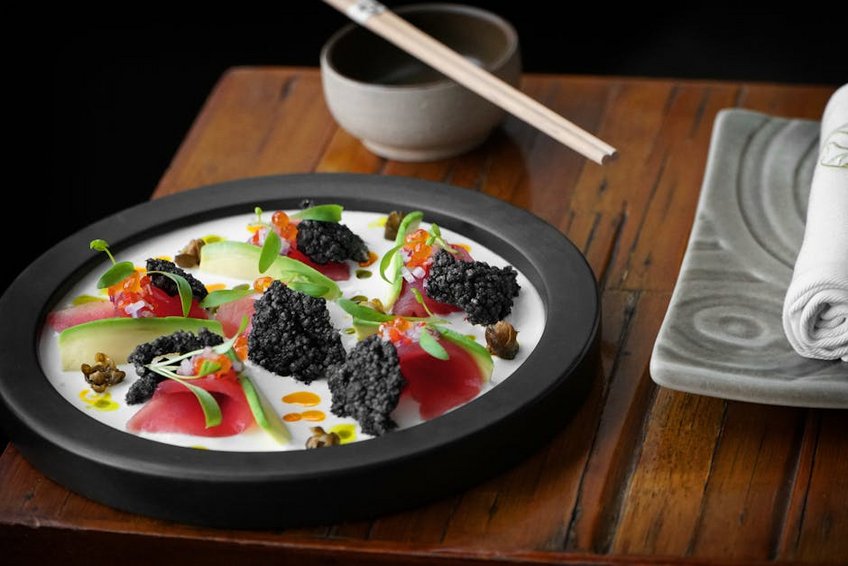
Alt: “lima-peru-gastronomy-festival-grand-market-produce-stands”
Peru Lima Gastronomy Festival – Planning Your Trip
Attending this major culinary event requires more foresight than a typical Lima visit. Your core strategy should involve booking flights and a central hotel at least four to five months in advance, especially if your dates include a weekend. The festival’s official schedule and ticket sales are usually announced in July or August, so mark your calendar to purchase early-access passes online.
Build your Lima itinerary with the festival as the centerpiece, but leave room for recovery. You’ll be eating intensively for several hours each day. Schedule museum visits or walks in Miraflores for the mornings before the festival opens. Allocate a significant portion of your daily budget solely for food and drink tickets at the event grounds.
Best Time to Visit for the Festival
The Peru Lima Gastronomy Festival is held annually in October. This is late spring in Peru, offering mild, pleasant weather ideal for outdoor events. Daytime temperatures typically range from 64°F to 70°F (18°C to 21°C), with minimal rain. The skies are often overcast, but precipitation is rare in Lima’s coastal desert climate during these months.
October falls just after the peak tourist season (June-August), so you’ll find slightly better flight and hotel rates while still enjoying good weather. If you can’t attend in October, consider a trip in May or September to experience Lima’s renowned restaurant scene without the festival crowds. The city’s culinary excellence is a year-round attraction.
Budget Planning and Costs
Your total cost hinges on foodie ambitions and accommodation style.
Essential Preparation Checklist
Pack comfortable walking shoes with good support, as you’ll be on your feet for hours on concrete or grass. Bring a lightweight, reusable water bottle to stay hydrated between tastings. A small crossbody bag or backpack is ideal for keeping your hands free and your belongings secure in crowded areas.
Ensure your travel insurance covers medical emergencies, including potential food-related issues. While Peruvian food safety standards at the festival are high, it’s wise to have coverage. Book restaurants for non-festival nights at least two weeks in advance, as they fill up quickly during this busy period. Learn a few basic Spanish phrases related to food—it enhances the experience significantly.
Top Attractions and Festival Activities
Beyond the endless tasting stalls, the festival grounds buzz with complementary activities that showcase Peruvian culture. Live musical performances featuring criollo, Afro-Peruvian, and Andean folk music provide a vibrant soundtrack. Artisan craft markets display beautiful textiles, pottery, and jewelry, perfect for finding a unique souvenir that isn’t edible.
For families, there are dedicated zones with cooking workshops for children, teaching them to make simple treats like picarones (sweet potato doughnuts). These interactive elements make the event more than a food fair; it’s a holistic cultural immersion where all senses are engaged from morning until night.
Must-See Festival Highlights
Head directly to the **Ceviche and Pisco Pavilion**. This is the festival’s beating heart, where you’ll find the country’s best ceviche masters preparing fresh catches with leche de tigre. Sample a classic ceviche alongside innovative versions with Amazonian fruits. Pair it with a tasting flight of Pisco, Peru’s national grape brandy, to understand its varied regional profiles.
The **Andean Highlands Pavilion** is essential for experiencing comfort foods from Cusco and Puno. Seek out dishes like *Cuy Chactado* (fried guinea pig, a traditional protein) or *Alpaca Steak*. Also, taste variations of *Pachamanca*, a millennia-old practice of cooking meat and potatoes with herbs in an underground stone oven. These flavors are earthy, hearty, and deeply connected to Inca heritage.
Do not miss the **Dessert and Chocolate Sector**. Peru is a top producer of fine aromatic cacao. Here, you can taste single-origin chocolates from the Amazon and decadent colonial-era desserts like *Suspiro a la Limeña* (a creamy caramel pudding). It’s the perfect sweet finale to your savory explorations.
Hidden Gems and Local Favorites
Venture to the less-crowded **Amazonian Pavilion** early in the day. This area offers the most exotic flavors, like *Juane* (rice and chicken wrapped in bijao leaf) or *Tacacho con Cecina* (mashed planton with smoked pork). Ingredients like camu camu berry and aguaje fruit provide uniquely tart and creamy flavors rarely found outside the jungle.
Look for small booths labeled **”Cocina de Autor”** (Author’s Cuisine). These are often pop-ups by up-and-coming chefs from Lima’s avant-garde dining scene. They serve inventive, plated tasting portions that showcase the future of Peruvian fusion, often at a fraction of the cost of their high-end restaurant counterparts. It’s a chance to taste tomorrow’s trends today.
Masterclass and Workshop Opportunities
Check the daily schedule for hands-on workshops, which often require separate pre-registration. Options might include learning to make the perfect Pisco Sour, crafting causa limeña layers, or identifying native Peruvian chilies. These sessions last 60-90 minutes and provide deeper knowledge you can take home.
They are led by industry experts in more intimate tent settings. The additional fee (typically $20-$40 USD) is excellent value for the personalized instruction and ingredients provided. Spots are limited, so review the online program as soon as it’s released and book immediately.
Practical Travel Information for Lima
Lima is a sprawling metropolis divided into 43 districts. For the festival, prioritize staying in neighborhoods with easy access to the venue, which is often in San Borja, Jesús María, or along the Costa Verde in Miraflores. Traffic in Lima is notoriously congested, so proximity saves hours. Uber and Beat are reliable, safe, and affordable ride-hailing apps for getting around.
The city’s public transportation system includes a metropolitan bus line and a limited metro, but they can be confusing for newcomers. For direct routes to major sites, the official tourist bus, “Lima Tour,” is a simpler alternative. Always have small denomination Peruvian Soles (PEN) for taxis, small purchases, and market vendors who don’t accept cards.
| Category | Options & Features | Price Range (USD) |
|---|---|---|
| Budget Hostel | Dorm bed in Barranco, free WiFi, communal kitchen, social atmosphere | $15 – $30 per night |
| Mid-Range Hotel | Private room in Miraflores, breakfast included, 24hr front desk, airport transfer available | $80 – $150 per night |
| Luxury Hotel | Ocean view suite in Belmond or Swissôtel, spa, rooftop pool, multiple gourmet restaurants | $250 – $500+ per night |
| Vacation Rental | Full apartment with kitchen in San Isidro, suitable for families or groups, weekly discounts | $70 – $200 per night |