Greece Independence Day March 2025: A Visitor’s Guide to the Celebration
March 25th in Greece is a powerful day where national pride and religious observance converge in a vibrant display of parades, music, and pageantry. Witnessing the Greece Independence Day March offers an unparalleled opportunity to experience Greek patriotism firsthand, set against the backdrop of spring’s arrival. This guide covers the holiday’s significance, details the major parades in Athens and across the islands, and provides essential travel tips for planning your visit during this bustling national event.
The Significance of March 25th in Greece
Greece Independence Day, known locally as ’25η Μαρτίου’, commemorates the start of the War of Independence against Ottoman rule in 1821. It coincides with the Greek Orthodox feast of the Annunciation, creating a dual celebration of faith and freedom. The entire nation participates, from the largest cities to the smallest villages, with schoolchildren playing a central role in the festivities.
The historical weight of the day is felt everywhere, transforming modern streets into pathways of living history. This national holiday is a profound expression of Greek identity, resilience, and cultural continuity. Understanding this context enriches the experience beyond the visual spectacle of the parades themselves.
Historical Context and Modern Meaning
The connection between the religious feast and the national struggle was intentional, providing moral and spiritual impetus for the revolution. Today, the blue and white Greek flag is displayed on nearly every building, balcony, and vehicle. The day serves as a powerful annual reminder of the country’s hard-won sovereignty and democratic values.
Key Symbols and Traditions
You will see specific symbols throughout the celebrations. The national flag is the most prominent, often carried by students in traditional regional costumes known as ‘foustanela’. The predominant colors are blue and white, mirroring the flag and the Greek sky.
- The military parade in Athens features marching soldiers, tanks, and a flyover by fighter jets, showcasing national defense strength.
- School parades involve children of all ages marching through their towns, often followed by community dances and feasts.
- Families gather for a traditional meal of fried salted cod (‘bakaliaros skordalia’) which breaks the Lenten fast for the Annunciation.
- Budget: Plan for $70-$120 per night for a hostel or basic hotel outside the center, plus $15-$25 daily for food from bakeries and souvlaki shops. Use public transport ($1.50 per ticket) to reach parade routes.
- Mid-Range: Allocate $150-$250 per night for a central 3-4 star hotel, $40-$60 daily for taverna meals, and pre-booked tours to historical sites like the Acropolis.
- Luxury: Luxury hotels in Kolonaki or near Syntagma Square cost $300-$500+ per night. Fine dining dinners run $80-$120 per person, and private guided tours of the parade areas offer exclusive insights.
- Greek National Tourism Organisation
- Wikipedia: Greek Independence Day
Religious Observance and Celebration
The day begins with church services celebrating the Annunciation, a major feast in the Orthodox calendar. Many Greeks attend liturgy before heading to watch or participate in the parades. This blend of sacred and secular creates a unique festive atmosphere that defines the Greek national holiday experience.
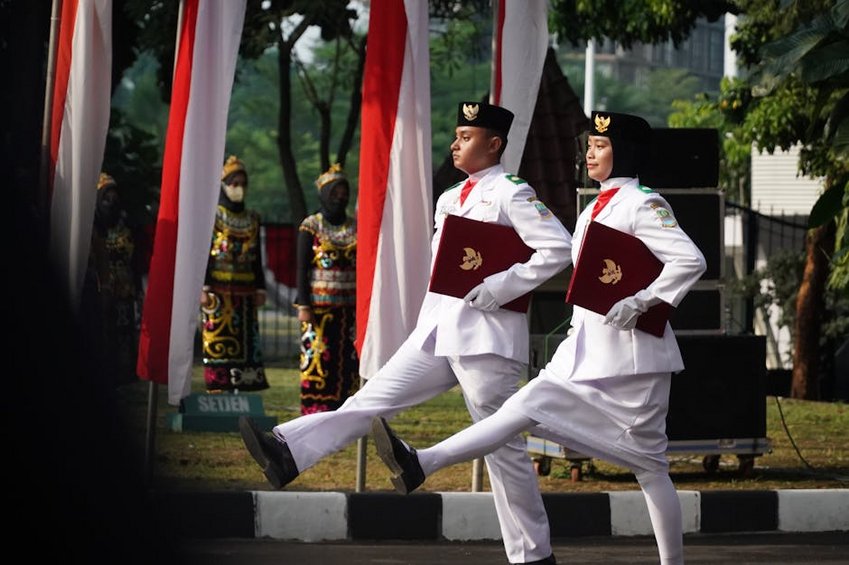
Alt: “athens-syntagma-square-military-parade-greek-flag-march-25”
Greece Independence Day March – Planning Your Trip
Attending the main events requires foresight, as the entire country is on the move. The centerpiece is the military procession on Vasilissis Amalias Avenue in front of the Hellenic Parliament in Athens. For a different atmosphere, consider experiencing a local island or village parade where community spirit shines.
Accommodation in central Athens or on popular islands books months in advance for this period. Your visit should balance parade viewing with exploring springtime attractions, as museums and archaeological sites operate on holiday schedules. Planning ensures you secure a good vantage point and navigate the crowded streets efficiently.
Best Time to Visit for the Celebrations
The ideal window to visit is from March 22nd to March 28th, capturing the pre-parade buzz and allowing for day trips afterward. Late March weather is pleasant, with average temperatures ranging from 55°F to 68°F (13°C to 20°C) in Athens. Expect sunny days but pack a light jacket for cooler evenings.
Shoulder season travel in late March offers the bonus of fewer tourists at major sites outside of parade day itself. However, flights and ferries can be full as Greeks living abroad often return for the holiday. Booking all transport as early as possible is non-negotiable for a smooth Greece Independence Day March experience.
Budget Planning and Costs
Costs fluctuate significantly during this national holiday period. Expect higher prices for flights and hotels compared to early March.
Essential Preparation Checklist
Your preparation should focus on logistics and comfort. Secure your accommodation and flights at least three to four months in advance, especially for Athens. Purchase a local SIM card upon arrival for reliable data to navigate closures and find alternative routes.
Pack comfortable walking shoes, a portable phone charger, and a small Greek flag to wave. Review the official parade route map published by the Hellenic Police a few days before the event. Arrive at your chosen viewing spot at least 90 minutes before the announced start time to secure a good position.
Top Locations for Parade Viewing and Festivities
While Athens hosts the largest military display, celebrations occur nationwide. Each location offers a distinct flavor, from the solemn gravitas of the capital to the heartfelt community gatherings on islands. Your choice depends on whether you prefer grand spectacle or intimate local color.
Beyond the parades, many towns host evening concerts, folk dancing displays, and public gatherings in main squares. Museums with collections related to the Greek War of Independence, like the National Historical Museum in Athens, have special extended hours and exhibitions. Combining parade viewing with these cultural activities creates a full itinerary.
Must-See Highlights: Athens and Beyond
The Athens military parade is the day’s flagship event. It starts around 11:00 AM at Vasilissis Amalias Avenue, proceeding past Parliament and the Tomb of the Unknown Soldier. For the best views, position yourself near the start on Panepistimiou Street or near the Syntagma Square reviewing stand.
Thessaloniki hosts a major parade along Nikis Avenue on the waterfront, featuring military units and student contingents against the backdrop of the Thermaic Gulf. On islands like Crete in Chania or Rethymno, parades are infused with local revolutionary history and fierce regional pride. Each location provides a unique lens on the national celebration.
Hidden Gems and Local Favorites
For an authentic local experience, skip the capital and head to a provincial town. Nafplio, the first capital of modern Greece, holds a deeply symbolic parade with magnificent scenery. The Peloponnese village of Kalavryta, where the revolution was declared, hosts profoundly moving commemorations.
Smaller island parades, such as on Hydra or Spetses, feature maritime traditions and historic ship decorations. These locations offer easier access, more relaxed viewing, and a stronger sense of community participation. You’ll often be invited to join the post-parade local feast.
Family-Friendly Celebration Spots
Families may prefer the daytime school parades held in every neighborhood, which are less crowded and shorter than the central military event. These often conclude with free treats for children and folk music performances in the main plateia. Parks like the National Garden in Athens host family-oriented activities after the main procession ends.
Practical Travel Information for March 25th
National holidays in Greece significantly impact transportation and business hours. All archaeological sites and state museums are closed on March 25th, though private museums may operate. Shops are shuttered, but cafes and restaurants near parade routes remain open, often with special menus.
Public transport in Athens runs on a special holiday schedule, with increased metro frequency to serve parade-goers. Major roads around parade routes are closed from early morning until early afternoon. Checking the official Athens Transport website (OASA) and police announcements 24 hours prior is crucial for last-minute planning.
| Service Category | Holiday Status & Details | Visitor Recommendation |
|---|---|---|
| Public Transport (Athens) | Free metro/bus service on parade day; special routes active; expect severe crowding. | Use metro to Syntagma or Evangelismos stations; arrive early. |
| Museums & Sites | All state-run archaeological sites and museums closed; private museums may be open. | Plan museum visits for March 24th or 26th; check private venue websites. |
| Shops & Supermarkets | Legally mandated closure; only kiosks (periptera) and some tourist-area cafes open. | Buy water, snacks, and essentials the day before. |
| Restaurants & Tavernas | Most open, especially along parade routes; traditional cod dish widely available. | Book a table for lunch in advance if possible; expect set menus. |