Easter Island Moai Statues: Guide to Chile’s Stone Giants
Visiting Easter Island to see the Moai statues delivers a profound encounter with one of humanity’s most mysterious ancient achievements. These colossal stone figures, carved by the Rapa Nui people, stand as silent sentinels across a remote Pacific island, offering a tangible link to a complex Polynesian culture. This guide provides the essential history, practical planning tips, and cultural insights you need for a respectful and awe-inspiring journey to Rapa Niui.
Essential Rapa Nui and Moai History
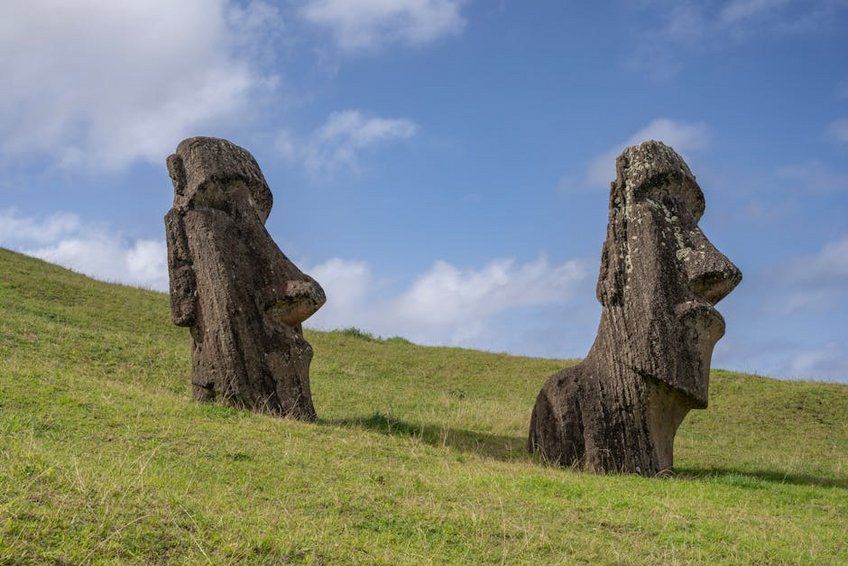
The Moai are monolithic statues created by the Rapa Nui civilization between 1250 and 1500 AD. They represent deified ancestors, known as ‘aringa ora, or living faces, believed to watch over the island’s clans. Their creation and transport across the island remain a testament to incredible engineering and communal effort.
For centuries, the society thrived, carving nearly 900 statues from compressed volcanic ash at the Rano Raraku quarry. A complex belief system and significant resources were dedicated to this practice. However, environmental strain and societal changes eventually led to the toppling of most statues by the 19th century.
What You Need to Know About the Statues
Understanding key facts deepens the experience of seeing these Polynesian monoliths.
- The average Moai stands 13 feet (4 meters) tall and weighs around 14 tons, though the largest unfinished statue, “El Gigante,” measures 69 feet (21 meters) and weighs an estimated 270 tons.
- Most Moai were carved from Rano Raraku’s volcanic tuff, while a select few, like those at Ahu Vinapu, were made from harder basalt, showcasing advanced stoneworking skills.
- The iconic “pukao” or topknots, made from red scoria from the Puna Pau quarry, were placed on some statues, possibly representing a ceremonial hairstyle or headdress of status.
- Budget Traveler ($1,200-$1,800): Stay in a hostel dorm ($30/night), cook meals, join group tours ($70/day), and rent a bicycle ($15/day). Focus on free sites like the town’s coastline ‘ahu’ and buy the 10-day park pass ($80) for self-guided exploration of key sites.
- Mid-Range Traveler ($2,500-$3,500): Book a comfortable guesthouse or hotel ($120/night), eat at mid-range restaurants ($25/meal), hire a private guide for a half-day ($150), and rent a small car for 2-3 days ($80/day). This allows for a balanced mix of guided insight and independent discovery.
- Luxury Traveler ($5,000+): Opt for a high-end eco-lodge or boutique hotel ($350+/night), dine at the island’s finest restaurants, arrange multi-day private guiding and 4×4 tours, and include special experiences like scuba diving or stargazing tours. This tier offers maximum comfort and exclusive access.
- Chilean National Forestry Corporation (CONAF) – Rapa Nui National Park
- UNESCO World Heritage Centre – Rapa Nui National Park
The Purpose and Symbolism of the Ancestor Figures
The primary purpose of these megaliths was spiritual and political. Erected on ceremonial platforms called ‘ahu’, they faced inland to watch over villages, channeling ancestral power, or ‘mana’, to the community. This positioning was crucial for fertility and protection. The statues were not gods themselves but vessels for the spirits of high-ranking ancestors.
Their construction was a massive community undertaking that reinforced social structure. The size and number of statues on an ‘ahu’ reflected the prestige and resources of the clan that built it. The process, from quarrying to transport over miles using a system of ropes, logs, and sheer manpower, unified the society in a shared, sacred endeavor.
Ahu Platforms and Coastal Sites
The ‘ahu’ is as important as the statues it supports. These stone platforms served as ceremonial centers for rituals, burials, and astronomical observation. Ahu Tongariki is the largest, with 15 re-erected Moai lined against the Pacific sunrise. Ahu Akivi is unique, featuring seven statues that gaze toward the sea, possibly aligned with celestial events.
Other key sites include the lone Moai at Ahu Ature Huki, the first to be re-erected using traditional methods in 1956, and the kneeling Moai Tukuturi at Rano Raraku, which has a full body and is made from a different type of stone, suggesting a later or distinct artistic phase.
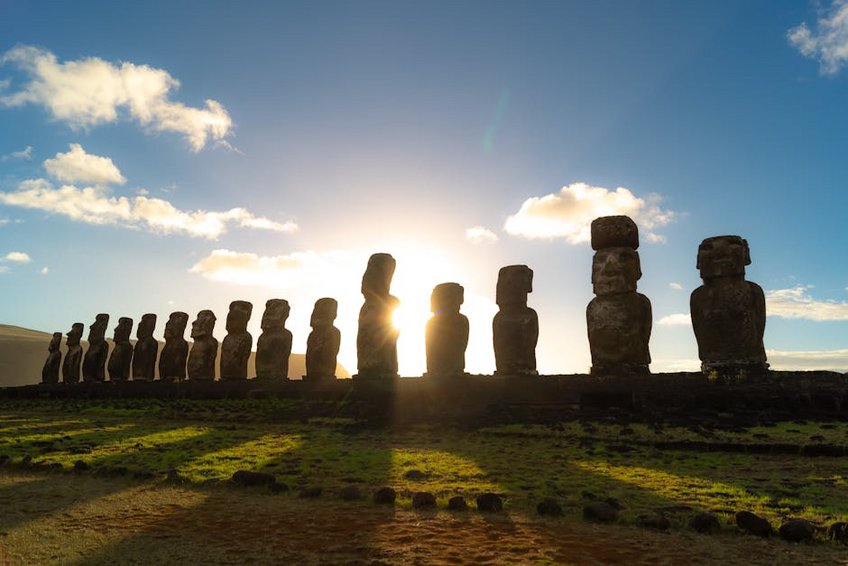
Alt: “easter-island-moai-statues-ahu-tongariki-sunrise-pacific-ocean”
Mexico Easter Island Moai Statues – Planning Your Trip
Organizing a trip to see the Easter Island Moai statues requires understanding its remote logistics. Flights depart from Santiago, Chile, not Mexico, a common point of confusion due to its Polynesian location far off the Chilean coast. You must book both your flight and Rapa Nui National Park ticket in advance. Planning around seasonal weather and local festivals will significantly enhance your visit.
Budgeting is crucial, as nearly everything is imported, making costs higher than mainland Chile. Accommodations range from hostels to high-end eco-lodges, with most clustered in Hanga Roa, the island’s only town. Allocate funds for renting a car, quad bike, or guided tours to access the widespread archaeological sites efficiently.
Best Time to Visit Easter Island
The ideal months are the shoulder seasons: March to May and September to November. During these periods, you’ll find pleasant temperatures between 70-75°F (21-24°C), fewer tourists, and a good balance of sun and manageable rain. The summer high season from December to February is warmer, around 79°F (26°C), but more crowded and expensive.
Winter, from June to August, sees cooler temperatures of 64-68°F (18-20°C) and stronger winds, but also offers dramatic skies and the Tapati Rapa Nui festival in early February, a vibrant cultural celebration. Regardless of season, prepare for quickly changing weather and always have a rain layer and sun protection ready.
Budget Planning and Costs
Here is a breakdown of expected costs for a week-long trip, excluding international airfare to Chile.
Essential Preparation Checklist
Secure your flight from Santiago’s International Airport (SCL) to Mataveri International Airport (IPC) on LATAM Airlines, the sole carrier. Book at least 4-6 months in advance for the best fares and schedule. Purchase your Rapa Nui National Park ticket online before arrival; you’ll need it to access Orongo, Rano Raraku, and Ahu Tongariki.
Pack sturdy walking shoes for rugged terrain, a high-SPF sunscreen and wide-brimmed hat, a reusable water bottle, and a power adapter for Type C/E outlets (220V). Ensure your travel insurance covers remote medical evacuation. Learn a few basic Rapa Nui phrases like ‘Iorana’ (hello) and ‘Mauruuru’ (thank you) to show respect.
Top Archaeological Sites and Experiences
Beyond the iconic Moai, Rapa Nui is a tapestry of archaeological wonders. The island’s entire landscape is an open-air museum, with petroglyphs, cave systems, and ceremonial villages waiting to be explored. Dedicating time to understand the context of the statues at the quarry and the birdman cult at Orongo completes the historical picture.
Allocate at least three full days to see the major sites without rushing. Start with the Rano Raraku quarry to see Moai in all stages of creation, then visit Ahu Tongariki for sunrise. Spend another day at Orongo and Ana Kai Tangata cave, and use a third day to explore the west coast sites like Ahu Akivi and Puna Pau at a leisurely pace.
Must-See Highlights
Rano Raraku, the volcanic quarry, is the birthplace of the Moai. Walking among nearly 400 statues in various states—some half-carved in the rock, others standing on the slopes—is the most powerful experience on the island. It provides direct insight into the carving process. Visit in the early morning or late afternoon for softer light and fewer crowds.
Ahu Tongariki, with its 15 monumental statues, is best at sunrise when the sun rises directly behind the aligned stone giants. It’s a photographer’s paradise. The nearby moai at Ahu Nau Nau, partially buried in sand for centuries and thus beautifully preserved, showcase original details like carved fishhooks on their backs, rarely seen elsewhere.
Hidden Gems and Local Favorites
Venture to the north coast’s Ahu Te Pito Kura to see the largest Moai ever transported and erected, now lying fallen. The site also features a perfectly round, magnetic stone said to be the island’s naval, or ‘Te Pito o te Henua’. It’s often quiet, allowing for peaceful contemplation. The nearby Ovahe beach, with its pink sand and dramatic cliffs, is a stunning spot for a picnic.
Explore the Ana Te Pahu cave system, known as the “banana cave” for the grove at its entrance. This vast lava tube was used as a dwelling and offers a cool, adventurous alternative to surface sites. For a local experience, attend a traditional Kari Kari dance show in Hanga Roa, which powerfully recounts Rapa Nui legends through music and movement.
Stargazing and Natural Beauty
With minimal light pollution, the island offers spectacular stargazing. The Milky Way is vividly clear, and the Southern Cross dominates the sky. Join an astronomy tour or simply find a dark spot away from Hanga Roa. The lack of tall trees creates unobstructed 360-degree horizons, making sunrises and sunsets over the ocean equally dramatic daily events.
The island’s three main volcanoes—Rano Kau, Rano Raraku, and Terevaka—offer distinct hikes. The climb to Terevaka, the highest point at 1,663 feet (507 meters), rewards you with a panoramic view of the entire triangular island. The crater lake at Rano Kau, filled with totora reeds, is a serene and important ecological site.
Practical Travel Information for Rapa Nui
Navigating this remote territory involves specific logistics. All visitors arrive via a 5.5-hour flight from Santiago, Chile. Upon landing, you’ll pass through a biosecurity check to protect the island’s ecosystem. The local currency is the Chilean Peso (CLP), but US dollars and credit cards are widely accepted in Hanga Roa, though cash is king for smaller vendors and tours.
Staying connected is possible but not guaranteed everywhere. Purchase a local SIM card from Entel or WOM in Hanga Roa for the best coverage, though service is spotty at remote archaeological sites. Wi-Fi is available at most hotels but is often slow. Embrace the opportunity to disconnect and fully immerse in the surroundings.
| Category | Options & Features | Price Range (USD) |
|---|---|---|
| Accommodation (Per Night) | Hostel dorm, private guesthouse, full-service eco-lodge | $30 – $400+ |
| Meals (Per Person) | Self-catered, casual local restaurant (Cevicheria), fine dining (Tataku Vave) | $15 – $80 |
| Transportation (Per Day) | Bicycle rental, small car (Suzuki Jimny), guided tour with transport | $15 – $150 |
| Activities & Tours | National Park Pass, half-day private guide, full-day 4×4 tour, scuba diving | $80 – $300 |