Iran Nowruz Celebrations Trip: Experience Persian New Year Traditions
Traveling to Iran during the Nowruz holiday offers a profound cultural immersion into the 3,000-year-old celebration of the Persian New Year. Your journey connects you with ancient Zoroastrian traditions, vibrant spring festivals, and welcoming family gatherings across cities and villages. This guide details how to plan your trip, navigate the festive closures, and experience authentic ceremonies from Chaharshanbe Suri fire jumping to Sizdah Bedar picnics.
Understanding Nowruz in Iran
Nowruz, meaning “new day,” marks the vernal equinox and the beginning of spring in the Persian calendar. This UNESCO-listed intangible cultural heritage celebrates renewal, family, and nature with rituals dating back to the pre-Islamic Achaemenid Empire. The holiday period lasts approximately thirteen days, with most Iranians taking extended vacations, making advance planning essential for international visitors.
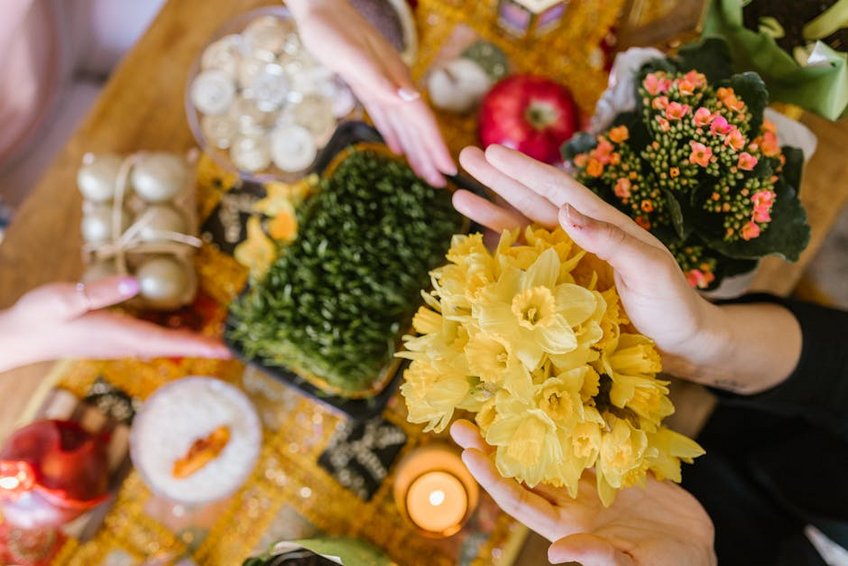
Your Persian New Year journey coincides with one of the most joyful times in Iranian society, where hospitality reaches its peak. Streets and homes undergo thorough “khooneh tekani” (spring cleaning), and families prepare the Haft-Seen table with seven symbolic items. Government offices, banks, and many businesses close, while museums and historical sites often extend hours to accommodate domestic tourists.
The cultural significance extends beyond Iran to Afghanistan, Tajikistan, and Kurdish regions, but Iran’s celebrations remain the most elaborate. This period offers unique access to family-centered traditions rarely visible to outsiders at other times. You’ll witness a nation collectively celebrating rebirth and hope through poetry, food, and communal gatherings.
Key Nowruz Traditions Explained
These central rituals define the Nowruz experience and provide cultural context for your travels.
- Chaharshanbe Suri: On the last Wednesday before Nowruz, communities build bonfires in streets and parks for the fire-jumping ceremony. Participants leap over flames while chanting “zardi-ye man az to, sorkhi-ye to az man” (my yellowness to you, your redness to me), symbolically transferring sickness and gaining vitality.
- Haft-Seen Table: Each family creates a ceremonial spread with seven items starting with the Persian letter ‘sin’ (S). These include sabzeh (sprouted wheat for rebirth), samanu (sweet pudding for affluence), and senjed (dried oleaster fruit for love). The table also features a goldfish, mirrors, candles, and poetry by Hafez.
- Sizdah Bedar: On the thirteenth day after Nowruz, everyone heads outdoors for picnics to avoid bad luck. Families bring their sabzeh sprouts to discard in flowing water, symbolizing the removal of pain from the household. This day marks the official end of the holiday period.
- Budget Travel ($50-80 USD daily): Stay in licensed hostels or budget hotels booked months ahead, use intercity buses instead of flights, and eat at local “dizi” restaurants rather than tourist establishments. Focus on free public celebrations and visit mosques/museums that remain open with minimal entrance fees (typically $1-3).
- Mid-Range Comfort ($100-180 USD daily): Book three-star hotels in central locations 4-5 months early, utilize domestic flights for longer distances (Tehran-Shiraz: $60-90), and hire private guides for key historical sites ($40-60 per day). Enjoy traditional restaurants and attend organized Nowruz events at cultural centers.
- Premium Experience ($250-400+ USD daily): Secure five-star hotels or luxury boutique accommodations through specialized tour operators, arrange private drivers for intercity travel, and book exclusive experiences like private Haft-Seen table viewings with families. Includes gourmet dining and special access to restricted celebrations.
- Iran Tourism and Touring Organization
- UNESCO Nowruz Intangible Cultural Heritage Listing
The Nowruz Calendar and Timing
The exact moment of the equinox, called “Tahvil-e Sal,” changes annually between March 19-21 and determines the new year’s start. Families gather around their Haft-Seen tables at this precise second, exchanging gifts and well-wishes. Your Persian New Year journey timing should account for the two-week holiday period plus several days of preparation beforehand.
Domestic travel peaks dramatically during Nowruz, with an estimated 15 million Iranians taking trips within the country. This internal migration affects transportation availability and accommodation prices significantly. International visitors benefit from experiencing this collective energy but must book flights and hotels at least three months in advance.
Cultural Significance and Modern Celebrations
Nowruz transcends religious and ethnic boundaries in Iran, celebrated by Muslims, Zoroastrians, Christians, and Jewish communities alike. The holiday emphasizes universal values of peace, solidarity, and reconciliation between generations. You’ll observe these values in action through family visits where younger members receive “eidi” (gift money) from elders.
Modern celebrations blend ancient customs with contemporary elements like public concerts, street performances, and special television programming. Major cities host elaborate flower displays and light installations in parks and along main boulevards. Despite economic challenges, families prioritize creating joyful atmospheres, making this an exceptionally warm time to experience Iranian culture.
Alt: “tehran-hafeseh-street-nowruz-decorations-spring-flowers”
Iran Nowruz Celebrations Trip – Planning Your Journey
Your Persian New Year adventure requires strategic planning around the national holiday closures and travel peaks. Begin arranging visas three months before departure, as the process involves authorization codes and passport submissions to Iranian interests sections. International flights into Tehran’s Imam Khomeini Airport (IKA) fill quickly, so book early and consider arriving several days before Tahvil-e Sal to acclimate.
Accommodation presents the biggest challenge, as domestic tourists book hotels months in advance for family trips. Target smaller boutique hotels in historic districts or consider licensed homestays for more authentic experiences. Allocate a daily budget of $80-150 USD per person for mid-range travel during this premium season, accounting for 20-30% price increases.
This Nowruz travel experience works best with flexible expectations regarding operating hours and crowds at major sites. Create a balanced itinerary mixing scheduled guided tours with ample unstructured time to encounter spontaneous celebrations. Learning basic Farsi greetings for Nowruz (“Nowruz Mobarak”) will greatly enhance your interactions with locals.
Best Time to Visit for Nowruz Celebrations
The optimal period for your Persian New Year journey spans late March through early April, capturing both pre-festival events and the main holiday. Arrive by March 17-18 to experience Chaharshanbe Suri fire festivities before the actual new year begins. Weather varies significantly by region, with Tehran experiencing 50-65°F (10-18°C) days but possible rain, while Shiraz enjoys 60-75°F (15-24°C) and sunshine.
Shoulder season in April offers milder temperatures and reduced crowds after Sizdah Bedar, though you’ll miss some peak celebrations. Early March visits avoid holiday price surges but lack the festive atmosphere. For ideal conditions, target March 15-30, accepting that you’ll navigate both cooler northern climates and warmer southern destinations if traveling between cities.
Budget Planning and Costs
Nowruz represents Iran’s highest travel season, impacting all price categories significantly.
Essential Preparation Checklist
Obtain your visa authorization code through an approved tour operator before submitting your passport to an Iranian embassy or consulate. Ensure your passport contains no Israeli stamps and has at least six months validity beyond your departure date. Purchase comprehensive travel insurance mentioning Iran coverage explicitly, as many standard policies exclude the country.
Pack modest clothing covering arms and legs, with headscarves mandatory for women in all public spaces. Bring sufficient US dollars or euros in cash (new, unmarked bills), as international credit/debit cards don’t work in Iran due to sanctions. Download offline maps, translation apps, and a currency converter, noting that 1 USD ≈ 500,000 Iranian rials (rates fluctuate).
Top Nowruz Destinations and Experiences
Different Iranian cities offer distinct perspectives on Persian New Year traditions, from grand urban celebrations to intimate village customs. Tehran provides the most comprehensive festival experience with massive public events, while smaller cities preserve more traditional family-oriented rituals. Your itinerary should balance time in major cultural centers with day trips to surrounding areas for varied perspectives.
Transportation between cities becomes challenging during the holiday period, with trains booking completely months in advance and shared taxi prices increasing 50-100%. Consider basing yourself in two or three strategic locations rather than attempting an extensive multi-city tour. Allow extra time for travel delays and enjoy the journey as part of your cultural immersion.
Must-See Nowruz Celebrations
Tehran’s Tajrish Bazaar transforms into a Nowruz spectacle with special holiday foods, decorations, and crowds shopping for Haft-Seen items. Visit during the week before the new year to observe preparations and purchase traditional sweets like noghl and baklava. The nearby Darband mountain trail hosts massive Chaharshanbe Suri bonfires with thousands of participants.
In Shiraz, the Tomb of Hafez becomes the spiritual center of Nowruz celebrations, with families gathering to read from the poet’s Divan for fal-e Hafez (divination). Arrive early morning to avoid overwhelming crowds and experience this beautiful garden complex at its most meaningful. The city’s orange blossom scent during early spring adds magical atmosphere to ancient Persian traditions.
Isfahan’s Naqsh-e Jahan Square hosts elaborate public celebrations with traditional music, dance performances, and special night lighting illuminating the Sheikh Lotfollah Mosque. The surrounding bazaar offers exceptional Nowruz shopping for handicrafts, while teahouses serve special holiday teas and pastries. This UNESCO World Heritage site provides breathtaking backdrop for Persian New Year photography.
Hidden Gems and Local Favorites
Kashan’s historic merchant houses in the Tabatabaei and Borujerdi districts host intimate Nowruz gatherings, with some families offering paid visits to their decorated Haft-Seen tables. This desert city celebrates with particular emphasis on water symbolism, reflecting its qanat irrigation heritage. The nearby Fin Garden presents Sizdah Bedar picnics among centuries-old cypress trees.
The village of Abyaneh, with its distinctive red clay architecture and traditional costumes, preserves ancient Nowruz customs largely unchanged for generations. Residents speak Middle Persian dialect and celebrate with unique local rituals rarely seen elsewhere. Visiting requires navigating mountain roads but rewards with exceptionally authentic experiences away from mainstream tourism.
Mazandaran province along the Caspian Sea coast welcomes millions of domestic tourists for Sizdah Bedar picnics in its lush forests and rice paddies. Join locals in Ramsar or Nowshahr for massive outdoor gatherings where families cook entire meals over portable stoves. This region offers completely different natural scenery from Iran’s desert cities.
Nowruz in Kurdish Regions
Western Iran’s Kurdish communities celebrate Nowruz with particular political and cultural significance, emphasizing resistance and identity. Cities like Sanandaj and Marivan host elaborate street celebrations with distinctive Kurdish music, dance, and costumes. The region’s mountainous landscapes provide dramatic settings for traditional bonfire ceremonies that feel distinct from urban celebrations.
Access to Kurdish areas requires checking current travel advisories, as some border regions may have restrictions. Those who visit discover exceptionally warm hospitality and proud preservation of Kurdish cultural elements within Nowruz traditions. The experience adds important regional diversity to understanding how different Iranian communities interpret the Persian New Year.
Practical Travel Information for Nowruz
Navigating Iran during its busiest travel season presents unique logistical challenges requiring adaptive strategies. Transportation systems operate at full capacity with limited last-minute availability, making pre-booking essential for all intercity movement. Accommodation standards vary significantly by city, with traditional guesthouses often offering more authentic experiences than international-style hotels.
Communication barriers decrease during Nowruz as English-speaking Iranians frequently approach visitors to share holiday greetings and explanations. Mobile internet access remains available but may slow under increased domestic usage during the holiday period. Prepare for occasional payment confusion due to Iran’s dual currency system (official rial vs. common toman where 1 toman = 10 rials).
| Service Category | Nowruz-Specific Considerations | Price Range (USD) |
|---|---|---|
| Tehran Hotels | Book 4-5 months minimum; expect 40% price premium; breakfast included | $80-250/night |
| Domestic Flights | Tehran-Shiraz/Isfahan routes sell out early; check luggage limits | $60-120/segment |
| Private Guides | Essential for site access during crowded days; Nowruz knowledge varies | $40-80/day |
| Nowruz Tours | Specialized itineraries include family visits, ceremony participation | $100-200/day all-inclusive |