Washington DC Cherry Blossom Festival: Your Complete Visitor Guide
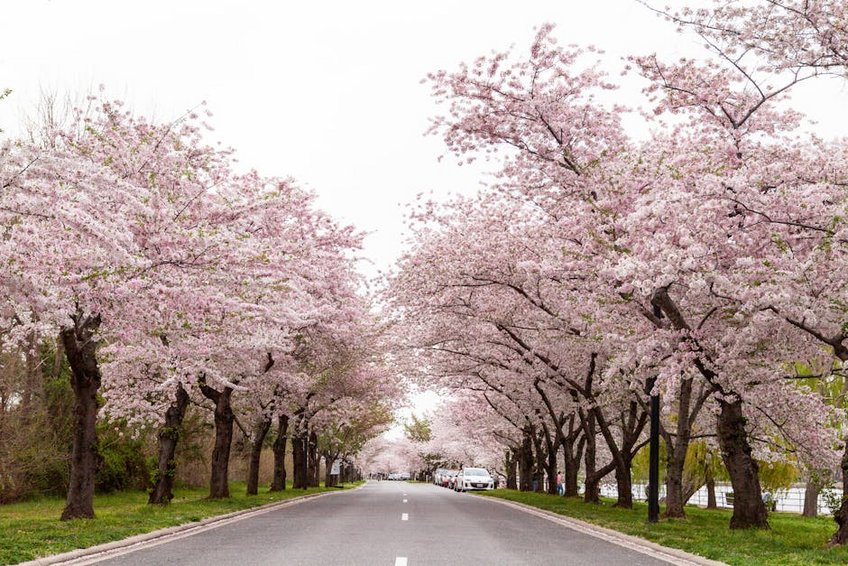
The Washington DC Cherry Blossom Festival celebrates the city’s iconic pink and white blossoms each spring, creating a spectacular urban landscape. This annual event centers around the Tidal Basin, where over 3,000 trees gifted from Japan create a breathtaking canopy. Your visit offers cultural performances, festive events, and some of the nation’s most memorable spring photography opportunities against monuments like the Jefferson Memorial.
Essential Festival History and Information
The National Cherry Blossom Festival commemorates Tokyo’s 1912 gift of 3,020 cherry trees to the United States. First Lady Helen Herron Taft and Viscountess Chinda planted the initial two trees, which still stand today. This gesture of international friendship evolved into an official festival in 1935, now attracting approximately 1.5 million visitors each spring.
The festival typically runs for four weeks from mid-March through mid-April, aligning with the peak bloom period. Event organizers schedule over 90 different cultural performances and activities throughout this timeframe. These include the Blossom Kite Festival, the National Cherry Blossom Festival Parade, and PetalPalooza, a family-friendly waterfront celebration.
Understanding Peak Bloom Predictions
Peak bloom refers to when 70% of the Yoshino cherry blossoms around the Tidal Basin are open. This period usually lasts four to seven days but varies annually with weather conditions. The National Park Service provides official forecasts starting in late February.
- Monitor the NPS Bloom Watch page for weekly updates as your travel dates approach, as forecasts become more accurate within ten days of the event.
- Understand that peak bloom dates have occurred as early as March 15 (1990) and as late as April 18 (1958), with an average date around April 4.
- Remember that cool, calm weather extends viewing while rain and wind can shorten the spectacular display significantly.
- Budget travelers should allocate $800-$1,200 for three nights, selecting hotels in Virginia suburbs like Crystal City ($120-160/night) and using Metro passes ($15 daily). Enjoy free festival events and affordable meals at food trucks ($10-15 per meal).
- Mid-range visitors typically spend $1,500-$2,200 staying in downtown DC hotels ($250-350/night) with balcony views. Reserve parade grandstand seats ($25-40) and dine at mid-priced restaurants near the Wharf ($25-40 per entree). Include a monument tour by bicycle ($40-60 rental).
- Luxury experiences range from $3,000-$5,000+ featuring waterfront suites at the Mandarin Oriental ($600-900/night), private guided tours ($300-500), and premium dining at restaurants like Fiola Mare ($150+ per person). Include chartered monument photography sessions during golden hour.
- National Cherry Blossom Festival Official Website
- National Park Service Bloom Watch Page
Key Festival Zones and Locations
The Tidal Basin forms the festival’s epicenter with its 2.1-mile loop trail passing the Jefferson, Martin Luther King Jr., and Franklin Delano Roosevelt Memorials. East Potomac Park (Hains Point) features another 1,800 trees, including the vibrant Kwanzan variety that blooms approximately two weeks after the Yoshino cherries. The National Mall area provides alternative viewing with fewer crowds near the Washington Monument.
Pennsylvania Avenue hosts the grand parade featuring elaborate floats, marching bands, and celebrity performers. Southwest Waterfront welcomes visitors to PetalPalooza with live music stages and interactive art installations. Many cultural events occur at the Warner Theatre and at various museums participating in the festival programming.
Cultural Significance and Events
The festival honors Japanese-American friendship through traditional and contemporary cultural exchanges. The opening ceremony typically features performances by artists from Japan alongside local Washington groups. Throughout the celebration, you can experience tea ceremonies, ikebana (flower arranging) demonstrations, and traditional Japanese dance performances.
Evening events include the Southwest Waterfront Fireworks Festival illuminating the blossoms against the night sky. The Pink Tie Party fundraiser gathers community leaders to support festival programming. Local museums like the Smithsonian American Art Museum often host special exhibitions connecting to cherry blossom themes during this period.
Alt: “tidal-basin-cherry-blossoms-jefferson-memorial-reflections-spring”
Washington DC Cherry Blossom Festival – Planning Your Trip
Successful festival visits require strategic planning around peak bloom predictions and substantial crowds. Reserve accommodations at least four months in advance, as hotel prices increase dramatically and availability disappears closer to the event. Consider visiting on weekday mornings for significantly smaller crowds compared to weekend afternoons during peak bloom.
Your Washington DC Cherry Blossom Festival budget should account for higher seasonal pricing across transportation, lodging, and dining. Flight costs to Reagan National (DCA) or Dulles (IAD) airports typically rise 30-40% during peak weekends. Metro fares remain consistent, but ride-share surge pricing frequently applies around major event venues.
Prepare for variable spring weather with temperatures ranging from 40°F to 70°F (4°C to 21°C). Mornings often begin chilly before warming by afternoon, requiring layered clothing. Rainfall averages 3.5 inches during April, so pack waterproof footwear and a compact umbrella for unpredictable showers.
Best Time to Visit for Cherry Blossoms
Visit between late March and early April for the highest probability of witnessing peak bloom, though this timing varies annually. The most reliable viewing typically occurs during the first two weeks of April when average temperatures reach 58°F (14°C). Crowds intensify on weekends immediately following the official peak bloom announcement from the National Park Service.
Shoulder season visitors in late March can enjoy early bloomers and smaller crowds with average highs around 55°F (13°C). Early April provides optimal conditions with milder temperatures between 45-65°F (7-18°C). Consider the first weekday after peak bloom declaration for balanced viewing conditions and manageable visitor numbers.
Budget Planning and Costs
Your festival expenses will vary significantly based on travel style and booking timing.
Essential Preparation Checklist
Secure festival accommodation immediately after confirming travel dates, as most hotels implement non-refundable policies and minimum stays. Book flights to Washington Reagan National (DCA) when possible for closest proximity to the Tidal Basin, or consider Baltimore/Washington (BWI) for better fare options. Reserve major event tickets like the parade grandstand three months ahead through the official festival website.
Pack comfortable walking shoes with waterproof protection for the 2-3 miles of daily exploration on uneven pathways. Bring multiple clothing layers including a lightweight jacket, as temperatures fluctuate throughout spring days. Include portable phone chargers, a refillable water bottle, and a compact folding stool for blossom viewing away from crowded areas.
Top Attractions and Festival Activities
The Tidal Basin loop presents the iconic blossom experience with breathtaking views of pink canopies framing national monuments. This 2.1-mile paved pathway becomes pedestrian-only during peak bloom weekends, creating a festive walking atmosphere. Arrive before 8 AM for sunrise photography sessions when soft light illuminates the blossoms and crowds remain minimal.
East Potomac Park offers a more relaxed alternative with diverse cherry varieties along its golf course and recreational paths. The Hains Point area features both early and late-blooming trees, extending your viewing window. This location provides excellent bicycle rental opportunities from nearby vendors for efficient exploration between blossom clusters.
Must-See Festival Highlights
The Blossom Kite Festival on the Washington Monument grounds showcases spectacular aerial creations during the last weekend of March. Professional kite flyers demonstrate acrobatic maneuvers while families enjoy designated areas for flying personal kites. This free event features kite-making workshops, competitions, and optimal photography conditions with colorful kites against the monument backdrop.
The National Cherry Blossom Festival Parade along Constitution Avenue presents elaborate floats, marching bands, and celebrity performers on the second Saturday in April. Grandstand tickets ($25-40) guarantee seating, but free viewing areas exist along the route with early arrival. Following the parade, the Sakura Matsuri Japanese Street Festival offers traditional performances and artisan vendors.
PetalPalooza at the Southwest Waterfront combines live music stages, interactive art installations, and family activities during early April evenings. This free celebration culminates in a spectacular fireworks display over the Anacostia River synchronized with musical accompaniment. Arrive via Waterfront Metro station and explore multiple performance zones along Maine Avenue.
Hidden Gems and Local Favorites
The U.S. National Arboretum northeast of Capitol Hill features mature cherry collections with significantly smaller crowds than the Tidal Basin. Their Yoshino cherries typically bloom simultaneously with downtown trees, accessible via a 15-minute ride-share from Union Station. Explore the National Bonsai & Penjing Museum nearby, included with free arboretum admission.
Dumbarton Oaks in Georgetown offers a curated garden experience with cherry trees framing historic architecture and tranquil ponds. Admission costs $10 for adults with timed-entry tickets reducing crowding. Visit during weekday afternoons when garden pathways feel particularly serene compared to bustling National Mall locations.
Monument Photography Opportunities
The Martin Luther King Jr. Memorial provides striking blossom foregrounds with the stone sculpture reflection in the Tidal Basin. Early morning visits capture dramatic sunrise colors illuminating both blossoms and monument inscriptions. Utilize a wide-angle lens (16-35mm) to encompass the entire scene with blossoms framing the “Stone of Hope” centerpiece.
The Franklin Delano Roosevelt Memorial’s waterfall and bronze statues create unique compositional elements with cherry branches. Visit during golden hour (one hour after sunrise) for soft directional light enhancing texture and color saturation. Position yourself near the memorial’s entrance to utilize pathways as leading lines through the blossom canopy toward the waterfalls.
Practical Travel Information and Logistics
Washington Reagan National Airport (DCA) provides the most convenient access just 3 miles from the Tidal Basin via Metro’s Yellow Line. Dulles International (IAD) serves more international routes but requires a 45-minute Silver Line Metro ride or airport shuttle. Baltimore/Washington International (BWI) offers competitive fares with Amtrak/MARC train connections to Union Station in approximately 40 minutes.
Metro rail provides efficient festival access with Smithsonian station serving the National Mall and L’Enfant Plaza accessing Southwest Waterfront. Purchase a SmarTrip card ($10 including $8 fare value) for tap-and-go convenience across buses and trains. Avoid driving into downtown DC during peak bloom weekends when parking becomes scarce and expensive ($30-50 daily).
| Accommodation Area | Features and Accessibility | Price Range (USD/Night) |
|---|---|---|
| Downtown DC/Penn Quarter | Walking distance to monuments, premium dining, highest festival convenience | $280 – $450+ |
| Capitol Hill/Navy Yard | Residential feel, Metro access, newer hotel options near Nationals Park | $220 – $350 |
| Georgetown | Historic charm, boutique hotels, dining scene, requires bus/taxi to Tidal Basin | $250 – $400 |
| Virginia Suburbs (Arlington/Crystal City) | Metro accessibility, better value, 15-25 minute commute to blossoms | $140 – $250 |