

Essential Things to Know Before Traveling Alone
Traveling alone is a uniquely rewarding experience that builds confidence and offers unparalleled freedom. You can spontaneously change plans, dive deep into local culture, and connect with fellow travelers on your own terms. This guide covers the essential things to know before traveling alone, from smart safety strategies to maximizing your budget and enjoying your own company. We will provide practical tips for every stage of your solo journey.
The Foundation of Solo Travel
Solo travel is a skill you develop, not just an activity you do. It requires a different mindset than group travel, focusing on self-reliance and adaptability. The freedom is immense, but so is the responsibility for your own itinerary, safety, and enjoyment. Understanding this balance is the first step to a successful trip.
Many first-time solo travelers worry about loneliness or safety, but these concerns are manageable with preparation. You will learn to enjoy your own company and find that being alone often leads to more meaningful interactions with locals and other travelers. The key is planning for independence while remaining open to connection.
Mindset and Expectations
Adjusting your expectations is crucial for enjoying independent travel. You are the tour guide, decision-maker, and problem-solver all at once.
- Embrace flexibility: Your greatest asset is the ability to change plans instantly based on weather, mood, or new recommendations without consulting anyone else.
- Accept occasional solitude: Some days will feel quieter than others; view this as an opportunity for reflection, reading, or simply observing daily life around you.
- Celebrate small victories: Successfully navigating a foreign transit system or ordering a meal in a new language are triumphs that build travel confidence.
- Budget Traveler ($50-100/day): Stay in hostel dorms, use public transport, eat street food or market meals, and focus on free walking tours and public parks. This level requires more planning but maximizes trip length.
- Mid-Range Traveler ($100-200/day): Book private hostel rooms or budget hotels, enjoy sit-down meals, take occasional ride-shares, and join paid day tours for specific attractions. This offers comfort while maintaining social opportunities.
- Luxury Traveler ($200+/day): Stay in central hotels with 24-hour reception, dine at recommended restaurants, hire private guides for deep cultural insights, and use convenient transportation. This prioritizes comfort, security, and unique access.
- U.S. Department of State – Travel Advisories
- Lonely Planet – Solo Travel Guides
The Realities of Safety and Security
Safety is the top concern for most solo travelers, especially women. Proactive planning significantly reduces risk and increases peace of mind. Always research your destination’s specific safety landscape, including neighborhoods to avoid and common scams targeting tourists.
Share your itinerary with at least one trusted contact back home, including hotel addresses and tour details. Use a money belt or anti-theft bag for essentials and carry only a daily budget in cash. Trust your instincts absolutely; if a situation feels wrong, leave immediately without worrying about politeness.
Financial Planning for Independence
Solo travel often costs more per person than shared travel, as you bear the full cost of accommodations and private tours. However, you control all spending decisions. Create a detailed daily budget that includes a contingency fund for opportunities or emergencies.
Notify your bank of travel plans to avoid frozen cards. Carry multiple forms of payment: a primary credit card with no foreign transaction fees, a backup debit card, and some local currency in small denominations. Consider travel insurance that covers solo travelers for medical emergencies and trip interruptions.
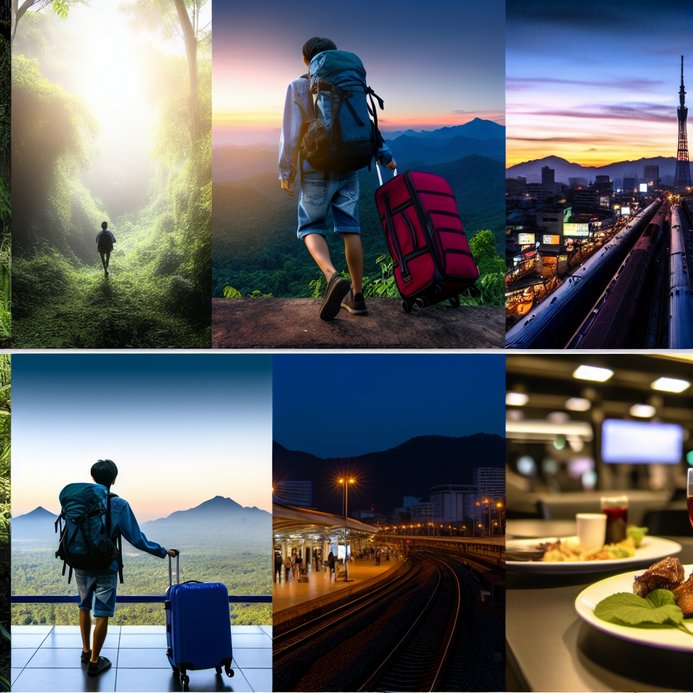
Alt: “solo-traveler-backpack-woman-map-planning-adventure”
Things to Know Before Traveling Alone – Planning Your Trip
Strategic planning is your best tool for a smooth and enjoyable solo adventure. Begin by choosing a destination that matches your comfort level and interests. Research visa requirements, local customs, and the best neighborhoods for solo visitors. Booking your first few nights’ accommodation in advance provides a secure home base.
Build a flexible itinerary that mixes structured activities with free time. Pre-book key experiences that might sell out, like popular museum tickets or day tours. Leave plenty of unscheduled time for wandering, cafe sitting, and spontaneous discoveries, which are often the highlights of independent travel.
Best Time to Visit as a Solo Traveler
The ideal time for a solo trip depends on your destination and goals. Shoulder seasons—like April-May or September-October in Europe—offer mild weather, fewer crowds, and better prices. You will find it easier to meet people and get last-minute reservations during these periods.
Peak summer months bring vibrant social scenes but also higher costs and crowded attractions. Winter travel can be magical and budget-friendly, though some services may be limited. Consider local festivals or events that could enhance your experience or make lodging scarce.
Budget Planning and Costs
Solo travel budgets vary widely based on destination and style. Hostels and guesthouses become your most social and affordable options.
Essential Preparation Checklist
Organization prevents stress on the road. Pack light with a carry-on-sized backpack or suitcase to maintain mobility. Essential items include a universal adapter, portable power bank, basic first-aid kit, photocopies of your passport, and a downloaded offline map of your destination.
Ensure your phone is unlocked for local SIM cards and download key apps like Google Translate, a local transit app, and your airline’s app. Purchase comprehensive travel insurance that covers medical evacuation. Finally, inform your bank of travel dates and set up international roaming or a plan for WiFi access.
Navigating Logistics and Accommodation
Logistical mastery gives you the freedom to enjoy your journey. Research airport transfers to your city center before arrival; knowing the bus or train schedule reduces stress upon landing. Choose accommodations with positive reviews from other solo travelers, noting comments about safety, social atmosphere, and location.
When moving between cities, consider daytime travel for safety and scenery. Overnight trains or buses can save on accommodation costs but require extra vigilance with your belongings. Always keep your valuables in a small bag you can sleep with or lock to your bunk.
Choosing the Right Accommodation
Your choice of lodging defines much of your solo experience. Hostels are classic hubs for meeting people, with many offering female-only dorms and organized social events. Boutique hostels and guesthouses provide more privacy while still fostering community in common areas.
Hotel alternatives like Airbnb or serviced apartments offer independence and a local feel. Prioritize places in central, well-lit neighborhoods with easy access to public transport. Read recent reviews specifically mentioning solo stays to gauge the social vibe and staff helpfulness.
Getting Around Confidently
Mastering local transportation is empowering. Study the metro or bus map before you arrive. Use ride-sharing apps for direct, traceable trips, especially at night. In many cities, walking is the best way to explore and stumble upon hidden gems.
For day trips, join organized group tours to handle logistics. Consider renting a bicycle for flexible urban exploration where infrastructure is safe. Always have your accommodation’s address saved in your phone, both in the local language and in English.
| Accommodation Type | Best For | Avg. Nightly Cost (USD) |
|---|---|---|
| Hostel Dorm | Budget travelers & socializing; often includes breakfast & tours | $15-40 |
| Private Hostel Room | Solo privacy with social common areas; secure lockers | $45-90 |
| Budget Hotel/Guesthouse | Quiet independence; 24/7 front desk for security | $70-130 |
| Boutique Hotel/Airbnb | Comfort & local immersion; kitchen access | $100-200+ |


