

Tent vs Campervan: Choosing Your Ideal Mobile Shelter
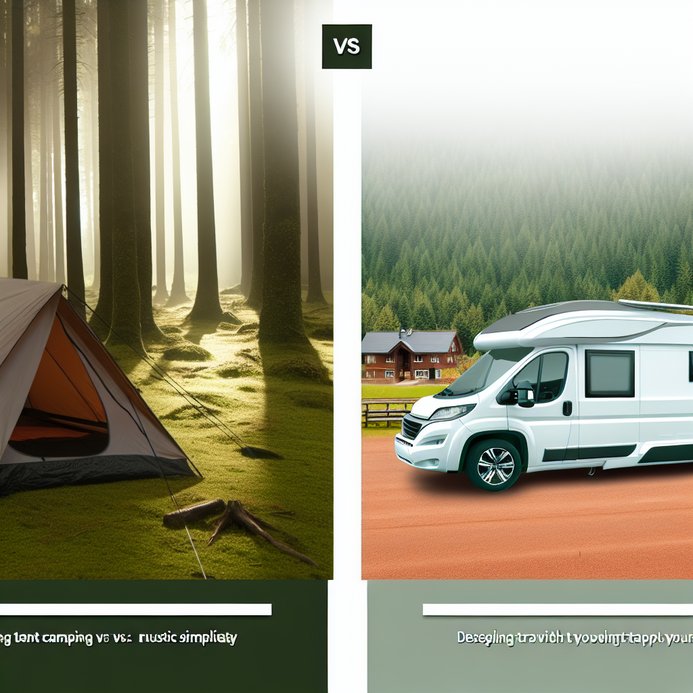
Deciding between a tent and a campervan shapes your entire outdoor adventure, from daily logistics to overall comfort and cost. A traditional tent offers a lightweight, affordable, and immersive connection to nature, perfect for backpackers and minimalist travelers. A campervan provides a rolling home with built-in shelter, storage, and often kitchen facilities, ideal for those prioritizing convenience and weather protection. Your choice hinges on budget, travel style, group size, and the type of destinations you plan to explore, with each option presenting distinct advantages and compromises.
Essential Travel Shelter Fundamentals
Understanding the core differences between tent camping and campervan travel begins with defining each experience. Tent camping involves carrying your shelter and sleeping system to a designated site, requiring manual setup and breakdown at each location. This classic approach connects you directly with the outdoors, relying on portable gear for all needs. It represents the most traditional form of outdoor accommodation, used by everyone from thru-hikers to family campers.
Conversely, a campervan—encompassing everything from minimalist minivans to fully-equipped RVs—integrates transportation and living space. This vehicle serves as your transport by day and your insulated bedroom and kitchen by night. The experience focuses on road-based exploration, with the ability to move your home between scenic spots without packing up your entire living quarters. This mode suits travelers who want to cover more ground with less daily effort.
Key Decision Factors and Comparisons
Your choice depends on several practical and personal variables. Consider these elements before committing to gear or a rental.
- Budget Allocation: Tent camping involves lower initial gear costs (typically $200-$800 for quality items) but ongoing campsite fees ($20-$60/night). Campervan rentals range from $100-$300+ per day, which includes your vehicle and accommodation but adds fuel and potential rental insurance costs.
- Comfort and Convenience Level: A campervan provides elevated comfort with a raised bed, indoor standing room, and integrated amenities like a fridge or stove. A tent requires you to sleep on the ground and cook outside, embracing a more rustic experience that many outdoor purists prefer.
- Mobility and Accessibility: A tent paired with a standard car allows access to remote trailheads and forest service roads where larger vehicles cannot go. A campervan, especially a larger model, may be restricted to paved roads and established campgrounds with suitable parking spaces.
- Budget Tent Setup ($500-$1,200 total): Includes a reliable 3-person tent ($150-$300), two sleeping pads and bags ($200-$400), a portable stove and kitchen kit ($100-$200), and a cooler ($50-$100). Daily costs are campsite fees ($25-$45) and food. Ideal for minimizing upfront investment and controlling daily expenses.
- Mid-Range Campervan Rental ($1,200-$2,500 per week): Covers a standard minivan conversion or small campervan rental with basic insurance, bedding, and kitchenette. You’ll add costs for fuel ($150-$300/week), campgrounds with hookups ($35-$60/night), and food. Offers the best balance of comfort and mobility for couples or small families.
- Luxury RV or Premium Van Experience ($3,000-$6,000+ per week): Provides a large Class C RV or a high-end adventure van with shower, toilet, solar power, and advanced amenities. Includes generator use, full insurance, and often mileage packages. Best for travelers who refuse to compromise on home-like comfort and have ample budget for premium RV resorts.
- Recreation.gov – Federal Campground Reservations
- Kampgrounds of America (KOA) Network
- Bureau of Land Management – Dispersed Camping Info
The Setup and Breakdown Experience
Daily camp chores differ dramatically between these two shelter styles. With a tent, you must select a flat, debris-free site, unpack and assemble poles and fabric, and inflate sleeping pads each time you stop. This process can take 15-30 minutes and repeats every travel day, which some travelers find meditative and others consider a tedious burden after a long drive or hike.
A campervan simplifies this routine significantly. Parking and leveling the vehicle often constitutes the main setup task, followed by potentially extending an awning or setting out camping chairs. For a quick overnight stop, you might simply rotate the front seats and unfold a bed platform. This efficiency is invaluable during multi-stop road trips or in unpredictable weather when a fast shelter is crucial.
Weather Resilience and Climate Considerations
Your shelter choice dramatically impacts how you handle adverse conditions. A quality four-season tent, properly staked and guyed-out, can withstand high winds and heavy snow, but requires you to enter and exit through the elements. Managing wet gear and cooking in rain or cold becomes a challenging logistical puzzle that tests your outdoor skills and patience.
A campervan offers superior refuge from rain, wind, and extreme temperatures. You can cook dinner indoors during a storm, change into dry clothes comfortably, and retreat to an insulated space without tracking in mud. However, excessive heat can turn a metal vehicle into an oven without adequate ventilation or shade, a problem less prevalent in a breathable tent.
Alt: “family-camping-tent-versus-campervan-scenic-mountain-background”
Tent vs Campervan – Planning Your Mobile Adventure
Strategic planning for a tent-based trip involves researching campground reservations, which often book months in advance at popular national parks, and verifying you have all necessary gear components. Your itinerary must account for daily setup time and proximity to facilities, as tent campers more frequently rely on shared campground bathrooms and water sources. Packing requires meticulous organization to fit shelter, sleep system, kitchen, and food into your vehicle.
Planning a campervan adventure centers on the rental agreement, vehicle insurance, and understanding the dimensions and capabilities of your specific model. You’ll need to identify campsites with suitable parking, and often book RV-specific spots with electrical hookups. Route planning must consider vehicle height restrictions on park roads and low-clearance bridges, factors irrelevant to tent campers with a standard car. Your packing list shifts toward groceries and personal items, as the core amenities are built-in.
Best Time of Year for Each Option
Tent camping is most enjoyable during late spring through early fall in most regions, when nighttime temperatures stay above 50°F (10°C) and rainfall is less frequent. Summer months offer long daylight hours but bring intense competition for campsites. Shoulder seasons like May and September provide cooler nights, around 40-60°F (4-15°C), and fewer crowds, though you must prepare for sudden weather shifts with appropriate gear.
Campervan travel extends the comfortable season significantly, as the insulated vehicle provides better protection from cold. You can comfortably travel in early spring and late fall, with temperatures dipping to 30°F (-1°C), using the vehicle’s heater or a supplemental sleeping bag. Summer travel requires seeking shaded campsites or locations with higher elevations to avoid overheating the van’s interior during the day.
Budget Breakdown and Cost Comparison
Examine these structured cost tiers to align your shelter choice with financial planning.
Essential Preparation Checklist
For tent camping, your gear list must be comprehensive. You need a tent with a full-coverage rainfly, sleeping pads with an R-value appropriate for the season, and temperature-rated sleeping bags or quilts. A headlamp, multitool, first-aid kit, and water filtration method are non-negotiable safety items. Practice setting up your tent at home to avoid frustration at a dark, windy campsite.
For a campervan trip, preparation focuses on vehicle familiarization and systems management. Thoroughly inspect the rental vehicle for existing damage and understand how all systems work: electrical hookups, propane, water fill and drain, and waste disposal. Pack leveling blocks, a hose for potable water, and necessary adapters. Ensure your driver’s license qualifies you for the vehicle size and review roadside assistance coverage details.
Top Experiences and Destination Compatibility
Your shelter choice can enable or limit access to certain types of destinations. Tent camping excels in established front-country campgrounds within national parks, state parks, and national forests. It’s the required method for backcountry sites reached by trail and is perfect for destinations where the primary activity is hiking from a basecamp, such as Yellowstone’s Canyon Village or the Adirondack High Peaks region.
Campervans unlock a different style of journey, favoring scenic drives and coastal routes. They are ideal for linear road trips like California’s Pacific Coast Highway, Utah’s scenic byways, or Canada’s Icefields Parkway. You can enjoy dispersed camping on Bureau of Land Management (BLM) land in the American West or stay at vineyard harvest host locations, blending transportation and accommodation seamlessly across vast landscapes.
Must-See Highlights Best Accessed by Each
Tent camping provides superior access to iconic backcountry landscapes. In Yosemite National Park, a tent allows you to secure a spot in the sought-after Camp 4 or stay at the high-altitude Tuolumne Meadows Campground, serving as a base for alpine hikes. At Great Smoky Mountains National Park, you can camp at Elkmont or Cades Cove and walk directly to trailheads for waterfall hikes, a convenience rarely matched by vehicle-based camping.
Campervans shine on epic coastal and desert circuits. You can drive the Oregon Coast, parking overnight at designated spots like Sea Perch RV Park in Yachats with ocean views. In the Southwest, a van lets you tour the Grand Circle (Grand Canyon, Zion, Bryce, Arches) with your home always packed, moving between Southwestern landscapes without ever needing to check into a hotel or repack a car trunk full of gear.
Hidden Gems and Local Secrets
Tent campers can discover lesser-known Forest Service campgrounds, often first-come, first-served, located down unpaved roads. Sites like Oh Be Joyful Campground near Crested Butte, Colorado, offer stunning mountain backdrops with direct access to wildflower meadows and streams, typically inaccessible to larger RVs. These spots provide solitude and a genuine rustic atmosphere favored by seasoned outdoor enthusiasts.
Campervan travelers have a unique advantage with “boondocking” or free dispersed camping on public lands. Using apps like iOverlander, you can find established pull-offs on BLM land in places like Valley of the Gods, Utah, or along the Salmon River in Idaho. These spots offer incredible privacy and views without fees, though they require self-sufficiency as no facilities are provided.
Activity-Based Recommendations
For hiking-intensive trips, a tent is often more logical. You can establish a basecamp and embark on multi-day backpacking loops or challenging day hikes without worrying about moving a large vehicle. Your gear can stay lighter and more focused on trail performance rather than vehicular living comforts. This approach maximizes time on trail and minimizes daily driving.
For photography-focused journeys or surfing trips, a campervan offers critical advantages. Photographers can wait for perfect golden hour light from the comfort of their vehicle, with gear securely stored and ready. Surfers can chase waves along a coastline, drying wetsuits on the van’s ladder and cooking warm meals between sessions without returning to a fixed campground, blending mobility with functionality.
Practical Travel Logistics and Daily Life
Daily life differs profoundly between these two travel styles. Tent camping involves a rhythm of gathering water, using shared restrooms, cooking at a picnic table, and storing all food securely in a vehicle or bear locker. Evening entertainment often revolves around the campfire. It’s a communal, outdoor-oriented daily pattern that connects you closely with the campground environment and fellow campers.
Life in a campervan centers on managing the vehicle’s systems: monitoring water and propane levels, finding dump stations, connecting to electrical power, and ensuring the battery stays charged. Your kitchen is always set up, and you can retreat to a private space for reading or resting. This lifestyle offers more privacy and resembles a compact, mobile apartment, reducing interaction with campground communities unless sought out.
| Category | Tent Camping Features | Campervan Features |
|---|---|---|
| Sleeping Arrangement | Ground-level, requires pads/mattresses, closer to nature sounds | Raised platform or fixed bed, often with integrated mattress |
| Kitchen Setup | Portable stove on picnic table, wash bin, food stored in cooler | Built-in stove, sink, and fridge/food storage cabinets |
| Weather Management | Enter/exit in rain, potential for mud/damp inside, reliant on tent quality | Step directly from driver’s seat to dry interior, insulated walls |
| Setup/Tear Down Time | 15-45 minutes per move, packing all loose gear | 5-15 minutes for stabilizing and connecting utilities |


