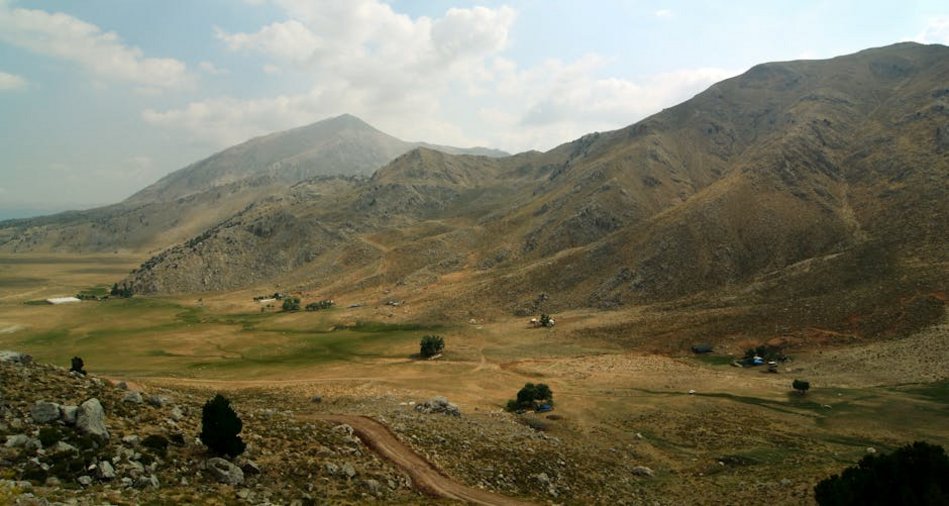
Best Hiking Routes in Turkey: From Coastal Trails to Mountain Summits
Turkey offers an astonishing variety of hiking routes that traverse ancient trade roads, Mediterranean coastlines, and rugged mountain ranges, creating a trekking paradise for all ability levels. Your journey across these diverse trails connects you with over 10,000 years of history, from Lycian rock tombs to Ottoman caravanserais, while showcasing breathtaking natural scenery. This guide details the essential long-distance paths, regional day hikes, and practical planning tips for your Turkish trekking adventure, ensuring you experience the best hiking routes in Turkey safely and memorably.
Turkey’s Diverse Trekking Landscape
Turkey’s unique geography straddles Europe and Asia, creating a trekking landscape of incredible contrast. The country contains seven distinct climatic regions, from the humid Black Sea coast to the arid Anatolian plateau. This variety supports trails ranging from easy coastal walks to challenging alpine ascents exceeding 4,000 meters.
Historical pathways form the backbone of many long-distance routes. You’ll walk on Roman stone roads, follow Silk Road caravan tracks, and traverse trails used for millennia by nomadic cultures. The terrain shifts rapidly, offering new vistas around nearly every corner of these well-established paths.
Essential Information for Hikers
Understanding basic logistics ensures a smooth trekking experience in Turkey. The trail network is extensive but marking consistency varies by region.
- Trail Markings: Major routes like the Lycian Way and Saint Paul Trail use red and white painted stripes on rocks and trees. Regional paths may have less frequent or different colored markings, so carrying a GPS or detailed map is wise.
- Permits and Fees: Most trails require no permits or fees. Exceptions include national parks like Göreme and certain archaeological sites along the routes, where entrance fees range from $5-15 USD (45-140 TRY).
- Seasonal Considerations: Hiking seasons differ dramatically between coastal and mountain regions. The Mediterranean coast is ideal from October to May, while the Kaçkar Mountains are best from July to September.
- Budget Trekker ($25-40 USD/day): Camp or stay in village pensions ($10-15), cook your own meals from market supplies, use public dolmuş (minibus) transport between trailheads. This approach works well on the Saint Paul Trail and sections of the Evliya Çelebi Way.
- Mid-Range Hiker ($50-80 USD/day): Stay in comfortable guesthouses or boutique hotels ($25-40), enjoy restaurant meals, hire occasional baggage transfers ($15-25 per stage), and join guided day hikes for difficult sections. This suits the Lycian Way and Carian Trail perfectly.
- Luxury Adventure ($120-200+ USD/day): Book through a specialized touring company providing private guides, premium accommodations, vehicle support, and gourmet picnic lunches. Ideal for the Kaçkar Mountains or customized multi-activity itineraries combining hiking with sailing or history tours.
- Culture Routes Society of Turkey
- Lonely Planet Turkey Travel Information
Climate and Best Hiking Seasons
Turkey’s size creates significant seasonal variations across its trekking regions. Coastal paths along the Aegean and Mediterranean enjoy mild winters, with daytime temperatures from 50-68°F (10-20°C) from November through April. Summer months (June-August) bring intense heat, often exceeding 86°F (30°C), making strenuous hiking uncomfortable.
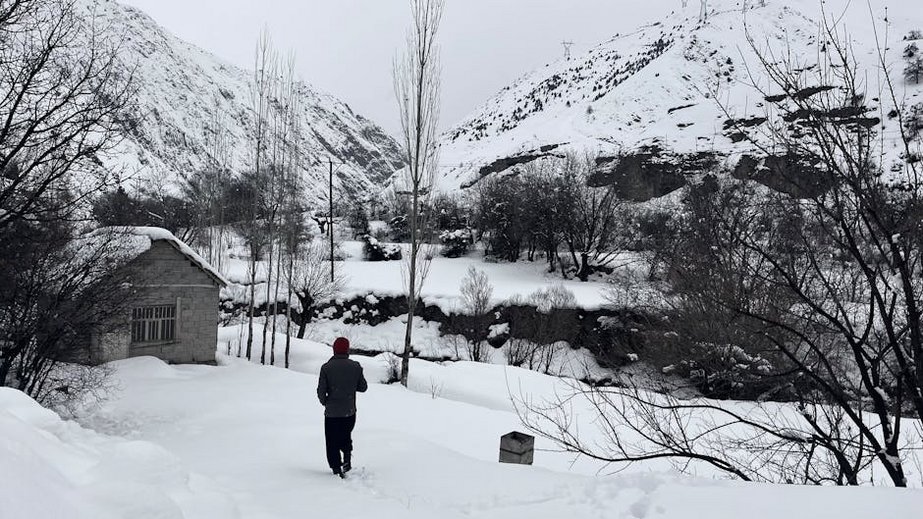
Conversely, the mountainous interior and eastern regions have short, cool summers and long, snowy winters. The Kaçkar Mountains offer a brief hiking window from mid-July to mid-September, with daytime temperatures of 59-68°F (15-20°C) at altitude. Always check regional weather forecasts, as conditions can change rapidly, especially in alpine areas.
Cultural Encounters on the Trail
Trekking in Turkey provides authentic interactions with local hospitality traditions. You’ll frequently pass through small villages where residents may invite you for çay (tea). This strong culture of hospitality, known as “misafirperverlik,” is a highlight of the rural hiking experience.
Simple Turkish phrases enhance these encounters. Learning “Merhaba” (Hello), “Teşekkür ederim” (Thank you), and “Güle güle” (Goodbye) shows respect. Villages along routes like the Carian Trail often have family-run pensions offering basic accommodation and home-cooked meals, providing direct support to local economies.
Alt: “lycian-way-trail-markers-coastal-turkey-hiking-path”
Best Hiking Routes in Turkey – Planning Your Trek
Selecting the right path depends on your fitness, interests, and available time. Turkey’s premier long-distance trails each offer distinct landscapes and historical themes. While the Lycian Way receives international attention, several other routes provide equally stunning experiences with fewer visitors.
Your itinerary should balance walking days with cultural exploration. Many trails pass directly through ancient cities like Ephesus or Xanthos, where you’ll want to spend extra time. Budget approximately $30-50 USD per day for basic trekking, covering accommodation, meals, and local transport between trail sections.
Physical preparation is crucial, as even coastal routes involve significant elevation change. Train with weighted day hikes on uneven terrain before your trip. Break in your footwear thoroughly to prevent blisters during long days on rocky paths.
Best Time to Visit for Hiking
Visit coastal Turkey for hiking between October and May to avoid extreme summer heat. Spring (April-May) brings wildflowers and comfortable temperatures of 60-75°F (15-24°C). Autumn (September-November) offers warm sea temperatures and clear skies, perfect for trails combining forest and coastline.
For high mountain trekking in the Kaçkar or Taurus ranges, plan for July through September. Snow persists on high passes into early July, and autumn snowfalls can begin in October. Shoulder seasons provide advantages: April on the Lycian Way sees fewer hikers, while late September in Cappadocia offers pleasant daytime hiking conditions.
Budget Planning and Costs
Turkey offers excellent value, but costs vary by trail infrastructure and your comfort level.
Essential Preparation Checklist
Proper gear and documentation prevent problems on remote trails. Footwear is your most critical item—choose sturdy, broken-in hiking boots with ankle support for rocky terrain. Technical clothing should include moisture-wicking layers, a waterproof and windproof jacket, sun protection (hat, SPF 50+), and a warm layer for cool evenings.
Documentation includes a passport valid for six months beyond your stay. US and EU citizens receive a 90-day e-visa online for $50 USD. Purchase comprehensive travel insurance covering mountain rescue. Book key accommodations in advance during peak seasons (April-May, September-October), especially in popular villages like Faralya or Çıralı along the Lycian Way.
Top Long-Distance Hiking Trails
Turkey’s long-distance paths represent some of Europe’s great walks, combining endurance with cultural immersion. These marked trails require multi-day commitments but offer the deepest connection to the landscape. Trail associations maintain most routes, providing updated information online.
You can hike entire trails over several weeks or select the most scenic sections for shorter trips. Many routes have reliable accommodation options in villages spaced a day’s walk apart. Water sources are generally available, but carrying 2-3 liters is advisable, particularly in the hotter, drier months.
The Lycian Way: Coastal Majesty
The 540-km Lycian Way from Fethiye to Antalya remains Turkey’s most famous trekking route. This path showcases turquoise coves, pine forests, and ancient Lycian ruins perched on cliffs. Key highlights include the butterfly valley near Faralya, the eternal flames of Chimaera, and the stunning coastal approach to Olympos.
Most hikers complete sections rather than the entire trail. The 4-day stretch from Demre to Adrasan is exceptionally scenic. Spring and autumn are ideal, avoiding summer crowds and heat. Budget guesthouses and small hotels line the route, with luggage transfer services available between villages for those preferring day packs.
The Kaçkar Mountains: Alpine Adventure
For experienced trekkers, the Kaçkar Mountains in northeastern Turkey offer pristine alpine scenery above the Black Sea. Routes circle Mount Kaçkar (3,937m), passing glacial lakes, high pastures (yaylas), and traditional Georgian villages. The atmosphere is more remote than western coastal trails, with basic mountain hut accommodation.
The classic trek is the 7-10 day circular route from Ayder village. This involves high passes, potential snow crossings, and variable weather. Hiring a local guide is highly recommended for route-finding and cultural translation. The best window is narrow—late July to early September—after snowmelt and before autumn storms.
The Saint Paul Trail: Historical Journey
Following Apostle Paul’s first missionary journey, this 500-km inland route from Perge to Yalvaç explores lakes, mountains, and Roman roads. It sees far fewer hikers than the Lycian Way, offering greater solitude. The trail passes dramatic sites like the canyon at Köprülü and the ancient city of Adada.
Infrastructure is more basic, requiring more self-sufficiency. The northern sections near Lake Eğirdir are particularly beautiful in spring when wildflowers bloom. Water sources are reliable, but food supplies should be carried between villages. This is a rewarding choice for hikers seeking historical depth and peaceful walking.
Regional Day Hikes and Short Treks
Not everyone has weeks for long trails. Turkey’s regions offer exceptional day hikes accessible from major towns and tourist centers. These shorter routes provide a perfect introduction to the landscape and can be combined with cultural sightseeing. Many follow well-defined paths with clear starting points.
Guided day hikes are widely available and affordable, typically costing $35-60 USD including transport and lunch. This is an excellent way to access remote areas safely while learning from local experts. Self-guided hiking is also straightforward with proper maps and preparation.
Cappadocia’s Valley Trails
Cappadocia’s surreal volcanic landscape is best explored on foot through its many interconnected valleys. The 4-km Rose Valley loop from Göreme reveals stunning rock formations and hidden churches. Ihlara Valley offers a completely different experience—a 14-km canyon walk past Byzantine frescoed churches alongside a flowing river.
Spring (April-June) and autumn (September-October) provide ideal temperatures. Summer heat reflects intensely off the white valley walls. Trails are generally well-marked with signs at major junctions. Start early to avoid the midday sun and enjoy the best light for photography in these extraordinary landscapes.
Day Hikes from Antalya and the Turquoise Coast
The seaside city of Antalya serves as a perfect base for spectacular coastal day hiking. The Lycian Way sections near town include the steep climb to the ancient fortress of Termessos and the coastal path from Adrasan to Olympos. These routes offer historical sites alongside Mediterranean views.
Local guides lead excellent hikes up Mount Tahtali (2,366m) via the cable car or through the Düden Canyon. The Antalya region benefits from a long hiking season from October through May. Public dolmuş minibuses provide inexpensive access to most trailheads from the city center.
Black Sea Mountain Walks
Turkey’s verdant Black Sea region features lush, rain-fed landscapes ideal for summer hiking. Day walks from Rize or Ayder villages access stunning alpine meadows filled with wildflowers in July and August. The Pokut and Hazindağ plateaus offer relatively easy walking with breathtaking views of the Kaçkar peaks.
This region receives significant precipitation, so waterproof gear is essential even in summer. The cultural experience here is distinct, with traditional wooden architecture and a strong tea cultivation heritage. Hikes often include encounters with local herders tending flocks in high pastures.
Practical Travel Information for Hikers
Navigating Turkey’s transportation network is straightforward with basic planning. Domestic flights connect major hubs quickly and affordably, with one-way fares between Istanbul and trekking gateways like Antalya or Trabzon often under $50 USD if booked in advance. Buses serve nearly every town with comfortable, frequent service.
Accommodation ranges from simple village houses to luxury boutique hotels. Along major trails, a network of family-run pensions offers affordable lodging and authentic meals. Booking.com and local tourist offices can help arrange stays, though many remote pensions still operate primarily by phone or direct inquiry.
| Accommodation Type | Features & Amenities | Price Range (USD) |
|---|---|---|
| Village Pension (Pansiyon) | Basic private room, shared bathroom, homemade breakfast and dinner available | $15-25 per night |
| Mid-Range Guesthouse | Private bathroom, air conditioning, terrace views, optional airport transfer | $35-60 per night |
| Boutique Cave Hotel (Cappadocia) | Unique cave room, luxury amenities, swimming pool, panoramic terrace | $80-200+ per night |
| Mountain Refuge (Kaçkar) | Dormitory bedding, basic meals, guided trekking services available | $20-30 including half-board |