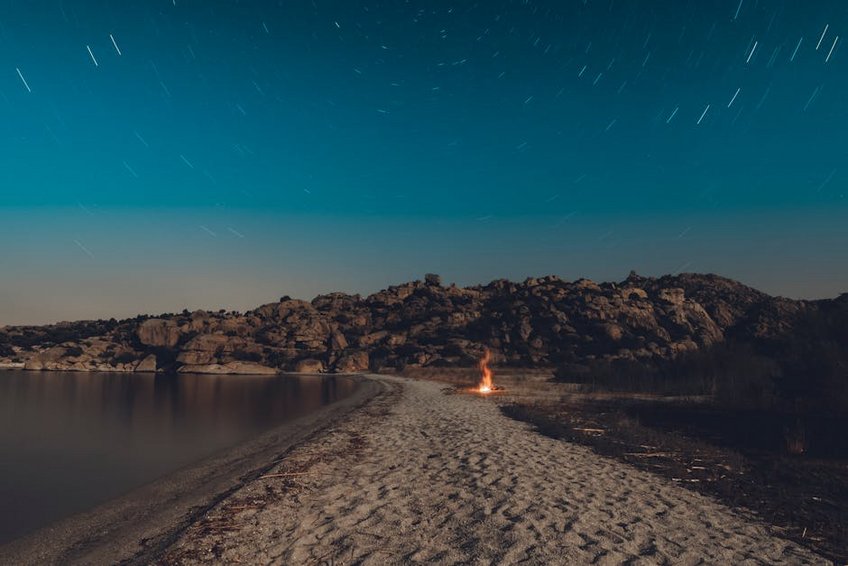
Free Camping Areas in Turkey for the Ultimate Outdoor Adventure
Exploring Turkey’s stunning landscapes through free camping offers an authentic connection to nature and significant cost savings for adventurous travelers. From the turquoise coastlines of the Mediterranean to the rugged peaks of the Cappadocian valleys, the country provides countless opportunities for self-sufficient overnight stays. This guide details the best regions, essential regulations, and practical tips to ensure your wild camping experience in Turkey is both memorable and responsible.
Understanding Wild Camping in Turkey
Wild camping, or “çadır kampı” in Turkish, generally refers to pitching a tent outside of designated, paid campgrounds. The legal framework is nuanced, leaning towards tolerance in many rural and coastal areas rather than explicit permission. Success hinges on discretion, respect for the environment, and adhering to unwritten local codes of conduct. Authorities prioritize protecting natural sites and private property over chasing down respectful campers.
National parks and specially protected areas often have stricter rules, sometimes banning camping altogether or restricting it to specific zones. Coastal areas, especially those with ancient ruins or within military zones, may have patrols. The general principle is to be invisible, leave no trace, and move on after a night or two. This approach minimizes your impact and avoids drawing attention from landowners or officials.
Key Legal and Cultural Considerations
Navigating the informal rules is crucial for a trouble-free trip. While not formally codified, these practices are widely accepted by experienced campers.
- Always seek verbal permission if camping near a village, farm, or olive grove; a friendly ask with basic Turkish phrases goes a long way.
- Absolutely avoid lighting open fires, especially during the dry summer months (June-September) due to extreme wildfire risk; use a portable camping stove instead.
- Never camp on cultivated land, fenced properties, or within direct sight of historic monuments or military installations, as this will likely lead to a quick eviction.
- Budget Campers ($15-25/day): Relies on a personal vehicle for sleep/cooking, sources food from local markets, uses natural water sources (with purification), and spends minimally on attractions. Costs cover food, fuel, and occasional facility use.
- Mid-Range Campers ($30-50/day): Uses a quality tent and camping gear, mixes market cooking with affordable village restaurant meals, rents a small car for mobility, and pays for entry to some historical sites. This offers the best balance of comfort and adventure.
- Comfort Campers ($60-100/day): Invests in high-end, lightweight gear, frequently dines at local restaurants, uses a reliable 4×4 vehicle to access more remote spots, and may book guided day tours or a hotel night every few days for a proper shower and rest.
- Republic of Turkey Ministry of Culture and Tourism
- Culture Trip Travel Guides
Top Regions for Free Camping
The Turquoise Coast, or Turkish Riviera, between Fethiye and Antalya offers spectacular beachside spots. Small coves along the Lycian Way hiking trail are popular, though you should arrive late, depart early, and keep your setup minimal. The Datça and Bozburun peninsulas provide more secluded rocky inlets with crystal-clear water, perfect for a serene overnight stay.
Cappadocia’s otherworldly valleys, like Ihlara or Love Valley, present a unique desert camping experience. Temperatures drop significantly at night, even in summer, so prepare accordingly. The Kaçkar Mountains in the northeast offer pristine alpine meadows for high-altitude camping, ideal during the brief summer window from July to early September when snow has melted.
Essential Safety and Etiquette
Your safety is your own responsibility when wild camping. Choose a spot safe from rockfalls, flash floods, or rising tides. Inform someone of your rough location and expected return. Be aware of local wildlife, which can include boars and jackals; secure your food properly. Culturally, dressing modestly when near settlements and removing all trash, including biodegradable items, is non-negotiable for maintaining good relations and protecting the environment.
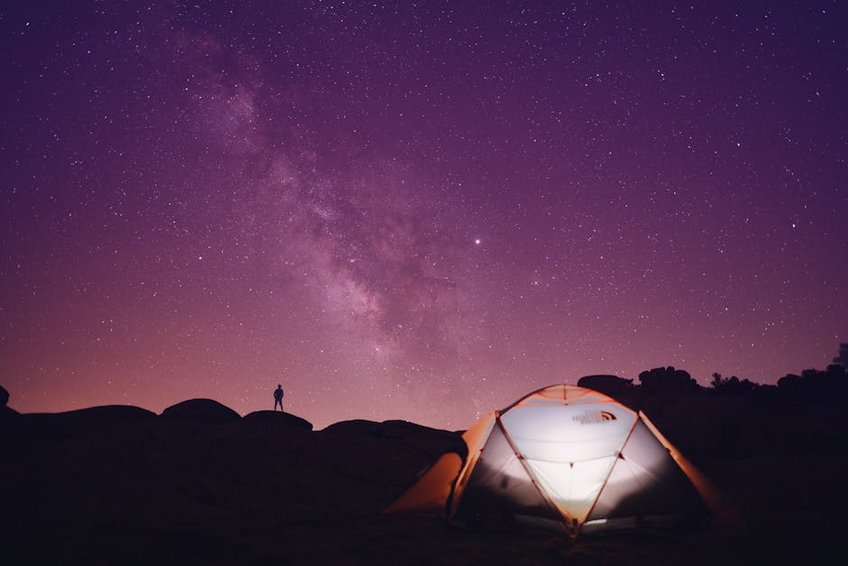
Alt: “turquoise-coast-beach-camping-secluded-cove-turkey”
Free Camping Areas in Turkey – Planning Your Adventure
Successful wild camping here requires more planning than a standard campground holiday. Your preparation must account for variable water sources, remote locations, and the need for self-sufficiency. Start by identifying your target region and researching it via hiking forums and satellite maps to scout potential clearings or beach accesses. Flexibility is your greatest asset, as the perfect spot may already be occupied or inaccessible.
Budget considerations shift from accommodation costs to transportation and gear investment. While nightly stays are free, you’ll need reliable equipment. Factor in fuel for seeking out remote spots, money for occasional meals in villages to support local businesses, and a contingency fund for unexpected expenses like a car repair or a night in a pension if weather turns severe. Your main savings come from avoiding hotel fees, allowing a longer trip.
Best Time to Visit for Camping
The optimal camping season runs from late April to early June and September to October. During these months, daytime temperatures are pleasant, ranging from 68-82°F (20-28°C), and nighttime lows are comfortable, around 50-59°F (10-15°C). Crowds are smaller, water sources are more reliable, and the wildfire risk is lower. This is the ideal window for coastal and mountain camping alike.
July and August bring intense heat, with temperatures often exceeding 95°F (35°C), making daytime hiking strenuous and increasing fire danger to critical levels. The winter months, from November to March, are suitable only for hardier campers in coastal regions, with cold, rainy weather. Mountainous areas like Cappadocia and the Kaçkars become very cold, with sub-freezing temperatures at night, requiring specialized four-season gear.
Budget Planning and Costs
Your daily budget varies dramatically based on your style. Here’s a breakdown for a solo traveler or couple.
Essential Preparation Checklist
Packing correctly is non-negotiable for safety and enjoyment. Essential gear includes a sturdy tent, a sleeping bag rated for the season’s lowest temperatures, a sleeping pad, a reliable camping stove with fuel, a headlamp, a comprehensive first-aid kit, and a water purification system (filter or tablets). A quality cooler is also vital for keeping food fresh in the heat. Navigation requires offline maps on your phone and a physical backup.
Documentation should include your passport, driver’s license, international driving permit if renting a car, and travel insurance that explicitly covers wild camping and related activities. Book your international flights and any initial accommodation months in advance, especially for summer travel. For health, ensure routine vaccinations are up-to-date and consider consulting a doctor about travel-specific advice.
Top Locations and Coastal Gems
The Turkish coastline is dotted with potential camping spots, particularly along the less-developed stretches. Areas near Olympos and Çıralı, south of Antalya, have a long history of informal camping, though enforcement can vary. The peninsula around Akyaka and the Gulf of Gökova offers pine-forested shores near the water. Always prioritize spots that are not part of a national park or private beach club.
Inland, the stunning Lake Salda, often called Turkey’s Maldives, has specific protected zones where camping is prohibited. Research current regulations thoroughly before attempting to stay near its shores. Similarly, the valleys of Cappadocia, such as Zemi or Pigeon Valley, offer flat, sheltered areas, but ensure you are not on a walking trail or within a ticketed open-air museum zone.
Must-See Accessible Camping Areas
Butterfly Valley, near Fethiye, is iconic but camping is now officially managed and requires a fee; it represents the shift from wild to controlled camping in popular spots. Kabak Bay, further south, still offers more relaxed opportunities in its upper reaches, away from the boutique pensions. These areas showcase incredible beauty but require responsible practices due to their popularity and ecological sensitivity.
The ancient Lycian ruins of Patara have a massive, 18km-long beach where camping has been traditionally tolerated at the far ends. However, it’s part of a national park, so utmost discretion and a leave-no-trace ethic are mandatory. The pine forests around Köyceğiz Lake provide shaded, tranquil spots away from the coastal summer bustle, with easy access to small towns for supplies.
Hidden Gems and Local Favorites
For greater seclusion, explore the shores of the Bafa Lake near Milas, with its serene atmosphere and views of Latmos Mountains. The remote beaches of the Sinop Peninsula on the Black Sea offer a completely different, lush green camping experience with cooler temperatures. Locals often picnic in these areas, and overnight stays can be possible with low visibility.
Ask friendly locals in smaller villages for suggestions; they might point you to a beautiful clearing or a quiet beach cove known only to residents. Phrases like “Çadır için uygun bir yer var mı?” (Is there a suitable place for a tent?) can open doors. These discovered spots often become the most memorable part of your trip, far from any guidebook or app.
Camping with a Campervan or Car
Turkey is increasingly popular for van life. Many roadside pull-offs, picnic areas (“mesire yeri”), and truck stops are usable for overnight parking. The key is to arrive late, leave early, and never set up external furniture like chairs or tables, which signals a long-term stay. Services for dumping waste and filling fresh water are scarce outside official campgrounds, so plan your stops in larger towns.
Practical Travel and Logistics
Navigating Turkey for a free camping trip involves a mix of personal transport and reliance on local services. While public buses (dolmuş and coaches) are excellent for intercity travel, they are impractical for reaching remote camping spots with gear. Most successful wild campers use a rental car, a campervan, or a motorcycle, which provides the necessary flexibility to explore and relocate easily.
Accommodation, in this context, is your tent. However, planning to stay in a hostel, guesthouse (pansiyon), or budget hotel every 4-5 nights is a wise strategy. This allows you to properly shower, recharge all electronics, wash clothes, get reliable Wi-Fi for planning, and safely leave your main luggage while you take a multi-day camping side trip with a lighter pack.
| Area Type | Camping Features & Considerations | Approximate Cost Savings vs. Hotels (Per Night) |
|---|---|---|
| Mediterranean Coast Coves | Beach access, swimming, scenic sunsets. Risk of summer crowds and occasional patrols. | $50 – $150 |
| Cappadocian Valleys | Unique rock formations, starry skies. Cold nights, need for warm gear and flat ground. | $40 – $200 |
| Black Sea Forests | Lush greenery, water sources, cooler climate. Can be damp and buggy in summer. | $30 – $100 |
| South Aegean Peninsulas | High seclusion, clear waters, rocky terrain. Often requires a 4×4 vehicle for access. | $60 – $180 |