Camping with Family: A Complete Safety and Planning Guide
Camping with your family builds lasting memories and teaches children valuable outdoor skills, but safety is the most critical factor for a successful trip. Thorough preparation, from selecting the right gear to understanding campground protocols, transforms potential risks into manageable scenarios. This guide covers campsite selection, essential gear, wildlife safety, and emergency protocols to ensure your family adventure is both fun and secure.
Essential Family Camping Information
Modern family camping blends traditional outdoor experiences with improved safety resources and gear. Campgrounds across North America and Europe are rated for family-friendliness, offering amenities like flush toilets, potable water, and on-site rangers. Understanding these ratings helps you choose a location matching your family’s comfort and experience level.
Safety statistics show that supervised camping in designated areas is a low-risk activity. Incidents are rare and often linked to a lack of preparation or disregard for posted rules. Your primary focus should be on planning, proper equipment, and educating every family member, regardless of age, about basic outdoor conduct.
Core Safety Principles for Outdoor Families
Adhering to a few foundational rules creates a safe framework for your entire trip. These principles are non-negotiable for a secure family outdoor experience.
- Always maintain visual or verbal contact with children, establishing clear boundaries like “don’t go past that large pine tree” and using bright-colored clothing for easy spotting.
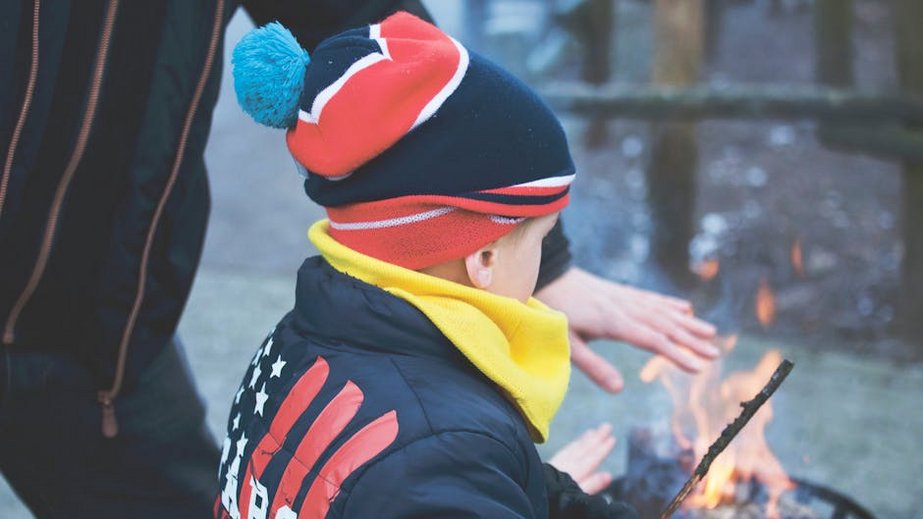
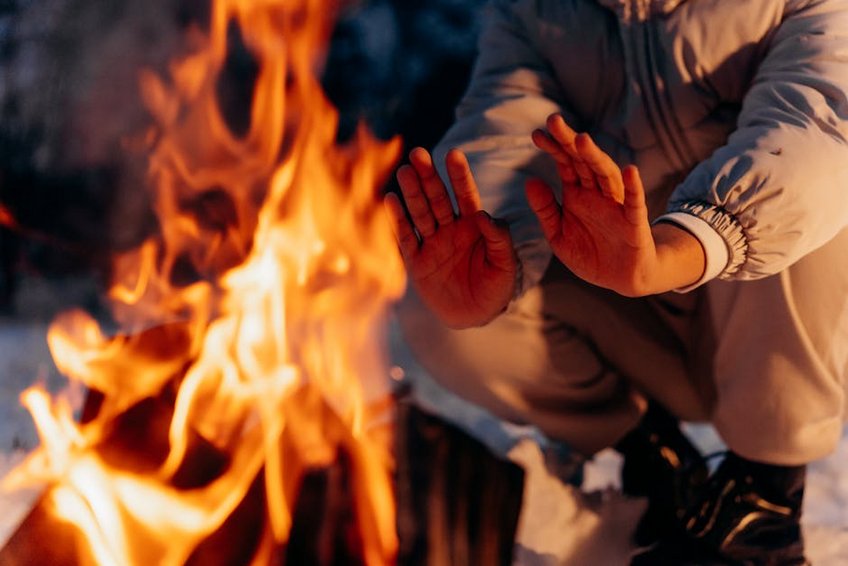
- Practice strict campfire safety by only using designated rings, never leaving flames unattended, and keeping a large bucket of water or sand within immediate reach at all times.
- Implement a “check-in” system where children inform an adult before going to the restroom or exploring a nearby trail, fostering responsibility and communication.
- Budget-Friendly (Using Existing Gear): $200-$400 covers campground fees ($20-$40/night), food from your pantry, and gas. Focus on state parks close to home to minimize travel costs and use borrowed or older equipment you already own.
- Mid-Range (New Essential Gear): $600-$1,200 includes purchasing a quality family tent ($200-$400), sleeping bags/pads ($300 total), a camp stove ($80), and fees for a premium national park campground with full hook-ups. This offers great comfort and safety value.
- Luxury/Glamping: $1,500+ involves booking a pre-set canvas tent or cabin at a private resort, often including beds, linens, and guided activities. This option removes all gear logistics and is ideal for families wanting an introductory outdoor experience with maximum convenience.
- Recreation.gov – Federal Campground Reservations
- Ready.gov – Emergency Preparedness Resources
- National Park Service – Safety and Planning
Understanding Campsite Classifications
Not all campgrounds are created equal, especially for families with younger children. Developed, front-country sites within national or state parks provide the highest level of infrastructure and security. These areas have regular patrols, emergency call boxes, and cell service, which are crucial for first-time family campers.
More rustic or dispersed camping areas offer solitude but lack immediate support. These spots are better suited for families with significant outdoor experience and older teenagers. Always check the official park or forest service website for current alerts on weather, fire bans, or wildlife activity before finalizing your reservation.
Key Health and Hygiene Considerations
Maintaining health prevents minor issues from derailing your trip. Pack a comprehensive first-aid kit tailored to your family’s needs, including children’s pain relievers, allergy medication, ample bandages, antiseptic wipes, and tick removal tools. Teach kids proper handwashing techniques using biodegradable soap and clean water.
Food safety is paramount. Use coolers with reliable temperature gauges, storing raw meats separately in sealed containers. Plan simple, less-perishable meals for the first day. Ensure all family members stay hydrated with personal water bottles, as dehydration can occur quickly during daytime activities.
Alt: “family-camping-safe-campsite-setup-tent-gear”
Camping with Family – Planning Your Secure Adventure
A successful family camping trip hinges on meticulous planning that addresses safety from multiple angles. Start by researching your destination’s specific profile, including typical weather patterns for your dates, local wildlife, and any required permits. Booking well in advance for popular summer months guarantees a spot in a family-oriented campground with essential amenities.
Your budget should prioritize safety and comfort items. Allocate funds for quality shelter (a tent rated for the expected weather), reliable sleeping pads and bags for everyone, and proper food storage like bear-proof canisters if required. Investing in good gear reduces risks associated with exposure and improper nutrition far from home.
Best Time for a Family Camping Trip
The ideal window for most families is late spring through early fall, specifically from May to September in the Northern Hemisphere. During these months, daytime temperatures range from a comfortable 65-85°F (18-29°C), and nights rarely drop below 50°F (10°C). This minimizes the risk of hypothermia and makes sleeping more pleasant for children.
Shoulder seasons like late April or October can work but require more advanced preparation for colder nights, often dipping to 40°F (4°C). Summer offers the most predictable weather but also the largest crowds. Aim for mid-week arrivals to secure the best sites and have a quieter, more manageable experience with young kids.
Budget Planning and Cost Breakdown
Costs vary significantly based on gear ownership and destination. Here’s a realistic breakdown for a family of four for a 3-night trip.
Essential Family Camping Checklist
Packing systematically prevents forgotten items. Beyond tents and sleeping gear, your kit must include illumination (headlamps for each person plus lanterns), a well-stocked first-aid kit, a multi-tool, a physical map and compass as GPS backups, and sun protection. Test all equipment, especially tents and stoves, in your backyard before the trip.
Documentation includes printed reservation confirmations, park maps, and emergency contact numbers. Teach children basic navigation using landmarks. Discuss a clear emergency plan: identify the nearest ranger station or hospital upon arrival and establish a meeting point if anyone gets separated.
Top Activities for a Secure Family Experience
Structured activities keep children engaged and within safe parameters. National and state parks offer ranger-led programs specifically designed for families, which are both educational and provide a supervised group setting. These are excellent for learning about local ecology and history from an expert.
Plan a mix of adventures: shorter, well-marked nature trails in the morning, followed by relaxing campsite activities like scavenger hunts or bird watching in the afternoon. Always balance excitement with downtime to prevent fatigue, which can lead to carelessness and minor injuries.
Must-Do Supervised Nature Activities
Junior Ranger programs, available at most U.S. National Parks, give kids mission-based learning with a safety-focused framework. Guided nature walks on paved or well-maintained trails offer insight into plant identification and animal tracking without venturing into unknown terrain. Always check the activity’s age and difficulty rating beforehand.
Many campgrounds feature protected swimming areas or calm lakes for paddling. These aquatic activities require constant, direct adult supervision and U.S. Coast Guard-approved life jackets for every child, regardless of swimming ability. Stick to designated zones monitored by lifeguards when available.
Low-Risk Campsite Games and Engagement
Creating fun at the campsite minimizes the urge for kids to wander. Classic games like flashlight tag, storytelling around the campfire, and star-gazing with a simple app keep everyone entertained after dark. Prepare a “rainy day” kit with cards, coloring books, and small games for unexpected weather.
Involve children in safe camp chores using age-appropriate tools. Younger kids can gather kindling from a designated pile, while older ones can help with water fetching or meal prep under close supervision. This builds responsibility and keeps them occupied with purposeful tasks.
Wildlife Observation from a Safe Distance
Seeing animals is a highlight, but it must be done responsibly. Use binoculars for viewing from at least 100 feet (30 meters) away. Store all food, trash, and scented items like toothpaste in provided lockers or your vehicle immediately after use. Never feed wildlife, as it alters their behavior and creates dangerous encounters.
Teach children to identify common local species and understand their behavior. For example, knowing that deer are generally skittish while raccoons are nocturnal scavengers helps kids react appropriately. Make noise on trails to avoid surprising larger animals like bears or moose.
Practical Travel and Accommodation Logistics
Getting to your campsite safely is the first step. For road trips, ensure your vehicle is serviced, and pack a roadside emergency kit. If flying to a destination, research rental companies that offer camping gear add-ons or identify nearby outfitters for reliable equipment rental. Book these services weeks in advance.
Your choice of shelter is your primary safety tool. A quality, season-appropriate tent with a full rainfly and sealed seams is essential. Practice setting it up at home. Consider a cabin or yurt for a first-time “soft” camping experience, providing solid walls and a lockable door while maintaining the outdoor atmosphere.
| Accommodation Type | Best For Families… | Avg. Cost/Night (USD) |
|---|---|---|
| Developed Campground Site | With young children; offers restrooms, water, fire rings, and ranger patrols. | $25 – $45 |
| RV or Campervan Site | Desiring more comfort and weather protection with built-in kitchen/beds. | $50 – $100 + rental fee |
| Camping Cabin or Yurt | Seeking a balance between tent camping and solid shelter; often includes bunks. | $75 – $150 |
| Glamping Resort | Wanting a full-service, luxury outdoor experience with minimal personal gear. | $200+ |