

Visa-Free Countries for Families
Planning an international family vacation becomes significantly easier when you choose a destination that doesn’t require visas for your passport. This eliminates lengthy application processes, embassy appointments, and extra fees, making spontaneous or well-planned trips more accessible. This guide details the top visa-free countries for families, focusing on destinations offering child-friendly activities, safe environments, and straightforward entry for U.S. and E.U. passport holders.
Understanding Family-Friendly Visa-Free Travel
Visa-free access means you can enter a country for tourism without obtaining approval beforehand, typically for stays ranging from 30 to 90 days. For families, this policy translates to less pre-trip paperwork and more flexibility. You only need valid passports, often with six months’ remaining validity, and sometimes proof of onward travel or sufficient funds.
However, “visa-free” does not guarantee automatic entry. Border officials have final discretion. A truly family-friendly destination combines easy entry with infrastructure catering to children. This includes reliable medical care, varied dining options, and attractions engaging for different age groups. Safety, transportation ease, and availability of accommodations like family suites are crucial secondary factors.
What Defines a Family-Friendly Destination
Beyond entry requirements, several key elements make a country ideal for family travel.
- Health and Safety: Low crime rates, stable political environments, and accessible hospitals or clinics with English-speaking staff are non-negotiable for parents. Destinations with reliable tap water and good sanitation reduce health risks.
- Ease of Movement: Efficient public transport, availability of car seats with rental cars, and stroller-friendly streets and attractions prevent logistical headaches. Short transit times from airports to main tourist areas are a major plus.
- Engaging Activities: A successful trip balances cultural sites with pure fun. Look for countries offering interactive museums, wildlife encounters, safe beaches, and outdoor adventures suitable for various ages and energy levels.
- Budget-Friendly (Southeast Asia): Expect $100-$150 per day. This covers guesthouses or budget hotels, local meals, public transport, and affordable attraction entries. Flights are the major upfront cost, but daily expenses in countries like Thailand or Indonesia are very manageable.
- Mid-Range (Caribbean/C. America): Plan for $250-$400 per day. This budget allows for a comfortable hotel or all-inclusive resort package, some guided tours, rental car for exploration, and meals at a mix of local and tourist restaurants.
- Luxury (Europe/Japan/Oceania): Budget $500-$800+ per day. This tier includes stays in central 4-star hotels, fine dining, private guides or tours, and convenient internal flights or train travel. Premium experiences and seamless logistics define this level.
- U.S. Department of State – Traveler’s Checklist
- Schengen Visa Info – Visa-Free Countries List
Key Regions for Hassle-Free Family Entry
Several geographic regions concentrate a high number of visa-free countries for families. Europe’s Schengen Area allows travel across 27 countries with one stamp for U.S. citizens. However, the 90-day limit applies to the entire zone, not per country. Careful itinerary planning is essential to maximize this benefit.
The Caribbean and Southeast Asia also offer numerous options. These regions often feature shorter flight times from specific hubs and all-inclusive resorts designed for families. Central American nations provide proximity for North American travelers, blending ancient culture with natural wonders. Each region has distinct peak seasons affecting price and crowd levels.
Essential Documentation Checklist
Even for visa-free travel, proper documentation is critical. Every family member must have a passport valid for at least six months beyond your entry date. Some countries count this from your departure date, so a longer buffer is wise. Check your specific passport’s waiver agreements, as rules differ for U.S., U.K., Canadian, and Australian citizens.
Carry printed copies of your flight itinerary and hotel confirmations. Border agents may request proof of onward travel. While not always required, a notarized letter of consent from a non-traveling parent can prevent delays during immigration checks for minors. Ensure everyone has adequate travel health insurance covering medical evacuation.
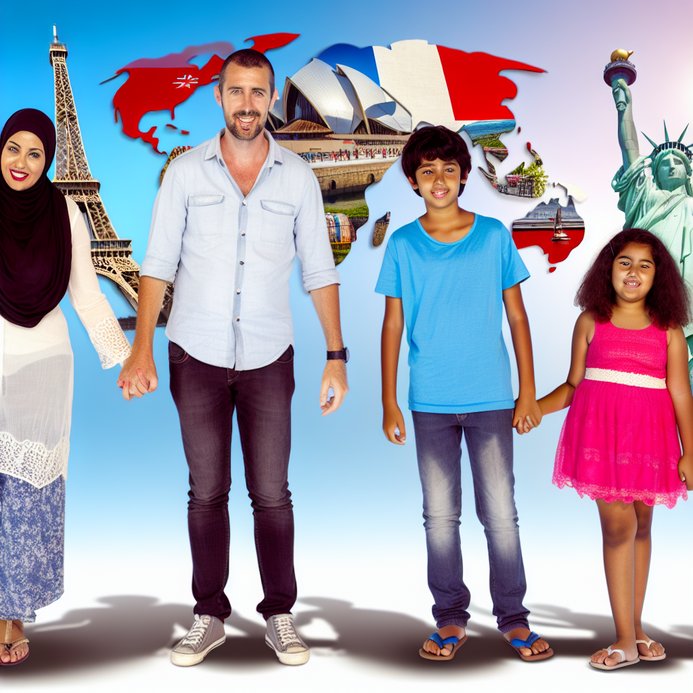
Alt: “family-beach-vacation-caribbean-visa-free-travel”
Visa-Free Countries for Families – Planning Your Trip
Selecting the right destination involves matching your family’s interests with a country’s offerings. For beach-focused trips, the Caribbean and Mexico provide excellent resorts with kids’ clubs. Cultures and history seekers might prefer European nations like Italy or the U.K., which are packed with educational yet captivating sites. Adventure-loving families can explore Costa Rica’s rainforests or New Zealand’s landscapes.
Budget is another major factor. Southeast Asian countries like Thailand offer exceptional value, with affordable lodging, food, and activities. European destinations have higher daily costs but extensive train networks efficient for multi-city tours. Always factor in flight expenses, which can be the largest part of your budget, especially during school holidays.
Consider your children’s ages and stamina. Long-haul flights to Asia may be challenging for toddlers. Destinations with significant time zone differences require planned adjustment periods. Opt for locations with a blend of structured tours and free time to accommodate varying energy levels and prevent burnout.
Best Time to Visit Popular Regions
For European visa-free travel, late spring (May-June) and early fall (September) are ideal. These shoulder seasons offer pleasant weather (60-75°F / 15-24°C), fewer crowds, and lower prices than the busy July-August summer break. Major cities and coastal areas remain fully operational without the peak-season stress.
The Caribbean’s dry season from December to April provides perfect beach weather (80-85°F / 27-29°C) but is also the most expensive and crowded period. For better deals, consider the late spring or early winter weeks. Southeast Asia has a complex climate; the cool, dry season from November to February (75-90°F / 24-32°C) is generally best for touring countries like Thailand and Vietnam.
Budget Planning and Costs
Daily costs vary dramatically by region. This breakdown helps you estimate a realistic budget for a family of four.
Essential Preparation Checklist
Start preparations at least three months before departure. Secure passports and check expiration dates immediately. Book international flights 4-6 months in advance for the best prices, especially for travel during school holidays. Research and reserve key accommodations and popular tours shortly after to guarantee availability.
Pack smartly with versatile clothing layers. Include a basic first-aid kit, any prescription medications with original labels, and snacks for long travel days. Notify your bank of travel plans to avoid card blocks. Ensure each family member’s phone plan includes international data or purchase a local SIM card upon arrival for navigation and communication.
Top Destinations and Family Experiences
Certain countries stand out for seamlessly combining visa-free access with outstanding family vacations. Japan offers incredible cultural immersion, cutting-edge technology, and pristine safety, all accessible for 90-day stays for many Western passport holders. The efficiency of its public transport makes city-hopping with children remarkably smooth.
Costa Rica is a nature paradise perfect for adventurous families. With no visa required for 90-day stays for U.S. citizens, you can explore volcanoes, cloud forests, and Pacific beaches teeming with wildlife. The “pura vida” lifestyle and focus on eco-tourism create a welcoming, relaxed atmosphere for all ages. Numerous tour operators specialize in family-friendly adventures.
Must-See Highlights in Top Countries
In the United Kingdom (no visa for up to 6 months for U.S.), London’s museums like the Natural History and Science Museums offer free, world-class education. The Harry Potter Studio Tour is a magical day trip. For a countryside contrast, the Lake District provides stunning hikes and boat rides suitable for families.
Mexico grants a 180-day tourist permit upon arrival. Beyond the famous beach resorts, explore ancient Mayan ruins like Tulum or Chichen Itza, where history comes alive. The cenotes (natural swimming holes) of the Yucatán Peninsula provide unique swimming and snorkeling adventures in crystal-clear water, captivating both kids and adults.
Hidden Gems and Local Favorites
Consider Slovenia, a Schengen country often overlooked. Its small size allows you to see alpine lakes (Lake Bled), a charming capital (Ljubljana), and extensive cave systems (Postojna Cave) within a short drive. It’s exceptionally safe, clean, and less crowded than its neighbors Italy and Austria, offering a genuine European experience without the stress.
Panua New Guinea offers a visa on arrival for many nationalities, but for a simpler Pacific gem, look to Vanuatu. This archipelago offers visa-free access for 30 days. Kids will love the underwater post office, cultural village visits, and the accessible Mount Yasur volcano, where you can safely watch lava eruptions from the rim.
Beach and Resort-Focused Paradises
The Maldives provides a 30-day free visa on arrival, transforming a dream destination into an accessible one. Many resorts feature incredible kids’ clubs, overwater villas, and marine biology programs. The Dominican Republic also offers easy entry and is renowned for its all-inclusive resorts in Punta Cana, which provide endless activities, childcare, and dining variety, allowing parents real relaxation.
Barbados grants a visa-free stay for up to 6 months. Its south and west coasts have calm waters perfect for young swimmers. Beyond the beach, visit wildlife reserves, explore Harrison’s Cave by tram, and experience the island’s rich culture. The local Bajan people are famously welcoming to families.
Practical Travel and Accommodation Guide
Logistics make or break a family trip. When evaluating transportation, prioritize direct flights or those with minimal connections to reduce travel fatigue. Upon arrival, pre-booking a private transfer can be worth the cost for a stress-free journey to your hotel with all your luggage and tired children in tow.
Accommodation choice is critical. Family suites or adjoining rooms provide necessary space. Apartments or vacation rentals with kitchens offer flexibility for meals, especially with picky eaters or early bedtimes. Verify amenities like swimming pools, on-site restaurants, and laundry facilities, which are invaluable for longer stays.
| Destination Type | Best Accommodation Style | Average Nightly Cost (Family of 4) |
|---|---|---|
| European City Break | Central Apartment Hotel or Family Suite | $180 – $350 |
| Caribbean All-Inclusive | Beach Resort with Kids’ Club | $400 – $700 (all-inclusive) |
| Southeast Asia Adventure | Boutique Hotel or Resort Villa | $80 – $200 |
| U.S. National Park Trip | Lodge Inside Park or Cabin Rental | $150 – $300 |


