

First Time Traveling Abroad: Your Stress-Free Starter Guide
Embarking on your first time traveling abroad blends exhilarating freedom with natural logistical anxiety. This initial international trip introduces new cultures, cuisines, and perspectives that permanently reshape your worldview. Our guide provides the exact steps for navigating passports, flights, and foreign destinations with confidence, turning overwhelm into organized excitement.
Essential Pre-Travel Foundations
International travel requires foundational documents and research that domestic trips do not. Your passport serves as your primary global identification, while visas grant permission to enter specific countries. Research destination requirements at least six months before your planned departure date to avoid delays.
Health and safety considerations include checking travel advisories and vaccination requirements. The CDC and WHO websites list recommended immunizations for regions worldwide. Travel insurance covering medical emergencies and trip cancellation is non-negotiable for financial protection abroad.
Core Document Checklist
Organize these essential items in a secure travel document organizer.
- Valid passport with at least six months’ validity beyond your return date and multiple blank pages for entry stamps.
- Printed copies of flight itineraries, hotel reservations, and travel insurance policy with emergency contact numbers accessible offline.
- International driver’s permit if planning to rent a car, plus both physical and digital copies of all documents stored separately from originals.
- Budget travel: $60-100 daily covers hostel dorms, street food, public transit, and limited paid attractions, requiring advance booking and off-peak timing for affordability.
- Mid-range comfort: $150-250 daily includes hotel rooms, casual restaurant meals, occasional taxis, and guided tours, balancing value with convenience for first-time visitors.
- Premium experience: $350+ daily features boutique hotels, fine dining, private guides, and premium transportation, maximizing comfort and time efficiency throughout your journey.
- U.S. Department of State – Traveler Checklist
- CDC Travel Health Notices
Choosing Your Initial Destination
Select a beginner-friendly country matching your comfort level and interests. English-speaking nations like the United Kingdom, Ireland, or Canada minimize language barriers for a smoother first experience. Alternatively, Western European destinations such as the Netherlands or Denmark offer high English proficiency alongside distinct cultural differences.
Consider tourism infrastructure, safety ratings, and ease of transportation when deciding. Countries with extensive train networks simplify regional travel without needing domestic flights. Balance iconic sights with manageable scale to prevent itinerary overload during your initial overseas adventure.
Financial Preparation Basics
Notify your bank of travel dates and destinations to prevent card freezes for suspicious activity. Carry a mix of payment methods: a credit card with no foreign transaction fees, a debit card for ATM withdrawals, and a small amount of local currency obtained before arrival. Digital payment apps provide useful backups for urban centers.
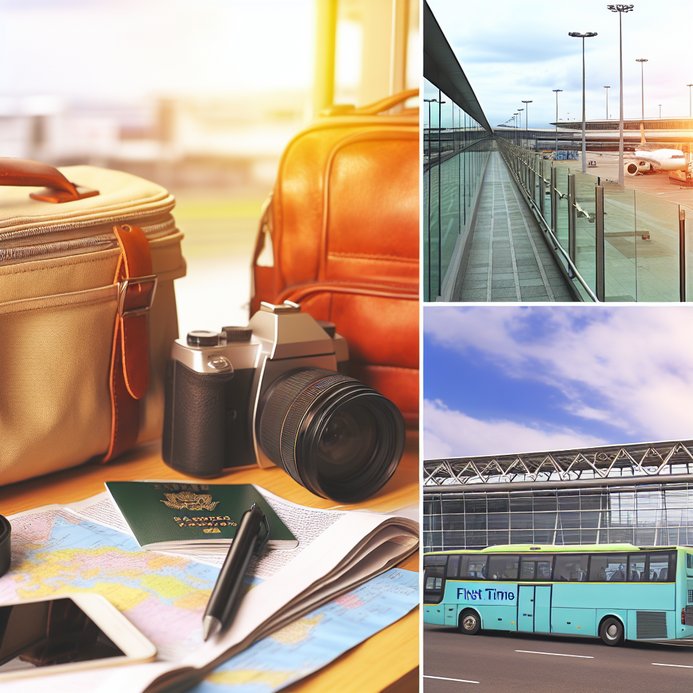
Alt: “first-time-traveler-documents-passport-boarding-pass-suitcase”
First Time Traveling Abroad – Planning Your Trip
Strategic planning transforms an intimidating process into a manageable sequence. Begin by booking flights during shoulder seasons for better prices and smaller crowds. Use flight comparison tools and consider alternative airports for significant savings on your inaugural international journey.
Accommodation choices impact your daily experience significantly. Centrally located hotels offer convenience but higher costs, while local neighborhoods provide authentic immersion. Read recent traveler reviews focusing on cleanliness, host communication, and accurate location descriptions.
Create a flexible daily itinerary with one or two major activities, allowing time for spontaneous exploration. Over-scheduling creates exhaustion, particularly when managing jet lag. Leave breathing room for unexpected discoveries and simple relaxation during your overseas vacation.
Best Time to Travel Abroad
April-May and September-October typically offer ideal conditions for initial overseas trips. These shoulder seasons provide mild weather across many regions, with daytime temperatures ranging 60-75°F (15-24°C). You’ll encounter fewer tourists compared to summer peaks, resulting in shorter attraction lines and more accommodation options.
December-February serves as high season for tropical destinations and ski resorts, with prices reflecting demand. Shoulder months deliver optimal value through balanced rates and availability. Avoid major local holidays when domestic travelers fill transportation and attractions to capacity.
Budget Planning and Costs
Establish a realistic daily budget covering these primary categories.
Essential Preparation Checklist
Begin packing with versatile, layerable clothing suitable for your destination’s climate and culture. Include comfortable walking shoes, a universal power adapter, and portable phone charger. Research local dress norms to ensure respectful attire, particularly for religious sites or conservative regions.
Complete health preparations including prescription medications in original containers with doctor’s notes. Pack a basic first-aid kit with remedies for common travel ailments. Download essential apps like Google Translate, local transit maps, and currency converters before departure.
Navigating Airports and International Transit
Arrive at your departure airport three hours before international flights for check-in and security processing. Have passports and boarding passes readily accessible throughout the terminal. Weigh checked bags at home to avoid excess fees and ensure carry-ons meet airline size restrictions.
Connecting flights often involve immigration and security checks between terminals. Follow airport signage for “International Connections” and confirm your next gate immediately upon landing. Allow minimum 90-minute layovers for domestic connections and two hours for international transfers.
Understanding Immigration and Customs
Complete arrival cards distributed during your flight with accurate hotel information and purpose of visit. Immigration officers may ask about your itinerary, accommodation, and return plans. Answer questions politely and concisely while presenting required documents together.
Customs declarations require honesty about purchased goods, food items, and currency amounts. Many countries prohibit fresh agricultural products and have duty-free allowances. Research specific limits for your destination to avoid fines or confiscations at the border.
Managing Jet Lag Effectively
Reset your internal clock by adjusting sleep schedules two days before departure. Hydrate extensively during flights while avoiding alcohol and caffeine. Upon arrival, immediately adopt local meal and bedtime schedules, exposing yourself to natural daylight to accelerate adjustment.
Ground Transportation Upon Arrival
Research airport-to-city transfer options before landing. Official airport taxis, ride-share pickup zones, and train connections each offer different balances of cost and convenience. Have your destination address written in the local language for driver reference.
Practical Travel Information and Logistics
International communication requires planning for connectivity. Unlocked smartphones accept local SIM cards available at airport kiosks, often providing better rates than international roaming. Alternatively, portable WiFi devices supply constant internet access for multiple gadgets throughout your travels.
Electrical systems vary by region in voltage, frequency, and plug shape. Universal adapters accommodate most configurations, while voltage converters protect sensitive electronics. Verify your device compatibility labels before plugging anything into foreign outlets.
| Accommodation Type | Best For | Average Nightly Cost (USD) |
|---|---|---|
| Hostel Dormitory | Solo travelers, tight budgets, social atmosphere | $15-40 |
| Budget Hotel | Couples, privacy needs, reliable basics | $60-120 |
| Vacation Rental | Families, longer stays, self-catering | $80-200 |
| Boutique Hotel | Special occasions, design focus, service | $150-300+ |


