Barcelona Pass: Is It Worth the Price for Your Trip?
The Barcelona Pass is a prepaid sightseeing card bundling admission to popular attractions with a hop-on hop-off bus tour. It promises convenience and potential savings for travelers wanting to visit multiple sites quickly. Evaluating its value depends entirely on your itinerary pace, the specific attractions you choose, and your travel style.
Essential Information About the Barcelona Pass
The pass is a digital or physical card granting one-time entry to a selection of museums and monuments. It is managed by a third-party company, not the city’s official tourism board. The included attractions are predominantly major tourist sites, offering a curated, if somewhat predictable, list of experiences.
Two primary variants exist: a 2-day pass and a 3-day pass. Each includes a mandatory 1 or 2-day bus tour, which significantly influences the overall cost and utility. Understanding this bundled structure is crucial for accurate cost-benefit analysis versus paying for entries individually.
What the Pass Includes and Excludes
The pass bundles entry, transport, and some extras. Its value hinges on how many included items you’ll actually use.
- Attraction Access: One-time entry to selected sites like Casa Batlló, Park Güell timed entry, and the Barcelona Aquarium. The list is fixed and does not include the Sagrada Família basic ticket.
- Transportation: A mandatory 1 or 2-day ticket for the official Tourist Bus (Hop-on Hop-off) routes. This is not the city’s public transport (TMB) system.
- Additional Perks: A guidebook and a “fast-track” entry at some, but not all, participating locations. It does not include free public transport, airport transfers, or discounts at restaurants.
- Budget Traveler: If you mainly use public transport (€10.50 for a 2-day Hola BCN! card) and visit 1-2 paid sights daily, the pass isn’t economical. You’d spend around €60-80 ($65-$87) daily versus the pass’s €100+ ($109) cost.
- Mid-Range Explorer: Planning to visit Casa Batlló (€35), Park Güell (€10), and use the 1-day bus tour (€30) in one day justifies a 2-day pass. Your calculated €75 ($82) for one day nears the pass price, making the second day’s attractions pure savings.
- Luxury/Time-Pressed Visitor: For those maximizing sightseeing with minimal planning hassle, the 3-day pass with bus access offers convenience. The premium price (often €150-€170 / $164-$185) is worth it for guaranteed entry and streamlined logistics across a packed itinerary.
- Official Barcelona City Council Website
- Turisme de Barcelona Official Site
Key Details on Attractions and Access
The included attractions represent a mix of Gaudí masterpieces, historical museums, and family-friendly venues. You must check the official website for the current, definitive list before purchasing, as it can change. Popular inclusions are often Casa Batlló, Casa Milà (La Pedrera), and the Picasso Museum.
Access is not always “skip-the-line” in the true sense. For major sites like Park Güell, you still must book a specific time slot in advance using the pass, which only guarantees entry, not immediate walk-up access. This planning requirement is often misunderstood by pass holders.
Operational Logistics and Booking
The pass activates upon first use at either an attraction or the bus tour. The clock then runs for 24-hour increments for the chosen duration. You must book time slots for timed-entry attractions online before your visit, a critical step many travelers miss.
It’s a digital-first product, though physical card collection is an option. Customer support is handled by the issuing company, not the individual attractions. Always download your pass and reservation confirmations for offline access.
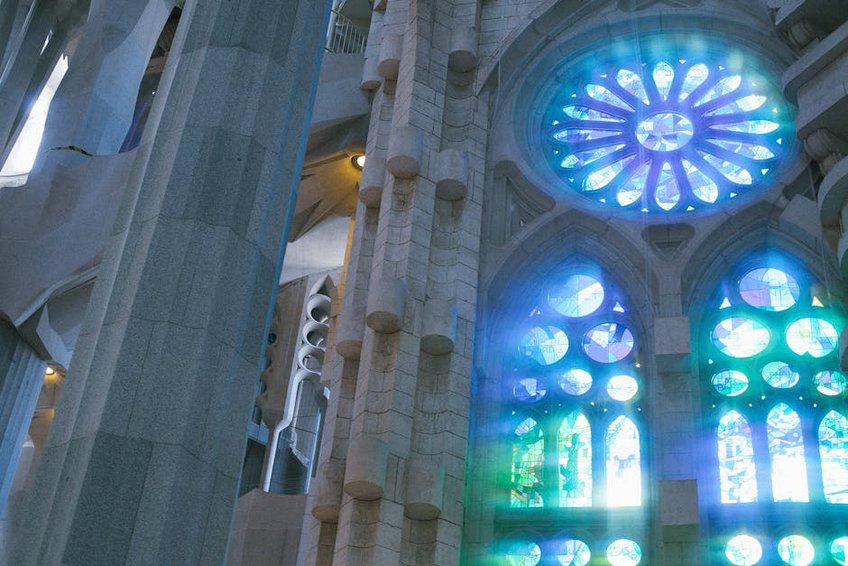
Alt: “barcelona-pass-gaudi-architecture-sagrada-familia-skyline”
Barcelona Pass – Planning Your Purchase Decision
Determining if the Barcelona Pass is worth buying requires a simple calculation. First, list every included attraction you genuinely plan to visit. Then, sum the individual online prices for those tickets and the hop-on hop-off bus tour for the same duration.
If your total is higher than the pass price, it offers savings. The pass often breaks even at 2-3 major attractions per day plus the bus. For slow travelers or those using public transport, it’s rarely cost-effective. The convenience premium is significant, so budget-conscious travelers should calculate meticulously.
Consider your energy and sightseeing stamina. The pass incentivizes a packed schedule to maximize value, which can lead to museum fatigue. If you prefer leisurely exploration, picnics in parks, and neighborhood wandering, the financial pressure to “see it all” might detract from your enjoyment.
Best Time to Use the Barcelona Pass
The pass provides the most value during peak seasons (April-October) when attraction prices are at their highest. During these months, individual ticket costs for sites like Casa Batlló can exceed €35 ($38). The fixed pass price can offer a buffer against these peak rates.
In the cooler, quieter winter months (November to February), some attractions have slightly lower prices and fewer crowds. The relative savings from the pass diminish, but the benefit of pre-booked timed entries remains valuable for sites that still require advance reservations.
Budget Planning and Cost Comparison
Compare the flat pass rate against à la carte costs. Prices are approximate and subject to change.
Essential Preparation Checklist
Before buying, download the official attraction list and map your desired sites on a calendar to ensure geographical feasibility. Check the latest opening hours and mandatory reservation policies for each included venue, as these rules are paramount.
Ensure your smartphone is charged and has a data plan for on-the-go QR code scans and last-minute slot bookings. Book all required timed entries for your entire trip immediately after purchasing the pass, especially for Park Güell and the Picasso Museum.
Top Attractions and Alternative Sightseeing Strategies
Barcelona’s top sites can be enjoyed with or without a pass. The city’s layout makes certain areas highly walkable, like the Gothic Quarter and El Born. Many incredible experiences, such as exploring Mercat de la Boqueria or strolling La Barceloneta, are free.
Major Gaudí works are scattered, making the included bus tour logistically useful. However, the city’s excellent metro system connects most hubs efficiently for a fraction of the cost. Weighing your comfort with public transit versus the scenic, narrated bus route is a key decision point.
Must-See Highlights Often Included
Casa Batlló and Casa Milà (La Pedrera) are crown jewels of Modernist architecture and frequent pass inclusions. Visiting both separately would cost over €50 ($55). The pass can cover these, but note they are just a 10-minute walk apart on Passeig de Gràcia.
Park Güell’s Monumental Zone requires a timed ticket, which the pass provides. The Barcelona Aquarium and the Barcelona Zoo are popular family inclusions. The FC Barcelona Museum at Camp Nou is sometimes included but is located far from the city center, requiring significant travel time.
Hidden Gems and Local Favorites Not Included
The pass skips many authentic local experiences. Consider supplementing with visits to the free sections of the Santa Maria del Mar church, the tranquil gardens of the Hospital de Sant Pau, or the street art in the Poblenou district. These offer deep cultural immersion at low cost.
For art lovers, the Fundació Joan Miró or the contemporary MACBA museum are rarely included but are outstanding. Tasting tours through the Gràcia neighborhood or tapas crawls in Poble-sec provide more local flavor than any pre-packaged pass can offer.
Using Public Transport as an Alternative
The Hola BCN! travel card offers unlimited rides on metro, buses, and trams for 2 to 5 days. A 2-day card costs around €18 ($20). This is vastly cheaper than the tourist bus and offers greater flexibility and reach into residential neighborhoods.
Combining this transport card with strategically pre-booked “skip-the-line” tickets for your top 2-3 paid attractions often results in lower total spending and less rigid scheduling than the pass. It’s the preferred method for independent travelers.
Practical Travel Information for Barcelona
Navigating Barcelona is straightforward with its grid-like Eixample district and compact old city. The city is generally safe, but be vigilant against pickpockets in crowded areas like Las Ramblas and on public transport. Staying in neighborhoods like Eixample, Gràcia, or El Putxet offers good access and local atmosphere.
Accommodation prices spike during major trade fairs and summer. Book hotels at least three months in advance for peak season travel. Many apartments and hotels offer weekly metro cards as guest perks, so inquire before buying transport separately.
| Category | Options/Features | Price Range (USD) |
|---|---|---|
| Budget Hostel | Shared dorm in Gothic Quarter, basic amenities, social atmosphere | $25-$45 per night |
| Mid-Range Hotel | Private room in Eixample, breakfast included, modern facilities | $100-$180 per night |
| Luxury Hotel | 5-star on Passeig de Gràcia, spa, rooftop pool, concierge | $300-$600+ per night |
| Vacation Rental | Full apartment in Gràcia, kitchen, washer, for 4+ people | $150-$300 per night |