Best Cafes to Drink Coffee in Vienna
Vienna’s legendary coffeehouse culture offers a unique blend of history, art, and social ritual, where enjoying a melange is about more than just caffeine. These venerable institutions, many over a century old, provide a warm refuge to savor expertly crafted drinks, decadent pastries, and a slower pace of life. This guide details the top establishments for a classic experience, from opulent grand cafes to hidden neighborhood gems, ensuring you find your perfect spot.
Viennese Coffeehouse Culture Explained
The Viennese Kaffeehaus is a UNESCO-listed intangible cultural heritage site, a concept born in the 17th century that revolutionized European social life. These cafes functioned as living rooms for the city, where patrons could read newspapers, debate politics, write literature, and linger for hours over a single drink. The atmosphere is defined by marble tabletops, Thonet chairs, and an unhurried elegance that invites contemplation and conversation in equal measure.
Understanding the classic drink menu is essential for an authentic visit. A ‘Melange’ is the signature order, similar to a cappuccino with steamed milk and foam. A ‘Verlängerter’ is a black coffee lengthened with hot water, while an ‘Einspänner’ is a strong black coffee topped with whipped cream, served in a glass. Each drink traditionally arrives on a silver tray with a glass of water, a ritual that enhances the experience.
Key Historical Elements
Several elements define the traditional Viennese cafe atmosphere you should look for.
- Marble Tabletops & Thonet Chairs: The iconic bentwood chair design, created by Michael Thonet in the 1850s, is a hallmark of these spaces, paired with polished marble surfaces.
- Newspaper Racks (Zeitungslaternen): Many classic cafes still provide an array of international and local newspapers on wooden racks, encouraging lengthy stays.
- Konditorei Displays: A dazzling counter of house-made pastries, from Sachertorte to Apfelstrudel, is a central feature, promising a sweet accompaniment to your brew.
- Budget-Conscious: ($10-15 USD/day): Stick to one classic drink like a Kleiner Brauner (small black coffee) for ~€3. Skip the pastry or share one. Focus on the free ambiance, newspapers, and people-watching. Consider standing at the counter in some traditional spots for a slightly lower price.
- Mid-Range Experience: ($20-35 USD/day): This allows for a melange and a shared pastry at a grand cafe in the morning, followed by a specialty filter coffee at a third-wave shop in the afternoon. You can comfortably enjoy the quintessential Viennese ritual without overspending.
- Luxury Indulgence: ($50+ USD/day): Includes multiple stops at the most opulent cafes like Sacher or Demel, enjoying their signature cakes and perhaps a glass of sparkling wine. You might book a guided coffeehouse tour or attend a traditional Viennese coffee and cake tasting event for a deeper dive.
- Vienna Tourist Board
- Austria.info Official Travel Portal
- UNESCO Intangible Cultural Heritage
Modern Cafe Scene Evolution
While honoring tradition, Vienna’s third-wave coffee movement has flourished, focusing on single-origin beans, lighter roasts, and alternative brewing methods. These modern spots often feature minimalist design, skilled baristas, and a focus on the coffee’s origin story. However, they frequently maintain the Viennese spirit of comfort, offering ample seating and a welcoming environment for extended stays, blending new trends with old-world hospitality.
The coexistence of these two styles gives visitors a fantastic spectrum of choice. You can spend your morning in a sleek specialty coffee shop and your afternoon in a gilded, century-old salon. This duality is what makes exploring the city’s caffeine scene so rewarding, allowing for both historical immersion and contemporary taste discovery in a single day.
Cafe Etiquette and Tipping
Service in traditional cafes can seem formal but is generally polite and efficient. It’s customary to find your own seat, after which a server will bring you a menu. To pay, you can either ask for the bill (“Zahlen, bitte”) or go to the cashier (Kassa) near the entrance. Tipping is expected; simply round up the bill or add 5-10% for good service, stating the total amount you wish to pay when settling.
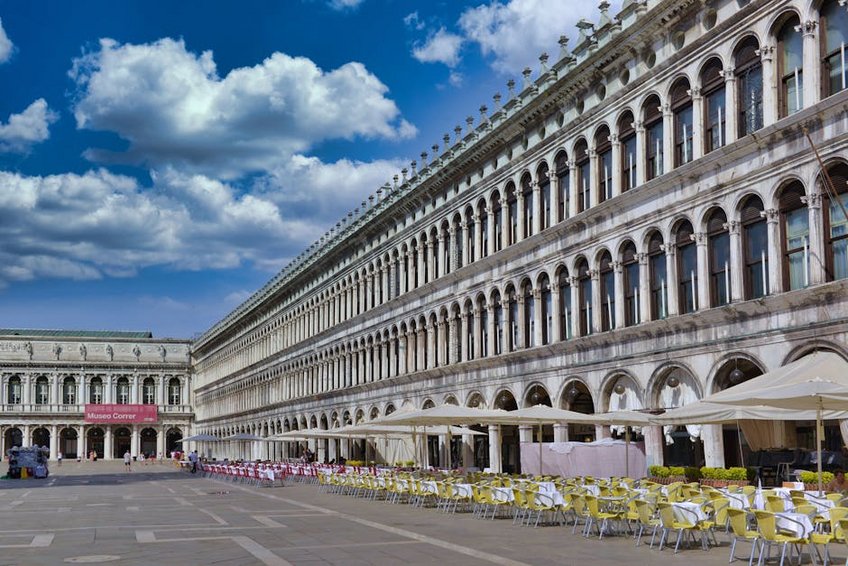
Alt: “vienna-coffeehouse-interior-marble-tables-newspapers-historic”
Best Cafes to Drink Coffee in Vienna – Planning Your Trip
To experience the full breadth of Vienna’s offerings, plan visits to cafes in different districts and of varying styles. Dedicate at least three days to properly enjoy several iconic locations without rushing. Mornings before 11 AM are generally quieter, while afternoons from 3-5 PM buzz with activity, perfect for observing local life. Always factor in time to linger; the true essence of the Kaffeehaus is defeated by a quick espresso at the bar.
Your budget for a cafe visit is quite flexible. A classic melange and a slice of cake averages between €8-12 ($8.50-$13 USD). Many historic cafes offer fixed-price breakfast or “Jause” (afternoon snack) menus that provide better value. For specialty third-wave coffee, expect to pay $4-6 USD for a flat white or pour-over. The experience is about the atmosphere as much as the drink, so consider the setting part of the value.
Best Time to Visit Vienna’s Cafes
The cafe season in Vienna is year-round, but each period offers a distinct charm. Spring (April-June) and fall (September-October) are ideal, with pleasant temperatures of 55-68°F (13-20°C) perfect for sitting at an outdoor *Schanigarten* (terrace). Winter (November-March), with temperatures of 30-40°F (-1 to 4°C), is magical inside the grand cafes, especially during the Christmas market season when they feel particularly cozy.
Summer (July-August) can be warm, with highs reaching 80°F (27°C), making air-conditioned interiors or shaded terraces desirable. This is also peak tourist season, so the most famous cafes are busiest. Visit early in the day to secure a good seat. Regardless of season, weekdays are consistently less crowded than weekends across all types of establishments.
Budget Planning and Costs
Daily cafe expenses can vary based on your chosen experience.
Essential Preparation Checklist
Beyond a love for coffee, a little preparation enhances your visits. Download offline maps or the local transport app (WienMobil) to navigate between districts. Have some Euro cash on hand, as while cards are widely accepted, some older establishments prefer cash for small bills, and it’s easier for tipping. A reusable cup isn’t customary for sit-down service but is great for to-go orders from modern roasters.
Dress is generally smart-casual; while no strict dress code exists at most places, you’ll feel more comfortable blending in. If you plan to write, sketch, or read for hours, bring your materials—this is encouraged. Finally, research a few key German phrases like “Danke” (Thank you) and “Ein Melange, bitte” to enrich the interaction with servers.
Top Historic Grand Cafes to Experience
These institutions are the pillars of Viennese coffee culture, often housed in breathtaking palaces of marble, crystal, and gilt. Visiting them is a step back in time. Each has a unique history: some were haunts for Freud and Trotsky, others were centers for chess or literary movements. The service is formal, the pastries are exquisite, and the sense of occasion is palpable from the moment you walk in.
While they can be busy, the sheer scale of these cafes means you can usually find a seat. Don’t be intimidated by their grandeur; everyone is welcome to partake in the tradition. Aim for a late morning or mid-afternoon visit to avoid the peak lunch rush. Be prepared to surrender to the slow pace—this is an experience to be savored, not hurried.
Must-See Iconic Establishments
Café Central: Perhaps the most famous, with vaulted ceilings and pillars that have hosted intellectual greats. Arrive at opening (7:30 AM on weekdays) to avoid the long queue that forms later. Their apple strudel is a benchmark for the dish. Café Sacher: Home of the original Sachertorte, this red-velvet adorned cafe in the Hotel Sacher is the epitome of old-world luxury. Reservations are highly recommended, especially for afternoon cake.
Café Landtmann: A favorite of Sigmund Freud, this elegant Ringstrasse cafe offers a slightly more relaxed atmosphere than its peers, with a beautiful outdoor terrace facing the Burgtheater. Café Sperl: Opened in 1880, it retains an authentic, slightly faded charm with its original billiard tables. It feels less like a museum and more like a living, breathing cafe where locals still play chess.
Hidden Historic Gems
Venture beyond the Ringstrasse to discover cafes with equally rich histories but fewer tourists. Café Prückel on Stubenring is a magnificent 1950s time capsule with mustard-yellow decor and large windows, perfect for watching the city go by. Café Schwarzenberg on the Ring is one of the oldest continuously operating cafes, known for its live classical piano music in the afternoons.
In the 9th district, Café Berg offers a bohemian, artsy atmosphere that has attracted students and creatives for decades. For a truly local experience in the 8th district, seek out Café Hummel, a classic neighborhood establishment with excellent, reasonably priced traditional food alongside its coffee.
Best Cafes for Pastry Lovers
While every cafe serves cake, some are renowned for specific creations. Demel, the former Imperial confectioner, is a must for its exquisite window displays and intricate pastries like the Annatorte. Gerstner K. u. K. Hofzuckerbäckerei, near the State Opera, supplies the Vienna Philharmonic Ball and creates stunning edible works of art. For the absolute best Apfelstrudel, many connoisseurs point to Café Residenz in the Schönbrunn Palace complex.
Modern Specialty Coffee Shops
Vienna’s third-wave scene is dynamic and quality-focused, with passionate roasters and baristas. These shops are ideal if you prioritize bean origin, roasting profiles, and precise brewing methods like V60 or AeroPress. They often source directly from farms, highlighting flavors from specific regions. The aesthetic is typically Scandinavian-inspired minimalism, with concrete, wood, and industrial lighting, creating a sharp contrast to the grand cafes.
Don’t assume these spots lack seating or comfort. Many are designed for lingering, with ample tables, power outlets, and fast WiFi, making them popular with digital nomads and students. They represent the modern evolution of the Viennese cafe as a community workspace, upholding the tradition of the cafe as a “second living room” but with a contemporary twist.
| Shop Name / District | Specialty & Vibe | Must-Try Drink |
|---|---|---|
| Kaffeefabrik (4th & 7th) | Micro-roaster with a scientific approach; minimalist, focused on extraction. | Their seasonal single-origin espresso. |
| Jonas Reindl (8th) | Bright, spacious, and plant-filled; known for excellent filter coffee and friendly service. | Pour-over from their rotating selection. |
| Fenster Cafe (1st) | Tiny, famous “window” takeout spot serving coffee in edible waffle cups. | Their signature “Cold Coffee Cup” in a waffle. |
| Gota Coffee (7th) | Small, Nordic-style roastery with impeccable light-roast coffees and pastries. | Flat white made with their house blend. |