Renting a Bike in Amsterdam: The Ultimate Local Experience
Renting a bike in Amsterdam is the single most authentic way to navigate the city’s iconic canals and historic streets. This simple choice transforms your visit from a typical tourist itinerary into an immersive local adventure, offering unparalleled freedom to explore hidden courtyards, vibrant markets, and charming neighborhoods at your own pace. This guide covers everything from selecting the right rental and navigating traffic rules to plotting the perfect scenic route and avoiding common tourist pitfalls.
Essential Amsterdam Cycling Information
Amsterdam’s identity is intrinsically linked to its bicycle culture, with over 880,000 bikes for just 850,000 residents. The city’s flat topography, extensive network of over 500 kilometers of dedicated bike lanes, and comprehensive signage make cycling the default mode of transport for all ages. This infrastructure didn’t happen by accident, stemming from 1970s activism to create a safer, less car-dominated urban environment.
Understanding this context is key for visitors. You’re not just renting a vehicle, you’re participating in a deeply ingrained local system. Cyclists have clear right-of-way in many situations, and the traffic flow operates on an expectation of predictability and awareness. Riding here requires a confident and alert mindset, different from leisurely cycling in a park.
What You Need to Know Before You Pedal
Success on two wheels requires grasping a few non-negotiable local rules.
- Always use the designated red asphalt bike lanes, never the sidewalks for pedestrians or the tram rails which can catch narrow tires. Traffic flows on the right, and you must signal with your arm before turning or stopping.
- Lock your bike securely with at least two locks, a sturdy chain lock through the frame and rear wheel to a fixed object and a secondary frame lock. Bike theft is the city’s most common crime, targeting quick-release wheels and poorly secured rentals.
- Obey traffic signals specifically for cyclists, which are often separate from car lights. A red bike light means stop, and you can be fined for running it. Also, never cycle while using your phone; it’s illegal and dangerous.
- Budget: €10-12 ($11-13 USD) per day for a basic bike from a reputable local shop like Black Bikes or Frederic Rent-a-Bike. Save by renting for multiple days, avoiding the most central locations, and using your phone for navigation instead of paying for a guided tour.
- Mid-Range: €15-20 ($16-22 USD) per day for a higher-quality hybrid or comfortable e-bike from a company like MacBike or Yellow Bike. This often includes better service, insurance against theft (with an excess), and sometimes a suggested route map.
- Luxury: €25-40 ($27-44 USD) for a premium e-bike or a specialized tour. This tier includes features like integrated GPS, higher theft coverage, and guided experiences from operators like We Bike Amsterdam that explore lesser-known areas with a small group.
- I amsterdam Official City Portal
- Bicycle Dutch Blog & Advocacy
Key Details on Bike Types and Traffic
The classic Amsterdam bike, or “omafiets,” features a step-through frame, upright handlebars, a coaster brake, and a simple gear system perfect for flat terrain. These are the workhorses you’ll see locals riding, prized for their comfort and reliability. Many rental shops offer these, along with hybrid bikes, e-bikes for less effort, and even cargo bikes for families.
Navigating requires constant vigilance for other cyclists, scooters in bike lanes, pedestrians stepping off curbs, trams, and cars turning across your path. The busy central canal belt, especially at Dam Square and the Leidseplein, presents the most chaotic intersections. It’s often wise to walk your bike through the densest crowds until you feel comfortable.
Safety and Etiquette Fundamentals
Wearing a helmet is not legally required for adults and is uncommon among locals, but it’s a personal safety choice many tourists opt for, especially if inexperienced. More critical is using front and rear lights after dark, which is mandatory; most rental bikes have them built-in. Ring your bell politely to alert pedestrians, don’t expect them to automatically move.
The most important etiquette rule is to keep moving in a predictable line and not stop suddenly in the middle of the lane. If you need to check a map or take a photo, pull over completely to the side. Remember, for locals, this is their daily commute, so blocking the path is akin to stopping your car in the middle of a highway.
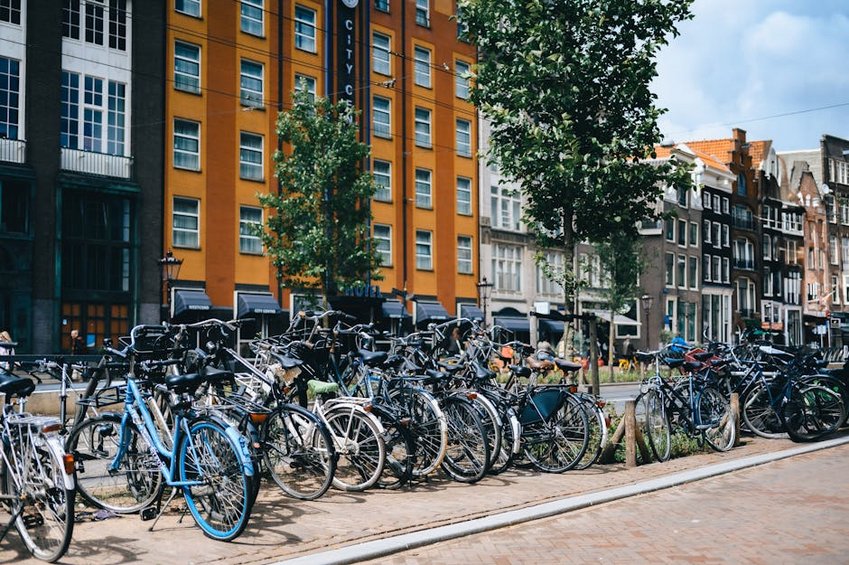
Alt: “amsterdam-canal-bike-rental-cyclists-red-bike-lane”
Renting a Bike in Amsterdam – Planning Your Trip
Securing your wheels involves more than just walking into the first shop you see. Planning your rental around location, duration, and bike type ensures a smoother experience. Central shops near the train station are convenient but often more expensive and crowded with lower-quality, tourist-targeted bikes. Venturing a few blocks into the Jordaan or De Pijp neighborhoods can yield better service and prices.
Rates vary significantly. A basic city bike typically costs between €10 to €15 ($11-$16 USD) for a 24-hour period, with discounts for multi-day rentals. Many shops include a lock and sometimes a simple city map. Always inspect the bike before you ride, checking brakes, tire pressure, and light functionality. Pay with a credit card that offers rental insurance coverage.
Best Time to Visit for Cycling
The ideal cycling months are from April through October, when days are longer and the weather is most pleasant, with average highs of 55-68°F (13-20°C). Late spring (May-June) and early autumn (September) offer the perfect balance of mild weather and manageable tourist crowds. July and August are peak season, meaning more congestion on bike paths but also vibrant street life.
Winter cycling from November to March is absolutely feasible for the committed, with locals biking year-round in rain, wind, and occasional snow. Temperatures average 34-46°F (1-8°C). If you visit then, rent a bike with good mudguards and sturdy brakes, and pack waterproof clothing. The city is magically quiet and atmospheric during these colder months.
Budget Planning and Costs
Your total cycling budget extends beyond the basic rental fee.
Essential Preparation Checklist
Pack practical clothing suitable for the weather: a waterproof jacket is essential regardless of forecast, along with comfortable shoes for pedaling. Bring a portable phone charger to ensure your navigation app lasts all day. A small backpack is better than a handbag for keeping your belongings secure and balanced while riding.
Ensure you have valid travel insurance that covers bicycle accidents or theft. While not mandatory, knowing a few Dutch phrases like “Dank je wel” (thank you) and “Links” (left)/”Rechts” (right) is appreciated. Download a reliable offline map like Google Maps or Maps.me, and familiarize yourself with the basic canal belt layout before setting off.
Top Routes and Cycling Experiences
Amsterdam reveals its true character when explored by bicycle beyond the crowded museum square. A ride through the elegant Vondelpark offers a green respite, while crossing the iconic Magere Brug (Skinny Bridge) provides a classic photo opportunity. The Plantage neighborhood, with its botanical garden and historic architecture, offers a quieter, more relaxed pace perfect for cycling.
For a longer adventure, follow the Amstel River south past windmills and traditional polder landscapes, a route that feels miles away from the city center. Alternatively, take the free ferry behind Central Station to the trendy Amsterdam-Noord district, where you can cycle through modern architecture and visit the A’DAM Lookout.
Must-See Highlights by Bike
The 17th-century Canal Ring (Grachtengordel), a UNESCO World Heritage site, is best appreciated from the bike paths that line its waterways. Cycle along the Prinsengracht, Keizersgracht, and Herengracht to admire the gabled merchant houses. The Jordaan district, with its narrow streets, indie boutiques, and cozy “brown cafes,” is ideal for slow, meandering exploration.
The Museumplein area is busy but cyclable; you can easily lock your bike near the Rijksmuseum (which you can cycle through its passage) to visit the Van Gogh Museum or Stedelijk. The Nine Streets (De Negen Straatjes) shopping area is a labyrinth of charm but can be crowded; consider walking your bike here.
Hidden Gems and Local Favorites
Escape the crowds by cycling to the Westergas area, a converted industrial gasworks now housing cafes, a brewery, and cultural spaces in a park setting. The Eastern Docklands (Oostelijke Eilanden) and Java Island feature stunning modern architecture, peaceful waterside paths, and unique houseboat communities, offering a glimpse into Amsterdam’s innovative urban planning.
For a truly local experience, join the commuter flow early on a weekday morning or ride through the Albert Cuyp Market in De Pijp, navigating slowly through the stalls. The Begijnhof, a secluded inner courtyard, is a short walk from your bike but represents the serene, hidden history of the city.
Guided Tour vs. Independent Exploration
Guided bike tours, typically 2-3 hours long and costing €25-35 ($27-38 USD), provide excellent historical context and navigate for you, perfect for first-time visitors wanting an orientation. Companies like Yellow Bike offer themed tours focusing on history, food, or even countryside windmills.
Independent exploration offers total freedom to follow your curiosity, linger at a cafe, or change plans instantly. With a good map and this guide’s tips, most travelers find self-guided riding to be the most rewarding and cost-effective way to experience the city’s cycling culture at their own rhythm.
Practical Travel and Rental Logistics
Choosing the right rental shop is critical. Look for established businesses with well-maintained bikes, clear rental agreements in English, and helpful staff who provide a brief orientation. Read recent online reviews focusing on bike condition and customer service. Avoid “too-good-to-be-true” cheap rentals, as they may have hidden fees or poorly serviced bicycles.
Most shops require a security deposit, either a cash hold of €50-100 ($55-110 USD) or a pre-authorization on your credit card. Ensure you receive a receipt with the shop’s contact information and emergency number. Ask about their policy for breakdowns or punctures; many offer 24-hour assistance or will exchange the bike.
| Rental Shop Type | Features & Considerations | Daily Price Range (USD) |
|---|---|---|
| Central Station Kiosks | Maximum convenience, often basic bikes, higher foot traffic. | $13 – $18 |
| Neighborhood Specialist | Better service, higher-quality bikes, local advice. | $11 – $16 |
| E-Bike & Premium Provider | Electric assist, integrated tech, guided tour options. | $27 – $44 |
| Hotel Partnership | Convenient pickup/drop-off, sometimes included in package. | $15 – $25 |