Free Museums in Rome: Your Guide to No-Cost Cultural Exploration
Exploring Rome’s world-class museums without spending a euro is a savvy traveler’s secret. The city offers permanent free admission to several state-run cultural institutions alongside special monthly open days at many paid sites. This guide details the specific days, locations, and practical tips for experiencing Rome’s artistic and historical treasures on a budget, maximizing your cultural itinerary.
Essential Information on Rome’s Museum System
Rome’s museum landscape is divided between state-managed and city-managed institutions, each with different policies. State museums (Musei Statali) are generally open every first Sunday of the month with no entrance fee. City museums (Musei in Comune) operate a more complex schedule, offering free entry to residents and sometimes tourists on specific days.
Understanding this distinction prevents disappointment at the door. Always verify the current policy on the official website before your visit, as special exhibitions may still carry a separate charge. Free admission typically applies only to the permanent collection, not temporary shows.
Key Policy Details – What You Need to Know
Navigating the rules ensures a smooth visit to these cultural sites.
- First Sunday of the Month (Domenica al Museo): State museums nationwide, including major sites in Rome like the Colosseum and Borghese Gallery, offer free entry. Timed reservations are often mandatory and sell out weeks in advance.
- City Museum Free Days: Many municipally-run museums, such as the Capitoline Museums, grant free admission on the last Sunday of the month. Entry is usually first-come, first-served, leading to long queues.
- Permanently Free Institutions: Several significant museums, including the National Museum of Castel Sant’Angelo and the Ara Pacis Museum, are always free for visitors under 18 and EU citizens under 25 with ID. Some are free for everyone year-round.
- Budget Day (Under €25): Covers a pre-booking fee for one state museum (€2), a 24-hour public transport pass (€7), lunch from a bakery or pizza al taglio (€8), and a gelato (€3). Focus on one major site and nearby free churches.
- Mid-Range Day (€25-€50): Includes two museum booking fees (€4), transport pass (€7), a casual trattoria lunch (€20), an audioguide rental (€5-€7), and a coffee stop (€2). Allows for a more relaxed pace with a proper meal.
- Comfort Day (€50+): Encompasses bookings for multiple sites, taxi transfers between distant museums (€15-€20), a guided small-group tour focusing on the free collections (€30), and a nice dinner (€30+). Maximizes insight and minimizes logistical stress.
- Italian Ministry of Culture – First Sunday Program
- Roma Capitale – City Museums Information
Understanding Access and Timings
Free entry days attract large crowds, significantly impacting the experience. Arriving at least 30 minutes before opening is crucial for securing a spot on first-come, first-served days. Popular sites like the Colosseum can have queues stretching for hours by mid-morning.
Operating hours often remain unchanged on free days. Most museums open around 8:30 or 9:00 AM and close by 6:00 or 7:00 PM, with last entry typically one hour before closing. Verify seasonal hour changes, especially in summer and winter months.
Reservation Systems and Planning
For state museums on the first Sunday, the online reservation system on the official “Ministero della Cultura” website is your only guaranteed entry. Slots are released approximately four weeks in advance and disappear quickly. You will pay a small pre-booking fee (around €2), but the museum admission itself remains free.
For city museums on the last Sunday, reservations are usually not available. Your strategy must involve early arrival. Have a digital or printed copy of your ID ready, as proof of eligibility (like age for permanent free entry) is always required.
Alt: “roman-forum-archaeological-site-free-entry-day-visitors”
Free Museums in Rome – Planning Your Visit
Successful exploration of Rome’s complimentary cultural institutions requires a targeted plan. You cannot efficiently visit multiple major sites on a single free day due to crowds and distance. Instead, prioritize one or two key museums and pair them with nearby always-free sights like churches or piazzas.
Budget for potential costs like the mandatory online reservation fee (circa €2) for first Sundays, transportation on the metro or bus (€1.50 per ticket), and food. While museum entry is free, donations are appreciated at some smaller institutions to support conservation work.
Best Time to Visit Rome’s Free Museums
The ideal months for museum visits are April-May and September-October, when weather is mild (60-75°F / 15-24°C) and crowds are thinner than peak summer. Free Sundays during these shoulder seasons are still busy but more manageable. Winter months (November-February) offer the smallest crowds but shorter daylight hours and cooler temperatures (45-55°F / 7-13°C).
Avoid national holidays that fall on a Sunday, as these attract the largest local crowds. If your trip doesn’t align with a free Sunday, focus on the permanently free museums and archaeological areas like the Roman Forum’s pedestrian perimeter, which offers stunning free views.
Budget Planning and Costs
While museum entry is free, other expenses remain for your cultural day.
Essential Preparation Checklist
Pack comfortable walking shoes, a refillable water bottle (Rome has many public fountains), and a power bank for your phone. Essential documents include your ID (passport for non-EU visitors) for age verification and printed or digital copies of any mandatory reservation confirmations. A small umbrella or hat is wise for queuing outdoors.
Book any required “free” tickets online as soon as reservations open, typically 28 days in advance for first Sundays. Download offline maps and the official “MUVI” app for city museum info. Check official websites 48 hours before your visit for any last-minute closures or policy changes.
Top No-Cost Museums and Archaeological Sites
Rome’s free offerings span millennia, from ancient sculpture to Renaissance masterpieces. The key is to look beyond the most famous names. While the Vatican Museums are never free, the Vatican’s St. Peter’s Basilica is, and it houses Michelangelo’s Pietà. Similarly, the Pantheon, now a church, charges a small fee but is free for those attending Mass.
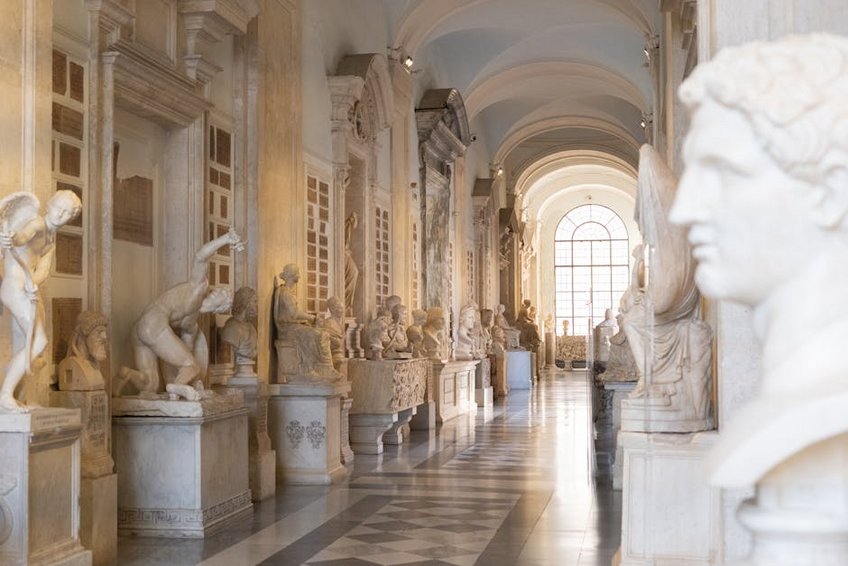
Many lesser-known civic museums house incredible collections with minimal crowds. The Museo di Scultura Antica Giovanni Barracco, for instance, offers a superb collection of ancient sculpture in a Renaissance palace, often with no wait. These hidden gems provide a more intimate cultural experience.
Must-See State Museums with Free Sundays
The Colosseum, Roman Forum, and Palatine Hill share a single ticket and are all free on the first Sunday. You must reserve a specific time slot online. The Galleria Borghese, home to Bernini and Caravaggio masterpieces, is also included but its reservations vanish within minutes of release due to strict capacity limits.
The National Roman Museum (with four locations including Palazzo Massimo and Baths of Diocletian) offers free first Sunday access. Its branches contain breathtaking frescoes, mosaics, and the Ludovisi Gaul sculpture. The Castel Sant’Angelo, with its imperial history and panoramic terrace, is permanently free for eligible visitors and on first Sundays.
Hidden Gems and Local Favorites
The Centrale Montemartini is a stunning fusion of classical sculpture and industrial archaeology set in a former power plant. It’s a city museum, often free on the last Sunday and less crowded. The Museo Carlo Bilotti, housed in the Orangery of Villa Borghese, displays modern art in a serene setting and is often free for temporary exhibitions.
For a unique experience, visit the Museum of the Souls of Purgatory (Museo delle Anime del Purgatorio) in the Chiesa del Sacro Cuore del Suffragio. This tiny, eerie museum is free and showcases artifacts linked to a unique Catholic doctrine. It’s a five-minute visit that offers a fascinating glimpse into a peculiar slice of religious history.
Always-Free Churches with Major Art
Roman churches double as unparalleled, free art museums. The Basilica di San Pietro in Vincoli houses Michelangelo’s monumental “Moses” sculpture. The Chiesa di San Luigi dei Francesi holds a celebrated trio of Caravaggio paintings in the Contarelli Chapel, accessible for a small suggested donation for lighting.
The Basilica di Santa Maria del Popolo contains two more Caravaggios, plus works by Raphael and Bernini. Santa Maria della Vittoria holds Bernini’s ecstatic “Saint Teresa in Ecstasy.” Remember to dress respectfully (covered knees and shoulders), remain quiet, and avoid visiting during Mass services.
Practical Travel Information for Museum-Goers
Navigating Rome between museum sites is best done using the Metro system. Line B stops at the Colosseum (Colosseo) and Line A provides access near the Vatican and Spanish Steps. A single BIT ticket (€1.50) is valid for 100 minutes on all buses, trams, and one Metro ride. Purchase tickets at Metro stations or tabacchi shops.
Accommodation near the historic center (Centro Storico) or Trastevere district places you within walking distance of many sites, reducing transport costs. Consider staying near a Metro line for easy access to more distant museums like those in the EUR district. Book hotels at least three months in advance for peak season travel.
| Museum Category | Examples & Key Features | Free Access Method |
|---|---|---|
| Major State Archaeological Sites | Colosseum, Roman Forum, Palatine Hill (combined ticket), Baths of Caracalla. | First Sunday of month (mandatory online reservation). |
| National Art & Sculpture Museums | Galleria Borghese (Bernini, Caravaggio), Palazzo Massimo (frescoes, mosaics). | First Sunday (Borghese requires ultra-early booking). |
| Civic (City) Museums | Capitoline Museums (ancient statues, She-wolf), Ara Pacis (Augustan altar). | Last Sunday of month (first-come, first-served). |
| Permanently Free Collections | Museum of the Souls of Purgatory, Giovanni Barracco Sculpture Museum. | Always free for all visitors, often with no crowds. |