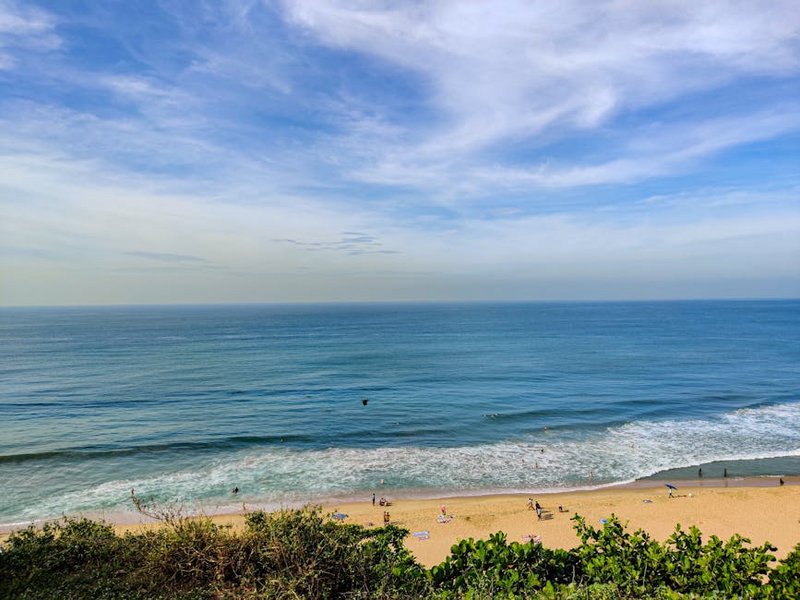
Swim in Barcelona: Your Complete Guide to Beaches and Safe Swimming
Swimming in Barcelona offers a unique urban beach experience where Mediterranean waters meet a vibrant cityscape. The city’s coastline features several sandy beaches with generally good water quality, monitored regularly by local authorities. Your visit can combine cultural exploration with refreshing swims, provided you understand the seasonal conditions, safety protocols, and best spots for different preferences.
Essential Barcelona Beach Information
Barcelona’s beaches are largely man-made, created for the 1992 Olympics, and stretch over 4.5 kilometers along the city’s eastern edge. The water is part of the Mediterranean Sea, with salinity levels around 38‰, making floating easier than in freshwater. Summer water temperatures are comfortable, while winter sees a significant drop that limits swimming to the very hardy.
The coastline faces southeast, providing shelter from the north wind, known as the Tramuntana. This orientation creates generally calm swimming conditions, though occasional eastern swells can increase wave activity. All major city beaches have lifeguard services during peak season, from roughly June to September, operating daily during daylight hours.
Understanding Water Quality and Safety
Water quality is a primary concern for visitors. The local government regularly tests and publishes results.
- Check the “Barcelona City Council” website for weekly water quality updates, which measure bacterial levels; green flags indicate safe conditions.
- Avoid swimming for 24-48 hours after heavy rainfall, as runoff can temporarily affect water quality near storm drain outlets.
- Look for the blue flag certification on specific beaches like Bogatell and Mar Bella, which signals excellent water quality and environmental management.
- Budget Day (Under $25): Bring your own towel, snacks, and water. Use public showers. Walk or take the metro. Splurge on a single drink at a chiringuito (beach bar).
- Mid-Range Day ($40-$70): Rent two sunbeds and an umbrella ($15-$25). Buy lunch at a beach bar like a paella or bocadillo ($10-$15). Enjoy several drinks. Use a taxi or metro for transport.
- Luxury Day ($100+): Reserve a VIP bed at a beach club like Surfhouse or CDLC. Enjoy a full meal and bottle of wine. Use private cabana services. Arrange water sports rentals.
- Barcelona City Council Official Website
- Barcelona Sea Temperature Data
Beach Types and Characteristics
Barcelona’s beaches vary significantly in atmosphere and amenities. The central beaches near Barceloneta are wide, bustling, and full of services, attracting most tourists. Eastern beaches like Mar Bella and Bogatell are generally quieter, with more local crowds and better facilities for sports.
Sand quality is consistent—fine golden sand brought in during the coastal renovation. Beach beds and umbrellas are available for rent at official stalls, though prices are higher at central locations. Nudism is tolerated on the eastern end of Mar Bella beach, marked by signs, while other beaches require standard swimwear.
Marine Life and Environmental Notes
The Mediterranean here hosts a variety of fish, jellyfish, and occasional other sea life. Jellyfish blooms are most common in late summer, particularly August and early September, when warmer water temperatures prevail. Lifeguards post purple flags when jellyfish are present, and most first-aid stations offer vinegar for stings.
You might spot small fish like sardines and mullet near the shore, especially around rocky breakwaters. The seabed is mostly sandy with occasional gentle slopes, though some areas have submerged rocks, so wearing swim shoes can be wise.
Alt: “barcelona-barceloneta-beach-sandy-shore-mediterranean-sea”
Swim in Barcelona – Planning Your Trip
Successfully planning to swim in Barcelona involves timing your visit correctly and packing appropriately for a city beach day. The swimming season is clearly defined, with ideal conditions lasting about four months. You’ll need different preparation than for a remote beach, considering proximity to urban infrastructure and services.
Budgeting is straightforward, as beach access is completely free. Costs arise from equipment rental, food, and transportation. Accommodation near the coast commands a premium, especially in summer, but excellent public transport makes staying further inland a practical option.
Best Time to Visit for Swimming
The prime season for comfortable swimming runs from mid-June through September. During July and August, average sea temperatures reach 77-79°F (25-26°C), and air temperatures often exceed 86°F (30°C). These are also the most crowded months, with beaches reaching capacity on weekends.
For a balance of warm water and fewer people, target late June or early September. Water temperatures remain pleasant around 73-75°F (23-24°C). The shoulder months of May and October offer air temperatures in the 60s-70s°F (15-23°C), but the sea is chilly, typically below 68°F (20°C), limiting swimming to brief dips.
Budget Planning and Costs
While beach access is free, daily costs vary based on your preferences.
Essential Preparation Checklist
Pack swimwear, a quick-dry towel, sunscreen (SPF 30+), and a reusable water bottle. Sunglasses, a hat, and swim shoes for rocky areas are highly recommended. Bring a bag you can keep a close eye on, as petty theft can occur on crowded sands.
Ensure your travel insurance covers swimming and potential water activities. No special vaccinations are required. Familiarize yourself with the flag system: green for safe swimming, yellow for caution, red for no swimming, and purple for marine pests. Download the “Metro Barcelona” app for easy transport planning to and from the coast.
Top Barcelona Beaches for Swimming
Each beach in Barcelona offers a distinct vibe, from family-friendly shores to vibrant social hubs. The central beaches are easily accessible but busy, while eastern options provide more space and local flavor. Your choice should align with whether you prioritize convenience, atmosphere, or water sports.
All city beaches have lifeguard towers, first-aid points, public showers, and drinking fountains. They are connected by a pleasant promenade perfect for walking or cycling. Beach numbering runs from west to east, starting with Platja de Sant Miquel near the old port.
Must-See Beach Highlights
Platja de la Barceloneta is the most famous, stretching 1.1 kilometers with full amenities and a buzzing social scene. It’s ideal for people-watching and has numerous restaurants behind it, but gets extremely crowded. Arrive before 11 AM in summer to claim a good spot.
Platja de Bogatell, east of the Olympic Port, is cleaner and favored by locals for its relative calm and sports facilities. It features volleyball nets and ping-pong tables. Platja de la Nova Mar Bella includes a designated nudist area and tends to be less packed, offering a more relaxed environment.
Hidden Gems and Local Favorites
For a more natural setting, take a short train ride north to beaches beyond the city center. Platja de la Nova Icària, near the Olympic Port, is often overlooked by tourists rushing to Barceloneta. It’s wider and excellent for families, with gentle entry into the water and playgrounds nearby.
Locals in the know head to the smaller coves south of Montjuïc, like Platja de la Platjetes, though these require more effort to reach. For a sense of traditional fishing culture, visit the stretch near the historic “Barraca” houses in the Barceloneta neighborhood, away from the main tourist section.
Beaches for Sports and Activities
Platja de la Mar Bella is the hub for water sports, with schools offering kitesurfing and windsurfing lessons, particularly in the afternoon when the sea breeze picks up. The adjacent Bogatell beach has permanent volleyball nets and calmer waters for stand-up paddleboarding.
The wave breaks near the breakwaters at Somorrostro beach attract beginner surfers, especially during easterly wind conditions. Kayak tours often depart from the base of the W Hotel, providing a unique perspective of the coastline from the water.
Practical Travel Information for Barcelona Beaches
Navigating Barcelona’s beach scene requires understanding the urban logistics. The city’s efficient public transport network connects all coastal areas to downtown and major tourist sites. Accommodation ranges from luxury sea-view hotels to budget-friendly hostels a few blocks inland.
Beach facilities operate on a seasonal schedule, with full services from June to September. Outside these months, toilets and showers may be closed, and lifeguard services are absent. Always verify current conditions before heading out for a swim during the off-season.
| Beach Name | Key Features & Vibe | Best For |
|---|---|---|
| Platja de la Barceloneta | Most famous, lots of services, bustling, many bars/restaurants | First-time visitors, social atmosphere, people-watching |
| Platja de Bogatell | Cleaner, local favorite, sports facilities (volleyball, ping-pong) | Locals, sports, families seeking more space |
| Platja de Mar Bella | Nudist area, water sports center, younger crowd | Kitesurfing/windsurfing, relaxed vibe, nudism |
| Platja de la Nova Icària | Wide sand, gentle water entry, near Olympic Port | Families with children, quieter swimming |