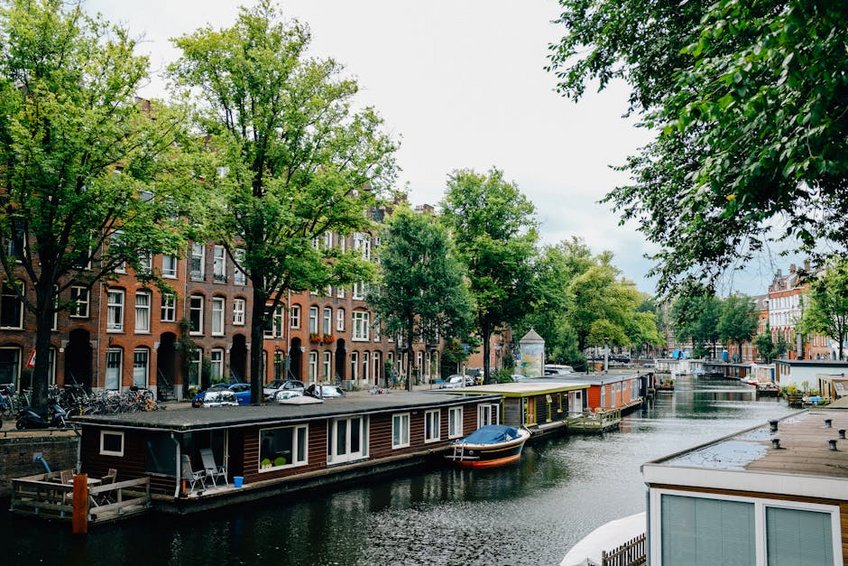
Where to Stay in Amsterdam: Best Neighborhoods Explained
Choosing where to stay in Amsterdam is the most critical decision for shaping your visit, as the city’s character shifts dramatically from historic canals to artistic enclaves. Your ideal neighborhood balances proximity to top sights with the local atmosphere you want to experience, whether that’s bustling markets, peaceful residential lanes, or vibrant nightlife. This guide breaks down the best Amsterdam neighborhoods by traveler type, budget, and interest to ensure your accommodation perfectly matches your itinerary.
Understanding Amsterdam’s Layout and Districts
Amsterdam is organized in a series of concentric canals that form the iconic Canal Ring, a UNESCO World Heritage site. The city center, Centrum, contains the famous Red Light District and Dam Square but extends into distinct zones with unique personalities. Navigating the Dutch capital is easiest by understanding its boroughs, or *stadsdelen*, which group similar neighborhoods together for easier exploration.
Public transport, including trams, metro, and buses, connects all districts efficiently, though the compact city center is wonderfully walkable. Most visitors find staying within the Canal Ring or just outside it offers the best balance of accessibility and local charm. Your choice directly impacts daily logistics, meal options, and overall trip pace.
Amsterdam’s Main District Categories
We can group accommodation areas into three primary categories based on atmosphere and location.
- The Canal Ring & City Center: This area offers classic Amsterdam scenery with immediate access to major museums, but streets are busy and hotel prices peak here, especially around Dam Square and the Nine Streets shopping district.
- The Cultural & Museum Quarters: Located south and west of the center, these quieter neighborhoods sit beside the Vondelpark and house the Rijksmuseum, providing a more residential feel while remaining highly walkable to top attractions.
- The Creative Outer Districts: Areas like Amsterdam Noord, De Pijp, and Oost provide authentic local life, innovative dining, and better value, requiring a short cycle or tram ride to reach the central tourist core.
- Budget: ($80-$150 USD): Expect hostels in De Pijp or Oost, or basic hotels in Amsterdam Noord. Private rooms often have shared bathrooms. Save by booking months ahead and avoiding weekends.
- Mid-Range: ($180-$350 USD): This includes most three-star and some four-star hotels in the Jordaan, Plantage, or near Vondelpark. You’ll get private facilities, good locations, and often breakfast. This tier offers the best value for comfort and location.
- Luxury: ($400-$800+ USD): Historic canal house hotels in the Golden Bend, five-star properties on Museumplein, or designer suites in Amsterdam Noord. Amenities include concierge service, fine dining, and iconic views. Book six months in advance for peak dates.
- I amsterdam Official City Portal
- Netherlands Board of Tourism & Conventions
Key Factors for Choosing Your Base
Your travel style should dictate your Amsterdam neighborhood selection more than a generic “best” list. Couples seeking romance might prioritize a quiet canal-side boutique hotel in the Jordaan, while solo travelers often prefer the social hostels of De Pijp. Families typically need more space and quieter streets, making Plantage or Oost excellent choices.
Budget is equally crucial, as nightly rates can double between a central canal house and an apartment in Noord. Also consider your planned activities—staying near Museumplein saves time if you’re visiting the Van Gogh Museum and Rijksmuseum on consecutive days. Finally, check transportation links; a hotel near a major tram stop can be more convenient than a central location with lots of stairs.
Seasonal Considerations for Your Visit
Crowds and prices fluctuate dramatically with the seasons in the Netherlands. Peak season (April-October) sees the highest demand, especially during tulip season in April and May, requiring bookings three to four months in advance. Shoulder months like March and November offer cooler temperatures, between 40-55°F (4-13°C), and better accommodation deals.
The winter months, particularly December for the Christmas markets, are charming but cold, with temperatures from 34-42°F (1-6°C). Some smaller hotels close in January. Summer brings long days and pleasant averages of 55-66°F (13-19°C), but also the busiest streets. Booking early is non-negotiable for summer visits.
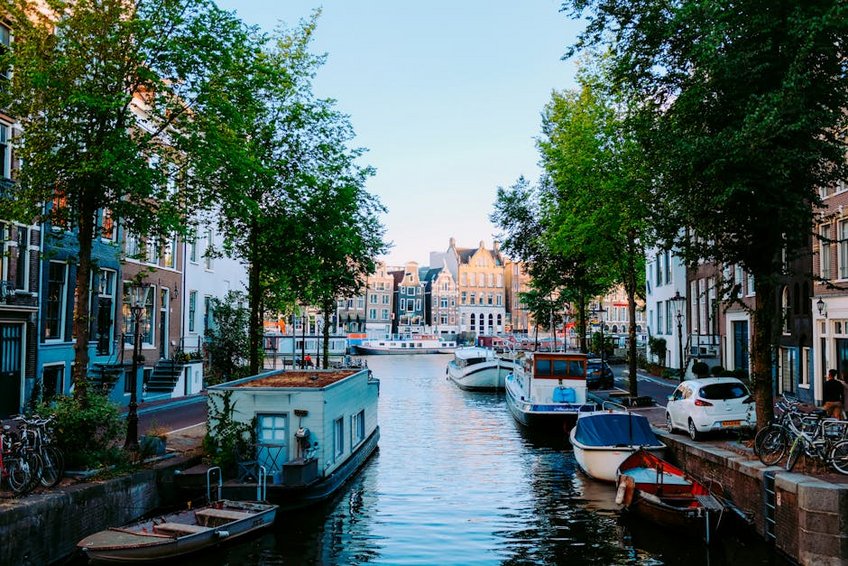
Alt: “amsterdam-canal-ring-historic-bridges-houseboats-evening”
Where to Stay in Amsterdam – Planning Your Neighborhood Choice
Deciding where to stay in Amsterdam requires matching a district’s vibe to your personal travel goals. The Jordaan district provides a picture-perfect, quieter alternative to the hectic Red Light District, just a short walk away. Meanwhile, De Pijp attracts foodies and younger crowds with its daily Albert Cuyp Market and vibrant café culture.
For first-time visitors overwhelmed by choice, the Museum Quarter offers a safe, central, and scenic bet. Budget-conscious travelers and creatives should look across the IJ River to Amsterdam Noord, where converted industrial buildings host trendy hotels. Each area provides a unique lens through which to experience this multifaceted city.
Remember that Amsterdam is small; even “far” neighborhoods are often a 20-minute tram ride from Centraal Station. Don’t sacrifice atmosphere for a marginally closer location. Prioritize a neighborhood that excites you to return to each evening, whether that’s for peaceful canal views or bustling international restaurants.
Best Time to Visit Amsterdam by Neighborhood
Spring (April-May) is ideal for the Canal Ring and Jordaan, when blooming flowers decorate bridges and café terraces open, with temperatures of 48-61°F (9-16°C). This peak season demands booking accommodations at least four months in advance, especially for coveted canal-view rooms. Summer crowds pack the city center, making outer districts like Oost more appealing for their relative calm.
Autumn (September-October) offers mild weather, 50-63°F (10-17°C), and fewer tourists, perfect for exploring the museum districts without long queues. Winter visits suit the cozy *bruin cafés* (brown cafes) of the Jordaan, and hotel rates drop outside the December holiday period. Generally, late September provides the best balance of good weather, manageable crowds, and reasonable prices across all areas.
Budget Planning and Neighborhood Costs
Amsterdam accommodation costs vary drastically by location and season. Here’s a typical nightly range for two people.
Essential Preparation Checklist
Prepare for Amsterdam’s unique urban environment with a few key items. Pack comfortable waterproof walking shoes, layers for changeable weather, and a compact umbrella. A European power adapter (Type C/F) is essential, and consider a portable power bank for long days of navigation and photography.
Digitally, download the GVB app for public transport tickets and Google Maps for cycling routes. Book popular museums like the Anne Frank House weeks in advance. Ensure your travel insurance covers the Netherlands, and remember that while credit cards are widely accepted, some smaller cafes and markets are cash-only.
Detailed Breakdown of Amsterdam’s Best Neighborhoods
Each Amsterdam district offers a distinct personality and set of advantages. The historic Canal Ring (Grachtengordel) provides the quintessential postcard experience but with higher prices and tourist traffic. Just west, the Jordaan district retains its charming, village-like atmosphere with artisan shops and quieter canals, making it a favorite for repeat visitors.
South of the center, the Museumkwartier (Museum Quarter) and Oud-Zuid (Old South) are elegant, leafy areas anchored by major museums and the expansive Vondelpark. For a more contemporary, lively vibe, the De Pijp neighborhood bursts with international eateries and a famous daily market. Your perfect stay depends on which version of the city you wish to inhabit.
Jordaan: For Charm and Authenticity
Once a working-class area, the Jordaan is now one of Amsterdam’s most desirable neighborhoods, known for its narrow lanes, independent art galleries, and cozy brown cafes. It’s located just west of the city center, providing easy walking access to the Anne Frank House and the Nine Streets shopping district without the intense crowds. Saturdays bring the Noordermarkt farmers’ market, a local highlight.
Accommodation here consists mainly of boutique hotels and upscale vacation rentals, often in historic buildings with steep staircases. It’s perfect for couples, mature travelers, and anyone seeking a picturesque, quieter base. Expect to pay a premium for this authentic charm, with mid-range hotels averaging $250-$400 USD per night.
De Pijp: For Foodies and Social Travelers
De Pijp, named “The Pipe” for its long, narrow streets, is Amsterdam’s vibrant Latin Quarter. The heart of the action is the Albert Cuyp Market, a daily street market selling everything from stroopwafels to textiles. The area is densely packed with trendy coffee shops, diverse international restaurants (from Surinamese to Korean), and lively bars, offering a less tourist-centric nightlife.
This area attracts younger travelers, food lovers, and solo visitors thanks to its social atmosphere and good value. Accommodation ranges from popular hostels like The Student Hotel to modern mid-range apartments. It’s a 15-20 minute walk or a short tram ride to Museumplein, offering excellent connections without the central price tag.
Amsterdam Noord: For Creativity and Value
Accessible by a free 5-minute ferry behind Centraal Station, Amsterdam Noord (North) feels like a different world. This former industrial zone has been transformed into a hub of creativity, home to the Eye Filmmuseum, A’DAM Lookout, and craft breweries in repurposed shipyards. It offers dramatic skyline views back toward the old city center.
This district provides exceptional value, with trendy design hotels and loft apartments in converted warehouses often priced 30-40% lower than equivalent central options. It’s ideal for budget-savvy travelers, design enthusiasts, and those who don’t mind a short ferry commute. The ferry runs 24/7, making access reliable at any hour.
Practical Travel Information for Amsterdam Stays
Navigating Amsterdam is straightforward with its integrated public transport system. The I amsterdam City Card can be cost-effective if you plan to visit multiple museums and use trams frequently. For true local immersion, rent a bicycle from a reputable shop like MacBike or Black Bikes, but always lock it securely to a fixed object.
Accommodation in Amsterdam often features steep, narrow staircases, even in luxury buildings, due to historic architectural norms. If mobility is a concern, specifically request a ground-floor room or a hotel with an elevator (*lift*). Also, note that standard check-in times are often later (3 PM or 4 PM) than in some countries, so plan your arrival accordingly.
| Neighborhood | Best For | Average Nightly Price (USD) |
|---|---|---|
| Jordaan | Couples, charm, photography, quiet canals | $250 – $400 |
| De Pijp | Foodies, solo travelers, nightlife, markets | $120 – $280 |
| Museum Quarter | First-time visitors, families, culture | $220 – $500 |
| Amsterdam Noord | Budget travelers, designers, modern art | $90 – $200 |
| Plantage | Families, greenery, zoo, botanical gardens | $180 – $350 |