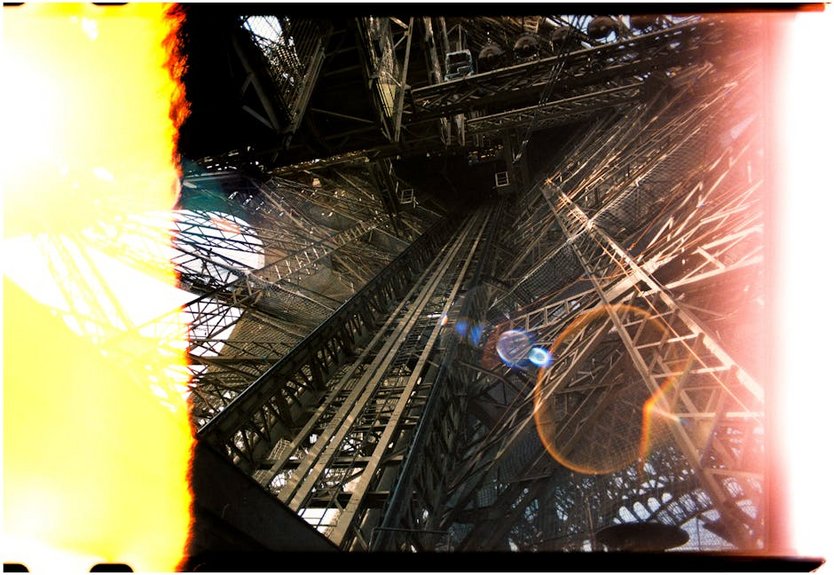
Things to do in Paris in 1 day
Maximizing one day in Paris requires a strategic, well-paced plan focused on the city’s iconic core. Your whirlwind 24-hour journey can cover legendary landmarks, essential cultural sites, and sublime culinary moments if you prioritize efficient routes and advance bookings. This guide provides a precise hour-by-hour itinerary, complete with transportation shortcuts and reservation tips, to transform a single day into a memorable Parisian experience.
Essential Paris Information for a One-Day Visit
Paris, the capital of France, is divided into 20 arrondissements (districts) spiraling out from the center. For a one-day visit, you will focus almost exclusively on the 1st through 7th arrondissements. The city’s historic heart, the Île de la Cité, is where Paris was founded and home to Notre-Dame Cathedral.
The Seine River elegantly bisects the city, creating the famous Left Bank (Rive Gauche) and Right Bank (Rive Droite). This geographical distinction is key for navigation. The city’s world-class Metro system, with 16 lines, is your best friend for covering ground quickly between major sites.
Understanding Parisian Arrondissements
Knowing the arrondissement numbers helps you gauge locations instantly.
- 1st (Louvre): The historic epicenter containing the Louvre Museum, Tuileries Garden, and Palais Royal.
- 4th (Marais/Île de la Cité): Includes Notre-Dame, the vibrant Le Marais district, and the Centre Pompidou.
- 7th (Eiffel Tower): Home to the Eiffel Tower, Les Invalides, and the Musée d’Orsay.
- 18th (Montmartre): The famous hilltop neighborhood with the Sacré-Cœur Basilica, a short Metro ride from the center.
- Budget Day ($80-120): Includes Metro pass, a picnic lunch from a boulangerie and market, free exterior sightseeing (Notre-Dame, Sacré-Cœur), and one paid monument like the Arc de Triomphe. Dinner might be a casual crêperie.
- Mid-Range Day ($200-350): Covers a 2-Museum Pass (e.g., Louvre + Orsay), a classic bistro lunch, pre-booked Eiffel Tower access to the second level, and a proper three-course dinner with wine at a neighborhood restaurant.
- Luxury Day ($500+): Features a private guided highlights tour, lunch at a Michelin-starred brasserie, elevator access to the Eiffel Tower summit, an evening Seine river cruise with champagne, and a stay at a central luxury hotel.
- Paris Convention and Visitors Bureau
- RATP Paris Public Transport Network
Key Cultural and Historical Context
Paris’s layout is largely the result of Baron Haussmann’s 19th-century renovation, which created the grand boulevards and uniform limestone buildings. This makes the city remarkably walkable. Major museums like the Louvre and Musée d’Orsay are housed in former palaces and railway stations, blending art with architectural history.
Remember that many shops close for a few hours at lunch, and most museums are closed on either Monday or Tuesday. Always verify opening days before your single-day visit. Dining culture is strong here, with lunch typically from 12:30-2:30 PM and dinner starting around 7:30 or 8:00 PM.
Language and Local Customs
While you can manage with English in tourist areas, a polite “Bonjour” (good day) upon entering a shop or cafe is a crucial courtesy. A simple “Parlez-vous anglais?” (Do you speak English?) is appreciated. The Parisian pace can seem brisk, but taking a moment for greetings makes interactions smoother. Tipping is not obligatory as service is included, but leaving small change or rounding up the bill is common for good service.
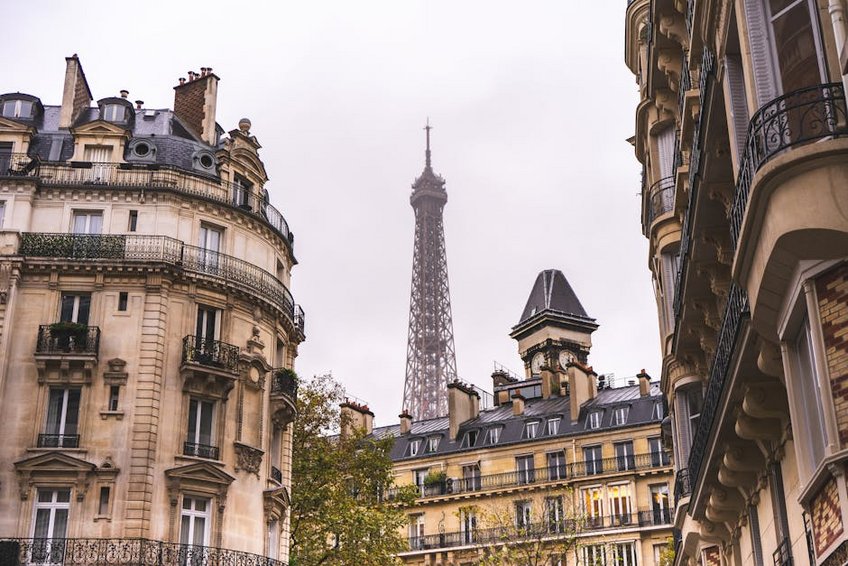
Alt: “paris-eiffel-tower-morning-view-seine-river”
Things to do in Paris in 1 day – Planning Your Trip
Success for your Paris one-day itinerary hinges on logistics. You must book every possible ticket online in advance to bypass monumental lines. Prioritize a central accommodation or drop-off point, like near the Louvre or Opéra, to minimize initial travel time. Wear exceptionally comfortable walking shoes and be prepared for a fast-paced, rewarding day from 8:00 AM until late evening.
Purchase a carnet (pack of 10) Metro tickets or a Navigo Easy card loaded with a day pass for unlimited travel. This is non-negotiable for efficiency. Download the Citymapper or RATP apps for real-time Metro and bus schedules. Your goal is to spend minutes in transit, not hours, to maximize your sightseeing.
Best Time to Visit Paris for a One-Day Itinerary
Spring (April to early June) and fall (September to October) offer the most pleasant weather, with average highs of 60-70°F (15-21°C) and longer daylight hours. These seasons are ideal for comfortable walking and outdoor cafe time. Summer (July-August) brings crowds, higher prices, and temperatures reaching 80-85°F (27-29°C), making queues more strenuous.
Winter (November-March) has shorter days and colder weather, 40-48°F (4-9°C), but significantly fewer tourists. Major holidays like Easter, Christmas, and French public holidays (like May 1st or July 14th) can mean closures and dense crowds, so check the calendar when planning your single-day trip.
Budget Planning and Costs
A one-day Paris budget varies drastically based on your museum choices and dining preferences.
Essential Preparation Checklist
Your preparation list is critical. Book these immediately: timed-entry tickets for the Louvre and the Eiffel Tower summit or second level. Secure a skip-the-line ticket for the Musée d’Orsay if not using a pass. Make lunch reservations at your chosen bistro, especially if it’s popular, to avoid a 45-minute wait that derails your schedule.
Pack a portable phone charger, a reusable water bottle, and a light scarf or jacket for variable weather and entering religious sites. Ensure you have digital copies of all tickets saved offline on your phone. Have a physical map or fully downloaded offline Google Maps as a backup for navigating the Metro’s sometimes-weak signal.
Top Attractions and Activities for Your Day
A perfect single-day circuit connects landmarks logically from east to west or north to south. The following itinerary assumes a morning start at the Louvre, moving to Île de la Cité, then the Eiffel Tower area, and ending in Montmartre. This flow uses the Metro efficiently and groups nearby wonders. Flexibility is key—if a queue is too long, move to your next pre-booked item.
Remember, you are sampling Paris, not completing it. Choose one major interior museum (Louvre or d’Orsay) to dedicate 2-2.5 hours to. The other iconic sites are best admired from the outside to save time. This approach gives you a rich tapestry of art, architecture, history, and neighborhood atmosphere all in one marathon day.
Must-See Morning Highlights
Begin at the Louvre (opens 9:00 AM, closed Tuesdays) with a pre-booked ticket for the earliest slot. Head straight to the Denon wing to see the Mona Lisa, Venus de Milo, and Winged Victory. Limit your interior visit to 2 hours. Exit into the Tuileries Garden, walk west toward Place de la Concorde, and enjoy the grand perspective. Cross the Seine via the Pont des Arts (love lock bridge).
From here, take Metro line 7 from Palais Royal to Pont Neuf. Walk onto the Île de la Cité to see the exterior of Notre-Dame Cathedral, currently under restoration but still awe-inspiring. Explore the serene Square du Vert-Galant park at the island’s tip. Then, walk to the charming Île Saint-Louis for a legendary Berthillon ice cream—a perfect mid-morning treat.
Afternoon Cultural and Iconic Sights
Take Metro line 4 from Cité to Saint-Germain-des-Prés. Enjoy a classic Parisian lunch at a Left Bank bistro like Café de Flore or a quicker, authentic spot on Rue de Buci. After lunch, walk to the Musée d’Orsay. Even if you don’t go inside, admire its magnificent clock face from the former railway station. Cross the river again via the pedestrian Passerelle Léopold-Sédar-Senghor.
Walk through the grand courtyard of the Musée de l’Armée at Les Invalides. Then, proceed along the Champ de Mars park toward the Eiffel Tower. Use your pre-booked ticket to ascend. For a one-day visit, the second level offers the best balance of view and time commitment. Afterwards, consider a short Seine cruise from the nearby port for a unique vantage point.
Evening in Montmartre
Take Metro line 6 from Bir-Hakeim to Abbesses, entering the charming village-like streets of Montmartre. Climb the steps (or use the funicular) to the white-domed Sacré-Cœur Basilica. The panoramic view of Paris at dusk is unparalleled and free. Wander the picturesque Place du Tertre, watching artists at work, though dine elsewhere for better quality.
Find dinner at a cozy restaurant on Rue Lepic or Rue des Abbesses. As evening sets, the illuminated Eiffel Tower sparkles for five minutes on the hour. You can glimpse it from Sacré-Cœur’s steps or find a rooftop bar for a final toast. Descend to Pigalle and take Metro line 2 back to your starting point, concluding your comprehensive day.
Practical Travel Information and Logistics
Navigating Paris in a day requires smart choices. The Metro is your fastest option, but consider the Batobus river shuttle or Velib’ city bikes for scenic stretches along the Seine. Taxis and rideshares like Uber are available but can be slow in central traffic during peak hours. Your Metro day pass is the most cost-effective and reliable tool.
For a single day, storing luggage at a service like Nannybag or at major train stations (Gare du Nord, Gare de Lyon) is wise if you’re between accommodations or arriving/departing by train. Most stations have lockers. Stay centrally if possible; the 1st, 4th, 5th, or 6th arrondissements place you within walking distance of your first and last stops.
| Category | Options/Features | Price Range (USD) |
|---|---|---|
| Metro Day Pass (zones 1-3) | Unlimited travel on Metro, RER, and buses for 24 hours from first validation. | $13-15 |
| Major Museum Ticket | Timed-entry, skip-the-line access to the Louvre or Musée d’Orsay. | $18-22 |
| Eiffel Tower Access | Lift ticket to the second floor (booked months in advance for summit). | $20-35 |
| Standard Bistro Lunch | Two-course *plat du jour* with a drink (Formule Déjeuner). | $25-40 |
| Seine River Cruise | One-hour sightseeing cruise with audio commentary from Vedettes du Pont Neuf or Bateaux Mouches. | $18-25 |