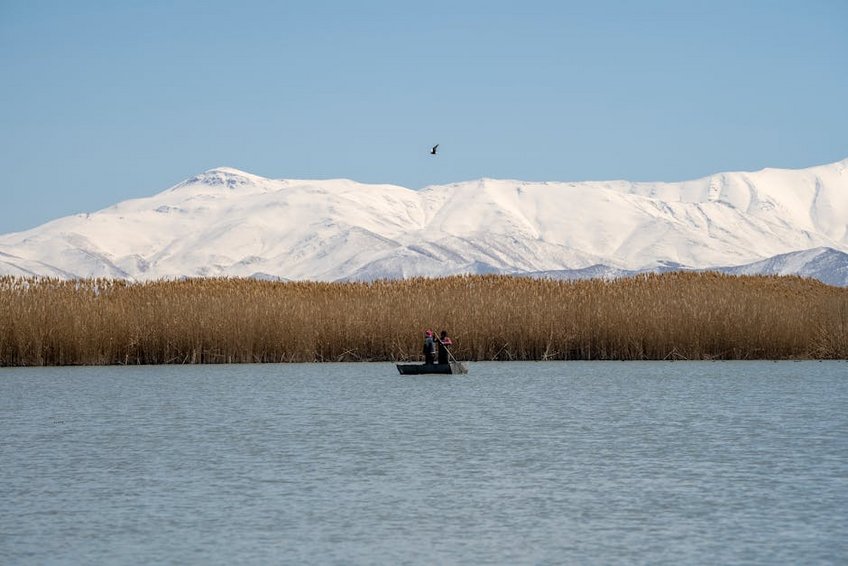
Places to Visit Around Lake Van: An Eastern Turkey Adventure
Eastern Turkey’s immense Lake Van presents a landscape of stark beauty and deep history, often overlooked by international travelers. This vast alkaline lake, surrounded by rugged mountains and dotted with ancient sites, offers a unique journey into Armenian and Urartian heritage, dramatic geology, and contemporary Kurdish culture. Exploring the best places to visit around Lake Van reveals a compelling blend of historic islands, haunting monuments, and warm hospitality far from the country’s tourist trail.
Essential Information About the Lake Van Region
Lake Van is Turkey’s largest lake, a terminal saline soda lake covering over 3,755 square kilometers in the country’s high-altitude eastern region. Its unique chemistry prevents most fish life but creates stunningly clear, deep blue waters. The surrounding landscape is defined by the extinct volcano Mount Süphan and the Taurus Mountains, creating a continental climate with very cold, snowy winters and pleasantly warm summers.
The human history here is profound, centered on the ancient Kingdom of Urartu from the 9th to 6th centuries BCE. Later, the region became a center of Armenian civilization for centuries, leaving behind an incredible architectural legacy. Today, it’s a vital part of Kurdish cultural life in Turkey, offering visitors a chance to engage with traditions distinct from the western coastal resorts.
Understanding the Geography and Climate
Lake Van sits at an elevation of 1,640 meters (5,380 feet), making it one of the world’s highest large lakes. This altitude significantly affects its climate. Winters are long and severe, with temperatures frequently dropping to -15°C (5°F) and heavy snow blocking mountain passes from December through March. Summers are mild and sunny, with July and August averages around 22°C (72°F), perfect for exploration.
A Brief Historical Context
The shores of Lake Van cradle millennia of history. The Urartians built formidable fortresses like Van Castle, while medieval Armenian kingdoms constructed exquisite churches and monasteries, most famously on Akdamar Island. The region’s 20th-century history is complex, marked by significant demographic changes. Understanding this layered past enriches every visit, transforming ruins and monuments into poignant storytellers.
Cultural Notes for Travelers
You’ll experience predominantly Kurdish hospitality in villages and towns around the lake. While Turkish remains the official language, many locals speak Kurdish, and you’ll notice cultural differences in dress, music, and social customs compared to western Turkey. Visitors are welcomed with great curiosity and warmth, especially outside the main city of Van. Dress modestly in rural areas and always ask permission before photographing people.
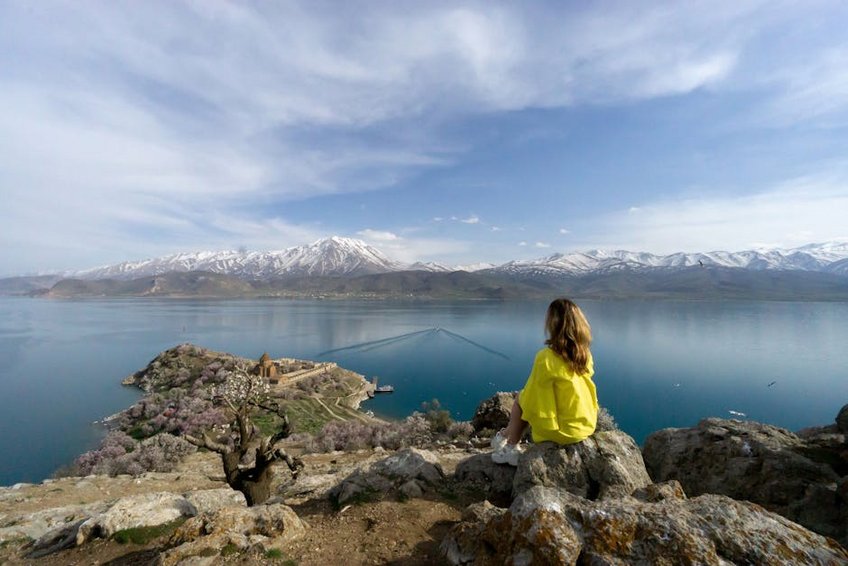
Alt: “lake-van-akdamar-island-armenian-church-mountain-backdrop”
Places to Visit Around Lake Van – Planning Your Trip
Careful planning ensures you experience the diverse attractions scattered across this large region. Base yourself in the city of Van for 3-4 nights to access key sites comfortably. Renting a car provides essential flexibility, as public transport to more remote locations is limited. Your itinerary should balance iconic historical sites with natural wonders and authentic local encounters for a complete perspective.
Spring (May-June) and autumn (September-October) offer the most reliable weather for exploring the numerous places to visit around Lake Van. Summer is also pleasant, though some midday heat is possible. Allocate a full day for Akdamar Island and the castle, another day for the northern shore and Mount Süphan, and a third for the southern shore’s hidden gems. Always carry cash (Turkish Lira) as credit cards are not widely accepted outside Van city.
Best Time to Visit the Lake Van Region
The ideal window for visiting is from late May to early October, when all roads and sites are accessible and temperatures are comfortable. July and August see daytime highs of 20-25°C (68-77°F) with cool nights, perfect for hiking and sightseeing. Shoulder months like May and September are excellent for avoiding any potential crowds, though nights can be chilly, dipping to 5°C (41°F).
Winter travel between November and March is challenging and only for the adventurous. While the snowy landscape is breathtaking, many secondary roads close, ferry services to Akdamar Island are suspended, and temperatures often stay below freezing. Some museums and sites may have reduced hours, so check schedules carefully if visiting during the off-season.
Budget Planning and Costs
Eastern Turkey is significantly more affordable than Istanbul or the Aegean coast. Your daily budget varies widely based on travel style.
- Budget travelers can manage on $40-50 per day by staying in guesthouses, using local buses and dolmuşes, and eating at lokantas. Entrance fees to major sites like Akdamar Island (including ferry) cost around $5-7 each.
- Mid-range travelers spending $80-120 daily will enjoy comfortable hotels in Van, a rental car for flexibility, and meals at good restaurants. This budget allows for guided tours to specific historical sites and nicer accommodations in places like Tatvan.
- A luxury budget of $200+ per day secures the best hotels in Van, a private driver/guide for multi-day excursions, and fine dining. This tier is ideal for in-depth historical tours and specialized experiences like photography guides to remote locations.
- Republic of Turkey Ministry of Culture and Tourism – Van
- UNESCO World Heritage Centre – The Tombstones of Ahlat
Essential Preparation Checklist
Pack layers regardless of season, including a warm jacket, hat, and sturdy walking shoes for uneven archaeological sites. Sunscreen and sunglasses are crucial due to the high altitude and reflective lake surface. Bring a power adapter for Turkey’s Type F sockets (220V) and consider a portable power bank for long days of exploration with limited charging options.
Ensure your passport is valid for at least six months beyond your entry date. Most Western nationals can obtain an e-Visa online before travel. Purchase comprehensive travel insurance that covers medical evacuation. Download offline maps of the region on Google Maps or Maps.me, as cellular data can be unreliable in remote mountainous areas around the lake.
Top Historical and Cultural Attractions
The Lake Van region is an open-air museum of civilizations. From formidable stone fortresses to delicate medieval stone carvings, history is etched into the landscape. Each site tells a different chapter of the story, from the iron age Urartians to the medieval Armenian architects. Visiting these locations requires some imagination to reconstruct their former glory, but their atmospheric settings are powerfully evocative.
Key sites are managed by the Turkish Ministry of Culture and Tourism, with entrance fees posted clearly. Hiring a licensed guide at major sites like Van Castle or the Van Museum greatly enhances understanding, as informational panels are often only in Turkish. Start your exploration at the Van Museum in the city to contextualize the artifacts and history before heading out to the ruins themselves.
Must-See Historical Highlights
Akdamar Island and its Holy Cross Church are the undisputed crown jewel. The 10th-century Armenian church boasts breathtaking exterior reliefs depicting biblical scenes. The short ferry ride to the island offers panoramic lake views. Van Castle (Van Kalesi) is a massive Urartian fortress rock rising from the plain east of the city, featuring cuneiform inscriptions and panoramic views.
The ancient Urartian site of Çavuştepe, located halfway between Van and Hoşap, is remarkably well-preserved with visible temple foundations, storerooms, and a royal tomb. The Armenian cathedral on the island of Lim, though less restored than Akdamar, offers a more secluded and atmospheric experience, often with fewer visitors. Each site requires at least 1-2 hours for a proper visit.
Hidden Gems and Lesser-Known Sites
Head to the stunning Hoşap Castle (Hoşap Kalesi), a 17th-century Kurdish fortress that dramatically rises from the rocks near the village of Güzelsu. Its imposing walls and towers are incredibly photogenic. The Armenian church in the village of Yedi Kilise (Seven Churches), though partially ruined, features multiple chapels in a serene, rural setting surrounded by orchards.
For a poignant 20th-century site, visit the abandoned Armenian island of Çarpanak, accessible by private boat hire from Van. Its haunting monastery ruins stand in solitude. The Seljuk-era Gevaş Cemetery, with its distinctive conical tombstones (kümbets) carved with intricate designs, provides insight into later Islamic periods of history along the lakeshore.
Museums and Cultural Centers
The Van Museum in the city center is essential for understanding the region’s chronology. Its collection includes superb Urartian bronze artifacts, pottery, and jewelry, plus a fascinating section on traditional Kurdish and Turkish nomadic life. The Akdamar Island visitor center provides excellent context on the church’s architecture and restoration before you explore the building itself.
In the town of Tatvan, small local cultural initiatives sometimes host exhibitions on Kurdish textiles and music. In Van city, look for workshops where artisans create traditional Van kilims (rugs) with distinctive geometric patterns. These offer an authentic cultural purchase and support local craftsmanship directly.
Practical Travel Information and Logistics
Navigating the Lake Van region requires some logistical planning due to its size and developing tourism infrastructure. The city of Van is the primary transport and service hub, with the closest major airport (Van Ferit Melen Airport, VAN). Tatvan, at the lake’s western end, is a secondary hub with train connections. Most travelers find a hybrid approach works best: using buses between towns and renting a car for specific day trips to remote sites.
Accommodation quality has improved significantly, with good options in Van city and basic but clean guesthouses in smaller towns like Gevaş, Tatvan, and Ahlat. English is not widely spoken outside hotel receptions in Van, so learning a few basic Turkish phrases or using a translation app is very helpful. Connectivity can be patchy, so inform your accommodation of your daily plans when heading to remote areas.
| Category | Options/Features | Price Range (USD) |
|---|---|---|
| Budget Guesthouse | Simple room, shared bathroom, basic breakfast included, often family-run | $25-40 per night |
| Mid-Range Hotel | Private bathroom, AC, on-site restaurant, located in Van or Tatvan city centers | $50-90 per night |
| Luxury Hotel | Modern amenities, spa, multiple restaurants, lake-view rooms, concierge service | $120-200+ per night |
| Car Rental (Daily) | Compact automatic car, unlimited mileage, basic insurance from Van Airport | $40-65 per day |