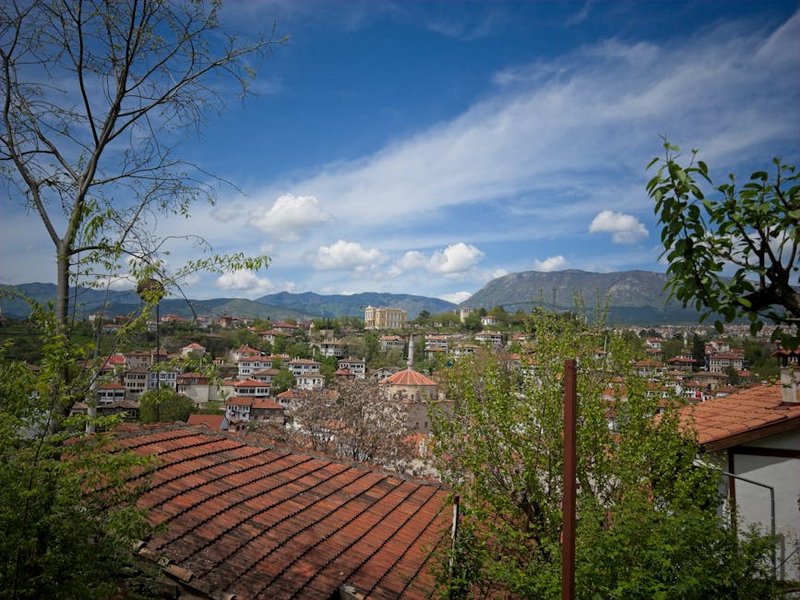
Things to Do in Safranbolu in 1 Day: A Time-Traveling Itinerary
Discovering the best things to do in Safranbolu in 1 day offers a perfect immersion into Ottoman-era architecture and living history. This UNESCO World Heritage site in Turkey’s Karabük Province lets you experience a remarkably preserved town where centuries-old mansions, cobblestone lanes, and traditional crafts tell a captivating story. Your packed but manageable day blends iconic sights, authentic flavors, and cultural insights for a complete snapshot of this open-air museum.
Safranbolu at a Glance
Nestled in the Black Sea region, Safranbolu earned its UNESCO status in 1994 for its exceptional preservation of Ottoman urban life. The town’s name derives from saffron, a precious spice once cultivated locally and a key trade commodity. Its wealth is reflected in the ornate Cinci Han and over a thousand historic timber-framed houses dating from the 17th to 19th centuries.
The historic center is divided into two main districts: Çarşı, the market area with most landmarks, and Bağlar, the summer vineyard houses. A one-day visit focuses intensely on Çarşı, where all major sites are within walking distance. This compact layout is ideal for efficient exploration, allowing you to cover significant ground without rushed transport.
Why Safranbolu Stands Out
Understanding its significance enhances your visit. This was a crucial stop on the Silk Road, linking Europe to the Orient.
- Architectural Heritage: The houses feature distinctive Ottoman design with upper floors jutting over streets, carved woodwork, and interior layouts separating public (selamlık) and private (haremlık) spaces.
- Living Culture: Unlike static museums, many historic homes are still inhabited or operate as boutique hotels and cafes, maintaining a vibrant atmosphere.
- Artisanal Legacy: Traditional crafts like ironworking, shoemaking, and saffron-based products continue in the old bazaar, supported by local guilds.
- Budget Day ($25-35 USD): Includes museum entries (approx. $8), simit and tea breakfast ($3), gözleme lunch ($6), public transport from bus station ($2), and water/snacks ($3). Focus on free sights like streetscapes and mosques.
- Comfortable Day ($45-65 USD): Covers all main museums ($12), breakfast at a historical house cafe ($8), traditional lunch with drink ($15), a saffron or lokum souvenir ($10), and taxi for convenience ($5).
- Premium Day ($80-120 USD): Includes a guided walking tour ($25), lunch at a fine restaurant in a konak ($25), premium souvenir shopping ($30), and a stay at a boutique hotel for evening relaxation (not included in day budget).
- Republic of Turkey Ministry of Culture and Tourism
- UNESCO World Heritage Centre – City of Safranbolu
Your One-Day Exploration Strategy
Maximizing a single day requires strategic timing and route planning. Begin early to enjoy the quiet morning ambiance before tour groups arrive. The town is hilly with cobblestone streets, so comfortable walking shoes are non-negotiable. Focus your energy on the Çarşı district, moving between clusters of attractions to minimize backtracking.
Key sites open around 9:00 AM, with museums often closing for a lunch break. The midday period is perfect for a leisurely Turkish lunch or exploring covered bazaars. Late afternoon light is ideal for photographing the iconic panoramic views from the old castle and water tower. Evening brings a different charm as day-trippers leave.
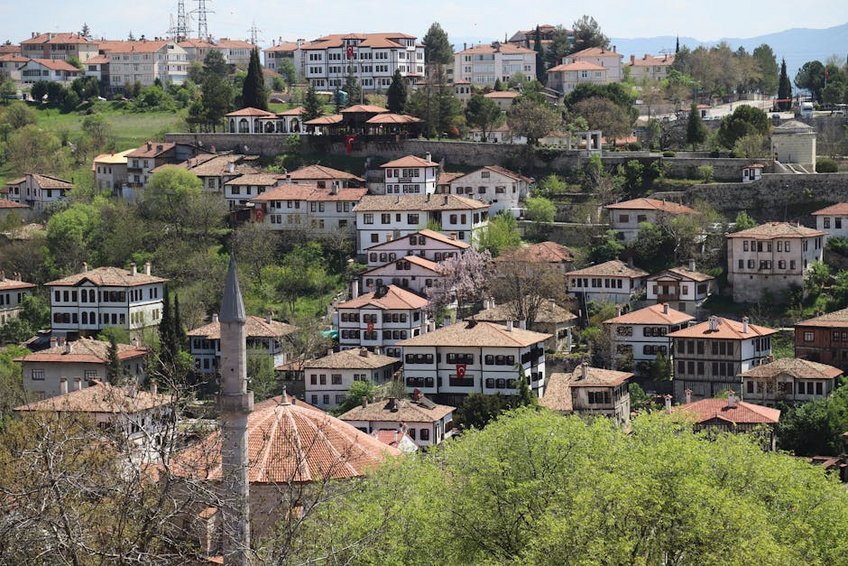
Alt: “safranbolu-ottoman-houses-cobblestone-streets-morning-light”
Things to Do in Safranbolu – Planning Your Day
Your efficient one-day itinerary for Safranbolu balances major landmarks with hidden corners. Start at the southeastern end of Çarşı near the historic government building to follow a logical westward loop. This route passes through the bazaar before ascending to viewpoints, then circles back via key museums. The compact nature means you can see most highlights without excessive walking.
Budget approximately $40-60 USD per person for a full day, covering museum entry fees, meals, and small purchases. Most museums have modest tickets under $2. Food costs are reasonable, with a satisfying lunch around $8-12. Consider purchasing the Museum Pass Turkey if planning broader regional travel, though it’s less cost-effective for a single day here.
Best Time to Visit Safranbolu
Visit Safranbolu between April and June or September and October for pleasant weather and smaller crowds. Daytime temperatures range from 60-75°F (15-24°C) during these shoulder seasons, perfect for walking. July and August bring heat up to 85°F (30°C) and more tourists, while winter can be cold with occasional snow, creating a magical but quieter atmosphere.
The spring months offer blooming gardens, while autumn features harvest festivals. Weekdays see fewer visitors than weekends. Major Turkish holidays and school breaks result in significant domestic tourism, so check the local calendar. Early morning starts are advantageous year-round for capturing photos in soft light and enjoying peaceful streets.
Budget Breakdown for One Day
Costs can vary based on dining choices and souvenir purchases.
Essential Preparation Checklist
Wear sturdy, comfortable shoes with good grip for constant walking on uneven, sloping cobblestones. Dress in layers as temperatures change between sunny squares and shaded alleyways. A small backpack is useful for carrying water, a power bank, and purchases. Have some Turkish Lira in small denominations for market stalls and restroom fees.
Download an offline map of Çarşı district, as GPS can be unreliable in narrow streets. Learn a few basic Turkish phrases like “merhaba” (hello) and “teşekkür ederim” (thank you). Check museum opening days, as some smaller sites close on Mondays. Carry a reusable water bottle to refill at public fountains, staying hydrated throughout your active day.
Top Attractions and Historic Landmarks
Safranbolu’s charm lies in its cohesive townscape rather than single monumental sites. The experience is about wandering through time. Key structures showcase Ottoman civil architecture, from grand inns to humble fountains. Your route should connect these landmarks while allowing for spontaneous discovery in the warren of connecting streets.
The preservation effort extends to details like original street lamps and cobblestone patterns. Each corner reveals another photogenic composition of timber balconies and red-tiled roofs. While the famous mansions draw attention, don’t overlook smaller elements like centuries-old water pumps and artisan workshops tucked into ground floors.
Must-See Highlights in Çarşı District
Start at the Cinci Han, a massive 17th-century caravanserai that once hosted Silk Road merchants. Its grand courtyard and two-story stone galleries now house cafes and shops, offering a perfect first impression. Just uphill, the Cinci Hamam is a still-operating Turkish bath from 1645; you can book a treatment or simply admire its exterior dome.
The İzzet Paşa Mosque, built in 1796, features elegant Ottoman Baroque architecture distinct from older styles. Its interior is beautifully decorated, and the adjacent square is a social hub. Continue to the Historic Government Building (Kaymakamlar Evi) for a meticulously furnished example of a wealthy Ottoman family home, providing essential context for the town’s residential architecture.
Hidden Gems and Local Favorites
Venture slightly off the main drag to find the Clock Tower (Saat Kulesi) on the hilltop. The climb rewards you with panoramic views over the sea of red roofs. Nearby, the old prison building offers another vantage point. For a quieter moment, seek out the Armenian Church in the market area, a reminder of the town’s diverse historical communities.
Discover the backstreets behind the main bazaar where blacksmiths and cobblers still work in tiny, time-worn shops. Look for the discreet Yılmaz Lokumları shop for some of the town’s best Turkish delight. The side alley leading to the Bulak Mencilis Cave entrance is also less crowded, offering a glimpse of local daily life away from the tourist focus.
Museum Visits for Deeper Understanding
The City History Museum (Kent Tarihi Müzesi) in the former boys’ school provides excellent background on Safranbolu’s development and conservation story. Allocate 30-45 minutes here. The Glass Terrace Museum offers not only historical exhibits but also a stunning transparent platform extending over the valley, perfect for dramatic photos.
For a specialized interest, the Ironmongers Bazaar (Demirciler Çarşısı) and Coppersmiths Bazaar (Bakırcılar Çarşısı) are living museum streets where artisans practice traditional metalworking. You can watch craftsmen hammering and engraving, and purchase unique handmade items directly from the makers, supporting preservation of these endangered skills.
Practical Travel Information for Your Visit
Reaching Safranbolu is straightforward from major Turkish cities. The town lacks an airport; the nearest is in Ankara (ESB), about a 2.5-hour drive. Most visitors arrive by bus from Istanbul (6 hours) or Ankara (3 hours). The modern bus station is 3 km from Çarşı; frequent municipal buses and inexpensive taxis connect to the old town center.
Once in Çarşı, everything is accessible on foot. The terrain is hilly, so pace yourself. For those needing assistance, the main streets are relatively navigable, but many side alleys have steep steps. Public restrooms are available near major sites, usually requiring a small fee (2-3 TL). Free public Wi-Fi spots are limited, so plan for offline access.
| Category | Options/Features | Price Range (USD) |
|---|---|---|
| Museum Entry | Individual tickets for key houses/museums (Cinci Han, Kaymakamlar Evi) | $1.50 – $3 each |
| Guided Tours | 2-3 hour walking tours in English/Turkish, small groups | $20 – $30 per person |
| Local Transport | Taxi from bus station to Çarşı, municipal bus, no car rental needed in center | $2 – $5 per trip |
| Souvenirs | Handmade copperware, saffron products, leather slippers, lokum | $5 – $50+ |