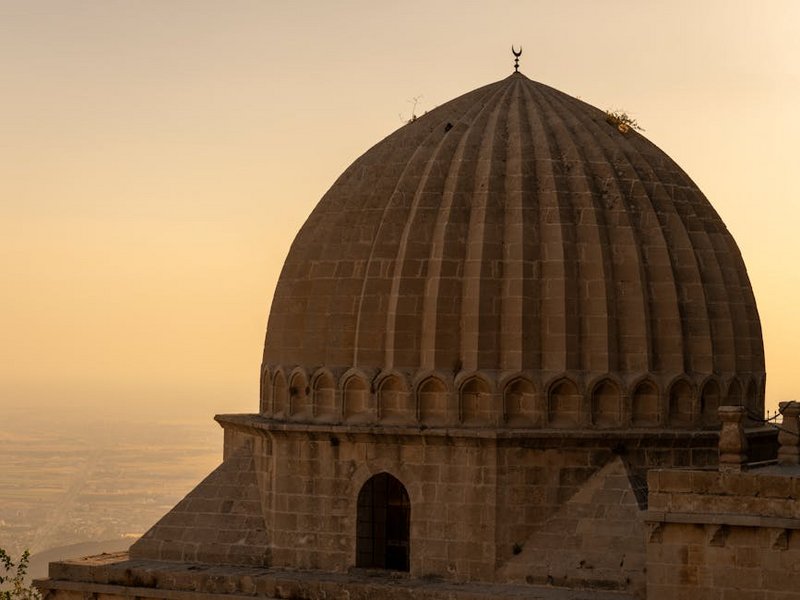
How Many Days to Visit Mardin and Its Must-See Places
Determining how many days to visit Mardin depends entirely on your travel style and whether you want to scratch the surface or connect deeply with its layered history. Most travelers find three to four days is the sweet spot, allowing enough time to wander the ancient stone streets of the Old City, explore its iconic religious monuments, and take a day trip to the breathtaking Mesopotamian plains below. This guide breaks down the ideal itinerary length, details every must-see place, and provides the practical logistics for planning your visit to this unique Turkish gem on the Syrian border.
Essential Mardin Information
Perched on a strategic hilltop in southeastern Turkey, Mardin overlooks the vast Mesopotamian plains. Its history is a complex tapestry woven by numerous empires, including the Assyrians, Romans, Byzantines, and Ottomans. This heritage is reflected in its stunning architecture, where honey-colored limestone buildings cascade down the slopes, creating one of Turkey’s most photogenic cityscapes.
The city is renowned for its atmosphere of religious coexistence. For centuries, Muslim, Syriac Christian, and Yazidi communities have lived side-by-side. You hear this in the simultaneous calls to prayer and church bells, and see it in the proximity of grand mosques to ancient monasteries. The local population is warm and welcoming, though English is less common here than in western Turkey.
Key Facts and Cultural Context
Understanding a few key details will enrich your experience in this frontier city.
- Mardin is the capital of Mardin Province in Turkey’s Southeastern Anatolia Region, sitting approximately 20 kilometers north of the Syrian border, which influences its unique cultural blend and security considerations.
- The climate is semi-arid, characterized by extremely hot, dry summers and cool, wetter winters; spring (April-May) and autumn (September-October) offer the most pleasant temperatures for exploration.
- While Turkish is the official language, many locals speak Kurdish or Arabic, and the ancient Syriac language is still used in liturgical contexts within the Christian communities.
- Budget Traveler ($40-60 USD/day): Stay in a basic local guesthouse or hostel, eat at street-side kebab shops and bakeries, use public minibuses (dolmuş) for transport, and focus on free wandering and low-cost site entries.
- Mid-Range Traveler ($80-120 USD/day): This covers a comfortable boutique hotel in the Old City, meals at sit-down restaurants serving local cuisine, occasional taxi rides, entry fees to all major sites, and perhaps a guided half-day tour for deeper historical context.
- Luxury Traveler ($150+ USD/day): Enjoy a stay in a meticulously restored historic mansion with panoramic views, private guided tours with expert historians, fine dining experiences, and private transfers for day trips to surrounding archaeological sites.
- Republic of Turkey Ministry of Culture and Tourism – Mardin
- UNESCO World Heritage Centre – Mardin Cultural Landscape
The City’s Architectural Uniqueness
Mardin’s architecture is its defining feature. The entire Old City is constructed from a distinctive fossil-rich, beige limestone that glows golden in the sunlight. The buildings are designed with a vertical sensibility, with homes stacked atop one another along narrow, winding alleyways. This design wasn’t just for aesthetics; it provided natural cooling and defensibility.
Look for intricate stone carvings on doorways and windows, a signature of the region’s master artisans. The architectural style is often called “Mardin Style,” blending Seljuk, Ottoman, and even Syrian influences into something uniquely local. Exploring these labyrinthine streets is as much an attraction as any single monument.
Navigating the Old City Terrain
The terrain of Mardin’s historic core is challenging but rewarding. The main street, Cumhuriyet Caddesi, runs laterally along the hill, but the true exploration happens on the steep, stair-filled alleyways that descend from it. Comfortable, sturdy walking shoes with good grip are non-negotiable.
The climbs can be strenuous, especially in the heat. Pace yourself, take breaks at scenic overlooks, and carry water. For those with mobility issues, sticking to the main thoroughfare still offers magnificent views and access to several key sites, though the deepest immersion requires tackling the stairs.
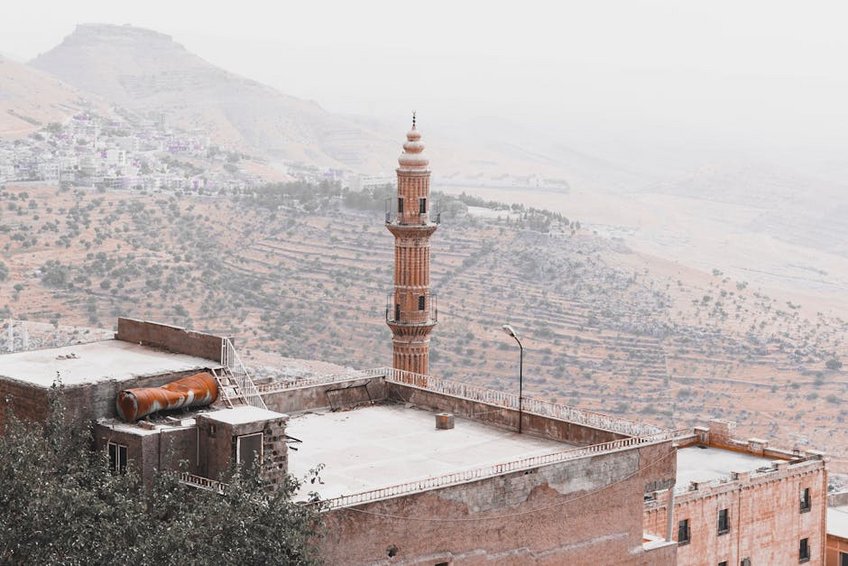
Alt: “mardin-old-city-honey-colored-limestone-architecture-hilltop”
Visit Mardin – Planning Your Trip
Your visit to Mardin requires more logistical planning than a trip to Istanbul or Cappadocia. The region is remote, the terrain is hilly, and the climate is extreme for much of the year. A successful trip hinges on choosing the right season, allocating sufficient days, and booking the correct type of accommodation. This planning ensures you experience the city’s magic without unnecessary hassle.
Three full days is the recommended minimum to visit Mardin. This allows one day for the Old City’s core sights, a second day for deeper cultural sites and museums, and a third for an essential day trip to Dara or Midyat. With four days, you can add a more leisurely pace, a cooking class, or exploration of nearby villages. Rushing through in one or two days means missing the profound atmosphere that makes this place special.
Best Time to Visit Mardin
The ideal months to visit Mardin are April, May, September, and October. During these periods, daytime temperatures are pleasant, ranging from 70°F to 85°F (21°C to 29°C), and nights are cool. Crowds are manageable, and the light is perfect for photography. Summer, from June through August, is intensely hot, with temperatures frequently exceeding 100°F (38°C), making extensive walking uncomfortable.
Winter, from December to February, is cold and can be wet, with temperatures dropping to 30-40°F (-1 to 4°C). While you’ll have sites nearly to yourself, some smaller restaurants or tour services may have limited hours. The shoulder seasons truly offer the best balance of comfort and access for your exploration.
Budget Planning and Costs
Mardin is generally affordable, though costs have risen. Your biggest expense will be flights to the nearest airport. Daily budgets break down into three clear categories.
Essential Preparation Checklist
Pack for cultural sensitivity and practical comfort. Women should bring scarves to cover their heads when entering mosques or churches. Everyone needs modest clothing that covers shoulders and knees. Essentials include a high-SPF sunscreen, a wide-brimmed hat, a refillable water bottle, and the sturdiest walking shoes you own for the uneven stone paths.
Check your passport validity and visa requirements; most Western nationals can get an e-Visa online before arrival. While the area is stable, registering with your embassy for travel alerts is prudent. Book your accommodation well in advance, especially if traveling during the pleasant spring or fall seasons, as the best boutique hotels have very limited rooms.
Top Attractions and Must-See Places
Mardin’s attractions are a blend of grand monuments and simple daily moments. The must-see list includes awe-inspiring religious structures that testify to centuries of coexistence, a fascinating museum, and the immersive experience of the city itself. Allocate your time to see these key sites while leaving room to get lost in the atmospheric backstreets where daily life unfolds.
Start your exploration early in the morning when the light is soft and the temperatures are cooler. Many sites are within walking distance of each other in the Old City, but the walking is strenuous. Consider taking a taxi up to the highest point, like the castle vicinity, and then walking downhill through the labyrinth of streets to save your energy.
Must-See Highlights
The Zinciriye Medresesi is an absolute essential. This 14th-century Islamic theological school showcases sublime Seljuk-era stonework and offers the single best panoramic view over the Mesopotamian plains from its courtyard. Nearby, the Ulu Cami (Grand Mosque) dates back to the 12th century, with a striking minaret that is a focal point of the city’s skyline.
For a profound cultural experience, visit the Deyrulzafaran Monastery, located just a few kilometers outside the city center. This functioning Syriac Orthodox monastery, built atop a 5th-century Sun Temple, has been a spiritual center for centuries. The guided tour reveals ancient underground chapels and a deep sense of peace. Back in town, the Mardin Museum, housed in a former patriarchate, provides excellent context on the region’s Assyrian, Roman, and Ottoman history.
Hidden Gems and Local Favorites
Venture beyond the main sites to find Mardin’s soul. Seek out the Kasımiye Medresesi on the city’s outskirts. This 15th-century medrese is larger and often quieter than Zinciriye, with a beautiful courtyard and pool symbolizing the journey from life to death. The atmosphere here is incredibly serene.
For an authentic local experience, visit the historic bazaar area. It’s less touristy than markets in other cities. Here, you can find copper craftsmen at work, smell mounds of local spices, and see traditional *abaya* robes being sewn. Another hidden spot is the Latifiye Mosque, smaller than Ulu Cami but with an exquisitely detailed portal that is a masterpiece of stone masonry.
Exploring the Mesopotamian Vista
The view itself is a primary attraction. Find a terrace café along Cumhuriyet Caddesi in the late afternoon. As you sip Turkish tea or coffee, watch the light change over the endless plains below. This vista, virtually unchanged for millennia, helps you understand why this city was such a coveted strategic outpost for every empire that passed through the region.
Photographers should aim for the golden hour just before sunset. The low angle of the sun makes the limestone buildings glow and casts long, dramatic shadows across the intricate carvings. This daily spectacle is free and unforgettable, a perfect way to end a day of exploration in the ancient city.
Practical Travel Information
Getting to and around Mardin requires some forethought due to its location. The city is served by Mardin Airport (MQM), with direct flights from Istanbul, Ankara, and Izmir. The airport is about 20 kilometers from the city; a taxi costs around $15-20 USD. Alternatively, you can fly into the larger Diyarbakır Airport (DIY) and take a 90-minute bus or taxi to Mardin.
Within the city, taxis are plentiful and inexpensive for getting from the lower modern city to the Old City gate. Once in the Old City, everything is accessible on foot, though it’s a strenuous walk. There is no need to rent a car for exploring the historic center itself, but it becomes valuable for independent day trips to surrounding areas.
| Category | Options/Features | Price Range (USD) |
|---|---|---|
| Economy Hotel | Basic rooms in new city, breakfast included, minibus access | $25-40 per night |
| Boutique Hotel | Restored stone mansion in Old City, terrace views, historic character | $70-120 per night |
| Luxury Heritage Hotel | Full-service in historic building, spa, fine dining restaurant, guided tours | $150-300+ per night |
| Local Guesthouse | Family-run, home-cooked meals, authentic cultural experience | $40-60 per night |