Best Time to Visit the Black Sea Region: A Seasonal Guide
Deciding on the best time to visit the Black Sea region depends entirely on your preferred travel style, as this diverse coastline offers distinct experiences every season. The summer months buzz with vibrant beach life and warm water swimming, while spring and autumn unveil lush, green landscapes perfect for hiking and cultural immersion without the crowds. This guide breaks down the climate, events, and activities month-by-month to help you pinpoint your ideal window for a memorable Black Sea adventure.
Essential Black Sea Region Information
Stretching across six countries—Turkey, Bulgaria, Romania, Ukraine, Georgia, and Russia—the Black Sea coastline is remarkably diverse. You will encounter everything from bustling Turkish resort cities and ancient Georgian fortresses to the serene Danube Delta and Bulgaria’s dramatic rocky capes. This variety means weather and cultural events can shift dramatically as you travel along the coast.
Historically, this region has been a crucial crossroads for millennia, influencing its unique blend of Ottoman, Byzantine, Slavic, and Caucasian cultures. Today, it caters to sun-seekers, history buffs, food lovers, and adventure travelers alike. Understanding this geographic and cultural tapestry is the first step in planning a successful trip to these dynamic shores.
Geographic and Climate Overview
The region features a humid subtropical climate along most of its southern and eastern coasts, with warmer winters. The northwestern coast, near Romania and Ukraine, has more continental influences with colder winters. A notable feature is the Pontic Mountains, which run parallel to the southeastern coast, creating stunning backdrops and impacting local weather patterns.
Cultural Diversity Across the Coast
You will experience a fascinating cultural mosaic. In Turkey, explore Ottoman-era mosques in Trabzon. In Batumi, Georgia, see futuristic architecture alongside ancient churches. Bulgarian seaside towns offer a relaxed pace, while the Romanian coast is known for its historic ports and the pristine Danube Delta biosphere. Each area has its own language, culinary traditions, and local festivals.
Key Countries and Entry Points
Major international airports serve the region, including Istanbul (IST) for Turkey, Bucharest (OTP) for Romania, Varna (VAR) for Bulgaria, and Batumi (BUS) for Georgia. Overland travel between neighboring countries is common, though visa requirements vary. US and EU passport holders typically enjoy visa-free or visa-on-arrival access for tourism, but always verify current rules before departure.
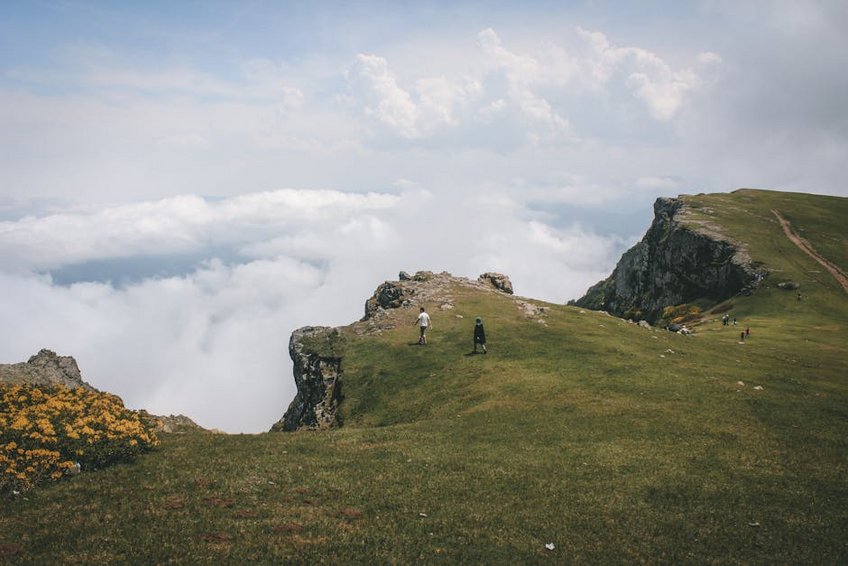
Alt: “black-sea-coastline-cliffs-green-hills-summer”
Best Time to Visit the Black Sea Region – Planning Your Trip
Your ideal travel dates hinge on whether you prioritize beach weather, hiking conditions, budget, or cultural events. The peak summer season offers guaranteed warmth and a full schedule of activities but comes with higher prices and crowded hotspots. Shoulder seasons like late spring and early autumn provide a superb balance of pleasant weather, manageable crowds, and lower costs for a more relaxed exploration.
For winter travel, focus on the southern coasts of Turkey and Georgia, where temperatures remain milder, and you can experience skiing in the coastal mountains near places like Uzungöl. Planning your Black Sea region visit requires matching your activity wish list with the seasonal strengths of each sub-region.
Best Time to Visit for Beach Holidays
The prime beach season runs from June through September, with July and August being the hottest and busiest. Sea temperatures become comfortably warm, averaging 75-80°F (24-27°C), perfect for swimming and watersports. In Turkey and Bulgaria, expect daily highs between 80-90°F (27-32°C) with abundant sunshine. For slightly fewer crowds, target June or early September when the weather is still excellent but the summer rush has eased.
Best Time for Hiking and Nature
Late spring (May to early June) and early autumn (September to October) are ideal for outdoor activities. Temperatures are comfortable for hiking, ranging from 65-75°F (18-24°C), and the landscapes are exceptionally green or beautifully autumnal. This is the perfect time to trek in Georgia’s Adjara region, explore Bulgaria’s Strandzha Nature Park, or visit the Romanian Danube Delta when birdlife is most active.
Best Time for Cultural Travel and Festivals
Cultural exploration is rewarding year-round, but spring and autumn offer the most comfortable city walking weather. To coincide with local events, plan for summer. Key festivals include the Varna Summer International Music Festival (Bulgaria) in June-July, the Giresun Aksu Festival in Turkey (May), and the Batumi Summer Festival in Georgia (August). Winter brings unique celebrations like the Romanian Christmas markets in Constanța.
Budget Planning and Seasonal Costs
Your budget stretches furthest during the shoulder and low seasons, with significant savings on flights and hotels.
- Budget Season (Oct-Apr, excl. holidays): Flights from US hubs can be found for $500-$700. Hostels and budget hotels cost $20-$40/night. Dining and activities are at their least expensive.
- Shoulder Season (May, June, Sept): Expect mid-range pricing. Flights average $800-$1,100. Comfortable hotels or private rentals range from $60-$120/night. Tours and restaurants operate at full capacity.
- Peak Season (July, Aug): Premium prices apply. Flights often exceed $1,200. Beachfront accommodation books months in advance, costing $100-$250+/night. Booking everything early is crucial.
- Commission on the Protection of the Black Sea
- Lonely Planet Black Sea Coast Travel Guide
Top Attractions and Coastal Experiences
Beyond the beaches, the Black Sea coastline is rich with historical sites, natural wonders, and unique culinary stops. From the ancient rock-hewn monasteries of Georgia to the elegant Art Nouveau architecture of Varna, there is a compelling mix of old and new. Each country offers a distinct slice of coastal life, ensuring your itinerary remains varied and engaging as you travel.
Nature lovers should not miss the Danube Delta, a UNESCO site and Europe’s largest wetland. Adventure seekers can paraglide over Bulgaria’s Golden Sands or go white-water rafting in Turkey’s Fırtına Valley. Meanwhile, foodies can embark on a culinary journey from Romanian *mămăligă* with fish to Georgian *adjaruli khachapuri* by the sea.
Must-See Historical Highlights
In Turkey, visit the Sumela Monastery, a breathtaking Greek Orthodox monastery clinging to a cliff face near Trabzon. Georgia’s Batumi offers a blend of the old Batumi Fortress and the modern, illuminated Alphabet Tower. On Bulgaria’s coast, the ancient Roman baths in Varna and the Byzantine fortress walls of Sozopol provide fascinating historical layers. Each site tells a part of the region’s complex story as a historical crossroads.
Natural Wonders and Parks
The Danube Delta in Romania is a must for wildlife enthusiasts, home to over 300 bird species. Bulgaria’s Kaliakra Cape offers dramatic cliffside walks and dolphin sightings. In Turkey, the lush, tea-covered hills of Rize and the serene lake at Uzungöl provide stunning mountain scenery just inland from the coast. Georgia’s Mtirala National Park, known as the “rainforest of the Caucasus,” features dense forests and waterfalls.
Unique Coastal Towns and Cities
Explore the vibrant port city of Batumi, Georgia, with its botanical garden and quirky statues. Visit the Bulgarian town of Nessebar, a UNESCO World Heritage site on a small peninsula filled with medieval churches. In Turkey, the city of Amasra captivates with its two harbors and Byzantine castle ruins. Each town possesses a unique charm and slower pace compared to the larger resort areas.
Practical Travel Information and Logistics
Navigating the Black Sea region involves a mix of transportation modes. While major cities are well-connected by air and bus, exploring smaller coastal villages or natural parks may require renting a car or using local minibuses. Accommodation ranges from international hotel chains in big cities to family-run guesthouses and boutique hotels in smaller towns, offering authentic local hospitality.
Booking inter-country travel requires some planning, as direct flights between regional hubs are not always frequent. Overland routes by bus or train can be scenic and economical, though travel times can be long. Having a flexible itinerary and a basic understanding of local transportation apps will make your journey much smoother.
| Accommodation Type | Best For | Price Range/Night (USD) |
|---|---|---|
| Hostels & Guesthouses | Budget travelers, solo explorers, social atmosphere | $15 – $35 |
| Mid-Range Hotels & Apartments | Couples, families, comfort with local character | $50 – $120 |
| Beach Resorts (All-Inclusive) | Sun-and-sea focus, convenience, families | $100 – $250+ |
| Boutique & Heritage Hotels | Cultural immersion, unique design, romantic getaways | $80 – $200 |